Author: team dotsure.co.za

  • HOW A PET INSURANCE POLICY PROTECTS YOUR PET

    HOW A PET INSURANCE POLICY PROTECTS YOUR PET


    We’ll discuss what pet insurance covers and doesn’t cover.

    As pet ownership continues to rise, many pet parents are recognising the importance of safeguarding the health and well-being of their four-legged companions. Just like us, pets can face unexpected medical emergencies or chronic health conditions that require veterinary care. This is where pet insurance provides an invaluable safety net for pet parents.


    Comprehensive Coverage for Veterinary Expenses

    Pet insurance covers a wide range of veterinary expenses, ensuring that your pet receives the necessary medical care without causing financial strain. Whether it’s emergency visits, surgery, hospitalisation, or ongoing treatment, pet insurance helps mitigate the costs associated with unexpected illnesses and accidents. These policies often cover diagnostic tests, medication, specialist referrals, and even alternative therapies.

    Peace of Mind during Emergencies

    One of the primary benefits of pet insurance is the peace of mind it offers during emergencies. Imagine your beloved furry friend suddenly falls ill or suffers an injury requiring immediate veterinary attention. In such situations pet insurance allows you to focus solely on your pet’s well-being instead of worrying about the financial implications. Having insurance coverage ensures that you can seek medical care promptly without hesitating due to cost concerns.

    Tailored Coverage Options

    Pet insurance policies offer different coverage options to suit various budgets and individual needs. These options may include accident-only coverage, illness coverage, or comprehensive plans that cover both accidents and illnesses. Some policies also provide coverage for routine preventive care, such as vaccinations, dental cleaning, and wellness exams. By selecting a policy that aligns with your pet’s specific needs, you can ensure adequate protection.

    Affordability and Cost Savings

    While the monthly premium for pet insurance may seem like an additional expense, it can potentially save you significant costs in the long run. Veterinary bills can escalate quickly, especially when dealing with complex surgeries or chronic conditions. Pet insurance helps you manage these expenses by covering a portion of the costs, therefore, reducing the financial burden you have to bear..

    What Isn’t Covered

    Pet insurance policies exclude coverage for pre-existing conditions that your pet had before the policy’s effective date or during the waiting period. Issues that are considered non-medical, such as behavioural problems and certain elective procedures, are also not covered. Exclusions may vary, so it’s essential to inquire about specific limitations when purchasing a policy.


    Prioritising your pet’s health by investing in pet insurance is a decision that can have a lasting positive impact on their overall quality of life. Why not have a look at the different pet insurance plans we have to offer?

  • ARE FINANCED VEHICLES REQUIRED TO HAVE COMPREHENSIVE COVER?

    ARE FINANCED VEHICLES REQUIRED TO HAVE COMPREHENSIVE COVER?


    3 different value options to insure your financed vehicle before driving it off the showroom floor.

    In South Africa, comprehensive cover is mandatory if you have a financed vehicle. Not only is it a contractual requirement, but it’s also there to reduce risks. You could end up paying for damages if you are involved in an accident, including your excess payments.


    Why It’s Necessary

    A financed vehicle represents a significant financial commitment. Comprehensive insurance provides coverage for a wide range of risks, including accidents, theft, vandalism, and other unforeseen events. By having comprehensive insurance, you safeguard your investment and minimise potential financial losses.

    Financiers usually require comprehensive insurance for financed vehicles. It acts as a safety net for both you and the financier, ensuring that the vehicle is protected against any potential damages or loss. By meeting this requirement, you comply with the terms of your financing agreement.

    Value Options for Insuring a Financed Vehicle

    • Retail Value:

    Insuring your financed car based on its retail value means that the insurance policy will provide coverage for the amount it would cost to replace the vehicle with a similar one. This option may be suitable for newer cars with higher market values.

    • Market Value:

    This option means that the insurance policy will provide coverage for the average cost between Retail and Trade value. This is more commonly used for second-hand or older vehicles.

    • Trade Value:

    With this, the insurance policy will provide coverage for the average price a car dealer would pay to buy your vehicle. This option may be suitable if you plan to trade your vehicle in, in the near future.

    Insurance Options After Your Car’s Paid Off

    Even after paying off your car, maintaining comprehensive insurance is still highly recommended. It continues to protect your vehicle against various risks, ensuring that you are financially safeguarded in case of accidents, theft, or other incidents.

    Third-party, fire, and theft cover is a type of insurance cover that insures you against damages to other vehicles or property caused by your car, as well as losses due to theft or fire. However, it does not provide coverage for your own vehicle in the event of an accident.

    The third-party-only cover option is a minimal insurance option that covers damages to other vehicles or property caused by your car, but does not provide coverage when your own vehicle is damaged or stolen.


    Whether your car is financed or fully paid off, it is crucial to carefully consider the value options and select the cover that best suits your needs. By having the right insurance in place, you can enjoy peace of mind and financial security on and off the road.

  • ANIMAL CRUELTY OR LEGITIMATE SOLUTION? THE LAW ON VOCAL CORD REMOVAL TO STOP EXCESSIVE BARKING

    ANIMAL CRUELTY OR LEGITIMATE SOLUTION? THE LAW ON VOCAL CORD REMOVAL TO STOP EXCESSIVE BARKING


    Is removing your pet’s vocal cords legal and humane?

    Dr Trudie Prinsloo is a qualified veterinarian and attorney. In 2015, she started Legal Vet Services to provide legal advice to the animal health and veterinary industries in South Africa and now she has teamed up with us to tell us more about the South African laws relating to the removal of dogs’ vocal cords.

    Is Vocal Cord Removal for Excessive Barking Still Acceptable?

    Excessive barking by dogs is a real and often very difficult problem to deal with, which is why I have written about it on more than one occasion in the past. Is vocal cord removal (also called debarking or ventriculi cordectomy) an acceptable method to deal with this problem?

    In my opinion, the answer is a huge “NO!”  However, before I explain my view, I want to acknowledge that vocal cord removal is a procedure that is still accepted and done in many parts of the world, including South Africa.  But there is increasing evidence against the use of this procedure and more and more people agree that it should not be done.

    Dogs bark excessively because there is something that causes them to bark.  It may be separation anxiety, it may be boredom, fear, or someone or something that is upsetting the dog. One of the main reasons people have dogs is for them to act as a warning system to alert us when there is a problem.  Barking is a dog’s main way of communication.  Taking away the dog’s ability to bark, is taking away its main method of communicating.  It does not solve the underlying problem! Imagine taking a child’s voice away because you think the child is too noisy! Or how would you feel if someone permanently silences you because they think you talk too much or too loudly?

    Furthermore, the procedure itself is an invasive surgery that needs to be done under general anaesthesia with several potential complications.  Here are some of the things that can go wrong:

    • Since it requires anaesthesia, it always comes with a risk of complications and potential anaesthetic death. Proponents of vocal cord removal will argue that this is true for all surgeries, which is, of course, correct.  And that is the very reason to avoid unnecessary surgery.  Especially a surgery that does not solve the actual problem.
    • The surgery carries a risk of excessive bleeding, which could also lead to the death of the patient.
    • The surgery is done in an area that cannot be kept completely sterile, and there is a significant risk of post-operative infection.
    • Scar tissue may form post-surgically (laryngeal web) that can cause obstruction of airflow and difficulty breathing. This will require corrective surgery and it can be life-threatening if not corrected.
    • Vocal cord removal and the dog’s inability to communicate can exacerbate the dog’s stress levels. People in favour of this procedure argue that this is not true.  However, there is scientific proof that the cortisol levels of dogs that had undergone a ventriculi cordectomy has increased.
    • In most cases, the noise level is only reduced and not eliminated. Some dogs learn to bark again, often with a very strange-sounding voice.

    Thus overall, the risk-benefit is completely skewed, with the risks far outweighing any potential benefits gained from the surgery.

    But are there any legal implications or can vocal cords be removed without legal consequences? The first place to search for an answer dealing with animal welfare is the Animals Protection Act, No. 71 of 1962. Section 2 of this Act sets out all the potential offences that can be committed concerning animals and which are punishable under the Act.  The very first offence set out in Section 2 is:

    “(1) Any person who

    (a) overloads, overdrives, overrides, ill­treats, neglects, infuriates, tortures, or maims or cruelly beats, kicks, goads or terrifies any animal;” [my emphasis].

    The word that stands out and is relevant to a ventriculi cordectomy is “maims”.  The Oxford Advance Learner’s Dictionary defines maim as: “to wound or injure somebody so that part of the body is permanently damaged or lost.”   This is exactly the effect that a ventriculi cordectomy has on the animal.  I am therefore of the opinion that it is an offence in terms of this Act to perform a ventriculi cordectomy.  However, it has not been applied in this manner to date, and it has not been tested in a court of law.

    The South African Veterinary Council through its “Code of Conduct” provides guidance to veterinarians regarding their professional conduct.  The following is stated about ventriculi cordectomies:

    • It may only be done by a registered veterinarian under general anaesthesia and with proper analgesia.
    • It must be discouraged and may only be done if all reasonable alternatives have been unsuccessful, and the owner is considering euthanizing the dog.
    • Veterinarians must also inform owners that the noise levels may only be reduced and that there may still be some noise generated by the dog.

    The procedure is therefore still done and accepted by some people in South Africa.  However, in my opinion, it should not be done at all, and alternative measures must be pursued until the problem has been resolved.


    dotsure.co.za is not responsible or liable for any advice, opinions, or any other information provided herein.

  • CAR REPOSSESSION: UNDERSTANDING YOUR RIGHTS AS A BORROWER

    CAR REPOSSESSION: UNDERSTANDING YOUR RIGHTS AS A BORROWER


    Can I tell the bank, “NO! You’re not taking my car”? Keep reading to know.

    Owning a car is a dream come true. From school runs to longer road trips, we cherish every kilometre we get to spend in our cars. Even when we know it’s time to say goodbye to our ‘ride or die’, it’s a difficult one. And if a goodbye is forced upon us, sooner than we’re ready, it can be heart-breaking.

    If you fail to keep up with your vehicle repayments, you’re at risk of losing your car. Car repossession is a stressful process that nobody wants to go through. However, if you find yourself in this situation, it’s essential to understand your rights and to know how to respond to a repossession notice.

    Understanding Your Rights

    • It’s crucial to understand that you have rights during the car repossession process. Repossession agents are not allowed to use force or threaten you in any way. Additionally, they are not allowed to enter your property without your consent or interfere with your possessions.
    • Repossession agents are not allowed to seize any personal items. If they attempt to do so, you should contact the police immediately. You also have the right to ask them to leave if they arrive at your property.
    • You must be provided with a Notice of Repossession. This notice will include details such as the date of repossession, the name of the lender, and any other relevant information. It’s important to read through this notice carefully and take note of any instructions or information it contains.

    Responding to a Repossession Notice

    • If you receive a repossession notice, and wish to dispute it, it’s important to act quickly and respond with a Notice of Objection as soon as possible. You can start by gathering all the documents related to the loan or lease agreement, including the original paperwork and any subsequent payments or communications. This will ensure that you have the best chance of protecting your property.
    • It’s also essential to seek legal advice as soon as possible. A lawyer can help you understand your options, and can represent you during the repossession process.

    Legal Requirements for Car Repossession in South Africa

    • A lender can only repossess a vehicle if the borrower has defaulted on their payments. The National Credit Act No. 34 of 2005 provides guidelines for the repossession process, and lenders must follow these guidelines to the letter.
    • Before a lender can repossess a vehicle, they must provide the borrower with a written notice of their intention to repossess the vehicle. The notice must include the amount that is in arrears, the steps that the borrower can take to remedy the situation, and the deadline by which the arrears must be paid.
    • If the borrower fails to pay the arrears or make alternative arrangements with the lender, the lender can then apply for a court order to repossess the vehicle. The court order must be served on the borrower, and the borrower has the right to dispute the matter in court.

    Navigating car repossession can be overwhelming. While you may not be able to stop the process from moving ahead, it is important to know what steps to follow and to know your rights.

    If you are at risk of having your vehicle repossessed, stay calm, seek legal advice, and follow the process.


  • CAR LEMON LAW? WHAT THE FRUIT IS IT?

    CAR LEMON LAW? WHAT THE FRUIT IS IT?


    You have just driven off the showroom floor with your brand spanking new (to you) car, feeling like the coolest cat in town. But then disaster strikes. Your car starts making noises louder than your neighbour’s early morning lawn mowing, and you realise you’ve got a lemon. What now?

    In this blog, we explain the car lemon law and how it can help you.


    What is the car lemon law?

    The car lemon law is a legal provision that protects consumers who have purchased a defective vehicle. The law allows consumers to seek a refund or replacement vehicle if their car has a serious defect or recurring problems that cannot be fixed after a reasonable number of attempts.

    The car lemon law is typically invoked within a certain period after the purchase of the vehicle, which varies depending on the jurisdiction. In South Africa, the Consumer Protection Act (CPA) provides guidelines on how to deal with defective cars.


    How does the car lemon law apply in South Africa?

    In South Africa, the car lemon law is outlined in the CPA. The Act protects consumers against purchasing defective vehicles and it applies to new and used vehicles. However, the CPA only applies to vehicles purchased from a dealership or private seller, and it does not cover cars bought at an auction.

    If you purchase a vehicle that turns out to be a lemon, the CPA provides you with the following options:

    Repair or Replacement

    If a vehicle has a defect or recurring problem, the dealership must first attempt to repair the vehicle. If the defect persists after a reasonable number of attempts, the dealership must either replace the vehicle or refund the purchase price.

    Refund

    If the dealership cannot repair the vehicle or replace it with a similar one, they must refund the full purchase price, including any deposit, trade-in allowance, or finance charges.


    Avoid car buyer’s remorse – know your rights.

    The car lemon law provides consumers in South Africa with protection against the purchase of defective vehicles. The CPA outlines the options available to consumers who have purchased a lemon, including repair or replacement and refund. If you find yourself in this situation, it is essential to understand your rights and seek legal advice if necessary.

    You have the right to return the used car you bought to the seller within six months, under specific conditions that exclude normal wear and tear. If you can show a legitimate defect, you are entitled to request a refund, repair, or replacement.

    Make lemonade with dotsure.co.za’s extended car warranty.

    When your car turns into a lemon we can help you squeeze more juice out of your jolly and keep the joyride going. Our extended car warranty pays for unexpected costly repairs due to mechanical and electrical breakdowns. It’s perfect for cars younger than 15 years with up to 300 000 km on the clock.

    Let us pay for your car repairs.

    See your price

  • DOES 95-OCTANE FUEL LAST LONGER THAN 93-OCTANE?

    DOES 95-OCTANE FUEL LAST LONGER THAN 93-OCTANE?


    Get pumped because we’re about to answer today’s most burning question: Does 95 fuel last longer than 93? With fuel prices reaching record highs it’s beginning to feel as if our cars are on an endless diet of caviar and truffles.

    Fuel prices keep increasing, but our salaries seem stuck in the parking lot! This means more and more people are looking for ways to be more fuel efficient.

    In this blog we’ll explore the differences between the two types of fuel and determine whether there is a clear winner when it comes to fuel efficiency.

    So, buckle up for some high-octane info.


    Fuel Fight: 95 vs 93 fuel – which will win?

    Choosing the correct octane fuel for your car is crucial for optimal performance and efficiency. Using 95-octane fuel may provide no additional benefits if your car requires 93-octane fuel. However, a higher octane fuel may offer better engine performance and cleaner burning, potentially leading to better fuel economy.

    Firstly, let’s talk about what octane rating means. Octane rating is a measure of a fuel’s ability to resist knocking during combustion (caused by the air/fuel mixture detonating prematurely in the engine). We need fuel to burn at just the right speed. If it burns too fast, it can cause the engine to knock, and that’s not good. The higher the octane rating, the more resistant the fuel is to pre-ignition.

    When it comes to fuel consumption, it’s essential to understand that higher octane fuel does not necessarily mean better fuel economy. Fuel economy is affected by various factors, including driving style, road conditions, and vehicle weight. Using the correct octane rating for your vehicle will ensure that it runs smoothly and efficiently. Stick to the manufacturer’s recommended octane rating and your car will thank you.

    It’s also important to note that using the wrong octane fuel for your vehicle can have negative consequences. Using a lower octane fuel than required can cause knocking, reduced power output, and potential damage to your engine. On the other hand, using a higher octane fuel than required may provide no additional benefit and result in wasted money.


    What octane gives better gas mileage?

    If you’re cruising around in a car with a 1.6 ℓ engine or smaller, it won’t make much difference if you fill her up with 93 or 95 (it’s probably not worth wasting extra money on the more expensive 95 octane). But if you’re chugging along in a 1.8 ℓ, you might feel a tad more oomph with 95. However, it’s in larger engines such as 2.0 ℓ turbo and V6 where the difference in performance is most noticeable, and manufacturers recommend using only 95 octane or higher.

  • CAN YOU DRIVE AROUND WITH A PICTURE OF YOUR LICENCE?

    CAN YOU DRIVE AROUND WITH A PICTURE OF YOUR LICENCE?


    Picture this: You’re driving down the road, music blasting, and suddenly you see those dreaded blue lights flashing in your rear-view mirror. You pull over, your heart racing, then realise, “Oh no! I forgot my driver’s licence at home!” What now?

    Let’s be honest; we’ve all forgotten or misplaced our driver’s licence at home. It’s that one annoying item that always disappears when you need it the most. So, what can you do if you find yourself in a sticky situation without your trusty licence?

    The best thing to do is to stay calm and explain the situation honestly. If you have any other form of identification, such as a passport or ID card, show it to the traffic cop. They might let you off with a warning or ask you to produce your license at a later stage.


    Can you drive around with a picture of your licence?

    The simple answer is NO. You cannot legally drive with a picture of your driver’s license instead of the physical card. In South Africa, the law requires drivers to carry their original driver’s licence with them at all times while driving. A photocopy or a digital image of the licence is not considered a valid substitute.

    While having a photo of your driver’s licence on your phone may seem convenient, it is not legally acceptable. Traffic cops are required to ask for your original driver’s licence when you get pulled over and if you cannot produce it, you could face a fine or even have your vehicle impounded.


    So, remember, driving around with a picture of your licence is not a legal substitute for the real thing. In fact, if you try to pull that trick with a traffic cop, you might end up with a ticket faster than you can say, “Cheese!”

  • 5 AFFORDABLE ELECTRIC CARS YOU CAN BUY IN SA (2023).

    5 AFFORDABLE ELECTRIC CARS YOU CAN BUY IN SA (2023).


    Following Formula E’s historic visit to Cape Town, it’s clear South Africa is revving up for a greener future. However, the issue of load shedding raises concerns about the feasibility of using electric cars. Getting stuck without petrol is every motorist’s worst nightmare. Just imagine an electric car without any juice.

    Despite these challenges, the potential benefits of electric cars in South Africa, such as reducing air pollution and decreasing dependence on fossil fuels, make it a promising and important development in the country’s sustainable future.

    So, without further ado, let’s check out the 5 cheapest electric cars you can buy in South Africa in 2023, including their price and estimated kilometre range.


    5 affordable electric cars charging into South Africa 

    The future is electric, and the automotive industry is evolving quickly to meet the growing demand for sustainable transportation. South Africa is no exception. There are a number of affordable electric cars available on the market. Here’s a table with the price range and estimated kilometre range for each of the 5 cheapest electric cars you can buy in South Africa in 2023:

    Electric Car Model Price Range (ZAR) Estimated Range (km)
    Mahindra eKUV100 R185,000 – R300,000 147 km
    BYD e2 R250,000 – R550,000 305 km
    BAIC EU5 R350,000 – R400,000 401 km
    Nissan Leaf R350,000 – R550,000 270-385 km
    Opel Corsa-e R400,000 – R700,000 330 km


    Note: The estimated range for each car model is based on the manufacturer’s specifications and may vary depending on factors such as driving style, weather conditions, and terrain. The price range for each car model is estimated and subject to change based on various factors such as market demand, availability, and exchange rates. Prices may also vary depending on the model and any additional features selected.


    Mahindra eKUV100

    The Mahindra eKUV100 is a compact and affordable electric car with a price range of R185,000 to R300,000. It has an estimated range of 147 km on a single charge, which makes it ideal for short trips and city driving. It has a 15.9 kWh battery and can be charged from 0-80% in approximately 6 hours and 30 minutes. A full charge may take about 8 hours.

    BYD e2

    The BYD e2 is a stylish and affordable electric car with a price range of R250,000 to R550,000. It has an estimated range of 305 km on a single charge, making it a great option for longer commutes and weekend getaways. It has a 35.2 kWh battery and can be charged from 0-80% in approximately 6 hours and 30 minutes. A full charge may take more or less 8 hours.

    BAIC EU5

    The BAIC EU5 is the third cheapest electric car available in South Africa in 2023, with a price range of R350,000 to R400,000. It has an estimated range of 401 km (the longest on a single charge), making it a practical and affordable option for daily commuting and longer trips. It has a 53.6 kWh battery and can be charged from 0-80% in approximately 9 hours and 30 minutes. A full charge may take 12 hours.

    Nissan Leaf

    The Nissan Leaf is another affordable electric car available in South Africa in 2023, with a price range of R350,000 to R550,000. It has an estimated range of 270-385 km on a single charge, depending on the battery size and driving conditions. It has two battery options: 40 kWh and 62 kWh. The 40 kWh Leaf can be charged from 0-80% in approximately 5 hours, while the 62 kWh Leaf can be charged in more or less 8 hours.

    Opel Corsa-e

    The Opel Corsa-e is a popular and affordable electric car with a price range of R400 000 to R700 000. It has an estimated range of 330 km on a single charge, making it a practical and stylish option for daily use. It has a 50 kWh battery and can be charged from 0-80% in approximately 7 hours and 30 minutes. A full charge may take 9 hours and 30 minutes.


    100% paperless car insurance for your eco-friendly car

    The electric vehicle market is rapidly expanding in South Africa, and there are a number of affordable options available. Each of these electric cars has its own unique features and advantages. When deciding which one to purchase, it’s important to consider your individual needs and lifestyle to determine which electric car is the best fit for you. Additionally, if you’re looking to reduce your environmental impact further, consider opting for 100% paperless car insurance. dotsure.co.za’s Name Your Price car insurance is the perfect option for eco-friendly cars. It can help improve your carbon and spending footprint.

  • WALKIES AT THE OFFICE PARK? LAWS AROUND EMOTIONAL SUPPORT ANIMALS IN SA

    WALKIES AT THE OFFICE PARK? LAWS AROUND EMOTIONAL SUPPORT ANIMALS IN SA


    Mental health problems are now seen in the same light as other physical health issues. But are support animals regarded as enabling facilities?

    Well, increasing recognition has been given to the positive effects that animals have on human mental health.  This specifically applies to conditions such as depression, anxiety, phobias, loneliness, and PTSD where proof exists that animal interaction has a positive impact on affected humans.

    The best thing that happened in modern South Africa, is the birth of our Constitution and the Bill of Rights contained in Chapter 2 – the development of equality legislation is a direct consequence of the Bill of Rights.  Equality legislation is designed to protect the rights of vulnerable groups of people, including people with disabilities.  The relevant acts are the “Promotion of Equality and Prevention of Unfair Discrimination Act No 4 of 2000”[i] and the “Employment Equity Act No 55 of 1998”[ii]

    But does this protect people with mental health issues who need an emotional support animal?


    What is a disability?

    To determine if mental health conditions can be regarded as disabilities, we must consider the definition of ‘disability’.  The Employment Equity Act and the “Code of Good Practice on the Employment of Persons with Disabilities” provide the following definition for disability:

    People who have a long-term or recurring physical or mental impairment which substantially limits their prospects of entry into, or advancement in, employment.

    Therefore, if the mental health impairment meets these conditions, it will be regarded as a disability and will be given the protection that is provided to people with disabilities.


    Can an emotional support animal be a “supporting or enabling facility”? 

    The Promotion of Equality Act does not tell us what supporting or enabling facilities are.  However, things such as walking sticks for the blind and electronic devices that assist disabled people will fall within the meaning of this statement.  Guide dogs for the blind are also accepted within this context.  There are currently no regulations on this topic, but based on this definition, emotional support animals should be seen as a “supporting or enabling facility” if there is proof that it is indeed the case and if the person who makes use of the animal has a disability.

    When there is a need for an emotional support animal to accompany a mentally impaired person to the workplace to enable the person to function in the environment, the employer will have to be provided with proper proof that this is indeed necessary and that the person has a genuine disability.  Generally, a letter from the person’s registered mental health care provider will be sufficient.


    Can an employer refuse to allow an emotional support animal?

    All our rights are limited by equal but conflicting rights, with very few rights being absolute.  If an employer unfairly refuses the use of an emotional support animal, the employee will have rights that can be enforced.  However, even where there is a proven need for an emotional support animal, an employer can still refuse to allow the animal if there are good reasons.  For example, if the animal is not well-behaved, or poses a danger to other employees, it would be justifiable to refuse to allow the animal.


    Choosing the ideal emotional support dog

    There is no one specific breed that can be identified as the best emotional support animal.  The most important criterium is that the dog must truly provide emotional support to the person with the mental health difficulty.  For this to happen, there must be a deep connection between the person and the dog and it requires loyalty.  Often, this type of bond and loyalty can be found in a cross-breed dog.

    Other characteristics that are important for an emotional support dog are intelligence and the ability to be trained, calmness, a gentle nature, and a people-orientated nature.  If you want to take an emotional support dog to work and public spaces, size is also important.  Small breed dogs are not only easier to manage, but there are also far more places that do not mind accommodating them.   It will without a doubt be easier to convince your employer to take your emotional support Yorkshire Terrier to work, than your emotional support Great Dane!

    A few large breed dogs that generally have the characteristics to make good emotional support dogs are Labradors, Retrievers, Golden Retrievers, Giant Schnauzers, Standard Poodles, Great Danes, and German Shepherds.  Small breed dogs that could be good emotional support dogs include Yorkshire Terriers, Maltese dogs, Shih Tzus, Miniature Schnauzers, Corgis, and Cavalier King Charles spaniels.


    Dr Trudie Prinsloo is a qualified veterinarian and attorney. In 2015, she started Legalvet Services to provide legal advice to the animal health and veterinary industries in South Africa – and now she’s teamed up with us to tell us more about the South African laws relating to emotional support animals.

     dotsure.co.za is not responsible or liable for any advice or any other information provided herein.


    [i] Promotion of Equality and Prevention of Unfair Discrimination Act, No. 4 of 2000

    [ii] Employment Equity Act, No. 55 of 1998

  • CAN DOGS DIE FROM A BROKEN HEART? WE DIG UP THE HEART-BREAKING FACTS

    CAN DOGS DIE FROM A BROKEN HEART? WE DIG UP THE HEART-BREAKING FACTS


    The good news is that there is no scientific evidence that emotional distress causes heart failure in pets.

    But let’s face it, it’s not uncommon to hear of people suffering from ‘broken-heart syndrome’, which can be triggered by immense grief such as the loss of someone close. This causes the heart muscle to weaken, potentially leading to heart failure and even to death.

    So, if a human being can die of a broken heart, then perhaps a pet can too, right?


    Wait, what exactly is broken-heart syndrome?

    Takotsubo cardiomyopathy, also known as broken-heart syndrome, is a temporary condition where the heart muscle weakens and changes shape, causing chest pain and shortness of breath. The condition is usually triggered by a stressful event, such as losing a loved one, breaking up, or physical stress. It can mimic the symptoms of a heart attack, but it’s not caused by a blocked coronary artery. Most people recover within a few weeks or months without any long-term effects on their heart function.


    Can cats and dogs die from heartache?

    According to the Head of Pet Wellness at dotsure.co.za Dr Nicky Greenblatt, there’s no solid evidence that any pet has ever died from a broken heart. Veterinary science hasn’t given official approval on the cause of death being stress-induced heart failure in pets.

    However, observations show that pets can go through behavioural changes when they lose a loved one, suggesting that perhaps there is something happening to them that is not entirely understood.

    Our pets bring us endless joy and love, but just like us, they too can experience the agony of a broken heart. While ice cream and a good movie might make everything better for you – cats and dogs are a different kettle of fish A few extra belly rubs and treats, or a new toy will not do the trick.


    Symptoms of heartbreak in pets

    Heartbroken dogs can exhibit symptoms of depression, low activity levels, a loss of interest in the things they once enjoyed, and a change in eating and/or sleeping habits. Other symptoms include:

    • Increased vocalisations such as meowing, barking, whining or whimpering.
    • Excessive self-grooming (too much licking can lead to a skin condition called lick granuloma).
    • Frequently returning to the places that remind him/her of lost loved ones.
    • Spending days sleeping and struggling to find rest during the night.
    • Unusual rejection of affection.
    • Loss of appetite.
    • Listlessness.


    How to help your grieving companion

    To help pets to cope with the emotional stress of a loss, our resident vet, Dr Nicky Greenblatt suggests that pet owners keep their pet’s routine as stable as possible. This includes maintaining their regular schedule for walks and feeding but also focusing on providing extra stimulation. This could include activities like a longer walk than usual, exercising together, or playing fetch as distractions that can take the pet’s mind off their grief.

    It is also important to ensure your pet has enough time to cope with the loss before bringing in a new one. As pets can sense our emotions, try to refrain from any outbursts that could worsen the situation. Doing so may help your pet on their journey to recovery.


  • CANCEL YOUR DATE WITH THE TRAFFIC DEPARTMENT! YOU CAN NOW RENEW YOUR LICENCES ONLINE

    CANCEL YOUR DATE WITH THE TRAFFIC DEPARTMENT! YOU CAN NOW RENEW YOUR LICENCES ONLINE


    Can you ditch the long Driving Licence Testing Centre (DLTC) queues and renew your licence online?

    Yes, according to transport minister Fikile Mbalula. Announcing the move to digital licence renewals, the minister stated, “The era of long queues and service centres that close at 15:30, forcing workers to take time off work to access traffic services, will soon become a thing of the past.”

    Mbulala asserted that the new system would eliminate incentives for corruption and take advantage of the tech revolution to improve service delivery. Instead of going to a DLTC and standing in endless lines, motorists can access the same services from the comfort of their homes or the convenience of their workplaces.

    But are the days of needing to take time off work and packing a good book, snacks, and a neck pillow to renew our licences truly behind us?


    Yes: you can renew your licence online, but there’s a catch!

    You thought you could avoid standing in line by getting your driving license online? Not so fast! While you can book your appointment, pay the fees and even have your shiny new licence delivered right to your doorstep, the DLTC is not letting you off that easily. You still have to visit your local DLTC to have your fingerprints taken and get your eyes checked.

    The good news is that your optometrist can give you the eye exam and you can hand in the results with your application form. Just remember, the eye exam is FREE at the DLTC, while your optometrist might charge you an arm and a leg (or at least an eye).

    Unfortunately, there’s no obvious way to skip the biometrics line short of maiming oneself. So, while you may be able to ditch the longest queues, you still have to show up at the DLTC and stand in a line or two.


    How to renew your driving licence online.

    Motorists can book to renew their driving licence cards using the Road Traffic Management Corporation’s National Traffic Information System (NaTIS). To make your booking, click here.

    Mzansi drivers are encouraged to renew their driving licence cards four to six weeks before their expiry date. Failure to do so will result in having to apply for a temporary driving licence at an additional cost while you wait for your driving licence to be issued.


    Renew, buy and manage your car insurance online, anytime.

    We do car insurance 100% online, so, you never have to take the morning off work to buy or manage cover for your four-wheeled baby. You can also claim online 24/7 and never worry about finding us closed because it’s a bank holiday … somewhere.

    To manage your policy or for 100% queue-less car insurance, click the button below.

    Manage Policy

    Get 100% Online Car Insurance

  • WHAT DOTSURE.CO.ZA MEANS BY SOFT LANDINGS

    WHAT DOTSURE.CO.ZA MEANS BY SOFT LANDINGS


    Creating fans rather than just policyholders is more than just a shift in focus from the traditional way of acquiring customers.

    It is one of three promises we make to all our customers. It is a wild ride away from the humdrum of just selling insurance products towards building a passionate community of fans who are head-over-heels in love with our brand.

    One of the ways we accomplish this is by living up to our third promise – to provide Soft Landings to the people and communities we serve.


    What are dotsure.co.za Soft Landings?

    Picture an aeroplane hurtling down through the clouds, its engines roaring as it descends towards the runway. Passengers grip their armrests tight, their hearts racing as the plane gets closer and closer to the ground. But the experienced pilots remain calm and focused, guiding the aeroplane down with smooth, steady movements.

    The wheels gently kiss the tarmac, the aeroplane slows to a stop, and the passengers let out a collective sigh of relief. They’ve all made it safely to their destination, thanks to the skilled and confident pilots who provided the soft landing.

    Life is this colossal plane hurtling down through the clouds. Our customers and the communities we serve are the passengers tightly gripping their armrests. And dotsure.co.za is the experienced pilot who ensures the soft landing. Therefore, Soft Landings is our promise to get our fans through life’s turbulent storms safely and ensure that they always land on their feet.

    RELATED: Our Hearts Are Too Good Not to Be True: dotsure.co.za Soft Landings.


    What Soft Landings mean for our clients and communities

    Just as a soft landing protects an aeroplane and its cargo, car insurance acts as a safety net for your vehicle and your finances, ensuring a smooth landing in case of any unexpected accidents or theft.

    Think of us as a parachute that helps you descend safely to earth or the oxygen mask that falls down to provide life-saving oxygen in an emergency. But it goes beyond just being a safety net. It’s also about providing moments of delight by delivering unsurpassed levels of service excellence, honouring our customer’s claims, and staying true to our commitment to uplifting and giving back to people in need.

    Our Soft Landings promise is how we show that we are the insurance company that cares the most! It’s how we open our hearts and share the love. It’s how we make a meaningful difference in the lives of our customers and the communities we serve.


    To read more about our commitment to kindness, click on the button below.

    Soft Landings

  • LEASH ETIQUETTE AND LAWS: STAY IN THE KNOW

    LEASH ETIQUETTE AND LAWS: STAY IN THE KNOW


    Dr Trudie Prinsloo is a qualified veterinarian and attorney. In 2015, she started Legalvet Services to provide legal advice to the animal health and veterinary industries in South Africa – and now she’s teamed up with us to tell us more about dog leash etiquette and laws in South Africa.

     dotsure.co.za is not responsible or liable for any advice or any other information provided herein.


    I am convinced Troy, our Giant Schnauzer, is a mind reader.  He always knows when I decide to take him for a walk.  Long before I say or do anything that could give it away, he gets excited and runs to fetch his leash.  He knows that he can only go outside if he has his leash.

    Dogs need to exercise, and they need stimulation.  Walking is a great way to provide this.  But with it comes several responsibilities.   When walking our dogs in public areas, we must keep them safe from dangers that they may not be aware of, such as speeding cars.  On the other hand, we also have a responsibility to make sure that our dogs do not pose a danger to people or other animals.  And while protecting our pets and other people, we must still make sure that we obey all relevant rules and laws.


    Some Leash Etiquette

    One of the joys of walking a dog is meeting other people and their dogs.  I make a note on my phone of the names of the people and dogs that Troy and I meet on our walks as soon as we get home.  The next time we see them, I greet them by name.  Most people we encounter on our walks are wonderful dog owners who automatically know good dog leash etiquette.  If you are a first-time dog owner, or sometimes wonder what is expected of people walking their dogs on a leash, here are some basic guidelines:

    1. Always have your dog on a leash in a public area, unless it is expressly indicated that they may be off-leash. And also make sure that if they are off-leash, they are well-behaved and will not attack other dogs or terrorize other dogs.

    2. Never take an untrained adult dog on a leash into a public area. It will be super stressful for your dog and for you.  Train your puppies to walk on a leash from eight weeks old and make sure they are well socialized.  This is the best and easiest time to train a dog.  If you must train an adult dog, rather get assistance from a professional dog trainer, animal behaviourist, or veterinarian.

    3. Do not allow someone who cannot handle your dog to take it dog for a walk. Recently I came across someone who insisted that I walk a huge detour with Troy because she was not capable of controlling her dog at all.  Not only is that rude, but it is also dangerous.  She will face serious legal consequences if her dog harms someone.

    4. Understand that a leash influences your dog’s natural behaviour. This could lead to unexpected aggression in an otherwise gentle dog.  If your dog does this, get help from an animal behaviourist as soon as possible.

    5. Be considerate towards other dog walkers, pedestrians, and property owners. Do not trespass with your dog and please pick up the dog’s poo!

    6. Avoid direct contact between your dog and other dogs, including dogs behind fences. Cross the street or move to a different area if necessary.  Only allow brief contact between your dog and another dog on a leash if you know your dog very well and the owner of the other dog is confident that their dog will be fine too and agrees to an introduction.


    By-laws

    Most local authorities have by-laws that specifically deal with the control of animals in public places.  Although the by-laws differ amongst different municipal areas, they generally require that dogs must be on leashes in public spaces, unless they are in designated areas where off-leash presence is allowed.  These by-laws provide for fines to be imposed on people who transgress them or for seizing and impounding the animals.

     Common law

    The common law principles of the Actio de pauperie are always relevant to dog owners.  This means that dog owners are strictly liable for any damages caused by their pets, even if the owner did not act negligently.  Although the Actio de pauperie does not require you to keep your dog on a leash, doing so will help you prevent your dog from causing harm to anyone.

    Animals Protection Act[i]

    Most dog owners who care enough to take their dogs for walks will not deliberately harm their pets.  However, if how a leash is used, or the material used to make a leash causes the dog to suffer unnecessarily, it is an offence as defined in the Animals Protection Act and will be punishable.  If you see anyone causing their dog to suffer in this way, please report it to the nearest SPCA branch.

    Please be responsible when walking your dog, but don’t forget to have fun and make it enjoyable for your dog too!

    [i] Animals Protection Act No 71 of 1962


    PAWRENTS WHO READ THIS ALSO READ:

  • DOG CUSTODY LAW: WHO KEEPS THE DOG?

    DOG CUSTODY LAW: WHO KEEPS THE DOG?


    Contributed by Karis Nafte, CDBC, a worldwide pioneer in dog-focused pet custody matters. A Certified Dog Behavior Consultant and Divorce Mediator, she works worldwide helping her clients focus on the best needs of the dog during divorce and separations.


    Pet Custody: Have you thought about who will keep the dog?

    Yes, this is an uncomfortable question, but it is something you should discuss with your partner before you would ever think you need to. Then, if you are ever in the position where you must decide “who keeps the dog?” it will save you, your partner, and your dog from a potentially expensive and explosive situation.

    In South Africa and most of the world, pets are officially considered personal property. This means that they are legally a possession, an item, owned by one person – just like a television or a car. When a separating couple is fighting over pet custody, the person who is identified as the legal owner will be allowed to keep the dog, even if the dog is more bonded with the other person.

    RELATED: Pets in a divorce: Who keeps Duke and Daisy?

    ‘Pwoof’ of ownership

    While the law is straightforward about pet ownership, proving rightful ownership isn’t always clear and can be determined in different ways. The name on adoption papers, kennel club or breeder registration is often primary proof of ownership. Also, the name that is listed on vet records, pet insurance documents, or microchips forms, or bank records can be a factor proving which person paid for the dog.

    However, if the dog was bought as a gift for a spouse this point can also be argued, but there are no guarantees of what the outcome will be. The whole reason to discuss pet custody between the two of you while you are still happy in a relationship is to avoid the hugely costly and utterly unnecessary legal battle of fighting over the custody of your dog in the unexpected event of a divorce or breakup.


    What about shared custody of the dog?

    Planning to share your dog if you separate (i.e., shared custody) might seem like a peaceful way to avoid making a hard choice about your dog’s long-term owner, but here are some realities to think about:

    Firstly, shared custody can be hard on dogs! For many dogs moving between homes is stressful and unsettling. Certainly, some dogs can tolerate this sort of lifestyle, but it is rarely the best option for them.

    Secondly, a shared custody arrangement will keep you in contact with your ex for years to come, which is not ideal for most people. Of course, if you have children, you will be in your ex’s life regardless, but for couples without kids this is something to consider wisely.

    Many clients I work with are utterly distraught that years later they must stay in regular contact with their ex because of their dog’s shared custody plan. At the time, agreeing to share their dog seemed like the kind and reasonable thing to do, but down the line the dynamic can become tiresome and sometimes people feel they can’t really move on because of the constant need to reconnect with their ex.

    Discuss honestly who your dog is more bonded with. While your dog loves you both, many dogs do have one person who they are most connected with. Or, which of you will be the most suitable owner in the long run.


    When the decision is made, put that person down on paper as the dog’s official, registered, recognized owner. Hopefully you never need to bring it up again!  However, if the unexpected should happen and you do end up going separate ways your dog won’t be caught between you in a fight and things can be peaceful for everyone involved.


    Remember: This blog is intended for informational purposes only and should in no way be regarded as a substitute for professional legal advice.

  • LEGAL ADVICE: 8 WAYS TO DEAL WITH A NEIGHBOUR’S NOISY BARKING DOG

    LEGAL ADVICE: 8 WAYS TO DEAL WITH A NEIGHBOUR’S NOISY BARKING DOG


    “The neighbour’s dog will not stop barking” is the opening line of a Billy Collins poem aptly (and amusingly) titled: Another Reason Why I Don’t Keep A Gun In The House.

    It’s easy to see his point.

    The excessive barking of dogs is not just annoying, if it continues over an extended period, it can lead to mental health issues and drive anyone over the edge.

    We’ve put together some practical steps you can take to solve the issue and take control of the situation below.

    Let’s get straight to the matter.


    What do to if the neighbour’s dog won’t stop barking

      • Avoid making enemies
      • Show empathy
      • Offer help
      • Gather evidence
      • Rally affected neighbours
      • Know the law
      • Escalate the matter
      • Get legal advice.


    1. Avoid making enemies with the owner of the barking dog

    You want the dog’s owner to assist you and resolve the situation. Be nice, be respectful, and don’t criticise them.

    2. Try to understand the situation and offer sympathy

    Dale Carnegie, in “How to Win Friends and Influence People”, says that about 75% of the people we meet are hungry for sympathy, and if you give it to them, they will love you. Try to find out what challenges the person is facing, which may cause the problem and sympathise if possible. It may be a person who works night shifts and has no other option but to let the dog stay home alone at night.

    3. Offer advice, help, or assistance to resolve the issue

    A good starting point is to state that you understand the dog may be barking because it may be scared or frustrated. Ask your veterinarian for the names of one or two animal behaviourists in the area and give that to the dog’s owner. Or, if you have time and it is a friendly, controllable dog, you may offer to petsit the dog a few mornings or take it for a walk. You can also find out about people in the area that provide those services and give the details to the owner. If you are helpful, they are far more likely to accommodate you.

    4. Gather good evidence

    Suppose the dog’s owner does not believe there is a problem. In that case, it will assist to have sound and video recordings of the barking behaviour. Keep records of when it happens and how long it continues. This will not only help you to prove your case, but it may help to identify the reason for the barking. If the issue cannot be resolved with the owner, this will be valuable information if you pursue legal action.

    5. Find out if other neighbours are also affected

    If more than one person confirms that there is a real problem, it will make it easier to convince the dog’s owner and, if necessary, the authorities that there is a real problem.

    Evidence gathered by other people will also assist.

    6. Know the law

    Local municipalities and provinces have by-laws that deal with noise control. Obtain a copy of the by-laws relevant to your local municipality and province. By-laws explicitly dealing with the keeping of animals may also assist. For example, the City of Cape Town has Animal By-Laws in which specific restrictions are listed for keeping dogs. One of these restrictions is: “No person shall keep any dog which barks, yelps, howls or whines for more than six accumulated minutes in an hour or more than three accumulated minutes in a half-hour”.

    Since this is quantifiable, it will help to eliminate arguments about whether the noise is reasonable.

    7. Report the matter to the law enforcement section of the local municipality

    If all your attempts to get the dog’s owner to cooperate have failed, the next step would be to report it to the local law enforcement authority. The SAPS do not deal with the enforcement of by-laws, and the local law enforcement services are specifically tasked with this.

    8. Obtain assistance from an attorney

    If all else fails, get assistance from an attorney. Ultimately everyone is entitled to peace and a healthy environment. A letter from the attorney may be all that is necessary for the noisy dog’s owner to resolve the issue. However, if all else fails, you, with the assistance of your attorney, can approach the court for an interdict. This will be a costly route to follow and will most likely damage the relationship between you and the owner of the dog irreparably, but in some cases, it may be the only permanent solution.


    These steps refer to cases where no serious animal abuse is involved. If you know that animal cruelty is the underlying reason for the barking or noise, report it to the SPCA immediately.

     Dr Trudie Prinsloo is a qualified veterinarian and attorney. In 2015, she started Legalvet Services to provide legal advice to the animal health and veterinary industries in South Africa – and now she’s teamed up with us to tell us what we can do concerning barking dogs.  While Dr Prinsloo is a qualified attorney, she cannot give legal advice remotely. This blog is intended for informational purposes only and should in no way be regarded as a substitute for professional legal advice.


    RELATED BLOGS

    Pauperien liability: The dog bite law that could come back to bite you.

  • “URINE TROUBLE!”: IS THE COLOUR OF YOUR CAT’S PEE TELLING YOU SOMETHING?

    “URINE TROUBLE!”: IS THE COLOUR OF YOUR CAT’S PEE TELLING YOU SOMETHING?


    You and your kindred kitty clock in a lot of time together.

    So, it’s no wonder you know every single stinking detail about them.

    You know when your number one gal needs to do a number two, and you also know what her urine usually looks and how it smells.

    Crappy as it may seem, knowing this information may be the key to keeping your fluffy friend healthy and happy.

    In this post, we’ll explore the most frequently asked question about cat urine: what colour should it be?

    Let’s dive right in:


    What is cat urine?

    Cat urine is a fluid made up of water and water-soluble waste released by the kidneys of your cat. The urinary system (upper urinary tract, kidneys, ureters, lower urinary tract, bladder, and urethra) assists your cat to excrete excess water and waste from its body. Normal urine has a somewhat robust and acidic odour that is not too repulsive.


    What colour should cat urine be?

    Normal cat urine should be a clear, pale yellow. The urine should not be murky or difficult to see through.

    It’s wise to monitor your cat’s urine colour since even a trickle can help you identify potential health problems. A pinkish/reddish colour might indicate the presence of blood. If tinkle time turns into a trailer for a new horror movie (red-stained pee splatters trailing from the litterbox to the food bowl) it’s time to visit your vet!


    D.I.Y urinalysis test for cats.

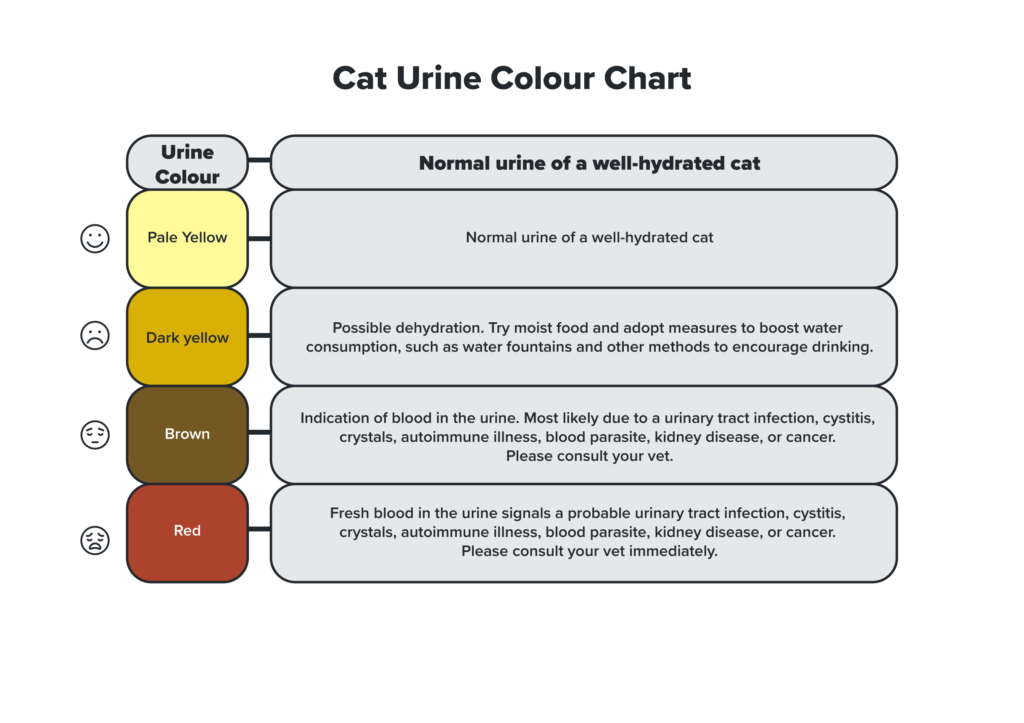
    This D.I.Y urinalysis test is not a substitute for professional medical tests, but using our cat pee colour chart could help you understand when you need to take your cat to the vet for a proper medical analysis. For an indication of what your cat’s urine should look like, check out the chart below:

    Cat Urine Colour Chart | Dotsure

    Cat urine colour chart table:

    Urine colour What it’s telling you
    Pale yellow Normal urine of a well-hydrated cat
    Dark yellow Possible dehydration. Try moist food and adopt measures to boost water consumption, such as water fountains and other methods to encourage drinking.
    Brown Indication of blood in the urine. Most likely due to a urinary tract infection, cystitis, crystals, autoimmune illness, blood parasite, kidney disease, or cancer. Please consult your vet.
    Red Fresh blood in the urine signals a probable urinary tract infection, cystitis, crystals, autoimmune illness, blood parasite, kidney disease, or cancer. Please consult your vet immediately.


    Other Frequently asked questions

    Is male cat pee the same colour as female cat pee?

    Yes, both female and male healthy cats will produce pale, yellow-coloured urine. Intact male cats may produce more concentrated urine.


    How can I tell if my cat has a UTI?

    Some of the common symptoms include:

    • Inability to urinate
    • Loss of bladder control
    • Urinating small amounts
    • Urinating more than usual or away from the litter box
    • Unusually stronger ammonia odour in urine
    • Murky or bloody urine
    • Drinking more water than usual.


    RELATED TOPICS:

    Why is my neutered cat urinating like that?

    Friends/family allergic to your pet? Here’s how to reduce the sneezing.

    Stunning looks. Expensive food bill. Pros and cons of Maine Coon cats.


    This blog is intended for informational purposes only and should in no way be regarded as a substitute for professional veterinary advice.

    Reference: Tyler, Ronald, Jr., DVM, MS. In-House Veterinary Pathology for the Busy Veterinary Practice – Clinical Urinalyses: Techniques and Interpretations. Southwest Veterinary Symposium 2016.


  • PAUPERIEN LIABILITY: THE DOG BITE LAW THAT COULD COME BACK TO BITE YOU

    PAUPERIEN LIABILITY: THE DOG BITE LAW THAT COULD COME BACK TO BITE YOU


    For most of us, our dogs are our children, and it is difficult to imagine that they can cause any harm.

    Unfortunately, dog bites can inflict serious injuries or even cause the death of a person or animal.

    Anybody who has suffered damages caused by a dog bite can use the pauperien action to claim the damages from the dog’s owner.

    It is important to understand that a dog owner can be liable to pay the damages that were caused by the dog, sometimes without the owner being at fault.


    What is pauperien liability?

    The actio de pauperie, which deals with damages caused by domesticated animals, has its origin in the ancient Roman law that was written around 450 BCE. That explains why we still use a Latin term for this legal principle. In essence, it provides a way in which a person who suffered harm caused by an animal can claim damages from the owner of that animal, even where the owner was not at fault.  Nowadays it is mostly used in dog bite cases.


    Requirements for a successful pauperien claim after a dog bite.

    For a claimant to be successful with the pauperien action, there are certain requirements.  These are:

    • The claimant can only use this action to claim damages from the owner of the animal and not from someone who just had control of the animal.
    • It must be a “domesticated” animal. It is no surprise that dogs and cats fall into this category, but tamed wild animals such as meerkats and even bees can be seen as domesticated.
    • The animal must act “against its nature”. Our courts interpret this as an animal that does not act in a decent and well-mannered way.   It is based on the “inward vice and excitement” of the animal.  Where an animal reacts to external stimuli, it is not seen to act against its nature.  The application of this is a grey area in our law.  In my opinion, there are situations where it would be natural for a dog to bite but where our courts do not regard it as natural behaviour.
    • Claimants can only claim if their presence at the place where the injury occurred was lawful. This means that a thief who was busy breaking into a property cannot claim damages, but the person who did a delivery when bitten can claim damages.


    Defences against a pauperien action if your dog bites someone.

    There are defences that dog owners can use against a claim under the pauperien action.  These are:

    • If the actions of the claimant caused the bite, the claimant will not be successful. For example, if the claimant pulled the dog’s tail, or kicked it, the action will not succeed.
    • Where a third party provoked the animal. This also includes provocation by another animal.
    • If the claimant voluntarily accepts the risk of injury. An example of this is where the owner has clearly visible signs up on the gate and fence to warn that there is an aggressive dog on the premises, and someone still chooses to enter despite the signs.

    Damages caused by dog bites can amount to millions of rands.  In a recent case in the Eastern Cape High Court in the matter of Cloete v Van Meyeren, Cloete claimed R2,4 million from Van Meyeren.  Van Meyeren was not home at the time of the incident, and it seems that an unknown person opened the gate, which allowed the dogs to get out and attack Cloete in the street.  The court ruled that Van Meyeren had to pay the damages.


    What can you do to protect yourself against such claims?

    Your dogs must always be kept securely on your property.  Always close your gates and keep them locked and make sure that anybody on your property understands the importance of this.  Make sure there are no areas where dogs can get out on their own.  If your dogs are aggressive, you must have warning signs up where people can see them and understand the danger.  It must be accompanied by a picture of an aggressive dog so that people will understand it regardless of the language they speak or if they can read or not.  If you want to take your dog to a park or public area, and you are scared that it may bite someone, always use a good quality muzzle on your dog.  Most importantly, make sure that you have personal liability insurance that will protect you in the unhappy event that your dog bites someone.


    Credentials: Dr Trudie Prinsloo is a qualified veterinarian and attorney. In 2015, she started Legalvet Services to provide legal advice to the animal health and veterinary industries in South Africa – and now she’s teamed up with us to tell us more about the dog bite law and the pauperien action. While Dr Prinsloo is a qualified attorney, she cannot give legal advice remotely. This blog is intended for informational purposes only and should in no way be regarded as a substitute for professional legal advice.

    Disclaimer: dotsure.co.za is not responsible or liable for any advice or any other information provided herein. If you have questions about pauperien liability, the best course of action is to consult an attorney.


  • THE 10 MOST CHALLENGING CARS TO STEAL

    THE 10 MOST CHALLENGING CARS TO STEAL


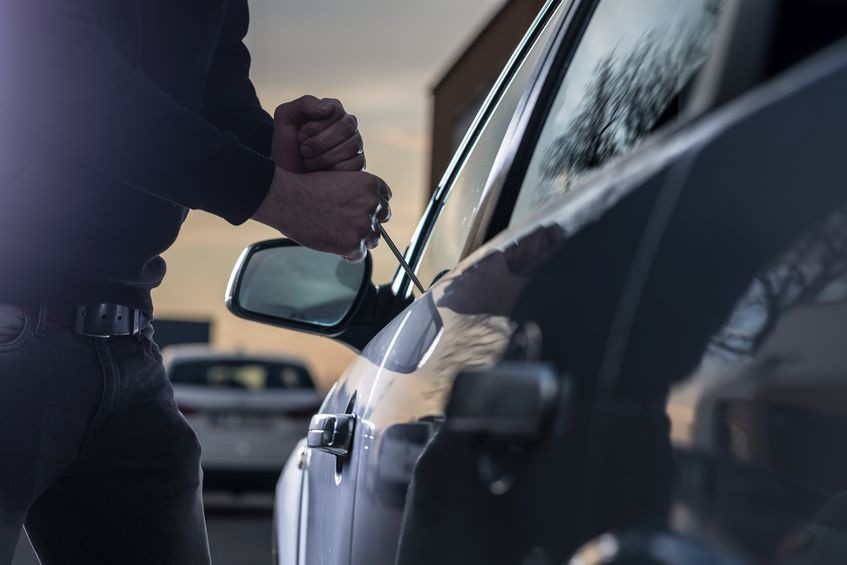
    We all want to be seen driving the latest and best cars the world offers (those we can afford, anyway). The trouble is – these beauties generate unwanted attention from the wrong crowds.

    According to StatsSA an estimated 64 000 incidences of hijackings occurred in 2020/21.

    If you live in SA, you’ve probably developed an extreme OCD when leaving your car in public places (double and triple-checking if your car is locked.).

    Well, if you’re upgrading your car and looking for an option that will help you live with less fear of losing your mechanical baby, we’ve got your back.


    The 10 most difficult cars to steal.

    Here’s our list of beautiful mechanical babies that are unattractive to carjackers. These cars are hard nuts to crack for car thieves.

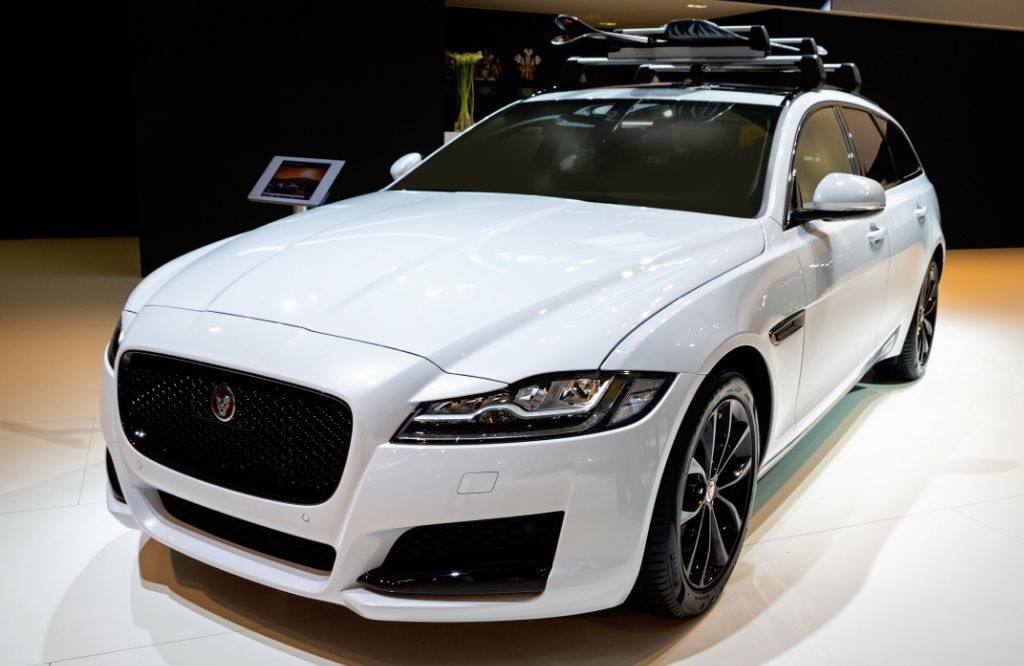
    Jaguar XF

    Hardest cars to steal | Jaguar XF | Dotsure The Jaguar XF can also be double-locked! You don’t know what that means, but you can tell it’s bad news for the bad guy. Well, once the car is double-locked, it cannot be unlocked or started. So even if criminals crack this nut, they won’t be able to get it going. It also has a clever In-Control App that can help the SAPS track and recover your car in the unlikely event it gets stolen.

     

    Tesla Model S

    Hardest cars to steal | Tesla Model S | Dotsure The Model S is one of the most secure electric cars you can buy in 2022. Its anti-theft features make it a carjacker’s nightmare. Tesla owners can use their smartphones to track the whereabouts of their vehicles. Even if the burglar has hacked the system and unplugged the tracker, the car would send a ping to Tesla HQ.
     

    Land Rover Discovery

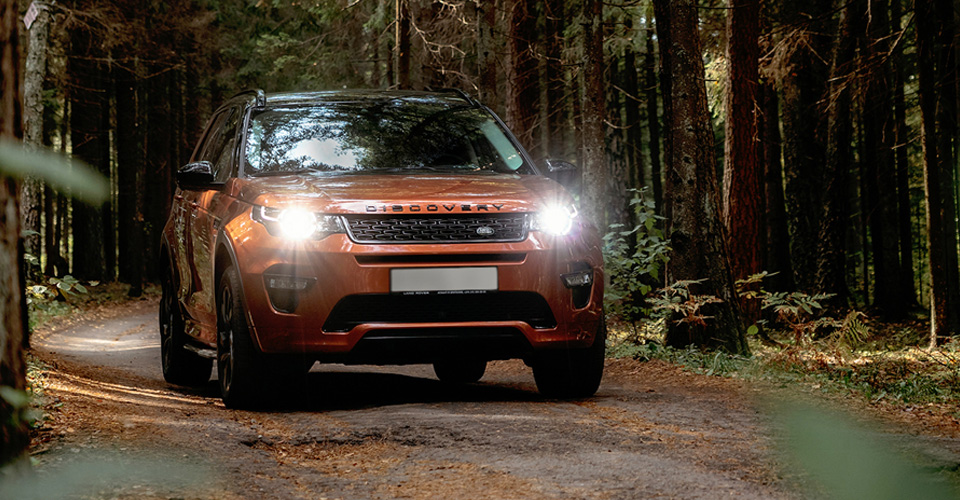
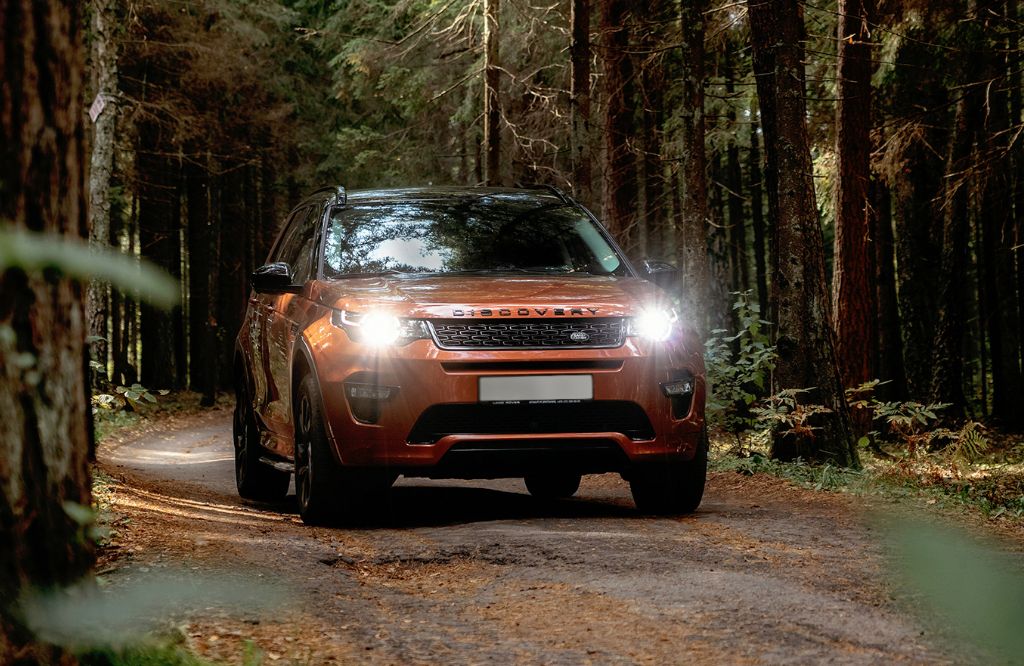
    Hardest cars to steal | Land Rover Discovery | Dotsure The Land Rover Discovery employs ultra-wide-band radio technology to broadcast the key’s signal across various frequencies. Therefore, the signal amplifiers or relay devices, commonly used by thieves, struggle to pick up the key’s signal, making this car harder to lockpick.
     

    Mercedes Benz GL 550 by TAC

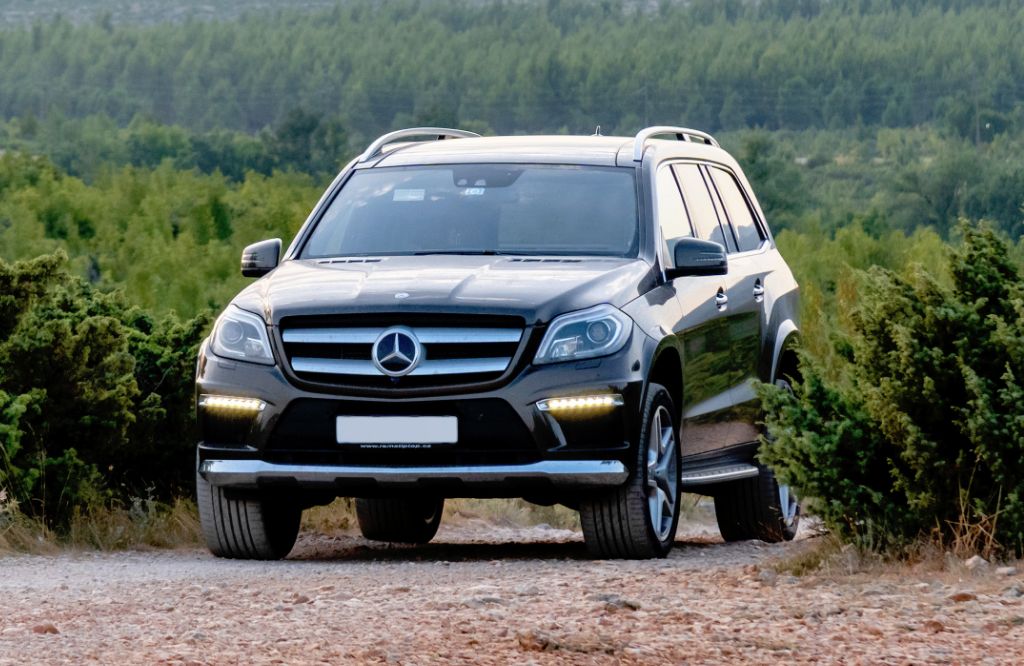
    Hardest cars to steal | Mercerdes GL 550 by TAC | Dotsure What do you look for in a safe, hard-to-steal car? You look for a car with steel. One that can bounce bullets off the windshield. You can drive away from danger without worrying about gun-toting and trigger-happy thieves in such a car. Well, that’s what this GL’s bulletproof exterior gives you.

     

    Mercedes-Benz G63 AMG By Inkas

    Hardest cars to steal | Mercedes G63 by Inkas | Dotsure Talk about an impenetrable fortress! Inkas’s version of the G63 is reinforced with bulletproof glass, powerful armour that can withstand shotgun shots and a bottom steel plate that can endure grenade explosions.
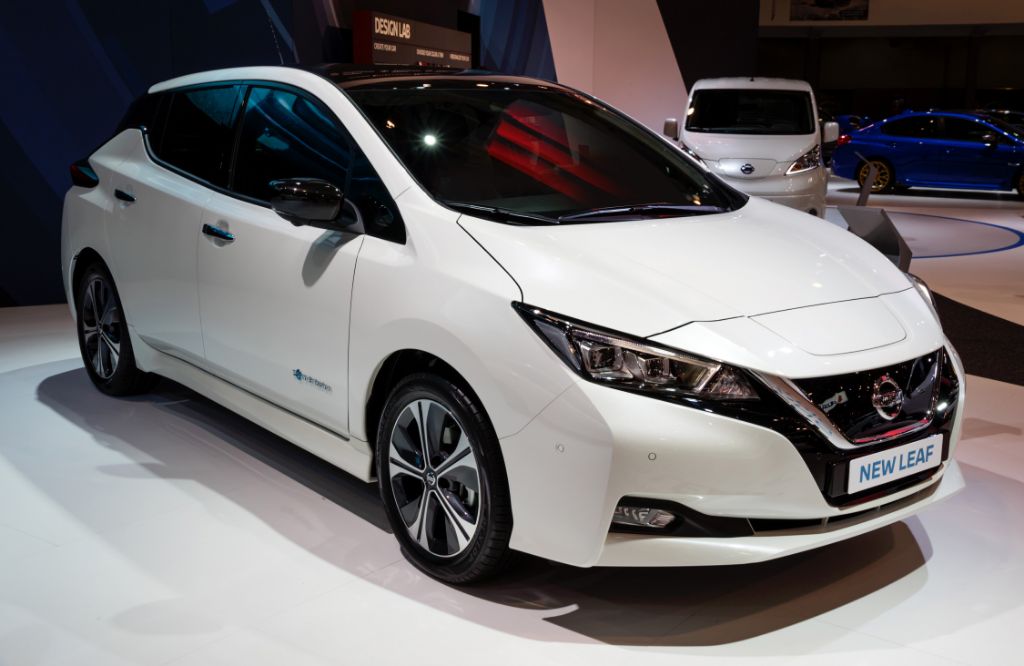
     

    Nissan Leaf

    Hardest cars to steal | Nissan Leaf | Dotsure Nissan turned a new safety leaf with this one! The Nissan Leaf will not start if the car key is not within range. If it is in neutral, it will not even move! A responsive GPS tracking technology can also help locate the car. The ordinary car thief leaves this one behind.
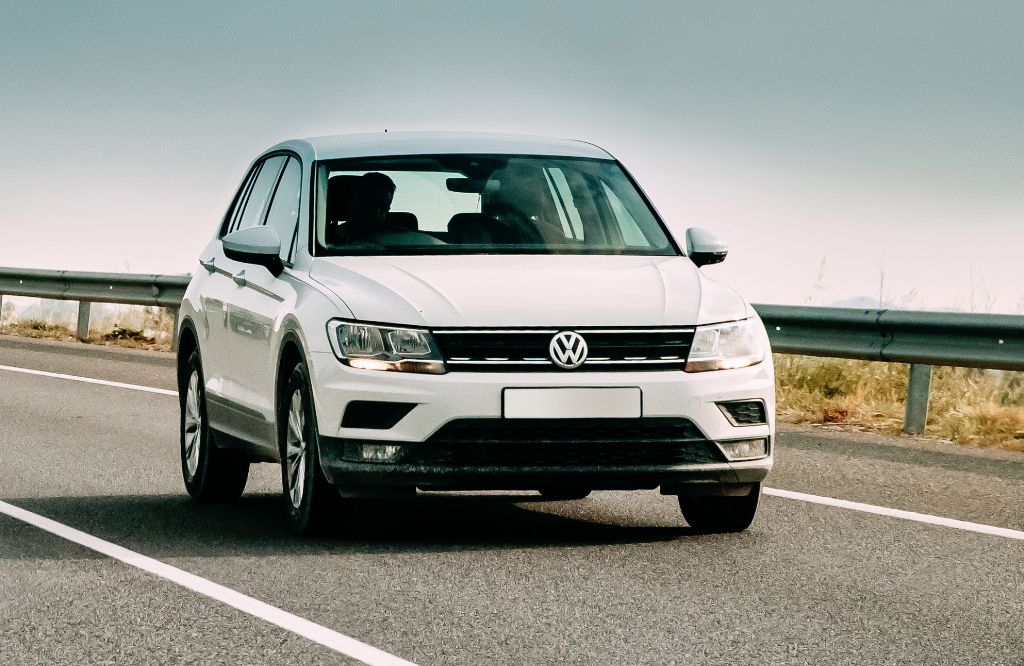
     

    Volkswagen Tiguan

    Hardest cars to steal | VW Tiguan | Dotsure There’s a reason the Volkswagen Tiguan has received several honours for being the safest car. Few cars have alarm systems that can compete. This car just will not start with a different key; forget it! It also sports a stolen-vehicle tracker that can assist in tracing the vehicle from your smartphone.
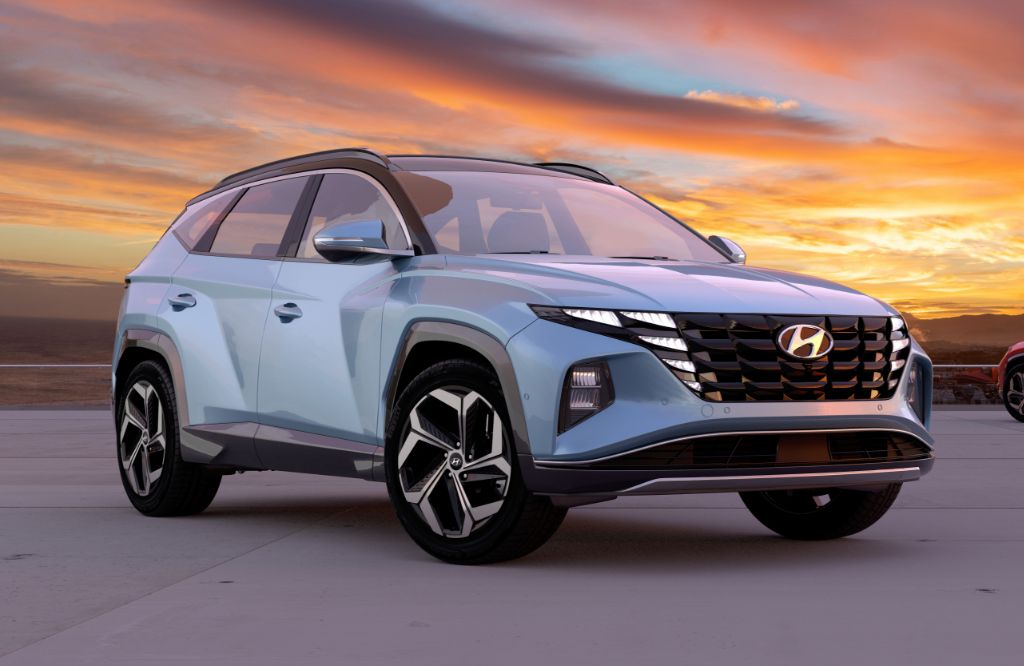
     

    Hyundai Tucson 

    Hardest cars to steal | Hyundai Tucson | Dotsure Although most vehicle critics rated the Hyundai Tucson’s engine performance as below average, the anti-theft system did not disappoint. Cutting the cables behind the horn is the easiest method to disable a car alarm, but the Tucson doesn’t make it so easy (you’d have better luck drawing blood from a stone than disconnecting the Tucson’s alarm system).
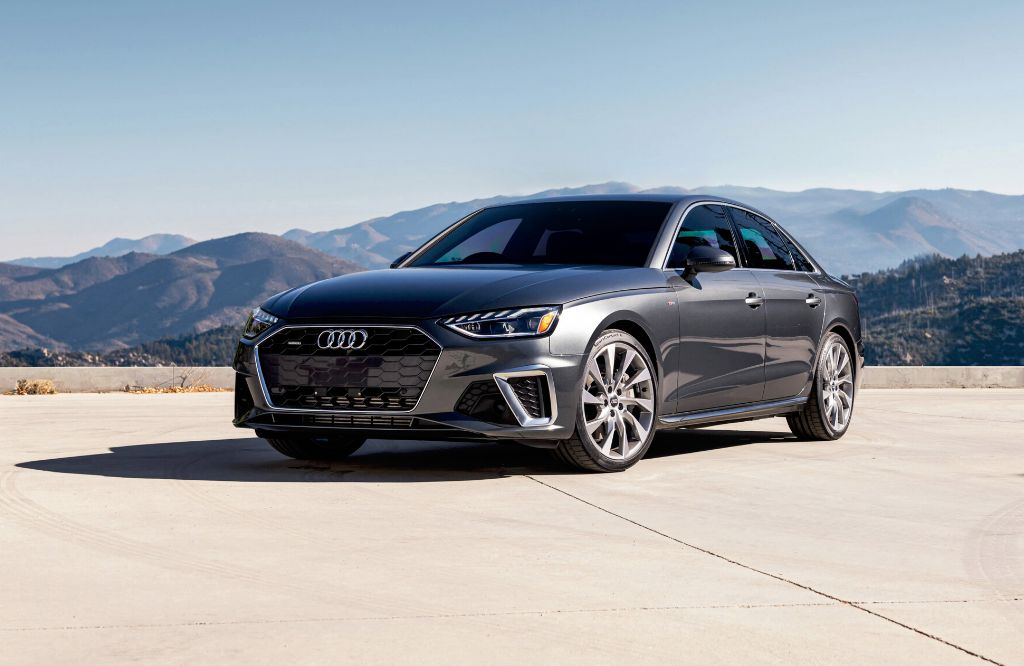
     

    Audi A4

    Hardest cars to steal | Audi A4 | Dotsure One of the notable security features of the Audi A4 is that the keys contain a chip that makes it more challenging to start with other devices. The keys include a chip that is programmed into the ECU.

     

    Tesla Model X 

    Hardest cars to steal | Tesla Model X | Dotsure Even though it is the less expensive sister of the Tesla S, the Model X has an equal level of protection. Aside from GPS monitoring, it offers a Sentry Mode that allows the vehicle to record its surroundings even when the engine is turned off.


     

  • DOG DNA TESTING: IS YOUR DOG WHAT THEY SAY IT IS?

    DOG DNA TESTING: IS YOUR DOG WHAT THEY SAY IT IS?


    Dr Trudie Prinsloo is a qualified veterinarian and attorney. In 2015, she started Legalvet Services to provide legal advice to the animal health and veterinary industries in South Africa and now she has teamed up with us to tell us more about dog DNA testing. While Dr Prinsloo is a qualified veterinarian, she cannot advise on genetic diseases and issues remotely. This blog is intended for informational purposes only and should in no way be regarded as a substitute for professional veterinary advice, diagnoses, or treatment plans.

    dotsure.co.za is not responsible or liable for any advice or any other information provided herein. If you have questions about your pet’s DNA or potential genetic diseases or issues, the best course of action is to consult your veterinarian as soon as possible.


    Dog DNA testing has become a fashionable thing! It is now possible to have your dog’s DNA tested, but it is possible to do it from the comfort of your couch. You can order a DNA test kit online, have it delivered to your house, take the sample yourself, return it to the laboratory, and wait for the results. When I first heard about these tests, the sceptic in me immediately thought it was just another moneymaking scam. But the more I investigated, the more excited and less sceptical I became. So, what can these tests tell us and how accurate are they?


    What does it mean to do a DNA test?

    DNA is the acronym for deoxyribonucleic acid (yes, it is difficult to pronounce, that’s why it’s just called DNA!), which is the genetic part of cells. After a sample is collected, the DNA can be examined in a laboratory to determine the genetic origin of the individual. It can also be used to identify any genetic disorders.


    The clever geneticists tell us that 99% of the genes in all dogs are the same, which is why they are dogs. It is just about a 1% difference in the genes that lead to the various characteristics of the different breeds and other individual traits seen in dogs.


    What information can we get from DNA testing?

    Different laboratories and companies offer different types of tests. Here are some of the tests on offer:

    • Breed identification determines if your pure-bred dog is as pure-bred as the breeder told you. It can help to identify the breed composition of a mixed breed dog.
    • Your dog’s family tree can be traced back to its great-grandparents on a breed level.
    • A relative match is a new service offered by one of the largest companies doing dog DNA testing in which they test against their database to identify any of your dog’s relatives on their database.
    • Evaluate any genetic health risks your dog may have, such as drug sensitivities, genetic eye diseases, or muscular disorders.
    • Evaluation of the gut biome of your dog can help you understand how the microbes in your dog’s gut affect its health.
    • Genetic age testing determines your dog’s genetic age by measuring the telomere length. This is a more accurate indication of how long your dog can live.


    Where can it be tested?

    Several local and international laboratories can do genetic testing. Not all laboratories offer the same tests. The type of tests you want to do and the reasons for testing will influence your choice of a laboratory. If you have a serious concern about genetic diseases, it will be best to work with your veterinarian and use their recommended laboratory. Such laboratories must be registered and accredited laboratories. But if you want to find out which breeds are in your mixed breed puppy’s DNA, you can choose any laboratory that offers the test. You can find local and international laboratories that offer dog DNA testing by doing a Bing or Google search.


    How are the samples collected?

    If you order a kit online to do the test at home, each test will give you clear instructions. It is surprisingly easy to do. The tests use saliva and involve either a swab or a small brush that is rubbed on the inside of the dog’s mouth between the gum and cheek. The most difficult part is usually getting your dog to stay still while you are collecting the sample. Depending on the specific kit, the sample is either placed in a transport medium and closed or dried and placed in an envelope. After sealing it, it is sent to the laboratory in a pre-addressed envelope.


    How accurate and reliable are these tests?

    The accuracy of the tests will differ between the different laboratories and amongst the different types of tests. The most popular test done by private owners is breed identification. Some laboratories have a reference database of more than 350 breeds, while others only have about 60 breeds in their database.

    The laboratory with the 350 breeds database will generally be able to provide more accurate results, but it is not always the case. For example, the Africanis, a locally recognised dog breed, is not found on any of the breed lists of the large international laboratories considered when we did research for this blog. If your dog is an Africanis or Africanis mix, results from those laboratories cannot be accurate. On the flip side, however, if the laboratory testing against 60 breeds would include the Africanis, it would be a far more accurate way to test an Africanis or Africanis mixed breed dog. Although comprehensive comparative studies could not be found, the anecdotal data suggests that the different laboratories usually identify at least the same dominant breeds in a mixed breed dog. Since identifying the breeds in a mixed breed dog is usually only done for our own information and as a bit of fun, the inaccuracies in these tests are harmless.

    As the databases of the laboratories increase, the accuracy of these tests should also continue to increase.


    The accuracy of testing for hereditary conditions is good, but the interpretation of those results is not always straightforward. Your veterinarian must be part of this process. One thing to remember is that even though a dog may carry a gene for a genetic disease, it does not mean it will be expressed.


    Should you get your dog’s DNA tested?

    DNA testing can be expensive, but there are situations where it can be very beneficial. One instance is if you or your veterinarian suspects a genetic disorder in your pet. Determining your dog’s genetic age can tell you if you need to improve your dog’s health habits. Knowledge of your dog’s gut biome can give you the necessary information to improve your dog’s health and increase its lifespan. Another reason to do DNA testing would be if you dispute the purity of a pure-bred dog that you bought or to determine who the father is. If you foresee a legal dispute, it would be prudent to involve your veterinarian from the beginning. Doing a breed identification of your mixed breed dog, may not be essential from a health perspective, but it can be a lot of fun. Let’s start using this technology to the advantage of our pets.

  • SA PET LAWS: HOW MANY ARE YOU BREAKING WITHOUT EVEN KNOWING IT?

    SA PET LAWS: HOW MANY ARE YOU BREAKING WITHOUT EVEN KNOWING IT?


    Dr Trudie Prinsloo is a qualified veterinarian and attorney. In 2015, she started Legalvet Services to provide legal advice to the animal health and veterinary industries in South Africa and now she has teamed up with us to tell us more about the South African laws relating to pets.

     dotsure.co.za is not responsible or liable for any advice or any other information provided herein.


    Would you be shocked to discover that you might be breaking the law? As a child (before the days of Google!) I believed that there was a book or a document in which all the laws were written down. Imagine my disappointment when I started studying law and discovered that it could not be further from the truth. The law is contained in numerous different sources such as legislation (acts and by-laws), common law (found mostly in textbooks), and case law.  And the law is always evolving, with new legislation and amendments to current legislation published continuously. All of this can make it difficult to always be a law-abiding citizen. In this article we will look at the most important laws relating to pets.


    National Legislation

    In South Africa we have different Acts that specifically deal with matters relating to animals. The best-known is the Animals Protection Act, No. 71 of 1962. Its main purpose is to deal with matters relating to animal cruelty. Since animal cruelty can come in many forms, this Act sets out the conduct that will be regarded as cruelty to animals. As pet lovers and dotsure.co.za clients, you will instinctively know what animal cruelty is, and it is very unlikely that you will be transgressing this Act. Some of the lesser-known offenses include setting animals free in a manner that will expose them to danger; abandonment of an animal by an owner; keeping animals in dirty or parasitic conditions; and failing to seek veterinary care for an animal when it is required.

    A more unfamiliar Act is the Animal Matters Amendment Act, No. 42 of 1993. This is the one that you may unknowingly transgress. The Act stipulates that any person whose negligence causes an animal to injure another person is guilty of an offense. The penalty can be either a fine or imprisonment of up to two years. For example, if you leave your gate open and your dog runs out and causes a person on a motorbike to fall and be injured, you could be guilty of an offense. If, in the above example, your neighbour came to visit you and was the one who left your gate open, your neighbour could be guilty.

    Most people think the Animal Diseases Act (No. 35 of 1984) is only relevant to livestock and their owners. However, it applies to all animals and animal owners. This Act deals with animal disease control. It places an onus on animal owners to prevent their animals from becoming infected with diseases and parasites. Owners must prevent the spread of diseases and provide the required treatment for their animals. Certain diseases that have potentially devastating consequences are listed as controlled diseases. The Regulations published in terms of the Act stipulate what actions should be taken for each controlled disease. Rabies is the only controlled disease with control measures specifically applicable to pets. It is required by law that all dogs and cats must be vaccinated against rabies at the age of three months, followed by another vaccination within twelve months. Thereafter they must be vaccinated every three years.

    Another Act that has national application is the Sectional Titles Schemes Management Act, No. 8 of 2011. The Prescribed Conduct Rules in the Sectional Titles Schemes Management Regulations apply to all persons residing in sectional title complexes. Anyone who wants to keep a pet in a sectional title complex must first get written consent from the trustees. If the trustees give consent to a person to keep a pet, they may also provide reasonable conditions for that. The trustees may even withdraw the consent if a person fails to adhere to the required conditions.


    By-laws

    By-laws are legislation made by the local authorities. This means that different municipal areas will have different by-laws. These laws deal with issues such as the management of public areas, noise control, and environmental management. Important aspects regarding the keeping of pets are contained in by-laws, but since we cannot consider each municipal area, I will discuss the general issues and provide some examples.

    The by-laws often contain restrictions regarding the number of cats and dogs that may be kept. Provision is often made according to the size of the property and where it is located. The City of Cape Town, for example, allows a family to keep between two to four dogs, depending on the size of the property. Up to six dogs may be kept on an agricultural property. If someone wants to keep more dogs, they have to apply for a permit. The Swartland Municipality, however, only allows two dogs on a property unless prior written permission is obtained. This could create a situation in which someone can break the law without realising it. For example, it would not be unreasonable for a dog owner who lives in Cape Town, where she is allowed to keep four dogs, to assume that she will be allowed to keep her dogs on a similar sized property in another town in the Western Cape. However, if she moves to the Swartland Municipality and does not get prior written permission from them, she will be breaking the law.

    By-laws also make provision for nuisances caused by pets such as barking or displaying other disturbing behaviours such as chasing cars. They may also determine that adequate fencing is a requirement for pet owners. Another aspect often regulated by by-laws is the removal of pet faeces, both in public places and on private properties. Some by-laws even require that people who walk their dog carry a sufficient number of plastic bags with them to pick up their dog’s poo!

    Other aspects that may also be regulated by by-laws include compulsory sterilisation of dogs and cats; how animals must be controlled in public spaces and on private properties; access to public parks; and the impounding of animals.

    Something that might surprise some readers is that the burial of pets on private properties is not allowed at all. Growing up (pre-Google, as I have already mentioned), our pets would be buried in the garden when they died. Not only is this against most of the by-laws now, but it is also in conflict with our national environmental laws.


    Common Law

    Common law is the oldest part of our law, and it is based on customs and court precedents. One common law principle that is relevant to pet owners is the doctrine of Actio de pauperie. In essence, this means that pet owners are strictly liable for damages caused by their pets, even if the owner was not at fault. There are a few valid defences to this, but in general, if your dog or cat causes harm to another person, whether it is through injury or damage to the other person’s property, you will be liable to compensate the person. This means that you should always take the necessary precautions to prevent such incidents.


    Best practices for pet owners

    While it may be difficult to keep up with all the laws, there are a few basic things you can do to ensure that you stay within the law as far as your pets are concerned.

    • Always find out what the applicable by-laws and sectional title rules are before you buy a new property or move to a new residence.
    • Make sure you adhere to these by-laws and rules.
    • Be aware of the aspects of pet ownership that are regulated by law as discussed here and read new articles and information to stay updated.
    • In most instances, your gut feeling will guide you to do the right thing, but if in doubt, ask an attorney or someone with legal knowledge for advice.


  • JUST CANCELLED YOUR CAR INSURANCE? WHAT COULD GO WRONG?

    JUST CANCELLED YOUR CAR INSURANCE? WHAT COULD GO WRONG?


    What could go wrong you ask? Well, everything! Even if you’re the most careful driver on the road, other drivers aren’t always so careful and could crash into your car. Your car is always at risk of being stolen or hijacked. The wise thing to do is to cut back on unnecessary costs or chat to your service provider about what options are available to reduce your premium, rather than just cancelling your cover.


    1. Murphy’s Law

    Thanks to Murphy, you’ll always need to claim, almost immediately after you have cancelled your car insurance. And that’s only the top of the long list of things that could go wrong.


    1. Times may be tough, but they’re also unpredictable

    Accidents do happen. So, what happens if you collide with somebody else? How will you pay for third-party claims against you? Insurance – that’s how!


    1. You could pay more on future premiums

    Cancelling your current insurance policy could affect your premiums in the future. Your insurance history counts, and it can affect your future insurance quotes. Someone with a 6-year history qualifies for a more affordable rate than someone with a 1-year history. Continuous cover history matters too, meaning that you may go back to a 0 to 1-year history if you decide to cancel your insurance for a few months.


    1. High-risk, low-reward

    If you stay insured and keep your claims to a minimum, you can build a low insurance-risk profile. Insurers love low-risk clients and reward them with better premiums. On the other hand, you could become a high-risk client if you keep cancelling your car insurance. Which means, insurers could charge you higher premiums.


    1. You could struggle to get cover again

    The more you cancel your vehicle insurance, the more high-risk you become. Some insurers could go as far as to decline your application if they consider you to be too high-risk.


    1. It could cost you more than you save

    If you are involved in an accident, you might be liable to pay for all damages (to your car and the other person’s) out of your own pocket. Future insurance quotes could be higher than what you are currently paying as well.


    1. You could be left paying for a car you don’t own

    Theft, fire, and hijacking are three events that can happen to anyone at any time. They’re often just a case of bad luck. You could lose your car and still owe the bank if your car isn’t paid-up.


    1. You could be found in breach of contract

    If your vehicle is financed by a bank, you could be in breach of contract. Almost every car financing agreement requires the owner to have a comprehensive car insurance policy while the outstanding amount is being paid off. If you cancel your car insurance, you could be violating the terms of your financing agreement and your mechanical baby may be repossessed.

  • DOG THEFT IN SA – WHAT TO KNOW?

    DOG THEFT IN SA – WHAT TO KNOW?


    Dr. Trudie Prinsloo is a qualified veterinarian and attorney. In 2015, she started Legalvet services to provide legal advice to the animal and veterinary industries in South Africa – and now she’s teamed up with us to tell you how to protect your dogs from getting stolen.

     This blog is intended for informational purposes only. dotsure.co.za is not responsible or liable for any advice or any other information provided herein.

    I wish that dog thefts were not “a thing,” and there was no need to write about it.  Unfortunately, it is a very ugly and real issue that highlights the dark side of humanity. As a dog owner, you know that dogs are so much more than just objects with financial value. They are sentient beings; we love them and interact with them as part of our family. Losing a dog is very traumatic, and losing a family must be traumatic for a dog too. Yet there is an increase in dog theft, not just in South Africa but in many countries across the world.


    Why do criminals steal dogs?

    Ironically, one of the reasons for the increase in dog theft is our love for them. Criminals have caught on to this and are exploiting it. We are willing to pay relatively large sums of money for a purebred dog or even a cute crossbreed puppy. This makes it a lucrative business for criminals. They steal intact dogs and use them as breeding dogs, steal entire litters of puppies to sell, and will even provide fake pedigrees if asked, and steal adult purebred dogs to resell.

    A new way criminals exploit our love for dogs is to kidnap a dog and then demand a ransom from the owner. This recently happened in Cape Town and the part that is almost just as upsetting as the “dognapping”, is that the police alleged that a crime was not committed!

    The most heart-breaking reason for dog theft is that dogs are stolen to be used for illegal dogfighting, either as bait or fighting dogs. The ugly truth is that it is common in South Africa.


    Tactics used to steal dogs.

    Dog thieves understand dog behaviour and use it to their advantage.  They can read a dog’s body language and know which dogs are friendly and easy targets. They use food as bait, or they will lure intact male dogs by using a bitch in oestrus. Dogs in public places, such as parks and beaches, that are not on a leash are easy targets and thieves can make a dog disappear in seconds. But they don’t just stop there. They will steal dogs from your property, even cutting open steel fences to get to a dog they really want.


    How to reduce the risk of your dog getting stolen?

    • Be aware of the problem and always remain vigilant. Criminals prey on easy and unsuspecting targets.
    • Do not take your dog’s leash off in public spaces and make sure that your dog is trained to return to you on a recall command.
    • Do not leave your dog unattended anywhere, not even for just a few minutes. This includes not leaving them in your car or tied-up outside a shop.
    • If someone else takes your dog for walks, make sure that person can take care of your dog in public places. Some dog walkers take multiple dogs for walks at the same time, making them easy targets for criminals.
    • Use social media very carefully. Posting about your new pedigree pup can be very tempting, but it could be seen by the wrong people. Also, be very careful about posting your location. Avoid providing any information that a criminal will find useful.
    • Secure your property well and do not view your dogs as guard dogs (unless they are specifically trained for that) but rather see them as the ones that need to be protected.
    • Sterilize your dogs. Not only are criminals more likely to steal intact dogs, but it is also easier for them to lure intact male dogs using a bitch in oestrus.
    • Let your dogs sleep inside your house at night. Although dog theft happens in broad daylight too, most crimes are committed at night. Letting your dogs sleep inside reduces the risk of theft substantially.
    • Make sure your dog is microchipped. This will not prevent theft, but it will help to identify your dog if it is found. It is also very helpful to always keep updated photos of your dog, especially showing unique identification features in case you ever need them.
    • Get a GPS tracker collar for your dog. These collars are now commercially available and although they might be removed from stollen dogs, it might not happen immediately and could assist in recovering your dog.


    Actions to take if your dog is stollen

    • Immediately post an alert and request for help on all the social media platforms that you are active on. Make sure that you have recent pictures of your pet that you can post. Make your post stand out to make sure people read it, take note, and forward it. Post follow ups until your dog is found.
    • Notify the SPCA and veterinary clinics in your area and make sure they have your dog’s pictures and microchip number. If your dog is not found, follow up regularly so that they know it has not been found yet.
    • Notify the microchip service provider.
    • Report the theft to the police.


    Can anything be done to decrease dog thefts?

    One of the biggest problems with dog thefts in South Africa is that it is not viewed as a serious crime.  And even if a criminal were to be successfully prosecuted, the penalties are minor.  In South African law, dogs are seen as property. There is no acknowledgment of the emotional bond shared between owners and animals. This means that it is a very low-risk, but high-reward crime. The situation in the UK is similar, but they have lobbied for more effective laws and penalties to deal with this problem and are about to pass these new laws. It is time to do the same in South Africa.

    As pet buyers, we should also be very careful who we buy our pets from. Make sure you buy purebred dogs only from a reputable breeder whom you can visit to see where and under which conditions the dogs are kept. Do not buy puppies from children in the street or any people selling puppies on the street. As tempting as this is, it only makes the problem worse. Such cases must be reported to the relevant SPCA and police station. Please report any other suspicious activities and individuals to the SPCA and police too.

  • WHICH CARS HAVE THE CHEAPEST (AND MOST EXPENSIVE) PARTS?

    WHICH CARS HAVE THE CHEAPEST (AND MOST EXPENSIVE) PARTS?


    Owning a car isn’t cheap. From monthly payments to fuel expenses to ongoing maintenance, you can expect to spend quite a few rands to keep your baby in good condition.

    However, some cars can be way more cost-effective than others – and we’re not just talking initial payment. When you factor in the costs of replacement parts, not all cars are created equally. Choosing a vehicle with more affordable parts can end up saving you big bucks, while some of them might end up costing more than you bargained for.

    The 2020 AA-Kinsey Report, a survey which details costing for parts on various popular vehicles sold in South Africa across nine categories, has grouped car parts in three areas – service (spark plugs, oil filters, brake pads); repair parts (cam belt, shocks, clutch plate, fan belt) and crash parts (fenders, doors, bonnets, rims, light clusters). Here are some of the cars which according to the report have the best-priced parts:

    City cars

    If you’re regularly zipping through traffic in the big city in one of these, you can rest assured that you’re getting bang for your buck.

    The Renault Kwid won this category with a total basket price of R62,990, followed by the Ford Figo at R63,866, and the Hyundai Atos coming in third at R66,189. The Ford Figo is particularly well-priced when it comes to repair parts, with this category costing R6,187.

    Family cars

    Bigger, more reliable… but less expensive!

    The Toyota Quest is the family favourite this year, with a total parts basket cost of R85,031 – though it has risen in price since it won this category in 2019. Up next is the Nissan Almera (R86,488), while Toyota’s Corolla hatch is third with a total of R131,294.

    Compact cars

    These top-class compact cars are easy on the eye, and easy on the wallet.

    The Mahindra KUV 100 is the winner at a price of R81,776. Second is the Haval H2 with its parts amounting to R93,860, while French favourite Citroen C3 Aircross comes third with a parts basket total of R102,249.

    Double cab bakkies

    You just can’t beat a bakkie. Especially not at these prices!

    The Ford Ranger XLT takes top spot here with a basket price of R79,796, followed by the GWM Steed 6, at R86,105. Third place goes to the robust classic Toyota Hilux at R90,189.

    Executive crossovers

    Although pricey in general, car lovers will be pleased to know that these manufacturers offer good value in the long run.

    The Volvo XC 60 takes the lead at an overall price of R242,070. In second is the Audi Q5 with an overall parts basket cost of R251,288, and third the Mercedes GLE at R328,211.

    So, there you have it. In Kinsey’s own words: “Motoring has become more expensive, certainly from a parts perspective, and the results for 2020 show that. Although there may be similar alternative parts from non-franchise outlets – the durability of which cannot be vouched for – prices for original equipment are rising.”

    Luckily, dotsure.co.za customers don’t need to stress too much about the cost of car part replacements. Our robust Silver, Gold and Platinum Motor Warranty plans cover mechanical repairs and replacements – without the hassle.* Get a free online quote in under 3 minutes today.

    *T&Cs and certain exclusions may apply and can be obtained by emailing u2us@dotsure.co.za. Risk profile and policy dependent. Price and cover limits subject to change and dependent on plan selection. All Motor Warranty plans provide cover for the same components, up to different limits.

  • 5 THINGS ONLY SOUTH AFRICAN DRIVERS DO

    5 THINGS ONLY SOUTH AFRICAN DRIVERS DO


    Every South African knows we have our own special way of doing things – we say “shame” to cute babies, “now now” when we mean “just now” and “howzit” to say hello; but did you know we’re also unique when it comes to our driving habits?

    Here are the top 5 driving habits that South Africans have. How many can you spot in yourself?

    1. Use our hazards to say ‘thank you’

    Hazard lights are used to alert other drivers if you’re stopping or slowing down without warning, but did you know that you technically aren’t supposed to use your hazards for anything except an emergency?

    Apart from South Africa, Japanese drivers also use their hazards to be courteous to other drivers, but the practice isn’t well-known in most countries – so if you’re the designated driver while travelling in another country, think twice before using your hazards and confusing the locals.

    2. Flash our lights to warn about a roadblock

    It’s an age-old South African tradition to warn oncoming motorists about a roadblock by flashing your headlights at them, and it’s helped countless South Africans adjust their speed and save themselves a fine.

    While it’s almost impossible for law officials to control whether a driver flashes their lights to warn someone, if a traffic officer spots you, you can receive a fine. Maybe.

    According to court decisions on the matter, there have been conflicting judgements.

    Here’s the first judgement:

    “If a motorist warns other motorists of the presence of a speed trap by flashing his lights, he interferes with the due administration of justice. According to the decision in Naidoo [1777 2 SA 123 (N)], the motorist commits an attempt to defeat the course of justice. 

    And the second judgement, which says the complete opposite:

    However, in S v Perera [1978 3 SA 523 (T)] in which the facts were materially the same, it was held that the person committing the act will only be guilty if he has reason to believe that the vehicle approaching him is exceeding the speed limit, or that the driver of this vehicle has the intention of exceeding the speed limit. In as far as these two decisions are irreconcilable it is submitted that the latter should be followed. This type of conduct is in effect nothing more than a warning to others to obey the law

    So what’s the truth – can you actually be fined for flashing an oncoming motorist to warn about a roadblock or speed trap?

    Howard Dembovsky, the National Chairman of the Justice Project South Africa, says, “Flashing your lights at oncoming motorists to warn them of a speed trap ahead is not specifically illegal. Those law enforcement authorities [using “defeating the ends of justice” as justification] have found themselves getting sued for unlawful arrest.”

    3. Never leave space between your car and the car in front of you

    According to a social media post that went viral a couple of years ago, the rule around leaving a safe space in South Africa is:

    “Under no circumstance should you leave a safe distance between you and the car in front of you, this space will be filled by at least 2 taxis and a BMW, putting you in an even more dangerous situation.”

    While we encourage motorists to drive safely and follow the rules of the road, it’s always possible that the gap will be filled by drivers you never intended to let cut in front of you. That’s just life in South Africa!

    4. Call traffic lights ‘robots’

    Legend has it that before we had traffic lights in South Africa, the police used to control traffic intersections with their hands (as they still do when traffic lights aren’t working).

    When the police were replaced by traffic lights, it created the impression that a human job was replaced by machines – hence the name ‘robot’!

    Do you know a different story about why we call traffic lights ‘robots’? Let us know on our Facebook page!

    5. Keep coins in our car

    Did you know that car guards are unique to Southern Africa, which includes South Africa, Egypt, Mozambique, and Namibia?

    According to the research paper The Car Guards of Cape Town: A Public Good Analysis, high unemployment in South Africa means that the informal market absorbs the excess supply of labour and, as of 2012, almost 16% of the informal sector was employed as car guards. With the unemployment rate in South Africa increasing over the years, it’s likely that in 2021 even more of the informal labour sector is made up of car guards.

    A study done by Business Insider in 2019 showed that most drivers tip car guards anywhere between R2 and R10, which means that South African drivers tend to keep smaller coins and notes in their cars for easy access to tip car guards.

    But what will happen to car guards now that the country is increasingly moving towards digital payments?

    A new system called TiPPED allows drivers to tip their car guards – at no additional fee – either through a QR code or even your online banking app. Pretty innovative, huh?

    Another uniquely South African product? dotsure.co.za Name Your Price™ car insurance! Get insurance you can trust at a price you can choose by switching on and off cover limitations as you need them. Get a free online quote in under 5 minutes today.

  • THE HOUSE RULES FOR KEEPING PETS IN COMPLEXES

    THE HOUSE RULES FOR KEEPING PETS IN COMPLEXES


    A recent news headline announced that a new ruling found that body corporates in sectional titles can’t discriminate between cats and dogs.

    A woman in a Centurion, Gauteng, complex approached the Community Schemes Ombud Service (CSOS) when she was barred from getting a kitten in a complex that allowed dogs. According to the CSOS, the cat ban was unreasonable and discriminated against not only cats, but cat-loving pet owners.

    Marina Constas, a specialist sectional title attorney and director of BBM Law, says that this award isn’t legally binding and doesn’t set a precedent for all owners across the country – so each application to have pets would still need to be determined on a case-by-case basis.

    We spoke to Dr. Trudie Prinsloo, veterinarian and owner of LegalVet, to determine what pet owners in sectional titles can do if their pet application is rejected and whether trustees can force pet owners to get rid of their pets.

    What regulations govern pet ownership in sectional titles?

    The Prescribed Conduct Rules in the Sectional Titles Schemes Management Regulations (published in terms of the Sectional Titles Schemes Management Act, No. 8 of 2011) have been developed for this, and they apply to all persons residing in sectional title complexes.

    Trustees of a body corporate may change these rules and register their own rules, but there are strict conditions that they must adhere to when doing that.

    The Prescribed Conduct Rules determines that anyone who wants to keep a pet in a sectional title complex must first get written consent from the trustees.  If the trustees give consent to keep a pet, they may also provide reasonable conditions for that. The Rules also stipulates that the trustees may withdraw the consent if a person fails to adhere to the required conditions.

    What if the trustees of the body corporate reject your pet application?

    The Prescribed Conduct Rules specifically stipulate that the trustees may not unreasonably withhold consent.

    In the case of Body Corporate of The Laguna Ridge Scheme No 152/1987 v Dorse 1999 (2) SA 512 (D), the Court held that the body corporate could not reject a request based on a general policy, but that the trustees of the body corporate had to consider the merits of each application individually.

    If your request to keep a pet is rejected and you feel that it has been done without good reason, you can approach the CSOS or a court of law in relevant circumstances.

    What about assistance animals for people with disabilities?

    There is a special provision in the Prescribed Conduct Rules for people with disabilities that reasonably require the help of a service pet.

    Such people can assume that they have the trustees’ consent to keep the pet. It is unlikely that assumed consent will be withdrawn unless the pet is an extreme nuisance to other occupants of the scheme.

    Can the body corporate force you to get rid of your pet if it misbehaves?

    Trustees may withdraw the consent if the conditions on which consent was given are breached.

    It is a general principle that nuisance to other residents must always be avoided. If your pet is a nuisance to other people, the body corporate will be within their right to revoke the consent.  However, consent may not be withdrawn unreasonably.

    It must first be established that there was indeed a breach of the conditions. An owner must then be given notice of the breach and must be allowed to correct the situation. If that is not done, proper procedures must be followed before the consent is officially withdrawn. An owner must be given written notice of the withdrawal of the consent. Furthermore, the owner must be given reasonable time to make alternative arrangements for the pet.

    If an owner refuses to remove a pet after the consent has been withdrawn, the body corporate may not remove the pet themselves but must approach the CSOS and declare a dispute against the owner. Owners who feel that the withdrawal of the consent was unreasonable may also approach the CSOS or a court of law.

    Can your body corporate force you to get rid of your pet if the complex rules changes?

    The body corporate may amend, add to, or change its rules, but it must be done within the Sectional Titles Schemes Management Act and Regulations requirements.

    If the amendment is successfully registered, it will apply to all future owners and applications to keep pets. It would likely be seen as unreasonable to withdraw existing consents without any breaches of the existing conditions.

    If the body corporate does withdraw existing consents, owners should approach the CSOS for assistance.

    Who can you approach if you feel aggrieved by the body corporate ruling?

    The body corporate trustees must always act within the law and specifically the Sectional Titles Schemes Management Act and Regulations.

    If they do not adhere to that, an aggrieved person can approach the CSOS, or in very serious cases where it is merited, a court of law can be approached. There have been several cases where individuals have been successful in their actions against the trustees of body corporates both at the CSOS and in our courts.

    However, litigation is expensive, and even though the CSOS is a far cheaper alternative, these disputes usually cause anguish and stress for everyone involved. It is far better to avoid this.

    If you own a pet and consider moving to a sectional title complex, please make sure that you know the rules of the complex and make sure that you will be able to comply with the conditions before you sign a contract.

  • DOG LOVERS: KEEN TO ADOPT A LABRADOODLE?

    DOG LOVERS: KEEN TO ADOPT A LABRADOODLE?


    Although Labradoodles can now be found posing on Instagram influencers’ glossy social media pages, the breed was originally created with a noble cause – to be a hypoallergenic guide dog.

    While most Labradoodles share a range of common traits, there is currently no ‘standard’ like there is with purebred dogs because they’re a hybrid breed of a Labrador and Poodle. Their coats can range from woolly to fleece to hair, and their sizes can range from miniature to medium to standard.

    If you’re thinking about adopting one of these super-trendy pups, keep in mind that there’s more to them than meets the eye (or the Instagram page).

    Labradoodle influencers you need to follow

    One of the reasons Labradoodles are so popular is their online presence. Social media has a massive effect on trends – even when it comes to dog breeds – and, while you shouldn’t be influenced to choose a dog breed based on what looks good in photos, Labradoodles sure are photogenic!

    Is a Labradoodle right for you?

    Poodles are known as one of the smartest breeds in the world, and Labradors are known as one of the friendliest – so it’s no surprise that the outcome of crossing these breeds is a result that experts call sociable, friendly, smart, and affectionate.

    One of the most appealing things about Labradoodles is the fact that they are considered hypoallergenic.

    This doesn’t mean their fur is any different to other dogs, but it does mean that they shed very little (if at all), but if you or someone you live with has serious dog allergies, even a hypoallergenic breed might be too much for them to handle.

    Like all dogs, Labradoodles require regular exercise and a healthy diet.

    They’re considered high energy and playful but have a tendency to gain weight (it must be those Labrador genetics!) so, although they’re able to adapt to apartment living, they should ideally have a garden to run around in between walks.

    Labradoodle health issues

    Like many mixed breeds, Labradoodles are relatively healthy and don’t suffer from many of the common genetic health issues in purebred dogs.

    Labradoodles have a life expectancy of 12 – 16 years, and the most common health issues they present with are hip dysplasia, congenital eye disease, and Addison’s Disease.

    Luckily, with comprehensive pet insurance like the plans offered by dotsure.co.za, you can ensure your Labradoodle stays healthy and happy from only R77 per month.

    Finding a Labradoodle in your area

    Finding a Labradoodle in South Africa can be tricky.

    Because they’re not an official breed, they can’t be sold by accredited breeders who belong to recognized organisations like KUSA (Kennel Club South Africa) – and you never want to go through a breeder who isn’t part of a regulatory organisation.

    When it comes to adopting, you may have a hard time finding this hybrid breed: Because they’re so difficult to find in the first place, the pet parents who do find them are unlikely to give them up to a shelter.

    At dotsure.co.za, we support Adopt Don’t Shop, so if your heart is set on finding a Labradoodle, we recommend making it known to shelters in your area or searching for breed-specific shelters.

    It may take longer than you hoped to find your perfect pup, but there’s nothing quite as heart-warming as giving a needy dog a good home.

    Protect your fur family with pet insurance that covers illnesses, accidents, vaccines, worm treatment, dental check-ups and more*! Get a FREE online quote in under 5 minutes from dotsure.co.za.

    *Dependent on your plan selection. T&Cs apply.

  • SA’S BEST GUARD DOG BREEDS

    SA’S BEST GUARD DOG BREEDS


    This guest post was provided by World Dog Finder.

     Through interesting articles and daily fun facts, WorldDogFinder.com provides education for breeders, animal shelters and new dog owners to that everybody who is lucky enough to live with a dog is well informed about what to expect, what to do, and what not to do in order to keep your best buddy happy, healthy and safe.

    Guard dogs have played a vital role in human history: We’ve used them for personal protection, war, and livestock protection for thousands of years, and these dogs have proven their worth many times over.

    According to Stats SA, there were 1,2 million instances of house break-ins in South Africa in 2019/2020. Statistics have shown that homes with large guard dogs are less likely to be broken into, and guard dogs are the best for the job. These dogs should be large and powerful, which will make them efficient at their work, but they might be harder to handle and train, especially if you’re an inexperienced dog owner.

    Needs of a guard dog

    Keep in mind that having a guard dog will have its advantages as well as disadvantages. You might get a personal protector that will ease your mind or protect your livestock from predators, but they are also often large and need plenty of protein-rich food – so keep in mind that the amount they can eat can become rather expensive.

    These dogs will require plenty of space and quite a bit of training. New and inexperienced owners should start learning about handling large guard dogs as soon as possible because mishandled dogs can and most likely will develop behavioral problems.

    Not all dog breeds are available worldwide, nor could they all endure the warm climate of South Africa. If you are looking to get a powerful, loyal guard dog, here’s a list of the best guard dog breeds in South Africa.

    1. Boerboel

     The Boerboel is a South African dog breed that was specifically developed with guarding in mind.

    This is an impressive breed and certainly one of the best guarding breeds in the world. These dogs are fiercely loyal to their owners and will stop at nothing if they feel their family is endangered.

    2. German Shepherd

    German Shepherds are one of the best service dogs in the world, and there is a good reason behind it. These dogs are loyal, obedient, intelligent, and capable of performing complicated tasks and commands.

    They are a natural herding breed that has a “built-in” guarding instinct. German Shepherds make excellent guard dogs and pets; it is up to you to raise them in a way that suits your lifestyle, needs, and family.

    3. Rottweiler

    Rottweilers are an elegant, strong, protective breed – but they are not suited to owners that don’t know how to handle them.

    They are territorial and will not tolerate anybody crossing their territory if they weren’t invited by their owners. Rotties are also relatively smart, and if you know how to handle them, they can be a rewarding breed to have.

    They love their owners and are loyal to their families. However, dogs that are not adequately handled might develop behavioral problems – usually the fault of an irresponsible owner.

    4. American Pit Bull Terrier

    To some people, Pit Bulls have quite a negative reputation, but the truth is, these dogs can make excellent pets and loyal guard dogs.

    Pit Bulls are terriers, and that means they need to be properly exercised and trained. It is impossible to expect an untrained dog to know how they should behave. These dogs are smart, hard-working, and territorial.

    They will make wonderful guardians if they are treated right, and their owner invests time in their training and development.

    5. Giant Schnauzer

    The Giant Schnauzer is the largest member of the Schnauzer family.

    This breed is over 400 years old and has been used throughout history for various guarding duties. These dogs are intelligent, hard-working, and very energetic – so make sure you can provide them with plenty of activities while they are off their guarding duty.

    Getting a guard dog

    Getting and training a guard dog isn’t a simple task. Don’t only focus on what the dog will you for you; think about what you need to provide for your dog.

    They need exercise, space, plenty of nutrient-rich food, training, and of course, love. Dog ownership is a two-way street, and you’ll get out of the relationship as much as you put into it.

    Want to know more about the best guard dog breeds, not just in South Africa but in the world? If you’re interested in reading more, check out this article – Best Guard Dog Breeds.


  • WHAT YOU NEED TO KNOW ABOUT CHAINING YOUR DOG

    WHAT YOU NEED TO KNOW ABOUT CHAINING YOUR DOG


    Dr. Trudie Prinsloo is a qualified veterinarian and lawyer. In 2015, she started Legalvet services in order to provide legal advice to the animal and veterinary industries in South Africa.

    We’ve teamed up with her to get insight into unique situations that only someone with her specialized experience and knowledge can answer.

    This month, we asked Dr. Prinsloo to give us the lowdown on whether it’s safe to chain your dog.

    Dogs are social animals, so it is natural for them to form close bonds with other dogs.  They have been bred as companion animals, with a natural tendency to seek human company and interaction.  Depriving a dog from socialization and human companionship by keeping it on a chain or rope over prolonged periods will lead to behavioral problems and is cruel.

    Owners have a duty to control their dogs and ensure that they do not cause harm to other people or animals. The best way to do that is to keep them on a securely fenced, or walled, property.  Unfortunately, it is not always possible and therefore the action of tethering (chaining or roping) a dog is not illegal by itself.

    Although it is not illegal to chain a dog, the way in which it is done is important.  It will be a criminal offence in terms of the Animals Protection Act 71 of 1962 (“the Act”) if an animal is chained, secured or confined when it is not necessary to do so, or if it causes the animal to suffer in any way.

    Apart from that, if the chaining prevents the dog from having access to food and water, or causes it to be forced to stay in unhygienic conditions, these will be further punishable offences.  A person found guilty of these offences will either be fined or can be imprisoned.

    If you have no other choice and must chain your dog, follow these guidelines to ensure you do it safely:

    • Only do it if there is human supervision or let someone check on the dog very regularly.
    • Ensure that the dog cannot get caught on any object or jump over something in such a way that it may cause the dog to suffocate or get stuck on a very short chain.
    • The chain or rope must not be too tight and make sure it is adjusted as the animal grows.
    • Take the dog for daily walks and allow it some free time off the chain.
    • Provide a place for the dog to be sheltered from heat, cold, and other forms of extreme weather at all times.
    • Fresh drinking water must always be available. Do not put it in a bowl that can easily be knocked over.
    • Provide enough food.
    • Give the dog something to play with to alleviate boredom.
    • Find a better way to confine the dog as soon as possible, such as putting up a proper fence.
    • Give the dog lots of attention and love!


  • WHAT DOES THE LAW SAY ABOUT PIMPING YOUR RIDE?

    WHAT DOES THE LAW SAY ABOUT PIMPING YOUR RIDE?


    Many of us are old enough to remember the days of MTV’s Pimp My Ride, where West Coast Customs and Xzibit upgraded contestants’ cars with everything from chandeliers to chocolate fountains to popcorn machines (yes, really).

    If you’re too young to have gotten a taste of this pop culture delicacy, don’t worry – Pimp My Ride culture still lives on through matte wraps, tinted windows, and spoilers of all sizes.

    But, before you blow your December bonus on extras for your ride, did you know some car modifications aren’t just illegal in South Africa – they may also put your insurance at risk?

    Read on to find out what the SA law (and dotsure.co.za Car Insurance) says about car modifications.

    What counts as pimping your ride?

    According to Arrive Alive, “It can be described as bringing about changes to the original vehicle parameter standards with a view, largely of enhancing a vehicle’s performance in fuel consumption, load capacity, cosmetic trim, or top speed runs”. Generally speaking, alterations wouldn’t necessarily affect the performance of the vehicle, whereas modifications would.

    Make sure your ride is on the right side of the tracks.

    “The National Road Traffic Act 93 of 1996 isn’t very specific about which modifications are indeed illegal or not. But, before you take your car in for an extreme makeover, you have to ask yourself if it will still be roadworthy and if it might endanger other drivers”, says Advocate Jackie Nagtegaal, Managing Director at Law For All. If your car’s not roadworthy, you need to remove the fancy extras from your vehicle.

    If you’re still confused, follow this list by Arrive Alive to drive you in the right direction.

    The following modifications are illegal:

    1. Speed enhancements like Nitrous Oxide Cylinders.
    2. Dangerously lowering the car’s suspension, which increases the risk of spinning out of control.
    3. Fitting larger wheels that might compromise control and handling.
    4. Installing a bigger engine that may wear tyres. Bigger isn’t always better!
    5. DIY suspension changes that compromise handling.
    6. Custom number plates with vulgar language or that include symbols such as (%, &,@ or $).
    7. Installing sound systems that may disrupt the peace.

    Does your dotsure.co.za car policy cover modifications?

    Yes, we do cover modifications if it’s specified and noted in your policy. The modifications include non-standard accessories like bigger rims, tyres, sound systems and tinted windows. You can select non-standard accessories and provide proof to receive cover for it. You will, however, be responsible for the excess stated in the schedule for every loss.

    Did you know?

    You can visit the 24/7 dotsure.co.za Manage Portal to add or remove non-standard accessories to your car insurance policy.

  • BECOME A VOLUNTEER TODAY

    BECOME A VOLUNTEER TODAY


    Is there anything better than playing with puppies and dogs all day?

    The short answer is no.

    The long answer is no, and even science backs it up! Studies regularly show that playing with animals can help lower stress levels and increase your heart health.

    If you’re interested in doing your part to help animals, considering volunteering at one of these caring animal welfare organisations.

    Animal Anti-Cruelty League, countrywide (AACL)

    One of our favourite animal welfare organisations, and a long-time recipient of our ongoing support for vulnerable animals. We’ve donated over R300,000 to pets in need during lockdown and the AACL was the main recipient.

    They protect and find homes for pets all over South Africa and welcome support in the form of your valuable, animal-loving time. If you’re in or near Johannesburg, Cape Town, Durban, Port Elizabeth, Ladysmith or Bredasdorp, they need you!

    Click here to volunteer with AACL.

    TEARS™ Animal Rescue, Western Cape

    Tuned in, compassionate and understanding, TEARS has been active on the Cape Town peninsula for 20 years. Visit their Sunnydale premises in the Mother City to see how well they run their cat- and dog-loving centres. You can help by offering your time to cuddle and care for adorable, deserving cats and dogs awaiting adoption, by fostering one or more of them, or even by helping with gardening duties.

    Gift your time and skills as a TEARS animal shelter volunteer here

    Mazarat Animal Rescue, KZN

    This organisation operates out of boarding kennels on Mazarat Farm and would love your support. They describe themselves as a “pro quality of life, safe haven for rescue animals, that endeavours to rescue, rehabilitate, sterilize and rehome rescued, abandoned and surrendered dogs and cats.”

    They educate kids about pet care and sterilisation in local schools, and offer reduced-rate veterinary services to pets with financially disadvantaged humans throughout the year. If you’re near the Waterfall area (just outside Pinetown), get in touch.

    Get in touch to volunteer here.

    Wetnose Animal Rescue Centre, Gauteng

    This no-kill shelter will not put down animals who aren’t adopted – so some of the pets awaiting adoption may live there for a long time. This means your visits count even more for their wellbeing. If you’re a PTA or JHB resident, bring your love and cuddles to their 600+ dogs and cats in the Bronkhorstspruit area.

    Join the Wetnose volunteer crew here.

    What to expect

    Most organisations will register you online, ask a few preliminary questions about your skills and experience, offer an in-person orientation session or training to qualify you as a volunteer and then add you to their team of engaged and caring humans who actively make a difference to deserving, homeless pets. Who knows, you may fall in love with one of their furry friends and adopt!

    Who else will be there

    Along with the organisers, potential pet parents, workers, and other volunteers, you might be surprised to run into shelter vets.

    “Shelter medicine is a field of veterinary medicine that combines individual animal health care with the needs of the [animal] population,” explains the SPCA. “Shelter medicine is an exciting, growing field that is now being taught in many veterinary schools,” with the goal of improving the health and well-being of animals in shelters

    ASPCA Pro highlights that the primary goal of shelter medicine is to prevent disease rather than just treat it, as treatment is time-consuming, costly, and often results in prolonged pain and suffering.

    Some of the key aspects of shelter medicine include:

    • Infectious disease management and prevention.
    • Population management and animal welfare.
    • Medical, surgical and emergency care.
    • Caring for and providing documentation for animals who are part of cruelty cases.
    • Shelter facility design.
    • Clinical behaviour.
    • Community programs and working with community veterinarians to share information.

    ASPCA Pro finishes, “Shelter medicine must balance the physical and behavioural needs of the individual animal with the overall health of the herd without jeopardizing the welfare of either one.”

    In this way, it differs to private veterinary practice. In a private practice, a vet puts your pet’s needs first and foremost (and we help you pay for it).

    Need to cover your pet? We offer competitive cover at a price you pick. What’s more, each new policy helps us support shelter animals on your behalf at no extra cost to you. Chat to us about how you can Name Your Price™ for pet insurance that really cares today.


  • 5 MENTAL HACKS TO HELP YOU ACE YOUR NEXT INTERVIEW

    5 MENTAL HACKS TO HELP YOU ACE YOUR NEXT INTERVIEW


    It’s time for change. Or an upgrade. Whichever way you approach your career, it’s going to involve interviews — a lot of them!

    At the moment, those will probably be screen-to-screen video chats. By “chats” we mean an uncomfortably deep psychological survey of your education, skills, personality, career, and future. In a short space of time. By someone who has countless more candidates to get through.

    Stressed? Don’t be! Beyond power dressing and knowing your work history, skills, and achievements, (and the prospective company’s as well!) there are a host of tricks that can help you climb the ladder.

    We’ve put together a cheat sheet to help you win at your next job interview.

    Clever mental tricks for your next interview

    1. Give them what they want

    First, what are they looking for?

    Every recruiter or potential boss will be asking themselves some questions throughout the interview. It’s your job to answer them along the way, even if they don’t ask. Classy Career Girl lists them:

    • Why do you want to work with us?
    • Can you do the job?
    • Will you fit the company culture?
    • How do you outshine other candidates?

    2. Mirror your interviewer

    Mimic their words and motions but remember that mirroring doesn’t mean parroting. As Classy Career Girl advises, “It’s a subtle reflection. If you’re too much of a chameleon, copying every nuance, you’ll alienate the recruiter.”

    3. Show what you know

    If you’ve done your homework, you’ll be up to date on the company’s recent news, and if you know how to use social media, you’ll have identified and reached out to existing and former employees to get the low-down on company culture, vision, and more. Bring this in-depth knowledge into your interview to show how passionate you are about being part of their professional family.

    4. Match answers to your interviewer’s age and role

    A 33-year-old Millennial department manager is going to be interested in different qualities and skills than a Baby Boomer. That’s because they have different mandates when it comes to hiring and different cultural languages depending on their generation.

    Give some thought to their role and responsibility as well as yours. How might you best serve the company, its business goals and the person interviewing you? Point this out clearly in a language they understand.

    The Ladders breaks each generation down and suggests suitable focuses for each:

    • Millennials (25 to 40 years old): Show your work through visuals (physical portfolio or a SlideShare presentation) and emphasise your multitasking skills.
    • Generation X (40 to 50 years old): Illustrate your creativity and how you balance personal and professional life to be more successful at both.
    • Baby Boomer (50 to 70 years old): Show that you work hard and demonstrate respect for what they’ve achieved.

    Don’t forget Generation Z – professionals in their early twenties. It’s entirely possible to have a manager younger than you if you’re interviewing in certain sectors, such as start-ups or technology. If you’re interviewing with a Gen Z’er, make sure to show visuals, videos if possible, and keep it short and to the point.

    5. Practise beforehand

    This is especially useful for Zoom interviews, where many of the visual, audio, and psychological cues we’re used to picking up on in person  may be missing. Here are some top tips:

    • Get a friend or family member to ask you typical and trick interview questions. Try different approaches to answers each time.
    • Make eye contact with your interviewer. On video calls, train yourself to look directly into the camera lens.
    • It’s good practise to check if your hair and outfit look okay throughout, much like you’d check your blind spots regularly and quickly while driving.
    • Make sure you look relaxed but focused.
    • Avoid a fake video background. You could drape a sheet (securely) for a clear temporary background. It won’t hurt to pick a neutral colour that suits your skin tone.

    What to do when it doesn’t work out

    You can do everything right and still not get the job. Maybe another candidate beat you out by a hair, or the company decided to rethink the skills and experience needed for the job. If you’ve invested your time heavily in multiple time-consuming interviews or skills assessment tests the bad news can feel even worse.

    Here’s how to pick yourself up again when it doesn’t work out.

    • DO send a polite email thanking the interviewer for their time, even if you feel hard done by. A little professional courtesy goes a long way.
    • DON’T badger or beg. If you hit it off with the interviewer, you may (politely!) ask if there was anything you could have done differently or areas you can improve on, but don’t keep contacting them if you don’t get a response.
    • DO ask to be kept on file. If you just missed out on the job by not having, for example, an important qualification or skill set, there’s no harm in asking to be considered for the next appropriate role.
    • DON’T let it get you down. Job hunting is more difficult than ever, and in these times companies may be scared to commit to a candidate. Remember, there are factors out of your control that affect their hiring decision, so try not to take it personally.
    • DO take a break if you need it. Job hunting can be mentally exhausting; rejection even more so. If you find yourself getting worn down by the search, don’t feel guilty for taking a break for a few days or weeks.

    Feeling prepared and ready? Great. Now go get that job!

  • CAN YOUR CAR COLOUR KILL?

    CAN YOUR CAR COLOUR KILL?


    Have you ever used colours to describe feelings, like “green with envy” or “feeling blue”?

    If you have, you’re probably aware that we emotionally identify with the hues and tones around us.

    This includes the colour of your car, which ideally should be your favourite. Or the trendiest colour this season. Or a royal colour. Or whatever you want, really. And yet, you always want to put safety first – but can the colour of your car affect its safety?

    It’s a pretty solid question, considering that colour is directly related to visibility, a key factor in road safety. For example:

    • Road signs use colours that contrast strongly so that they are easy to see, even in rain or dark.
    • Cyclists wear bright colours to make sure drivers see them on the road.
    • Traffic lights indicate whether to stop, pause, or go.
    • Different lines on the road show where you can overtake or pull over.

    If visibility is the key factor in driving safety, does this mean dark coloured cars are more dangerous to drive? As it turns out, they are – but that’s not the only factor.

    Citing a 2007 study published by Monash University Accident Research Centre, Autolist emphasises that “the relationship between vehicle colour and vehicle safety is complex and uncertain.”

    The study revealed which colours are statistically the safest choice when it came to being visible and safe on the road, and which are the worst. Want to find out where your car ranks? Read on!

    Safest shades

    When it comes to reduced risk of crashes, the study found, white is the winner – so it’s not surprising that around 45% of cars sold in South Africa in 2018 were white. Other highly ranked colours highly include cream, yellow, and beige.

    Killer tones

    Unsurprisingly, black is the most likely car colour to be involved in an accident. Readers Digest graded other colours in order of “dangerousness”:

    • Grey (11% higher risk)
    • Silver (10% higher risk)
    • Blue (7% higher risk)
    • Red (7% higher risk)

    It’s not all about colour

    Dr Stuart Newstead, Associate Professor of Monash University Accident Research Centre, stressed that there are other influencing factors besides colour that play a role in the risk you run of getting into a car accident.

    He listed the safety measures everyone in the car takes, and safety features like Electronic Stability Control. These are, in fact, even more influential in improving safety than the colour of your car.

    We invite all rainbow nation drivers to get car insurance in under 3 minutes with Mzansi’s most-trusted insurer, dotsure.co.za! Orange you glad you can Name Your Price ™?

    MORE


  • THINKING OF GETTING A BENGAL CAT? READ THIS FIRST

    THINKING OF GETTING A BENGAL CAT? READ THIS FIRST


    It looks like a little forest wildcat, and it’s related to them too! The Bengal cat’s unique markings have made it an international favourite among cat-lovers and celebrities alike, with celebs like Kourtney Kardashian, Kristen Stewart and Jerry Seinfeld all taking their spot among the increasing number of Bengal pet parents.

    But this cute kitty is more than a cuddly companion. It originated as a hybrid of a domestic cat (Felis silvestris catus) and a leopard cat (Prionailurus bengalensis), meaning their needs are very different to your average house cat.

    Are you up for the challenge of owning this unique breed?

    The beginnings of the Bengal

    The process of breeding Bengals started in the early 1960s, was temporarily suspended, then was restarted in 1981 by Jean Mill and Dr. Willard Centerwall in the USA.

    According to Pet Finder, the first kitten hybrid breeds often grew up to be nervous, shy cats similar to their wild relatives but after a few generations the sweet characteristics of the domestic cat came through.

    A major factor that slowed the breed’s progress was that, for several generations, the breed could only develop via the female kittens born. This is because its male kittens are born sterile – something quite common among many hybrids.

    By 1985, the Bengal cat was official. With its exotic looks and playful demeanour, it quickly started climbing the ranks to becoming one of the world’s most desirable breeds.

    Taming the tiger

    Despite their name, Bengal cats are, of course, not tigers – but they do have some wild instincts that can make them a challenging pet for unprepared parents.

    Bengals are famous for their sky-high energy and need for stimulation. If you’re looking for a calm companion who spends most of their time on your lap, this is the wrong breed for you – no matter how cute you think they are.

    Hill’s Pet advises that the Bengal must have the ability to run and exercise freely, so be honest about your own activity level and space. Will you commit to harness training your Bengal? Does your garden have enough space to keep them safe, while giving them free reign? Can you build indoor obstacle courses or fun furniture if the outside isn’t an option?

    The Bengal began as a controversial breed and to some degree, remains one today. Some concerns are that more wild cats will be used in domestic breeding, and that the feral part of the Bengal cannot ever truly be bred out of the domestic cat.

    Instagram’s top Bengals

    Because of their beauty, Bengals are some of the most popular petfluencers on Instagram. Although they’re undoubtedly the supermodels of the cat world, your decision to get a pet should never be based on what looks good for the ‘gram.

    https://www.instagram.com/p/CFC-ugSgiFG/

    https://www.instagram.com/p/BZwse0iARZc/

    https://www.instagram.com/p/CCbv5DFpJuy/

    https://www.instagram.com/p/CFPv25apLce/


    Thinking of getting a Bengal (or any other kitty)? Protect your purr baby with pet insurance! Get a cat insurance quote now!

  • DOTSURE.CO.ZA TAKES A STRONG STAND AGAINST DOGFIGHTING

    DOTSURE.CO.ZA TAKES A STRONG STAND AGAINST DOGFIGHTING


    Last week, the Animal Welfare Society of South Africa reported that an upsurge in dogfighting cases in the Cape Metro could be linked to job losses resulting from the COVID-19 pandemic. We wanted to find out more about this inhumane blood sport, how to spot it, and what we can do about it.

    “We created dotsure.co.za first and foremost as animal lovers,” says dotsure.co.za Chief Operating Officer, David Roache, “Cruelty against any animal cannot be tolerated, and this is why the work non-profit organisations do is so close to our hearts. We encourage all South Africans to come together to advocate for harsher sentencing for those who are found guilty of participating in dogfighting.”

    Remember, if you see something, say something! Dogfighting tip-offs are largely community-policed, and all it takes is one active citizen to save a pup’s life. We’ve put together a list of resources you can contact at the bottom of this article.

    The facts

    • Dog fighting is illegal  under the Animal Protection Act.
    • Those found guilty of dogfighting face 3 – 15 years in jail or fines of R60,000 to R300,000, although many never face consequences for their actions.
    • In December 2019, the SPCA reported that there was an increase of 40% in dogfighting in Ocean View, Cape Town.
    • During 2019, the Cape of Good Hope SPCA attended to 6,490 cruelty investigations that led to 33 court cases being opened.
    • The Animal Welfare Society investigated a further 1,459 animal cruelty cases in 2019.
    • While dogfighting is related to criminal activities, this doesn’t mean it only takes place in disadvantaged communities. It includes people from all backgrounds, races and communities.

    Why do people engage in dogfighting?

    Dogfighting is made up of three primary categories: Street-level dogfighting, hobbyists, and professional dogfighting. Even though dogfighting generally has a criminal gambling component, the dogs themselves also serve as status symbols that increase the owner’s street credibility within a neighbourhood, even if no gambling takes place.

    Dogfighting can happen as unstructured fights in parks, gardens, and alleys for the purpose of gambling, while professional dogfighting places an emphasis on the dog’s breeding and training, with massive sums of money exchanged between breeders, owners, gamblers, and sometimes even law enforcement.

    In South Africa, prize money for dogfighting usually ranges between R300 – R25 000 for minor league fighting, while major fight prize money can reach into the millions of Rands.

    What happens to people who are involved in dogfighting?

    Although dogfighting is illegal in South Africa, it is desperately under-enforced. According to the NSCPA, it is still extremely popular in underground crime circles and is a highly syndicated and organised crime.

    In sentencing the 2013 Tsakane dogfighting case in 2018, four men were sentenced to two years of direct imprisonment while ten spectators were sentenced to two years under house arrest. Along with the house arrest, the men were sentenced to 360 hours of community service and R50 000 to be paid to the NSCPA.

    In 2019, a group of six individuals were sentenced to 2.5 years of prison time each for engaging in dogfighting.

    While animal-lovers rejoice at news like this, the harsh reality is that few cases get reported and make it to the courts. The NSPCA stresses that sentencing like this relies strongly on community support, both for tip-offs and public pressure on the courts.

    What happens to dogs who are forced into dogfighting?

    Training a dog to become a fighter is physically and mentally brutal on these poor pups. Some of the training involves:

    • Being kept isolated from other dogs and people.
    • Being given rats and mice to catch from puppyhood. Eventually, this evolves into kittens, cats, puppies and other dogs.
    • Being forced to hang onto poles for long periods of time to build their jaw muscles.
    • Being conditioned with drugs, including anabolic steroids, to increase muscle mass and aggression.
    • Cropping and docking of ears and tails, often done in a painful and rudimentary way.

    With dogfights lasting anywhere from minutes to several hours, injuries include puncture wounds, lacerations, blood loss and broken bones. Losing dogs are often discarded or killed. According to the ASPCA, losing dogs may even be seen as an embarrassment to their owner and be publicly executed.

    The few lucky dogs who are rescued from dogfighting are often taken in by organisations, but they can sometimes be difficult (or even dangerous) to rehome because they have spent so long being abused, afraid, and trained to fight.

    What can you do about dogfighting?

    The first thing any South African citizen can do about dogfighting is learn how to spot it. Here are some of the most common indicators:

    • Docked ears and tails.
    • A dog who is chained in a garden with little human interaction.
    • An inordinate amount of fighting dogs being kept in one location.
    • A location with ever-changing fighting dogs, as they’re swapped out when dogs are injured or die.
    • Wounds and scars in various stages of healing.
    • The presence of a ring or pit.
    • Dogfighting usually happens in conjunction with other illegal activities, and at night and on weekends. Pay close attention to what’s going on in your neighbourhood.

    While no dog is born a fighting dog, some breeds are selected more than others. These include:

    • Pit Bulls
    • Bull Terriers
    • Staffordshire Terriers
    • Neapolitan Mastiffs

    Just because someone owns one of these breeds doesn’t mean they’re involved in dogfighting – but one of these breeds in conjunction with some of the common indicators of dogfighting can point to something more serious.

    If you suspect someone is involved in dogfighting, never get directly involved. Winning dogs can fetch hundreds of thousands to millions of Rands in breeding and fighting, so owners have a strong incentive keep their dogs.

    Getting directly involved can put your own safety at risk, so rather call one of these organisations:

    If you suspect dogfighting is taking place in your neighbourhood, avoid posting about it on social media. Often, those involved monitor community groups and a tip-off may lead them to changing the times and locations of fights.

    Although the challenge of stopping dogfighting is a difficult one because the activity is so clandestine, we should all be emboldened by cases such as the Tsakane dog fighting case. By coming together as neighbours, communities, and animal-lovers, we can put a stop to dogfighting and push for harsher sentencing for those involved.

  • VET OF THE MONTH SHARES TOP HEALTH TIPS

    VET OF THE MONTH SHARES TOP HEALTH TIPS


    Join us while we learn more about our vet of the month, Dr Christoffel Johannes van Niekerk, from the Springs Veterinary hospital in Gauteng. This amazing vet runs with the big dogs when it comes to excellent health services. That’s why we’ve asked the expert himself for top health care tips to keep your furballs fit and fabulous.


    Before we dig into his pet health advice, let’s first get to know him on a more personal level.


    Q: Where were you born?

    A: “I was born in Barkly West, a little town north west of Kimberley.”


    Q: Did you always know you wanted to become a vet?

    A: “During my primary school years, I had a friend whose father, Dr Hansmeyer, was a veterinarian and the founder of the practice that I own today. We used to accompany Dr Hansmeyer during school holidays to farms and, my interest grew from there. During this period Dr Tot Pretorius was the practice partner and I grew to know him and, we later became partners.”


    Q: Do you have pets?

    A: “Over the years we have had many pets but, we currently have a Yorkshire Terrier, Josie, whom everyone loves to pieces.”


    Q: What is your spirit animal and why?

    A: “My spirit animal is definitely an Eagle. Admired as living symbols of power, freedom and transcendence.”

    Well, we totally recognise and admire those qualities of strength in you, Dr van Niekerk. And we can imagine that the hundreds of furry patients you treat, do too!

    Now let’s learn more about his vet practice…


    Q: Where is it based?

    A: “My veterinary practice is based in Springs and was built in 1960. I became the owner in 1998. I am also the appointed veterinarian for Morgan Abattoir in Springs.”


    Q: What is the weirdest thing you have seen or treated a patient for?

    A: “Over the years I have seen many interesting cases but, the one that stands out the most for me was, an Alsatian which jumped over a wall into a steel dropper which went in between his last ribs. Dr Pretorius had to go out and anaesthetise the dog and transport it back to the practice where I operated and removed the dropper. The dog made an uneventful recovery.”

    Ouch! Poor doggo! Good to know the furry one recovered at the skilful hands of Drs Pretorius and van Niekerk. Hopefully the paw parents had pet insurance to cover the costs. ?


    Q: What is your stand-out career moment to date?

    A: “I can’t think of a stand-out moment in my career but, being part of a profession that has grown exponentially over the past 20 years makes me very proud that I have been a part of it all.”

    We agree, all vets are stand-out heroes to us because they’re there to help man’s best friend in times of need. #WeLoveVets


    Okay, let’s bark up the tree for Dr van Niekerk’s pet health care advice…


    Q: Do you have any general healthcare tips for pet parents?

    A: “Balanced diets and regular vaccinations to prevent dreadful diseases are very important.”

    Couldn’t agree with you more on this one, Doc!


    Q: What disease is very dangerous and why?

    A: “Rabies is endemic in cats and dogs throughout South Africa. Rabies is a fatal disease for humans and mammals and is caused by a virus.”


    Q: How is Rabies transmitted?

    A: “Dogs have long been recognised as the main transmitters of the disease to humans. Rabies virus enters a new host by introduction of the virus containing saliva into a bite wound. Entry may also be gained by saliva contamination of mucous membranes of the mouth, eyes and nasal passages. The disease is not treatable and it’s therefore imperative to have your pets regularly vaccinated by your vet.”


    Q: What are the Rabies symptoms to look out for?

    A: “Apart from behavioural changes there are no definitive clinical signs of rabies, although certain clinical signs are more frequent than most, even the most experienced diagnostician may make an incorrect diagnosis when presented with an unusual case. Rabies can mimic many other diseases but, it always has neurological components. Some symptoms in dogs may be change in temperament, attacking and biting anything, exaggerated response to sound and light, wandering aimlessly, drooling saliva, uncoordinated actions and progressive convulsions and paralysis.”

    Sounds terrible! We urge all pet parents to ensure their furballs are regularly vaccinated by a vet to avoid this and other dreaded diseases. DYK: Our Superior and Ultimate Pet plans cover for vaccinations*.


    Concluding remarks by Dr van Niekerk…

    He recommends regular vet visits to pick up any abnormalities at an early stage. He continues that this is also a good way for pet parents to get information on the newest drugs and nutrition to promote better pet health.

    He furthermore recommends pet insurance for its affordability and the peace of mind it provides knowing that pets can receive the best veterinary care available. Kudos to you, Dr van Niekerk!


    We extend sincere thanks to Dr van Niekerk for answering our questions and for giving us such insightful advice.


    You can visit the Springs Veterinary Hospital at 66, 12th Street in Springs or contact them at 011 812 1517.


    *T&Cs apply and are obtainable by emailing u2us@dotsure.co.za.

  • DOTSURE.CO.ZA AND OAKHURST UNITE!

    DOTSURE.CO.ZA AND OAKHURST UNITE!


    We are super excited and incredibly proud to announce that from 1 October 2020, Oakhurst Insurance Company Limited will be merging its brand with dotsure.co.za, its direct arm, and changing their colours from green to orange!

    This means that the Oakhurst brand will be gracefully retired whilst undergoing a re-branding process and an official name change to Dotsure Limited. Since 2019, the dotsure.co.za brand has been deservedly positioned as the country’s most trusted insurer according to Hellopeter.com* and we are fully committed to continue building on that reputation by creating new fans every day.

    This move signifies a strengthening in our commitment to you and will give us the opportunity to create efficiencies that will translate into better outcomes for our customers and partners.


    What does it mean for dotsure.co.za policyholders?

    dotsure.co.za family members will still enjoy the same cover at the same affordable premiums.


    What about current Oakhurst policyholders?

    Don’t worry, this change will have no material impact on your policy or cover at all! Every policy you have in place with us will remain completely unaffected and you will have the same team of experts dedicating their time and expertise to the management of your policy.


    We are supercharged and ready to impress you every step of the way. Watch the space! ?

    Have any questions? Send us a message here.

    *As on Hellopeter.com, 2020/08

  • NEW! MOTOR WARRANTY COVER YOU CAN TRUST

    NEW! MOTOR WARRANTY COVER YOU CAN TRUST


    Have you heard about our NEW Motor Warranty insurance? If not, you’ve been missing out – sorry FOMO folks!

    We know that there is nothing worse than unexpected mechanical failure, especially if your car is no longer covered under the manufacturers’ warranty or on a dealership service plan. This is where we come in… sit back, relax and allow us to cover your ride with an extended warranty and let you continue your journey in carefree fashion!


    Why dotsure.co.za Warranty should be your #1 choice:


    1. You’ve got options

    The dotsure.co.za extended motor warranty product gives you the cover you need at a price that you can afford. You can have your pick between Silver, Gold or Platinum cover, whichever tickles your fancy or fits your pocket.


    2. We cover “senior” cars

    We’ll cover your 15-year old “tjor” even when it has up to 300,000 km on the clock. This is a no-judgement zone when it comes to the matured metal “roadsters” out there. ?


    3. Life happens – we get it

    If you’ve missed a service, it’s not a train smash. We give you 30 days to sort it out, because we know you’ve got places to be and people to see.


    4. Our service is top of the range

    It’s no secret that we’re on a mission to turn policyholders into fans with our first-class service. We’ve been rated most trusted insurer in South Africa on Hellopeter** for quite some time now all thanks to the feedback received from our amazing dotsure.co.za fam!


    What you are covered for*

    You are covered for the repair or replacement of parts due to a mechanical breakdown or electrical failure which occurs during the period of cover on your policy.

    All extended car warranty options include cover for engine, clutch, transmission, turbo assembly, electrical components cover and more. We even cover some of your transport and towing costs.

    The amount that you are covered for depends on your vehicle’s age, mileage reading and plan option selected. Just as an example, if your ride is less than 5 years old, with less than 110,000 km on the clock, you could have engine cover of up to R70,900 under our Platinum Cover Warranty plan.


    The extended warranty plans

    Choose basic Silver, go for Gold or pick Platinum cover to suit your needs and pocket.


    1. Silver Cover

    This is our entry-level extended car warranty plan. You can get engine cover for up to R42,300; transmission rear-wheel drive cover for up to R17,100; and more. If you’re on a tight budget, this one’s for you.

    Click here to view detailed Silver Cover options and limits.


    2. Gold Cover

    Go for gold, and enjoy engine cover up to R56,600, transmission rear wheel drive cover for up to R22,700, turbo assembly cover for up to R19,000 and more.

    Follow this link for more information on the Gold Cover options and limits.


    3. Platinum Cover

    Our Platinum cover is top of the range. It gives your car (and pocket) the ultimate protection. You can get engine cover for up to R70,900; transmission rear wheel drive cover for up to R28,200 and more!

    Find more details on Platinum Cover options and limits here.


    Why not silence that little voice of worry about what you’ll do if something goes wrong with your car and how you’ll afford to pay for it? Go on, make the smart move and give your ride the protection it deserves. Get a dotsure.co.za motor warranty quote here or call us at 0861 368 7873 for more info!

    If you already have a car insurance policy with us, visit our Manage Portal to add your warranty cover policy to the mix.


    Safe travels!

    * T’s and C’s apply and are obtainable by emailing u2us@dotsure.co.za. Limits and pricing displayed effective as from 01 September 2020.

    ** As on hellopter.com at date of publishing


    More

    Here’s how to claim with dotsure.co.za.


  • NAME YOUR NUMBER PLATE WITHOUT GOING BROKE

    NAME YOUR NUMBER PLATE WITHOUT GOING BROKE


    Whether it’s a nickname, code name or a word that inspires you, if you choose what’s on your number plate it can cost a lot.

    Also dubbed ‘vanity licence plates’, these customised Mzansi registration plates are a public statement priced between R1,450 and R150,000 depending on the province you are buying in and other factors.

    Crazy price range*

    That’s right, there’s no standard price in the country. Prices vary between provinces and even within some provinces.

    Less costs more

    Minimalism is hipper than manicured man hair in the provinces of the Western Cape and Gauteng.

    That’s because “the less you want on your plate,” Business Insider warns, “the more you are going to pay”. Let’s find out which personalised number plate (PNP) is the priciest (and which is the cheapest)…


    In first place for crazy expensive PNPs by province, the Western Cape.

    The province that hosts our legislative capital is the winner of this dubious award.

    Its CAA type plates are top of the range in terms of price. Single digit CAA plates cost up to R150,000, e.g. 1 – CAA. You can get double digit, triple digit, or up to 5 digits. The more digits there are, the less you pay.

    WP variations are cheaper, but not by much. Single alpha or numeric character sell for R100,000, e.g. 1 – WP. Double characters will set you back R8,500, e.g. YO-WP. From there, they get cheaper the more digits you have, closing at R3,000 for between 4 and 7 characters, e.g. DOTSURE – WP.


    In second place for stunningly expensive PNPs by province is Gauteng.

    The province that is home to our administrative capital of Pretoria (or PTA ?) charges much less for its low-character plates. Three characters retail at R5,950 and prices descend from there as characters increase, with 4 – 7 of them priced at R3,450.


    In third place for pricey PNPs by province, and descending order, #AllOtherProvinces.

    They charge a flat rate per PNP, namely R4,850 in the Eastern Cape, R4,700 in Mpumalanga, R3,500 in KwaZulu-Natal, R3,200 in Limpopo, R3,000 in the Free State, R2,800 is North West, and R2,530 in the Northern Cape.

    The cheapest, however, is not a PNP from the Northern Cape province, it’s one from Gauteng. Mekaish calls it a “SRN 3” and explains it as 3 numeric and 3 alpha characters (or vice versa) e.g. LUV247– GP or 365JOY – GP.


    Cash-strapped but want an unusual reg plate? Buy used.

    Unique number plates can’t be replicated but they aren’t in use for eternity. You can take over someone else’s old number auctions and online marketplaces like Gumtree under “Used Antiques & Collectables”.


    If PNPs are also auctioned, surely prices for plates can be sky-high?

    Yes they can, because it’s all about demand and supply and the highest bid wins. The most expensive customised registration plates were not even new when they sold as a set. Wheels24 reported that single-digit Gauteng Province plates sold at an auction for a whopping R1,89 million in 2016, making the plates 1-GP through 8-GP the leaders in outlandish prices for registration plates.


    What’s in a name? Even more expense, sometimes…

    Take care, because your PNP nickname may do more than announce you to other people.

    The Verge reports that Joseph Tataro put “Null” on his front and rear USA plates in 2018, and soon received over R200,000 worth of traffic fines he wasn’t responsible for. Woah!

    That’s because programming language recognises the letters forming the word “null” as an indiscernible value (like “void”). So “whenever any traffic cop didn’t enter a license number when writing a ticket,” Jon Porter explains on the popular tech news site, “it would automatically get assigned to Tartaro” in the digital system.

    Not the administrative nightmare you need. No matter which letters and numbers you choose, what you might need is our Road Protect benefit which will resolve your traffic fines and organise and deliver vehicle licence renewals for you**. That’s an added insurance benefit dotsure.co.za car insurance policyholders have access to.


    Final tip: don’t let it get swiped

    Got a PNP? Here’s how to keep it. Attaching it with security screws can reduce the risk of thieves walking away with one of the most expensive name tags you’ll ever own. It can also help you avoid other problems related to this rare form of property because, “as far as the law is concerned,” Insight Security warns, “your car registration number ‘is you’…” so if your number plate is used to commit a further crime, you’ll have to prove that it was not you.

    Do you dream of tailored motor insurance to go with that personalised number plate? You can Name You Price™ when you cover your vehicle with dotsure.co.za. Get a dotsure.co.za car insurance quote online today. Don’t delay!

    MORE
    If you’re into number plate trivia, click here.


    *All prices are quoted from Mekaish.com.
    **T&Cs apply and are obtainable by emailing u2us@dotsure.co.za.

  • CAR STOLEN?! TAKE CHARGE WITH THESE PRACTICAL STEPS

    CAR STOLEN?! TAKE CHARGE WITH THESE PRACTICAL STEPS


    BusinessTech reports that with the gradual lifting of lockdown restrictions, road crime has returned to around 60% of pre-pandemic figures.

    While hijackings and car theft dropped to nearly zero at the start of lockdown back in March, Charles Morgan, Operations Executive at Netstar, tells BusinessTech that “now that we’ve all adjusted to the new reality, our records show we are heading back towards business as usual, in the mainstream and the illicit economy”.

    With car theft back in business, it’s important to know what to do if it happens to you.

    Here are practical steps to take if your car is stolen.


    First, report it


    1.  Visit your local police department ASAP to report your car as stolen.

    Time is of the essence, as a stolen car can be used to commit other crimes and you want the authorities to know that the car is no longer in your possession.

    According to Carinfo.co.za, “The police department will ask you questions and fill out all the paperwork for you, though you’ll almost certainly need to go down to the station and sign the report”.

    Provide as much information for the report as you can, including your personal details and identification; the make, model, year and colour, vehicle identification number (VIN), and any distinguishing features about your car (e.g. marks or dents).

    It helps to have original or certified copies of your driver’s licence, vehicle title and registration documents to speed things along.

    Please don’t dial the national emergency number unless your life and safety are at risk e.g., you’re alone in an isolated place and somebody is threatening you.

    You can find the contact details for your nearest police station here.


    2 Sign the statement in person.

    Make sure you read, check and sign the report and take the details (name, position, office number) of the officer who helps you.


    3. Get a case number.

    The assisting officer will provide you with a case number. Keep this handy for all further dealings on the subject.


    4. Get a copy of the report

    Ask the assisting officer for an official copy of the report. This could be used in insurance paperwork for your claim.


    5. Notify your car insurance company of the theft as soon as possible.

    It is very important to follow the required steps so that when you claim, it is unencumbered and stress-free.


    6. Let us help.

    If you have an active Roadside Emergency Benefit with your dotsure.co.za car cover, we will help you in a roadside emergency by letting your loved ones know what has happened.*


    Then, if your car is recovered


    The show’s not over if your car is recovered. In fact, it’s just begun.

    1.  The investigating officer handling the case will inform you that they have found it.
    2.  They will ask you to head down to the police impound lot to identify the car.
    3. They will also request that you provide proof of ownership of the car, like the registration documents or bill of sale.
    4. If your car is not insured, skip to 9 with all repair or replacement costs to your account.
    5. If your car is insured and has been damaged, your insurance company may advise on the damage assessment procedure (depending on your policy terms and conditions and the driving condition of the car).
    6. After assessment, the assessor will either declare that your vehicle can be repaired or should be written off, dependent on the extent of the damages suffered.
    7. If your vehicle is a write-off, and you are comprehensively insured at the time, your insurer will compensate you in line with your policy terms and conditions.*
    8. If the car can be repaired, your insurer will cover the cost of repairs according to the type of cover you have at the time. This may mean a cash contribution to you, or the insurer will advise where the car can be taken to for repairs, and the costs will be covered up to the limits in your policy.*
    9. Once it is repaired, you need a police clearance certificate from your local licencing authority before you can resume possession of the car.
    10. To get this certificate, “take the forms, along with supporting documents and your car,” Joburg.co.za advises, “to the SAPS Clearance Unit – which fills out the forms and grants clearance status to the vehicle.
    11. Once you’ve submitted these forms to the licensing authority, they will clear it on their systems and you’re good to go.


    Whether it’s recovered or not, still submit a claim if the car is insured


    Here are your options to get hold of us when you need to submit a claim:

    1. With dotsure.co.za, this is the easy part – you can submit a claim in minutes through your Manage Portal online. Simply log in to (or register for) your dotsure.co.za Manage Portal account here; alternatively
    2. phone us on 0861 dotsure (368 7873); or
    3. email us at: u2us@dotsure.co.za; or
    4. live chat to a consultant via the online chat bubble at the bottom of the page on www.dotsure.co.za; or
    5. submit your details on our Contact Us page to request a call back at a time that suits you.

    Once your claim has been logged, one of our claims consultants will be in contact with you to register your claim. They will verify and request any additional information they may require to process your claim and will explain the process that will follow. You will be provided with the name of your personal claims consultant as well as your claim number for future reference. Throughout the process you will be kept updated on the progress of your claim and can even view this on your Manage Portal at any time.


    Uh oh – what if the car is recovered after you’ve claimed on it?


    It can happen that once your insured car is replaced, the authorities find the original car. What now? Joburg.co.za points out that you are legally obliged to let your insurer know. Not doing so could constitute fraud and lead to prosecution. In such an instance, dotsure.co.za will assess and conclude the process on a per case basis.*


    Protect yourself against the financial fallout of having a car stolen or highjacked with dotsure.co.za vehicle insurance. Get an obligation-free quote online in minutes here.


    *T&Cs apply and are obtainable by emailing u2us@dotsure.co.za. Claims decisions subject to factual merits of incident.


    More

    Take these simple steps if:


  • YOU’RE THE BOSS ON MANAGE PORTAL

    YOU’RE THE BOSS ON MANAGE PORTAL


    If it’s flexible and affordable insurance you’re after, dotsure.co.za is your go-to insurer for car, pet, life and household cover! Whether you’re a night owl or an early bird (or maybe both!), you decide when and where you’d like to manage your policy. Access to the dotsure.co.za Manage Portal simplifies your life and will save valuable time, so you’ll have more time to do the things you actually love doing.

    With the help of the Manage Portal online platform, you’ll have control of your policy and portfolio with dotsure.co.za 24/7.


    7 Things you can do on your Manage Portal


    1. Change your personal details

    We know that change is inevitable. People move, get married, get new mobile numbers, and some even change their identities. Manage Portal allows you to update your profile picture and personal info in a matter of seconds.

    NB – Remember to always update your details ASAP when they change as it might have an impact on your cover and validity of a claim submitted!


    1. Make policy changes

    You can manage your policy online: view policy details, change your nominated driver, add or remove standard accessories for car insurance and change your security details for household insurance. Yay to technology!


    1. Submit a claim

    You can submit a claim and upload any supporting documents we might ask of you, even view the status of a claim after you’ve submitted.


    1. Change your banking details

    If you’ve moved over to a different bank, you can very easily opt for the DIY route when it comes to updating your banking details associated with your dotsure.co.za premium debit orders. It’s super simple and hassle-free.


    1. Check out your history

    You can view and download detailed history of premiums due/deducted and other transactions related to your car insurance policy. It’s even possible to request a 6-month or 12-month billing statement.


    1. Log a query

    There’s no such thing as a stupid question, so ask away! Our consultants are on standby, eagerly waiting for an opportunity to turn a policyholder into a fan. ?


    1. Ask for policy docs

    Need us to send you policy documents? Ask and you shall receive. Submit the request on Manage Portal and at the drop of a hat, you’ll receive an email with the documents attached.


    Enjoy managing your insurance like a boss! If you have a dotsure.co.za policy sign into your Manage Portal here.


    Have a question? Live chat to a consultant via the online chat bubble at the bottom of the page on www.dotsure.co.za OR pop us a mail at u2us@dotsure.co.za. If you prefer to call, you’re welcome to reach us at 0861 dotsure (368 7873).


    *T&Cs apply and are obtainable by emailing u2us@dotsure.co.za.


  • WHAT IS COMPREHENSIVE INSURANCE?

    WHAT IS COMPREHENSIVE INSURANCE?


    In uncertain times, it can pay to go pro when it comes to insurance. Maybe you have cover and you’d like to boost it. Maybe you’re choosing insurance for the first time. Either way, you’re not alone. Let’s unpack Comprehensive cover.


    What exactly is Comprehensive Insurance?

    This is the top-of-the-range cover you can get from a registered financial services provider.

    It leaves much less to chance than any other cover options. Other options may be cheaper or offer cover in a more limited capacity. Comprehensive cover offers the widest range of cover and it generally carries a higher premium (monthly payment) that ticks all the boxes.


    What does dotsure.co.za Comprehensive Life insurance cover?

    If you’re after complete peace of mind for yourself and your loved ones, we suggest Comprehensive Life insurance which protects your personal finances should tragedy strike. It offers an added Terminal Illness benefit, that pays out up to 12 months* before death if you’re diagnosed with a terminal illness.


    e.g. Chike, a 31-year-old pharmacist and mom, pays R352p/m for Comprehensive Life insurance. Her family will receive a pay-out of R200,000* should she pass away or be diagnosed with a terminal illness.

    *T&Cs apply. Premiums and pay-outs displayed above are purely for illustrative purposes. Cover and premiums are dependent on the client’s risk profile. Errors and omissions exempted.


    This cover offers you the greatest peace of mind when you’re insuring your vehicle. And as a matter of general interest, vehicle financing institutions usually also require proof of full comprehensive cover for a vehicle they finance – this requirement remaining in force as part of the underlying financing agreement throughout the financing period.


    In general, with Comprehensive Car insurance, you’re covered for*:

    • Car repair if you are in an accident (excluding your excess payments). The excess is the amount you are liable to pay when you submit a valid claim. A smaller excess means a higher monthly premium; a larger excess means a lower monthly premium. According to the Treating Customers Fairly (TCF) regulations, all insurance companies must consider your financial position when advising on the ideal ratio for your income and expenses.
    • Full or part of the damages to any other car(s) in an accident you caused. This is called Third Party Liability cover.
    • Fire damage to your car.
    • The theft and/or hijacking of your car (some policies do not cover this in full, or cover it with higher excess payments, so check your policy document).


    Still not sure about Comprehensive Car insurance?

    When choosing an insurance package with dotsure.co.za, we’ll answer any and every question you have, because we believe in #totaltransparency.


    Questions to ask:

    • What’s covered and what’s not?
    • Is the cover of your vehicle limited to a named driver? Also known as a nominated driver policy.
    • What’s the excess for drivers under the age of 25? Is there a penalty for young drivers in the event of a claim?
    • Do you need a detection device to qualify for theft or hijacking cover?
    • Do you get discounts for good driving? dotsure.co.za offers discounts* with the Smartbox in place!
    • Is Third Party Liability cover included?
    • Which geographical areas are covered?
    • Is car hire covered?
    • What extra fees do you have to pay when you claim?
    • Are emergency benefits included?
    • Are the added benefits useful to you?
    • Can you manage your policy online?
    • Can you choose how much to pay for your cover?
    • Is the claims process fast and simple?


    Why choose dotsure.co.za comprehensive cover?

    1. You can get a free quote online in minutes here .
    2. You can Name Your Price™!
    3. You can manage your insurance on the dotsure.co.za Manage Portal.
    4. We’ve been rated the #1 insurance provider in South Africa based on independent reviews on Hellopeter.com**!
    5. We have a Smart Driver Programme which rewards you for good and responsible driving.


    Ready to commit to cover and become part of the dotsure.co.za family that really cares? Simply Name Your Price™ and get a quote for comprehensive life and motor cover NOW! Follow these links for more information on dotsure.co.za motor and life cover.


    *T&Cs apply and are obtainable by emailing u2us@dotsure.co.za. Claims decisions subject to factual merits of incident.

    **As on Hellopeter.com at time of this article’s publication

  • I HAVE MOTOR COVER, BUT WHAT CAN I CLAIM FOR?

    I HAVE MOTOR COVER, BUT WHAT CAN I CLAIM FOR?


    Time to claim with dotsure.co.za car insurance?

    But what if you are unsure if you can claim or not? We’re here to help!


    Before you go to the website to submit that claim, here’s a breakdown of what we cover. No empty promises, no tired slogans. Why? Because we have a legacy of putting customer’s first, and it’s not just our high Hellopeter ratings that prove this. We were the first company in South Africa to offer car insurance online and we value transparency every step of the way. We are always available to explain your policy to you, or help you update it.

    We cover all kinds of vehicles – passenger vehicles for private owners, light delivery vehicles for the small business owner, motorbikes for thrill seekers, caravans for chill seekers, and trailers for everything else (like that annual pilgrimage to AfrikaBurn and its harrowing drive through the tyre-bursting Tankwa Karoo?)


    For now, back to the business of what you can claim for.


    Know thy needs


    First, ask yourself – who will be driving my vehicle? We provide cover for one regular driver (single driver), a regular driver and any other nominated driver stated on your policy schedule (nominated driver) or any person with your permission (open driver).

    We also give you a choice to insure your vehicle for private or business use.

    If your premium is too high, our clever Name Your Price™ feature allows you to place limitations on your cover, to keep the price just right. You can choose to limit your cover on hail claims, time of day travelled, days of the week travelled, total kilometres travelled per month or glass damage. You say what you can pay, we adjust the cover accordingly.

    The list of what we cover is long, so we’ll be brief here. We are always available to give you more details by email, phone or chat. Don’t be shy!


    Types of cover


    Comprehensive cover – This covers any accidental loss or damage to your vehicle as a result of an insured event. Accident, theft, hi-jacking or attempted theft – we’ve got you covered.

    Comprehensive cash settlement – This provides the same cover as the comprehensive cover, however here you have the option to have your claim settled in the form of a once-off cash settlement.

    Third Party, Fire and Theft – This protects you from the cost of damage to someone else’s property from an accidental incident (limited to South Africa).  In addition to this, with a high crime rate, you need compassionate cover. Whether it’s fire, self-ignition, lightning or explosion, theft, hijacking or attempted theft or hi-jacking, with this box ticked, we got you.

    Third party only – If you are not concerned about cover for your own vehicle, this option is just for you. This covers you for damage to third party’s property (limited to South Africa), however, loss of or damage to your own vehicle will not be covered.

    Total loss – This cover is restricted to a total loss of your vehicle, insured with us. If your vehicle is stolen and not recovered, or if your vehicle is damaged and the repair cost is more than 70% if its current insured value (incl. VAT), we will pay you the insured value of your vehicle.


    Additional cover


    Because we aim to be a cut above the rest, we also offer the following additional cover, at no extra costs to you:

    • Territorial limits – Your vehicle will be covered within the borders of not only South Africa, but also Swaziland, Lesotho, Namibia, Botswana, Mozambique, Zimbabwe, Malawi, Zambia and Angola. Just keep in mind that South African legal and insurance principles shall apply regardless of where the claim occurs.


    • Superb Sound Cover – Got six-by-nine speakers in seven places in your car? Installed an incredible new sound system for car parties? You sure paid prettily to pimp your ride. We’ll insure it so that you can sing along no matter what the song.


    • Great glass damage cover– Maybe it’s because we look through glass that many tend to OVERlook windscreen and window insurance, but it can be pricey to replace quickly. We take care of this.


    • Towing and storage – Stuck on the side of the road because of an accident? Give us a call and we will arrange for your vehicle to be towed to one of our approved service providers. Even if you do not call us and make use of our towing and storage facilities, we will still pay a maximum of R 1 000 towards towing costs and R 500 towards storage costs.


    • Complete Key Care – Keys are not just cut these days, they’re programmed. That can be pricey to replace (especially if you lost the original) but we’ve chipped away at intelligent car cover to reduce the pain of a trip to the automotive locksmith. Or, at least, cut away at the expense! We will cover up to the amount stated in our policy schedule.


    • Veterinary expenses – if your furry friend is injured during a road accident in your insured motor vehicle, we will do our part to make sure they get the necessary care as soon as possible. We will help you pay for the veterinary expenses – up to R 2 500 per pet and R 10 000 per event.


    Further additional cover – (at an additional premium)


    • Nice Non-standard accessories (specified) – Personalising your Peugeot? Accessorising your Audi? Adding some body work? Protect it while you admire it. We’ll cover it for loss or damage based on the item and value as stipulated in your schedule.


    What’s typically excluded?


    There are a few aspects which will be for your account.

    Some of these include:

    • Tyre and rim, springs and / or shock absorber damage;
    • General wear and tear;
    • Electronic or mechanical damage;
    • Resultant damage;
    • Loss or damage outside the territorial limits;
    • Alcohol and / or substance abuse; and
    • Unauthorised repairs.


    How to claim? 


    Right, ready to claim? Submit it online, give us a call, let us call you, or drop us a line, by:


    *T&Cs apply and are obtainable by emailing u2us@dotsure.co.za. Claims decisions subject to factual merits of incident.


  • THE LAWS AROUND HAVING A PET ON YOUR PROPERTY

    THE LAWS AROUND HAVING A PET ON YOUR PROPERTY


    So you’re getting a pair of pooches or a first-time kitty, and you’re wondering about renting, rules and neighbours.


    There are laws around having pets in different dwellings. They are designed to protect the property, your animals, yourself and your neighbours.


    You probably know the basics:

    Property24.com points out that by the stipulations of the Animal Protection Act of 1962:

    • You are required to provide adequate light, shelter and ventilation that protects your pets from heat, cold, weather, sun, rain, dust exhaust gases or noxious fumes.
    • You are also required to provide suitable food, potable water and rest.
    • You may not restrict pets by “chains, tethers or secures […] unnecessarily or […] in such a manner as to cause that animal unnecessary suffering”.
    • If your pet sleeps outdoors, it will probably need more than a kennel as these provide limited shelter. If you’re not convinced, test it on a cold, windy or wet night or a sweltering summer’s afternoon. You may need to erect a shade cover like an awning or other secure weather protectors.


    No, you can’t take all the stray animals in (at once)!

    For the good of all, there’s a limit to the number of animals you can keep on a residential property at any given time, Property24 continues. These vary from region to region and usually apply to animals over the age of 6 months. According to Animal Land Pet Movers, it’s usually a maximum of 2 cats per apartment, 4 cats for other dwellings (e.g. house exceeding 600 square meters), 6 per farm (house on agriculturally zoned land).  For dogs, it’s about the same. You can reach out to your local council for a guide so that you’re in line with local and national law.


    (Some) gated communities go well with good dogs and cats

    Living closely together can be tricky, and this applies to human beings and pets alike! Cluster developments, sectional title, gated communities, security villages, estates and complexes may or may not allow animals. They may specify which pets are welcome and which aren’t, e.g. allowing cats but barring big dog breeds. If you’re a renter make sure you get everything about your animals signed in writing (in other words, include it in your contract), follow the requirements of your contract exactly, and  remember that the body corporate (which includes the owners) can change the rules at their discretion. They should provide due, written notice if this happens. “This usually results from bad experiences with irresponsible pet owners who did not sterilise their pets or confine them safely or failed to pick up faeces,” Pet Healthcare Magazine reports. “Likewise, it only takes one resident to bring in a pet whose persistent howling or barking disturbed other residents, that a “last-resort” decision was taken which affected everyone.”

    Be vigilant and start looking for a suitable pet-friendly home long ahead of the time you need to move in. This applies to buying as well as renting, and “there are not nearly enough pet-friendly rental properties to meet the high demand as the number of landlords and body corporates implementing a ‘no pet’ policy rises. We’re hitting this stumbling block even on unfurnished, spacious homes with large grounds” Brendan Miller, Lew Geffen Sotheby’s International Realty Atlantic Seaboard and City Bowl CEO, says on www.PrivateProperty.co.za.


    What happens if you break the rules?

    Renters could be legally required to move animals reported as a nuisance, penalised for contravening a contract on the issue of pets or animals, or asked to leave entirely (and legally). It can be traumatic for human and animal alike, disruptive, costly even if it doesn’t go to court, and time-consuming.

    Besides being labelled an animal abuser by law, failing to comply with the Animal Protection Act of 1962’s regulations and bylaws can mean being fined R4 000, and the accused could be sentenced to prison for 12 months.

    You could also be fined for your dog barking a lot.

    “Excessive barking is a form of environmental noise pollution that has been proven to impair hearing, mental health, and task performance,” Business Insider reports. In addition to causing stress and stealing sleep, it can lead to a steep fine of up to R20k. If your dog barks incessantly, it needs immediate attention because it is clearly an unhappy puppy, and your neighbours are also within rights to report it to the authorities. Failure to address the issue after a written notice could lead to the fine.


    To avoid trouble: start with prevention

    Know the rules and stick to them. This includes council law, your rental contract, the body corporate rules, and local and national law.

    Make sure your pets are happy – they need protection, healthcare, exercise, attention, rest and nutrition. They also need someone to pick up and compost their poop regularly and praise them. They may need a bath occasionally (and we have a guide for that) and will benefit immeasurably from affordable pet cover.


    Speaking of pet cover, how does dotsure.co.za make pet life easier?

    Life’s full of surprises and so are pets. Our pet cover will help pay your pet’s medical bills and include liability cover to help replace or repair the cost of any damages to other’s property that your pet might be responsible for*. So if Kitka scratches up the neighbour’s pup, or Sushi chews your mum-in-law’s bumper, we can help with the vet and mechanic bills…


    MORE

  • WHAT’S THE SMART DRIVER PROGRAMME?

    WHAT’S THE SMART DRIVER PROGRAMME?


    It’s no secret, we love tech! At dotsure.co.za we promote safe driving and the use of advanced technology. That’s why we have a Smart Driver Programme which measures driving behaviour through a telematics device known as the dotsure.co.za Smart-Box.


    Tele…what?


    Telematics! It’s the technology used in the Smart-Box which allows us to monitor a car’s driving patterns. We monitor things like movement, location and behaviour. This is done through a combination of a GPS receiver and an electronic device installed in your car, which communicates data to our software.


    The Benefits


    SAFETY


    Through our Smart Driver Programme, you will be encouraged to constantly improve driving behaviours which will reduce your risk of danger while driving.


    ASSISTANCE


    Our Smart-Box triggers Proactive Emergency Assistance.
    In the event of an accident, your dotsure.co.za Smart-Box will send us a crash notification so that we can proactively assist you with emergency and towing services*.


    PREMIUMS


    Data from the dotsure.co.za Smart-Box allows us to offer you accurate premiums based on your driving behaviour. If you’re a smart driver you could also receive up to 25% cash-back on your monthly premium for your safe driving behaviour*!

    The dotsure.co.za Smart-Box monitors your driving behaviour according to 7 key measurements. We calculate your score for each trip you complete in your car (the maximum score is 100%), which is then tallied up to give you your Smart Driver score.


    Here are the 7 key measurements:

    • Distance travelled
    • Harsh acceleration
    • Harsh braking
    • Speed
    • Time of day
    • Cornering
    • Swerving


    How we work out your bonus


    At the end of the month, your final score is compared to the scores of your follow smart drivers.

    The top 400 drivers on the leaderboard will receive 25% of their monthly premiums back in cash, while the second 400 receive 15% of their premiums back in cash*. Score!


    *Risk profile dependent.


    Remember that you can access your Smart Driver, and telematics info by logging in to your Manage Portal. Register today.


    *Ts & Cs apply.


  • HIDDEN SPEED CAMERAS – LEGAL OR UNLAWFUL?

    HIDDEN SPEED CAMERAS – LEGAL OR UNLAWFUL?

    By now, most South African motorists have been exposed to the terrifying flashing lights of camouflaged cameras on highways and busy streets. The sudden flash comes with a surprise in the mail, which leaves you lost for words (and money). You’ve probably questioned the practice of hidden cameras every time you’ve had to pay an expensive fine. Is it ethical– or even legal to hide cameras in bushes and to camouflage them like troops in the army? Shouldn’t they come with a big sign and flashing amber lights or something? Let’s open the shutters and find out!


    What does the law say about these boobytraps?


    The current law surrounding hidden cameras, is still a little muddled. The Mother City however gives us hope for justice.

    According to the City of Cape Town’s traffic and speed camera report, speed cameras will now have to be made clearly visible and used in areas to improve road safety. Not as a cash cow. Furthermore, the new regulations states that:


    • A warning sign should be placed not more than 1km from the stationed area, in the direction being enforced;
    • Speed cameras, including mobile camera units, must be visible to approaching or departing motorists from where the enforcement is done;
    • Traffic officers are prohibited from using concealed netting and other deceptive tactics;
    • Where a fixed camera has been installed, it must be painted yellow in full, with reflective sheeting.


    “We will now be doing operations where it is visible to people. The recording of motorists in traffic vehicles or hidden away is stopped. On the issue of fines, we need to look at the justice system, because the fines we issue don’t help the situation,” said JP Smith.

    Smith, who is a mayoral committee member for safety, security and social services in Cape Town also said that Cape Town does not currently hide the speed cameras in any way, and that he himself was on board with changing the policy with regards to not hiding them.


    And the rest of Mzansi?


    Don’t get your hopes up! The grass isn’t greener in the rest of the country (although it might get more water). Justice Project SA’s, Howard Dembovsky says: “We often receive queries regarding unmanned, radar-based mobile speed camera deployments since this behaviour was, prior to December 2012, unlawful.”


    The 2006 TCSP guidelines prescribed that any non-permanent speed measuring equipment had to be operated by a qualified traffic officer. After the JPSA took issue with the placement of hidden speed cameras, the RTMC speedily amended the TCSP guidelines.


    As a result, the amended 2012 version legalised these operations – provided that the speed cameras be guarded by a traffic officer. In the process, the interval between the calibrations of speed measuring equipment was also illegally extended to every twelve months.

    This stands in direct contravention of A.4.1.2 of SANS 1795 which prescribes that “The initial calibration of every measuring instrument and subsequent calibrations at intervals not exceeding six months, shall follow on model registration.”


    The above might not come as a surprise to you. It makes us question if the cameras are really about safety on the roads or more about the financial gain from it? Whatever the reason might be, make sure to watch out for the speed limits. Being a good driver isn’t only good for your wallet but contributes to the safety of everyone around you. Being 10-minutes late won’t kill you, but speeding might just put you 6 feet under.


    Did you know?

    As a dotsure.co.za motor policyholder you automatically receive our Fines Protect Benefit. Fines Protect provides a uniquely convenient service that alerts you to any new traffic fines and provides a painless facility to settle them. We also negotiate on your behalf and help to get fines reduced wherever possible or overturned if illegal. Nice.

    To learn more, kindly send an email to contactus@roadprotect.co.za


    Conclusion

    Speed cameras are allowed under certain conditions. If you live in the Mother City, cameras must be visible and in line with the new regulations. There needs to be a sign which indicates the speed limit. The camera shouldn’t sit in a tree like a Chameleon waiting for its prey. That’s not a nice surprise for the poor victim.

    In short, if you stick to the speed limits, you’ll be safe regardless of the flashing predators along the way. Oh, and by the way, HIDDEN cameras may be against the law under certain conditions


  • HOW TO PROTECT YOUR CAR AGAINST THE SEA’S SALTY ‘BREATH’

    HOW TO PROTECT YOUR CAR AGAINST THE SEA’S SALTY ‘BREATH’


    So, you’re living the dream in your favourite coastal hometown, or having a nice loooong holiday by the seaside? Unfortunately, your car doesn’t share your love for this majestic waters (which is not ideal, as you need your wheels). What a bumm(p)er! The fact is, your car and saltwater, really what one would classify as a ‘match made in heaven’ – it’s all about the ‘sea’ in ‘chemistry’! ?


    What happens when salt sticks to your car’s metal body?

    When your car is exposed to the salty, humid atmosphere near coastal regions, it activates a chemical reaction in which the iron-component of your car’s metal, interacts with oxygen to form rust. Rust could take a few weeks, months or even years to develop, depending on the period and severity of exposure to the seaside’s conditions. The ‘vulnerability’ of your car’s bodywork (existing, untreated dents and scratches), also plays a role. The rust will also form faster in warmer climates, as the salt-components may be absorbed quicker in these conditions.


    5 Tips to protect your car against the salty air


    1. Water and soap

    Make sure to wash your car with water and soap at least once a week if you live in a coastal region or if you’re on a beach holiday. Regular washing will remove the salt and delay the unwanted chemical reaction leading to rust.


    1. Wax on, wax off

    By treating your car to a nice polishing wax or protectant once in a while after washing, will create a barrier between your car’s body and the sea salt.

    You can find some Shield car polish wax on Takealot.com ?? here.


    1. Get a room (or a garage)

    It’s always better to park your car in a garage or to a cover it properly when it’s not in use.

    Buy a quality car cover ?? here.


    1. Get an expert involved

    Make sure that your mechanic looks for traces of rust when your car goes for a service. If it’s not too advanced, it can still be repaired. Rather make sure that the problem is taken care of, sooner than later.


    1. Choose wisely

    If you’re buying a used vehicle, make sure that it doesn’t have traces of rust.


    Watch this video to find out what you should inspect before you buy a car:

    Take note: Don’t buy a new car because you think it “won’t rust”. Although most new cars have plastic covers around the body to reduce wind resistance and improve fuel economy, the covers do not prevent rust. They simply prolong the period before oxidation (rust) develops.

    Take care of your wheels and make sure to wash your car regularly to avoid rust from taking over the show. Don’t allow rust to spoil your car’s ‘beach bod’ or to pull the brakes on your holiday plans.

    Outsmart the iron oxide beast.

    Remember to get a car insurance quote in less than 5 minutes here.

  • WELCOME, UBER PET – NOW FURRY FRIENDS CAN GRAB A CAB WITH THEIR HUMANS

    WELCOME, UBER PET – NOW FURRY FRIENDS CAN GRAB A CAB WITH THEIR HUMANS


    If you’ve used an Uber with your certified service animal, you already know that the mobile taxi service’s policy allows you to take him/her along with you at no extra charge. Commuting with other pets, however, was not a given on the ride hailing service… until now.


    Introducing Uber Pet


    Uber’s newest feature includes pets of all kinds.  It is called Uber Pet and comes with an extra charge (of undisclosed but modest amount).

    The pet perk rolled out on 16 October in Austin, Nashville, Denver, Philadelphia, Phoenix, Tampa Bay and Minneapolis-St. Paul in the United States.

    Animal-owning customers welcomed the launch with “a round of a-paws”.


    Residents taking an Uber trip with their pet in qualifying areas needn’t worry about angry, anti-pet drivers. Uber Pet is an optional service, and “drivers will have the option of avoiding trips with non-service animals by opting out.” This protects drivers with severe allergies to animals.


    Words of warning


    It is always advisable to transport your pets in a purpose-built and approved pet carrier for their safety, your own and that of the driver and other passengers.

    If you are an Uber passenger who is sadly allergic to animals, it’s worth checking if the driver has opted into Uber Pet recently before you confirm your order for the trip. If they have carried animals, there may be traces that your body reacts negatively to.

    Taking your pet on an Uber is not liability free. “Under Uber’s community guidelines,” warns Geekspin, “any damage done by the pet or its owner will be charged accordingly.” Luckily, dotsure.co.za offers pet insurance to help pay for that, when the feature is (hopefully) launched in South Africa.


    Service animals are still free


    The company emphasized that Uber Pet does not replace its service animal policy. Riders with certified service animals “are not expected or required to use Uber Pet, and can select from any number of ride options without paying the surcharge”, TechCrunch notes.

    “We want to be the operating system for your everyday life,” Uber’s CEO, Dara Khosrowshahi, told them. “A one-click gateway to everything that Uber can offer you.”

    Well, then, Dara, maybe Uber Eats can also consider delivering delicious fresh dog treats? ?


    Embedded video

  • POOCHES AND POOPS, SOLVED

    POOCHES AND POOPS, SOLVED


    Aroooh! It’s a dog’s life when you need to “go”, and the human says no or the door is closed.

    These clever items help humans and dogs with doggy “doo”, and you can order them online today.


    For indoors – dog potty (adults)


    Your doggie may live predominantly indoors or not have access to the gardens when you’re out. The Calasca Potty Patch understands this, and mimics nature to help your hound answer its call. It looks and feels like real grass. The waste tray beneath separates and collects urine, and the mats are easy to clean with soap and water. Pop it on the patio, the porch or anywhere indoors. Great for dogs up to 6,8kg.


    Puppy potty for the LO


    Similar to the Potty Patch above, this Puppy Training Potty Pad from Wiggle is smaller-sized for pups or small dogs. It mimics real grass to help puppy develop natural toileting instincts. The mat is made of odour-resistant, anti-microbial artificial grass and its scent attracts canids.


    Potty patch top up grass


    If the potty has many dogs to serve or you don’t have time to wash the grass layer right now, then you need an extra supply of clean potty patches  to maintain your dog’s hygiene routine.

    TIP: if you’re buying top up grass for the smaller puppy potty, you may want to cut it to size.


    For seniors or sickies – Doggie diapers


    Some dogs can’t control when they go, whether from an injury or the ageing process. Especially helpful for dogs with bowel and bladder issues like incontinence, these nappies for lady dogs will take some practise initially. Be gentle and patient while you teach your old dog new tricks – she will need time to get used to its unusual feeling and you may want to consult a pet behaviourist for a stress-free adjustment process.

    TIP: Change the doggy nappy often. “Like a baby, your dog shouldn’t have to be uncomfortable in a wet or full diaper,” warns the American Kennel Club. “A wet or dirty diaper can result in diaper rash in canines, which can cause burning, itching, and inflammation, as well as bacterial infections.”


    Out and about


    POOP BAGS

    Pooping outside is the best if you’re a dog; the worst if you’re its embarrassed human. Remove shame and doggie waste in one go with these eco-friendly compostable dog poop bags proudly made of plant-based material right here in South Africa.

    PRO TIP: remember to toss it on a real compost heap and cover.  It will take thousands of years to break down in a landfill.

    POOP SCOOP AND BAG HOLDER

    Small and stylish, this two-in-one that attaches to you will have you armed and ready for anything your doggie may emit (from either end). We suggest a separate bag for carrying the filled poop bag to its compost heap (see PRO TIP above).


    In case of accidents or small gardens


    Comfortable and cool, there’s no need to dread the daily poop pickup when you own equipment like this. You won’t have to stoop to poop level to clean the area, either. Just stand, scoop and proceed with the poop patrol. It’s great for anyone with back, neck and knee issues and your dogs will love you for cleaning up, even if they don’t say anything.

    REMEMBER: if your garden is small, clean poop regularly. It is full of germs which can cause disease.


    In case of smells – this spray


    It’s for cat odours, but works very nicely for dog stinks , too. The active enzymes get to the heart of the scent and sort it out.

    WARNING: Do not spray it on your pets.


    Final tip for your clean-up trip


    Runny poop (or puke). You can wipe it away with earth-friendly wet wipes like these and/or rinse it off with fresh water.


    Your turn


    Got a tip or warning you want to tell us about? Share your tasteful poop patrol tips and tales on the dotsure.co.za Facebook page for pets and their people.


  • DOG KISSES: GOOD FOR YOUR HEALTH OR RISKY?

    DOG KISSES: GOOD FOR YOUR HEALTH OR RISKY?


    Most of us don’t kiss and tell when it comes to our dogs. We’d much rather kiss our pawtners in private to avoid the judgement from other humans that don’t understand the joy it brings to our lives. People really need to take Taylor Swift’s lyrics to heart… “you need to calm down” and “you need to just stop” stepping on my dog’s tail…?

    We might take offence to the opinions of others as we know that it’s in a dog’s nature to lick things that interest them (including your face). “Licking is a behaviour that dogs learn from birth”, says Animal Planet (DStv Channel 183). It’s a way of staying clean and it stimulates a puppy’s breathing when they first enter this world. The licking instinct never goes away. The process of licking is good for them as it releases endorphins that help relieve stress. In dog packs, a willingness to be licked also serves as a sign of submission to more dominant members of the pack.

    When it comes to dogs licking humans, it’s about the way you taste and the comfort of knowing that there’s mutual love (aww!). As odd as it may sound, your sweaty, salty skin is a spice that adds flavour to their world.


    Okay, so licking is good for dogs, but what about the humans being licked?

    While it was once believed that dogs’ mouths were cleaner than those of humans and that dog saliva had healing properties, this myth has been thoroughly debunked. Dogs eat poop and lick their unmentionables. Their mouths are breeding grounds for bacteria that can be extremely dangerous to humans.


    Did you know?

    A dog’s saliva can carry Capnocytophaga canimorsus, a bacterium also found in the mouths of cats. While most people who kiss dogs and cats, which also carry the bacteria, are typically unaffected, certain people are more at risk than others. “More than 70 percent of dogs carry the bacteria – which is considered to be a ‘normal oral flora’ – in their mouths”, says Jennifer McQuiston, a veterinarian and epidemiologist for the Center for Disease Control and Prevention.


    Why Capnocytophaga is dangerous for humans

    A Capnocytophaga infection can cause serious complications, including heart attacks, kidney failure, and gangrene. About 30% of people infected by the bacteria don’t survive the infection’s vicious attack on their bodies.

    Although cases of Capnocytophaga infections are extremely rare, it’s something that should be considered the next time you smooch your pooch. That, together with Salmonella and other dangerous bacteria, should be reason enough to be cautious around canines and kitties.


    Who should be extra careful?

    • Babies
    • Pregnant women
    • The elderly
    • Anyone with a weak immune system, including someone undergoing chemotherapy, AIDS patients, diabetics, and anyone recovering from an illness.


    p.s. Okay, so kissing your doggo on the lips is a no-no, especially if your immune system is weak. Face-licks, too. Your four-legged friend can however give you a kiss or three on the ankles or arms (if they must). Next time your dog plants a kiss on your cheek, wash the area with water and an anti-bacterial soap, just to be safe.

    We know it’s hard to resist these cute kisses, but prevention is better than cure. Enjoy the cuddles, stay alert and watch out for those in-your-face sloppy French (poodle) kisses.


    Happy cuddling!


  • TAKE THE LEASH TO THESE DOG-FRIENDLY BEACHES IN CAPE TOWN!

    TAKE THE LEASH TO THESE DOG-FRIENDLY BEACHES IN CAPE TOWN!


    It’s a sunny day in the Mother City and your dog is staring at you with puppy eyes begging for you to grab that leash for a walk. You’re bored of the daily trip around the block and your pooch can only mark his territory so many times… Why not take the leash and head off to the beach? You (and your dog) can take a long walk on the soft sand and cool off with a refreshing swim.

    But wait– not so fast! Some beaches around the Cape have no-dogs-allowed policies. Don’t drive all the way to a golden shore, just to turnaround, disappointed. Don’t even consider taking your doggy to Clifton 2nd, 3rd or 4th, Maiden’s Cove, Silwerstroom, Broken Road, Fish Hoek, St James Tidal Pool, Blue Waters, Bikini beach and Gordon’s Bay beaches. They’re unfortunately reserved for two-legged friends only.

    Pick one of the beaches listed in this blog and follow the rules to enjoy a relaxing day with your beloved four-legged friend.


    The best dog-friendly beaches in Cape Town


    Beaches where dogs are allowed and can run freely:


    • Clifton 1st
    • Sunset in Sea Point
    • Froggy Pond
    • The middle section of Hout Bay Beach
    • Long Beach, Kommetjie
    • Long Beach, Simon’s Town
    • Noordhoek Beach


    Beaches where dogs are allowed, but need to wear leashes:


    • Graaff’s Tidal Pool
    • Capricorn
    • Nine Miles
    • Danger
    • Milton
    • Milton tidal pool


    Beaches where dogs are allowed before 9AM and after 6PM:


    • Big Bay
    • Blaauwberg
    • Camps Bay
    • Clifton 4th
    • Llandudno
    • Melkbosstrand
    • Milnerton, at the lighthouse
    • Milnerton Lagoon
    • Saunders Rock, both the tidal pool and the beach
    • Three Anchor Bay
    • Sunrise
    • Mnandi


    You now know where you and your dog can soak up some sun this summer, but do you know the etiquette for bringing your dog to the beach? You can’t just leave your doggy’s doo out there for another human to step in – yuk! Take a poop scoop and plastic bag with you to pick up the mess.

    If your dog doesn’t mix well with others – keep them on a leash as you can’t always predict their behaviour. It’s in their nature to sniff around and to explore their surroundings. They could interfere with other dogs and people, destroy a child’s sand castle, or help themselves to someone else’s picnic.

    Unfortunately, due to their curious nature, they might fall into a sandpit and break a leg or eat someone’s leftover snacks. Make sure that they are covered with dotsure.co.za pet insurance for those unexpected emergencies.


    Enjoy your beach day and be safe!

  • DANGERS FOR DIFFERENT DOG BREEDS

    DANGERS FOR DIFFERENT DOG BREEDS


    Got a pedigree pooch? You may know that your best friend comes at a price beyond its purchase and upkeep.

    Dogs that have been selectively bred by humans for centuries usually have genetic disadvantages. This is due to the non-natural selection of their genes. It means that they are born with a higher likelihood of developing certain physical complaints and diseases. These hereditary complaints include difficulty breathing, giving birth, walking, eye issues, and skin complaints, says the RSPCA of Australia. Even mixed-breed dogs can be prone to these problems, so it’s a great idea to test your mutt’s DNA to find out which characteristics s/he might have.

    If you know what to watch out for, you can make sure your purebred pooch is safer, and healthier.


    10 popular dog breeds and their health and wellness dangers


    Avoid injury or suffering caused by your pet’s genetics. Even if you can’t avoid it, you can often pre-empt and treat it.


    1. Talky Yorkies


    Tiny Yorkshire Terriers have huge personalities. They can suffer digestive issues, trachea collapse and Portosystemic shunt (PSS), a blood vessel birth defect where toxins are not removed from the blood. Feed yours the best food you can afford (there are ones for tricky digestion), listen to the breathing, and watch out for poor growth, vomiting, confusion, and seizures from PSS. Surgery can usually correct it.


    1. Curly-haired Cocker Spaniel


    Those lovely locks on the ears will require lots of grooming, of course, but the Cocker Spaniel’s inner ears are the real culprits here. They’re prone to infection, so take care to clean them delicately and regularly with a suitable solution recommended by your vet. You can also gently trim the hair at the bottom of the ears to help keep the canal dry. Cocker Spaniels may get eye complaints like cataracts and glaucoma, so keep a careful watch on their vision. They may develop heart or liver disease, and even epilepsy. The sooner you diagnose such issues, the better. It helps to have regular check-ups at your vet to monitor these potential issues.


    1. Joyful German Shepherd

    Leaping and bounding around, the Alsatian is, unfortunately, prone to hip issues. Hip dysplasia is when the ball and socket in the hip don’t fit which can make movement, getting up and lying down, painful. Observe your magnificent mammal and limit movement if the condition has been diagnosed. Swimming is a great alternative to running and running on soft ground can reduce the impact and discomfort from hard ground. Only choose pups whose parents have healthy hips and have been screened for this.


    1. Dashing Daschunds


    We mean dashing, literally. These delightful, shiny bullets may suffer back problems. The spinal discs are vulnerable because their backs are so much longer than their legs and other parts of the skeleton. Keep your little ones a healthy weight so that the back isn’t strained and avoid situations like leaping excitedly off the bed or couch by considering lower-placed furniture. Stairs and stairwells might need gates, too, and you could invest in some removable steps for getting into and out of the car.


    1. Delightful Labrador Retriever


    Relatively robust, the lab is likely to carry excess weight. This tendency towards obesity can cause other health issues. Make sure your huggable hound gets regular exercise to use up excess energy. Monitor your darling’s mass regularly and adjust his or her diet under the guidance of an experienced vet. Remember that it’s also important to feed a dog the right food for their age and life stage. If you give snacks, make sure they’re included in the overall calorie count (and are healthy, too!)


    1. Gorgeous Golden Retriever

    Friendly and playful, these lovely-looking dogs are susceptible to allergies. If you see a lot of licking, it may be a sign your Goldy has skin irrits. Use only hypoallergenic, retriever-safe bathing products. Make sure you’re using regular tick and flea treatment as these parasites can cause reactions. Avoid swamps, bogs, and still, stagnant water as well as other areas where water bacteria may flourish and transfer onto your dog’s coat and skin. Have an allergy test to find out if there’s a specific cause that you can avoid or eliminate from the home environment.


    1. Wide-eyed Chihuahua


    The adorable Chihuahua can suffer a collapse of the trachea (breathing tubes or windpipes). When the trachea flattens, it may require medication or surgery. Many Chihuahuas live their whole lives with a collapsed trachea, but the quality of life may be improved by careful observation and correct medical attention. Listen carefully to the breathing and avoid compressing the throat area.


    1. Pushed-in Pug

    Comical and candid, these charming pooches may suffer breathing issues. Avoid extreme weather and humidity and listen for snoring. The bulging eyes are also a danger zone. The eyeballs may ‘pop out’ of the socket. If this happens, advises PetMD, “cover the eye with a damp cloth and rush your dog to the vet.”  Avoid altercations or fights with other dogs or pets, as well as rough play with children.


    1. Pretty Doberman Pinscher


    Dilated cardiomyopathy (DCM) is an incurable heart condition common to these sleek beauties. Annual check-ups for this are important to avoid a sudden surprise collapse. The condition can be managed with medication.


    1. Benign Boxer


    Beautiful Boxers are more likely than other dog breeds to get cancers like lymphoma and mast cell tumours. Inspect your dog for lumps and bumps; the earlier you catch the big C, the better. These types can be treated.


    Pick a healthy pup? Here’s how

    First find a reliable breeder with a good reputation (and all the required papers). Your local breed club or rescue group might suggest some. “Once you’ve decided on a puppy,” PetMD muses, “find out about the health of the parents, and make sure the puppy has been screened for breed-related health problems.”

    Then, insure your little baby from the get-go. Here’s how to do it online, in your pyjamas, in minutes with  dotsure.co.za pet cover. 


    Maybe you’re curious…

  • CHECK OUT THESE FUNNY DOG FACES – BEE NICE OR GET STUNG!

    CHECK OUT THESE FUNNY DOG FACES – BEE NICE OR GET STUNG!


    Dogs are instinctively curious – when they see a small buzzing creature moving from flower to flower, they will be sure to investigate, and often, ‘zoom’ in for play (or attack!). However, if a bee ends up under little Rover’s paw, or in his jaw, it could make for a painful encounter. Ouch!

    Some dogs walk it off, while others experience light to severe allergic reactions, which is anything but pleasant. Here are a few pooches who ‘got a bit too acquainted’ with bees – their poor faces sadly bearing the evidence of these bittersweet encounters.


     1. I might look like the Joker, but this is no laughing matter.


    — Jamaa flani (@Miqwi) May 5, 2019


     3. Nobody ‘nose’ the troubles I’ve seen…


      4. Just a curious puppy… nothing to see here.


    Take Note: Thanks to prompt and proper veterinary care, these doggos recovered to their normal (‘deflated’) selves. Hopefully, there won’t be a next time, as bee stings can be deadly to our furry loved ones.

    Even though we can’t always protect our pooches against their curiosity, we can help them out in an emergency. That’s why it’s important to watch out for the signs of a bee sting. If you see Rex suddenly swiping or rubbing his face, or vigorously biting or licking his paw, take a second to check her over for an insect bite and make your way to the vet if one or more of the below symptoms are present:


     Symptoms of a bee sting:

    • abnormal swelling
    • hives
    • difficulty breathing
    • seizure
    • difficulty swallowing
    • dizzy or stumbling
    • vomiting


    How to treat a bee sting (via Hills Pet Nutrition)

    Remove the stinger as soon as possible. Soothe a bee sting with a paste of baking soda and a few drops of water. Follow up with lots of cuddles and kisses.

    It’s however best to take your pooch to the vet if you notice symptoms – the vet may administer an injection of corticosteroid and Benadryl to help reduce inflammation during a severe allergic reaction.


    Unexpected trips to the vet shouldn’t leave you broke, especially because it’s super quick and easy to insure your precious four-legged friend with dotsure.co.za pet insurance. And, if you are a ‘BUZZ-y’ body,you can even quote and buy online in less than 5 minutes (‘BEE-lieve’ it)! Take the sting out of insurance premiums and Name Your Price™ with dotsure.co.za.


    More interesting reads:

  • 4 WAYS AR BRINGS YOU CLOSER TO YOUR DREAM CAR

    4 WAYS AR BRINGS YOU CLOSER TO YOUR DREAM CAR


    Have you heard techie friends throwing words like “Augmented Reality” and “AR” around? They’re talking about different ways that technology can enhance the world around you visually, and bring new elements into it, digitally. In the past it was the stuff of imagination featured in movies like Robocop, Terminator and, more recently, Iron Man…


    … but we’re getting closer to using it in everyday life. We recently explored how Porsche is using AR to help you try one out in your driveway here .

    This time, we explore how AR can help you find the right car for your needs (and wishes). Car manufacturers and marketers are using AR in browsing, buying and fixing to make the whole process easier for you.


    Explain Augmented Reality again?

    Augmented reality (AR) is reality viewed through a device, with add-ons, or as Forbes puts it, “a computer-generated image of a person’s view”. It lets you see something that’s not there in an environment that is. Usually, you use a device like your phone or tablet to experience AR. The camera on your device records your surroundings and run it through the AR software where it projects objects onto it in 2D and 3D. You can often interact with these objects or move or change them by touching them on your device’s screen. Wondering how a new couch will look in your lounge? IKEA-d you not, you can see it with AR.


    Other awesome examples of AR include beauty brand Sephora letting you try false lashes, lipstick and eyeshadow on (if you have an iPhone).

    But back to the dream car, eh?

    Car shopping, enhanced

    Forbes reports that car dealerships across the planet are using AR to make it easier for you to buy a car or learn about it.

    If a dealership has limited floor space, or the newest models haven’t yet arrived, you can still “see” them with AR. You can use it to explore a model’s features and perks. Here are a few examples to inspire you:


    1. Virtually test-“drive” a Jaguar Velar
      You do it on your feet, with a phone in your hand. Jaguar shows you what the world would look like if you were sitting inside its Velar model. “The transparent windows gave consumers the sensation of actually being sat in the car” says partner Blippar. While you’re ‘driving’, you can touch hotspots to see more on key features like the entertainment system.


    2. Scroll through Hyundai looks, mate.
    Want to see if the Hyundai model you’re after comes in an interior shade to suit today’s manicure? In Australia, you can do this with AR by sitting inside a real one and using an iPad app to “see” more. Tapping through textures, finishes, colours while in the car seat – what a treat. Let’s hope it launches here soon.


    1. Stalk hot cars in real life.
      It’s like swipe right for cars. Hyundai took the technology mentioned above one step further to let you shop on the street. You can scan Hyundai models parked in real life on the side of the road and get info about them. It will even find you a dealership to sell you one on the spot. The app knows you’re a smart shopper and “can access a customer’s financial data to be able to provide personalised financing and insurance quotes.” We can, too. Without an app. Tap here for car insurance info tailored to you.
    2. Service a Porsche in cyberspace. Sort of.
      Even dream cars need TLC from time to time. Using custom AR glasses that you wear; Porsche has created live-view software that shoots footage of your actual Porsche’s engine. It transmits the data wirelessly to a remote Porsche expert who can diagnose and advise on next steps. So, while you may not be learning how to fix it yourself, you will certainly be less confused when you open the bonnet next.


  • HOW TO ACCESS 100,000+ FREE BOOKS LEGALLY ONLINE (AND NOT GET INTO TROUBLE)

    HOW TO ACCESS 100,000+ FREE BOOKS LEGALLY ONLINE (AND NOT GET INTO TROUBLE)


    It might be available, but a lot of the content you consume online isn’t free, or even legal.

    We’re not just talking about getting one month free of Netflix with each new email signup (they’ve figured that one out) or memes of your best friend’s hair on the finsta  account y’all made her for her birthday, which she actually loves. We’re talking stuff you download on the internet that is of dubious origin and uncertain ownership. Or – AHEM – the stuff you upload

    Anyone who’s had their hilarious home-video edits of famous footage “disappeared” from YouTube might relate  (even if it’s not necessarily justified). There are rules around content and ownership online, whether it started there or not, whether it’s moving images or static text. Much of the English-language content is created in America, and platforms based there have guides about it, like this one from YouTube:


    Even if it’s only your conscience that’s costing you and you don’t get caught, the growth of Artificial Intelligence means there are more and more eyes on you online , so there’s every reason to stay within the confines of law.

    But free stuff is always in fashion. So how about 100,000 books that weren’t (technically) free before? A retro fix might be all you need to address your screen time restlessness.

    The New York Public Library recently found that “80 percent of books published between 1924 and 1963 are (or should be) in the public domain”. This means they belong to the public as a whole and are not copyrighted. In its foresight and filial spirit, the Library scanned many of these of books and put them on the World Wide Web.

    If you know the title or author of a book that was published in America between these years, you can look for it on the Hathi Trust and it might be there (they aren’t all uploaded). If you don’t feel like searching for a specific title, let this bot suggest a new one to you every few hours.

    Thank you, NY Public Library. We’ve definitely got time for that.

  • SO HOW MUCH WILL THIS PUPPY GROW?

    SO HOW MUCH WILL THIS PUPPY GROW?


    So, you have a gorgeous chewing, yapping, sleeping, playing, eating puppy you have totally fallen in love with. And you’re treasuring every moment, even the messy ones, and loving being a pet parent. The best pet parent, eh?  We thought so.

    But this little one grows by the minute, it seems, and you’re wondering if the outside garden will be big enough and if the hi-tech doggy bed you want to invest in will be too small in a few months.

    It’s especially pertinent if you have a mixed breed mutt or aren’t sure of its exact age or background. Perhaps s/he’ll always be your baby, but it helps to know beforehand what size your fully-grown dog might be.

    Dog Ideas advises that the “general rule of thumb to tell how big your mutt will get is that an adult dog is nearly 4 times the height and weight of the puppy at 4 months of age.”[1] When deciding if the pup is small, medium or large-size and projecting its growth accordingly, they have a few suggestions:

    1. Ask your vet – their knowledge and experience mean they can give you an informed, more accurate and educated estimate.
    2. Look at the mama and papa dogs. This can help you identify traits that point to specific breeds, which is helpful with cross breeds.
    3. The coat has clues. The hairstyle of your little yapper can help you figure out what breeds are in its blood, and how big it might eventually be.

    You can also

    1. Look for saggy skin. “If you catch a glimpse of loose skin in the body of your puppy,” KindaPets advises, “it’s probably because he will grow into it in the future. Large saggy skin bags are signs of future growth. Small loose skin bags indicate the presence of smaller breeds. Again, this can also be affected by the DNA of the puppy to some extent.“[2]
    2. Paws for thought.  Those cute, oversized pup paws have secrets to tell, so look at the ratio of their size relative to the rest of their body (but bear in mind that some breeds have unusual ratios). “Larger breeds will have larger paws to support the height and weight”notes Dog Appy[3].
    3. Do a doggy DNA test to determine its breed or mix. Bear in mind that, as Pet Health Care Magazine points out, “this is a difficult question to answer accurately in any cross breed even if the DNA profile is known.”[1] It’s better than judging from the outside, of course.


    “But am I BIG now?”


    When is a puppy no longer a puppy? Weight, height, growth rate and life stage all play into it.

    “On average, small breeds typically stop growing by the time they reach 6 to 8 months of age,” K9 of Mine advises, “but giant breeds grow until they are 12 to 18 months old.”[2]

    “If you’re wondering approximately how much weight your puppy should gain per week,” suggests Fido Savvy, “and you know whether he’s a small/medium/large/giant breed then these figures are a good rule of thumb: Tiny and toy breed puppies – approximately 140 grams per week. Small breed puppies – approximately 280 grams per week.”[3]


    Rearing a Runt?


    If you fell for the weakest, smallest (and cutest) one of the litter, you may have a critter that struggles some. Or not. “Sometimes a runt is the smallest,” cautions the Happy Puppy Site, “but healthy, sibling. But some runts are dangerously underweight, and this can be caused, or accompanied, by very real health problems. Not every runt puppy will make it, but those that do will have a special story for the rest of their lives.”[4]

    If you have all the info you need, try this puppy growth chart.


    More


    [1] https://www.dogideas.net/how-to-tell-how-big-a-mixed-puppy-will-get/

    [2] https://kindapets.com/how-big-will-my-puppy-be/

    [3] https://dogappy.com/how-to-estimate-puppys-adult-weight

    [4] https://www.pethealthcare.co.za/PetFriendly/Articles/muttmix-dog-dna

    [5] https://www.k9ofmine.com/when-do-dogs-stop-growing/

    [6] https://www.fidosavvy.com/puppy-weight-chart.html

    [7] https://thehappypuppysite.com/runt-of-the-litter/

  • RAWR – ANIMAL SHOWS ON NETFLIX TO GET YOUR TAIL WAGGING

    RAWR – ANIMAL SHOWS ON NETFLIX TO GET YOUR TAIL WAGGING


    Winter has come, the dragons are gone, and we’re in deep. That means cuddles on the couch, blankets, and… binge-watching. Now that GOT is gone, you and your pets can catch up on screen time featuring real animals. Sometimes they’re even more magical than anything we could make up. Don’t leave the lounge (unless you’re taking a certain someone for a daily walk). We’ve selected great content about pets and wildlife to keep you purring till Spring.


    Dogs (Series)

    This is an eye-opening docuseries about the unbreakable bond between dog and human that has seen us co-evolve as companions over thousands of years. Meet a man who wants to rescue his husky trapped in war-torn Syria, sweet and smart service dogs giving physically challenged kids new hope, and more. “Dogs” unpacks the remarkable relationship between humanity’s best buddy and dogs’ favourite fans. It will put a smile on your – and your pooch’s – face.


    The Lion in your Living Room (Single show)

    It’s called the “common” housecat, but anyone who has let a felid mammal rule their home knows that they are nothing short of extraordinary. Cute as can be, and skilled killers to boot, this 50-minute journey across the world unearths mysteries and marvels of the domestic cat. Find out why this indispensable and enigmatic human companion is the most popular pet in the world. Sorry, Rover, looks like you might need to scoot over… ?


    72 Cutest Animals (Series)

    Instead of scary, dangerous animals, this time, Showrunner Productions brings you cute, cuddly ones. Try not to squeal or sigh through Season 1 with 12 whole episodes of beautiful babies and their mommies and daddies. We guarantee you will make some ‘aww’-inspired noises of your own …


    Shark (Series)

    Get to know the jaw-dropping lifestyles, habits, and social structures of sharks from the arctic to the equator. This ancient family of hunters, whose ancestors fought dinosaurs, live in every sea across the earth and are especially important predators in the marine ecosystems they inhabit.


    Virunga (Series)

    If you’re a fan of Leo di Caprio, you might know that he really cares about wildlife and the environment and uses his wealth and fame to protect both. This doccie slash journalism piece follows human guards trying to protect endangered gorillas.


    Wild China (Series)

    A six-part journey that tells the story of magical creatures in the last hidden world of China. This vast landscape is home to a diverse array of surprising and exotic animals and the largest human population in a single country on earth. Explore how closely man and beast co-exist across tropical seas and steaming forests – and even atop brain-freezing icy peaks.


    Disneynature: Wings of Life (Series)

    For the ornithophiles and bird watchers, this gorgeous doccie shows birds in all their tiny, taloned and tweeting glory. Watch it soon. As Netflix increases its arsenal of own-brand shows, this single listing from Disneynature is sure to be cancelled by the end of the year.


    Have a show or film about animals you’d recommend? Share it with the dotsure.co.za family on Facebook.

    P.S. with it being so cold right now, your pets might need extra help to stay cosy. We researched great ways to make sure your pets are warm, dry, and happy over the cold months.

  • CUDDLING, DECODED

    CUDDLING, DECODED

    Define cuddles

    By cuddles, we mean any welcomed contact between you and your pet – a nuzzle in the neck with a head, tickling under the chin with fingertips, stroking (mind the belly, maybe), patting gently, touching paws, gentle nibbles (from your pet), a hand on the head, lying against each other.

    With cats, cuddles come with cautions that you can read here. It’s important to gauge your pet’s feelings after a cuddle attempt. They might not like the love expression you’ve chosen.

    We know why we do it, but what’s their reason for getting up-close and personal?


    Cuddles because? A pet’s perspective


    You are Warmmm…

    Sometimes it’s simply practical. Your pup doesn’t have the other pups to huddle with since he joined your home, and he wants warmth, which you radiate, so you’re the one. Cats reportedly[1] feel the cold more than we do (despite that fur?) or at least seem very obvious about being first to soak up sources of warmth, like the fireplace or the nook of your arm.  Still, there’s no harm in you feeling good when kitty uses you as a heater…


    Pets Want Affection

    There’s another angle to your pets’ cause for cuddles, though the felines aren’t feeling it. Dogs do it for love, or something close. Cuddling as a form of affection strengthens the dog-human bond[2]. While some cat breeds are particularly prone to cuddling[3], including the Tonkinese, Siamese and Sphynx, it can’t yet be proven that this has anything to do with emotion, the way it does with dogs. It doesn’t mean you aren’t important, but if you need your arm for other things, you know it’s not going to happen, right, human? ? Either way, your heat is making them happy.


    It Means Less Stress

    A few deep breaths can halt stress in its tracks, and so can a couple of interspecies cuddles. With dogs and people, again, both benefit – both species’ brains release oxytocin when we’re close and interacting positively, particularly when we look into each other’s eyes[4]. Oxytocin is a hormone that makes us feel confident, connected, and happy. The more of these you feel, the less room for stress there is. So the more you cuddle your favourite canine, the more relaxed you feel. With cats and people, we know it works in our own favour, but because of the lack of scientific evidence, we’re still unsure if cuddles affect cats’ stress levels the same way it does dogs and folks. If kitty does choose you when she’s stressed, you can be sure it’s what she wants, whatever her reasons!


    Unique cuddles from cats

    So, dogs and humans get to enjoy a literal gush of good feeling from interacting closely with each other. They might be genetically designed that way, but there’s no need for cat lovers to feel left out. Cats have a few cuddles no canine can ever contend with.

    Nose-and-eyes

    With their saucer-like eyes on the front of their face, it’s possible –  and preferable to a pussy cat – to do a nose-bop. Try it – make eye contact and gently rub noses. “When your kitty needs to get up in your face to nose bop,” the Nest[5] confides, “she’s accepting you as another cat.”

    Mutual forehead washes

    If kitty offers her forehead, she may be up for a head groom, The Nest continues.[6] Friendly cats will groom each other’s foreheads, using their rough tongues to remove loose hair. You can stroke the forehead for the same effect, and the friendship will be forever. At least, until the next cuddle request, that is.


    Hugs for dogs? Maybe not, hey

    There’s much debate around hugging[7] dogs (some say they don’t like being enclosed because they feel confined and can’t respond physically to dangers/joys), and cats can also react negatively to being enveloped by human arms, so we’ll leave the decision about whether hugs qualify as cuddles to your discretion.

    Whichever way you look at it, you’re going to benefit from welcome cuddles with cats and dogs, and they are, too. Do you have an unusual pet that likes to be petted? Tell us about the ways you show each other affection and what you think it might mean.

  • TWO-DAY GETAWAYS – ABOVE THE MADDENING CROWD

    TWO-DAY GETAWAYS – ABOVE THE MADDENING CROWD

    Keen on festivals but like to hide away at home, too? Popular events mean lots of lovely people, and while you may enjoy the masses on a mission, you might want to stay somewhere quiet and calm when the show’s over. These two-day getaways in or near towns with big festivals might be perfect for revelling and relaxing.


    National Arts Festival, Grahamstown, Western Cape – 27 June to 7 July 2019


    Heralded as “South Africa’s biggest and boldest celebration of the arts,” this is one winter stay you’ll want warm clothes for. If you’re into theatre, fine art, fringe events and wandering the streets of a small town, this one’s for you.


    https://www.nationalartsfestival.co.za/


    Stay at: The Robin’s Nest


    Why: As the name suggests, this stylish, cosy spot is a hideaway you’ll be happy to return to after shows, beers and laughs. You can walk to Kingswood College from it, and it’s only 1.6km drive to town. 15 minutes if you walk.

    A guest suggests that “if you’re looking for a clean, stylish, yet comfy place to stay, this is the place for you. White percale linen, chocolates on our pillows, coffee, tea, milk, a bottle of water and a bowl of fruit were all things that made our stay comfortable. My favourite was the setting though… our room overlooked gorgeous fruit trees. We just loved that! “

    -Karen 


    Whale watching, Hermanus, Western Cape – June to November


    Dubbed one of the world’s top 12 whale watching spots, Hermanus is the mating and breeding grounds of the Southern Right Whale during the winter and spring months. October is the most crowded time (on land and in the ocean) but you can visit most of the year. “The Southern Right Whales migrate from the Antarctic around June to calve and mate,” advises the Hermanus website, and “calving takes place in August and September and the males arrive for mating in October when the whale population peaks.”[1]


    http://www.hermanus.co.za/whale-watching


    Stay at: Harbour View, Gansbaai


    Why: Quaint and affordable, it’s close to town but not in the heart of whale-watching central! All recent guests gave check-in 5 stars.

    One guest gushed that, “Accommodation was spacious, private and comfortable. Safe secure parking puts your mind at ease. And the view. Just incredible! Very thoughtful, accommodating, and friendly hosts. I would stay there again in a heartbeat.“

    -Wian


    Hilton Arts Fest, KwaZulu-Natal – 13 to 15 September 2019


    This is the “largest theatrical event of its kind” in KwaZulu-Natal. It’s been running for 26 years. If you love the idea of lectures, workshops, talks, theatre shows, crafts and fine art, you’ll be in the right place.


    https://www.hiltonfestival.co.za/


    Stay: at The Gate House of River Goose Cottages


    Why: Angela is a superhost (gets top reviews consistently), and this secret spot in Hilton is nestled in a gorgeous 2-hectare garden. A great central base in the midlands and a piece of paradise when you’re happily worn out by the festival.

    A guest called it, “a lovely place to refresh and recharge. Loved the country feel and the garden. The Gatehouse was clean and spacious, we really enjoyed our stay. We will definitely go back.“

    -Di


    Ficksburg Cherry Fest, Free State – 21 to 23 November 2019


    Farm tours, baking comps, traditional cherry liquor, golf events, cycling routes, circus shows and LOTS of cherries for your belly… sound like your idea of a good time? This is the oldest crop fest in the country in the ‘Cherry Town’ of Ficksburg.


    http://cherryfestival.co.za/


    Stay at: Tempelhof Guest and Game Farm, Log Cabin


    Why: It’s 12km from Ficksburg, with a majestic view of the magical Maluti mountains.

    One guest said, it’s “a little paradise in the middle of the Eastern Free State, with the most amazing view, surrounded by wild animals, entertained and watched over by Lassie (a loving Border Collie), greeted by the most loveliest of hosts.”

    -Thys


  • WHAT YOU NEED TO KNOW ABOUT PETS AND ANXIETY

    WHAT YOU NEED TO KNOW ABOUT PETS AND ANXIETY


    Many of us are all too familiar with how anxiety feels. You might feel anxious when faced with a problem at work, before taking a test, or before making an important decision. Most humans get anxious, in fact, 30% of South Africans suffer from anxiety disorders. But what about the pooches and kitties? Do they also experience feelings of anxiety and fear? Fur-sure!

    Different things can cause anxiety in pets. The 3 most common causes of anxiety are:


        1. Fear


    Being a scaredy-cat is okay. Just like us humans, pets can also fear loud noises, strange objects (and people), new or unknown environments or specific situations like a visit to the human with the white jacket and the cold metal object around his neck.


        2. Separation


    Separation anxiety affects around 14% of dogs and cats. Pets with separation anxiety are unable to find comfort when they are left alone or separated from their loving companions. This anxiety can be identified by undesirable behaviours like urinating in the house or destroying furniture and excessive barking.

    Take note: Don’t scold your pets for being naughty. You could be to blame for their disruptive behaviour. Instead, be there for your pets in distress by giving them some much needed TLC.


       3. Ageing


    When your pets are in their golden years, they might suffer from cognitive dysfunction syndrome (CDS), which may affect their memory and awareness. This may lead to anxiety in senior pooches and kitties.

    Symptoms of Anxiety


    So how can you tell if your dog has anxiety? There are several symptoms to look out for:

    • Aggression
    • Urinating or defecating in the house
    • Excessive drooling
    • Destructive behaviour
    • Depression
    • Excessive barking
    • Pacing
    • Restlessness
    • Repetitive or compulsive behaviours


    How to help pets with anxiety:

    • Take your pet to the vet. The vet will come up with a treatment plan through a combination of training, preventative strategies, and in some cases, medications.
    • Regular exercise will help your pets combat anxiety. Take your dog for a daily walk and play with your kitty outside for at least 20 minutes per day to prevent any behavioural problems.
    • Give your pets balanced meals and enough water. Proper nutrition is super important for your pet’s overall health. Find feeding guidelines here: Pet feeding
    • Stay with them if possible. Your company will have a reassuring effect. Talk to them calmly and don’t scold them for their undesirable behaviour.


    The most important thing to remember is to be there for your pets in their time of distress as they are always there for you when you need their furry cuddles the most. Pets also help humans to combat anxiety by offering emotional support and companionship which reduces stress. Be there for each other and experience the healing effects of a beautiful bond.

  • ADOPTION UPDATE: FIVE SHELTER PETS FIND UNCONDITIONAL LOVE!

    ADOPTION UPDATE: FIVE SHELTER PETS FIND UNCONDITIONAL LOVE!


    We’d like to spread some news that will warm your hearts this winter. Since the start of our Unconditional Love campaign in February 2019, we (and you) have fed over 690 shelter pets at the Animal Anti-Cruelty League (AACL) and found forever homes for five shelter pets.

    The lucky adopted pet bachelors and bachelorettes are very happy with their new families.


    The adopted furry friends:


    1. Alice in Wonderland


    to announce that Alice is finally in Wonderland! Alice, previously known as Ice, has landed a sweet spot in Hermanus with loving humans, Christine and William. The adorable lab girl now enjoys long walks on the beach and buckets of love (and treats) with her new brother, Zulu.

    Here’s a video of Alice and Zulu:


    2.  King Zeus


    Zeus is a strong and intelligent German Shepherd lad who has found the thrown to his kingdom with Frikkie and Antoinette in Secunda. Zeus now gets the royal treatment he deserves as king of his new family’s hearts.


    3. Little Orphan Annie


    Annie, an adorable mixed-breed “brakkie”, was an orphan that needed special humans to join her on her quest to make the world a better place. That’s precisely what she found when she met her companions, Vanessa and her partner from Meyerton. She now enjoys running in a beautiful garden with the company of her true lovers.


    Here’s a video of Annie:


    4. Queen Amber


    Amber, previously known as Snoopie, has landed a place in paradise with Johan and Beverly in Benoni. Queen Amber’s new human family and big bro, Oscar, give her the royal treatment she deserves with endless cuddles and playtime. “She has become Queen of the house and is developing a close bond with her older brother, Oscar,” says Beverly.


    5. Valentine Zilly


    Zilly is an adorable 5-year-old German Shepherd whose love story commenced when she met her wonderful humans, Bryan and Sharlon from Pretoria. Although she was just recently adopted on 29 April 2019, Zilly is already feeling at home with her new companions.

    Even though the above pet bachelors and bachelorettes are no longer available for adoption, there are still 8 shelter pets patiently waiting for a loving human just like you.


    This sweet Collie girl is one of 8 adorable shelter pets looking for a loving home:


    5-year-old, Black/Tan, Large Collie Type Female Dog


    I’m a sociable Collie girl who enjoys attention and belly rubs. I will make the perfect family dog, because I’m loving and good with people.


    Find the other shelter pets up for adoption here: Adoptable furry friends.


    You can’t change a shelter pet’s past, but you can rewrite their future!


  • SUPER SHORTCUTS BENEFITS GET EVEN BETTER!

    SUPER SHORTCUTS BENEFITS GET EVEN BETTER!


    At dotsure.co.za we are always looking for ways to add value! That’s why we’ve got some amazing Super Shortcuts benefits to make your journey on the road more enjoyable.  We’ve got your back with emergency, road protect and lifestyle benefits.

    Although our Super Shortcuts benefits are already top of the range, we’ve increased a few cover limits and made some more changes to will help you and your 4-wheeled baby in times of need.


    The following cover limits have increased:


    Roadside Emergency Benefits:


    Car hire assistance (in the event of a breakdown):

    We have doubled the cover limit. Now, if your vehicle has broken down and you need to rent a car, we’ll help you out by paying up to R1,000 incl. VAT towards your car hire.

    Note: (Group A or B) for 24 hours only. A maximum limit of up to R1000 incl. VAT will be paid towards

    the invoice for rental charges, delivery and collection of the hire car, and the first tank of fuel. You will be required to provide a credit card or debit card, whichever is required by the supplier of the rental vehicle, in order to secure the deposit (you must have a limit of at least R3,000 available on the card).The service includes the costs of the daily car rental, unlimited kilometre allowance, insurance fees and the delivery or collection charges of the car to a maximum of 25km respectively. The cost of additional fuel will be for your account.


    Hotel accommodation (in the event of a breakdown):

    We’ve doubled this benefit, too! Before, if you hit a bump in the road and needed to book into a hotel for a night, you would’ve only received a R500 refund. Now, you’ll receive a R1,000 reimbursement.


    Note: Hotel accommodation for 1 night only.

    This benefit excludes the cost of any meals, drinks or additional costs associated with the

    overnight stay. A maximum limit of up to R1,000 incl VAT will be refunded towards the invoice.


    ** Please note that in the event of a breakdown, you can either opt for the car hire assistance OR the Hotel accommodation (for 1 night only), and not both.


    Return of your vehicle (in the event of a breakdown)::

    You guessed it. This benefit has also doubled.  If you need to travel to collect your car, you will receive a reimbursement of up to R1,000.

    Note: A maximum limit of up to R1,000 excl. VAT will be paid towards 24 hour Group A or B car

    rental, a bus ticket or a flight ticket to enable you to collect your car from the approved dealer

    to which it was towed. Alternatively, a maximum limit of R1000 (excl VAT) will be paid towards

    the invoice of returning your car to your home or a place of your choosing, whichever is closer.

    We reserve the right to elect the most appropriate method from the above.


    Fuel assistance:

    You now get twice as much fuel! Fuel assistance limits have increased from 5 to 10 litres. This service is limited to 3 incidents per year. You call us and we’ll send someone to help. We’ll pay for the call out fee PLUS your first 10 litres of petrol. The rest will be for our own account.


    Other changes:


    Medical transportation

    Airlifts are no longer limited to R50 000 per year but rather one flight per year.


    Inter-facility Transportation

    If you need to be moved from your current treatment facility to another for further medical treatment and continuity of care, we will provide one transportation per event by air or ambulance (at our election, after liaising with your treating medical practitioners).


    Remember that the above Super Shortcuts including all the other Super Shortcuts benefits are available to you 24 hours a day, 7 days a week!

    Every car policyholder has access to these awesome benefits. To access your great benefits, call us on 0861 dotsure (3687873) or email us at u2us@dotsure.co.za


  • 6 USED CARS THAT WON’T BLOW YOUR BUDGET

    6 USED CARS THAT WON’T BLOW YOUR BUDGET


    Most of us love that new car smell and we’d ALL buy a car straight form the manufacturing company’s dealership if we could. Must be nice to choose your perfect shade of grey and order fancy extras like rear-view mirror dash cameras and park assist. Unfortunately, paper Mandelas don’t fall from trees like ripe avos or mangos. We’ve got to budget and get value for our hard-earned cash. We can’t all buy a new set of wheels, but we can budget and be clever about the used cars we purchase. Let’s help you find a used car that won’t break your bank account (or spirit).

    There are some awesome used cars, which you can purchase from the comfort of your living room. But, where do you begin? How do you know which wheels won’t cost an arm and an engine?

    Relax, we’ve got your back with a list of the best used cars to buy today! The following list will fit most budgets and will keep you on the move for many years of road trips and important business meetings.

    The town hopper option (lowest budget)


    If you want a decent little car to drive from Checkers to Tekkie Town and your budget is around R50,000 – R80,000, you’ve got the following options:


    *2010 Hyundai Atos:

    You can buy a 2010 Atos with low mileage for around R69,000. This cheeky car is light on fuel and will allow you to squeeze into tight parking spaces.

    Features:

    Standard features like electric windows, a CD player and air conditioning.

    Click here to find a Hyundai Atos For Sale


    *2014 Chevrolet Spark  

    The Chevy Spark is a popular hatchback which can be owned for around R55,000 to R65,000. You will easily find a Sparky with low mileage and charming looks at that price.


    Features:

    Standard features like electric windows, a CD player and air conditioning.


    Click here to find a Chevy Spark For Sale

    The On The Road Again Option: (Medium budget)


    If you spend a lot of time behind the wheel and you’ve been bitten by the travel bug, you’ll love the following budget used cars which range between R80,000 – R110,000.


    *2014 Volkswagen Polo Vivo

    The Volkswagen Polo Vivo is the top selling car in the country. It’s super popular, because it’s both pretty and functional. You can buy a 2014 Volkswagen Polo Vivo with low mileage for around R100,000. That’s a steal for a car you can rely on!


    Features:

    Depending on the range, you can get standard features like electric windows up to non-standard accessories like Bluetooth and reverse cameras.


    Click here to find a Polo Vivo For Sale


    *2014 Ford Figo

    The Ford Figo is a great, affordable used car for students, young adults and older people. It’s small, light on fuel and comes with all you need for a comfortable road trip. You can get a fabulous 2014 Figo for about R95,000. That’s a relatively new car at a budget price.


    Features

    The Ford Figo comes with power steering, air conditioning, central locking and basic accessories.


    Click here to find a Ford Figo for sale


    Driving in style Option (Higher budget)


     Looking for a luxury, comfort and reliability? You’ll find everything you need in the following charming used cars which range from R120,000 to R160,000.


    *2011 Volkswagen Passat

    The Volkswagen Passat is an awesome family sedan with tons of room for baby strollers and child safety seats. It’s super safe, functional and easy on the eyes. You can be the proud owner of a second-hand Passat for around R120,000 to R150,000.


    Features

    The Volkswagen Passat Comfortline comes with cool features like cruise control, Bluetooth connectivity, climate control, electric side-view mirrors and a multi-functional steering wheel.


    Click here to find a Volkswagen Passat for sale


    *2013 Audi A4

    The Audi A4 is a stylish sedan which turns heads on the road. You can buy a luxurious Audi A4 for R160,000.


    Features

    The Audi A4 comes with features like cruise control, Bluetooth connectivity, climate control, electric side-view mirrors and multi-functional steering wheel.


    Click here to find A4 Audi for sale


    Any of the above wheels will serve you well, but remember to thank your car for its loyal service by purchasing car insurance. Follow this link to Name Your Price™ with dotsure.co.za car insurance: Get an instant quote!

    Safe travels!


  • LET’S BREAK THE CHAINS OF ANIMAL CRUELTY THIS MAY!

    LET’S BREAK THE CHAINS OF ANIMAL CRUELTY THIS MAY!


    In May we celebrate National Pet Week. We want to honour pets by combatting cruelty against animals.  To prevent animal cruelty, we must face its reality, even though it might be ugly and leave a bitter taste of disgust in our mouths. It’s our responsibility as animal lovers to make informed decisions. From getting pet insurance for your furry friend to educating yourself (and others) about dog fighting and animal-tested beauty products. We need to remove the masks and reveal the ugly faces of animal cruelty.


    1) Dog fighting


    Dog fighting has the face of a monster. Pitbull puppies, in particular, are born and bred to be aggressive and to fight for their survival for entertainment and gambling purposes. The poor Pitbull pups struggle to survive daily. They endure abuse like beating and ear-cropping, starvation, filthy living conditions and a painful death for the sake of stupidity and the amusement of monsters.

    According to the NSPCA, dog fighting is a thriving and ever-growing criminal activity in South Africa supported by people from all walks of life and various backgrounds. Dog fights are not the work of a single law breaker but instead constitute a form of incredibly violent organised crime that is intricately linked to many other criminal activities. Children as young as 12 are being used to scout residential areas and steal powerful pedigree dogs who are then used for illegal dog fighting. WTFur? That’s shocking!


    What happens to dog fight organisers? 


    Well, karma is a b*tch! As dog fighting is a crime in South Africa, they are sentenced to lengthy jail terms where they get to experience some of the feelings that their poor pooch victims had to endure. Feelings of isolation, fear and confinement… #servesthemright

    A recent case:

    Two culprits accused of involvement in the organising of dog flights got handed a sentence of direct imprisonment without suspension or the option of a fine. These two, together with 7 other suspects, tried to evade the NSPCA inspectors and SAPD after arranging a vicious dog flight on 22 June 2018.

    Honourable Magistrate P. Lourens who handed down the sentence said that, “It is necessary that this evil be addressed – because this is evil” and that “we have reached a level of civilisation and constitutional values where a clear message has to be sent out to the people who want to commit these heinous and barbaric acts, that they will be punished and not just acknowledged”.


    What can you do to STOP dog fighting?


    It’s not an easy fight! We don’t always have the resources or knowledge to combat animal cruelty. We can however educate ourselves and report dog fighting if we come across such brutalities.


    Look out for the following signs:

    • Dogs on chains in small spaces.
    • Residents with multiple unsterilized dogs that look aggressive.
    • Dogs with scars, particularly on their face and ears.
    • Purpose built fighting pits or square makeshift fighting areas with blood stains on the floors.
    • Regular change in dogs at specific properties. As dogs are killed, new ones are purchased.


    If you witness or hear of dog fighting, please contact the NSPCA at 011 907 3590 or pop them a mail at specialinvestigations@nspca.co.za. Don’t worry, your identity will remain YOURS! Reporting is 100% anonymous.


    2) Animal testing on beauty products


    If you remove this mask, you might find a pretty face, but beware of the cost of beauty. Looks can be deceiving as some companies use animals for testing products. Cosmetics testing is usually focused on ensuring that a product does not harm a person’s eyes and skin. It is also tested for overall toxicity and any toxicity related to ultraviolet light.

    A shocking amount of 200‚000 animals per year are used for scientific research in South Africa, according to Dr Bert Mohr‚ a director and Veterinarian at the Centre for Animal Research at the University of Cape Town. Wow, that’s ghastly!


    What cosmetics tests are performed on animals?

    Tests are commonly performed on defenceless furry friends like mice, rats, rabbits and guinea pigs. These tests, according to The Humane Society of the United States, include:

    • Skin and eye irritation tests where chemicals are rubbed onto shaved skin or dripped into the eyes of defenceless bunnies without any pain relief.
    • Repeated force-feeding studies lasting weeks or months to look for signs of general illness or cancer.
    • Widely condemned “lethal dose” tests, in which animals are forced to swallow large amounts of a test chemical to determine the dose that causes death.


    What can you do to prevent animal testing?


    Use products free from animal testing such as the following list of cosmetic brands:

    • Wet n Wild
    • Urban Decay
    • NYX
    • Catrice
    • The Body Shop
    • Smashbox
    • essence
    • LA Girl
    • Carol’s Daughter
    • Woolworths private label, WBeauty


    Tip: You can spot certified products by looking for a bunny-like logo on the packaging. Make sure that the logo belongs to a reputable organisation and not just a brand trying to pass off as cruelty-free.

    The above faces of animal cruelty are only two of many others which should be unmasked and stopped. We, as an animal-loving community, have the power to break the chains of animal cruelty by educating ourselves, reporting abuse and not supporting any acts of animal abuse. Let’s give the voiceless a fighting chance and the love that they deserve for their golden souls and endless cuddles. Fight for our fur friends and let justice be served!


  • CAT LOVERS: KEEN TO ADOPT A MAINE COON CAT?

    CAT LOVERS: KEEN TO ADOPT A MAINE COON CAT?

    Maine Coon cats are the gentle giants of the domestic cat kingdom. These “little” lions can weigh up to 10kgs, that is roughly three average housecats. Their size might freak you out at first glance, but once you get to know them, you’ll fall in love with their charming personality.

    The personality traits of Maine Coon cats


    Compared to most other cats, the personality of a Maine Coon cat is truly unique. They are sweet-tempered, very gentle and incredibly affectionate. They love their human companions to bits and get along with almost every other pet.

    Maine Coon cats are special felines, not only because of their extra fluff but also because they can sense your mood and cheer you up with their playful nature and cosy cuddles. They are highly intelligent and very friendly. They will jump at every opportunity for your attention and even join you for a swim as they are water worshipers.


    Are you thinking about adopting a Maine Coon cat?


    Good thinking! Main Coon cats make the perfect ‘pawtners’. Here are a few things to consider before you take a Maine Coon cat home:


    1. Grooming that spectacular ball of fur


    You need to brush their beautiful coat at least three times per week. By regularly removing the dead hair you prevent your cat from ingesting it during preening, which would have otherwise caused dangerous hairballs and gastric problems.


    1. Giving the big guy a balanced diet


    Maine Coons have healthy appetites, so they are quite prone to obesity, especially if owners overfeed them. Here are some feeding guidelines: The Maine Coon diet.


    1. Making time for fun and games


    Maine Coons are attention seekers. They enjoy the company of their human parents and yearn for love. Don’t adopt a Main Coon if you don’t have time for bonding or taking care of their personal needs. They’ll get grumpy and leave you with a nasty scar.


    If you are ready to become a Maine Coon mom (or dad), we encourage you to adopt a giant fur-kid from your local rescue shelter. If they don’t have any available, you can visit Kernes Maine Coons, which is based in Edenvale, Gauteng. They are one of only two breeders of Maine Coon cats in South Africa.


    “Once you’ve owned a Maine Coon cat, you will never want another breed of cat!  They ARE extraordinary”- Maine Coon breeder, Marianne Kernes.


  • UPDATE: WOOF PROJECT HOMES 260 DOGS IN 3 MONTHS

    UPDATE: WOOF PROJECT HOMES 260 DOGS IN 3 MONTHS

    dotsure.co.za are passionate about the well-being of all animals. So, it comes as no surprise that when we came across The WOOF Project, a dynamic initiative of Oscars Arc, we jumped straight in with our tails wagging in excitement to make a difference to the lives of abandoned animals. We had good reason too as Oscars Arc have homed 1552 dogs in 93 weeks of operation and 260 dogs since we joined forces with them on 1 December 2018. We believe that teamwork makes the dream work.


    How is dotsure.co.za assisting?


    We’re helping the adorable pups out with medical care in the form of accidental cover for the first 30 days after adoption. We believe that the abandoned doggies deserve the same care we would afford ourselves.

    “New adopters leave feeling excited about the cover offered by dosture.co.za as it means one less thing to worry about when taking home a new dog. The streamlined process of dosture.co.za contacting them means less hassle to get their dog insured.” says Ashleigh Marais, a representative of Oscars Arc.


    What’s the WOOF project?


    The Woof Project is a dynamic initiative of Oscars Arc – a registered NPO born to inspire dog adoption and save dogs’ lives. It is named in honour of Oscar, an adopted dog . Oscar became the only dog to ever travel around the world, visiting 42 countries across 5 continents in order to promote and inspire dog adoption. Paw-some, right?


    How can you get involved in the WOOF Project?


    VOLUNTEER/DONATE or ADOPT


    VOLUNTEER


    WOOF Project offers a choice of three enriching volunteer opportunities like HANDS ON, HOME CHECKER and FOSTER HERO.

    Simply complete the applicable application form(s) available at oscarsarc.co.za.


    DONATE


    Donate to the Oscars Arc Trust to support the dogs in the NPO’s care. Find their banking details here: Oscars Arc Trust


    ADOPT


    You can be the proud parent of an adorable pup by applying for adoption. Simply visit https://oscarsarc.org/woof-project/ and follow the 4 easy steps.


    “Together we can home them ALL”- Oscars Arc


  • DOTSURE.CO.ZA ROCKING ONLINE REVIEWS. AGAIN

    DOTSURE.CO.ZA ROCKING ONLINE REVIEWS. AGAIN

    Fact: Savvy consumers should shop around. Fact: A great company should have great reviews. What happens when you put the two together? You get the truth.

    Guess you’re probably not surprised that your favourite online pet, motor, life, funeral, and household insurance provider gets hundreds of glowing reviews from a trusted, crowd-sourced consumer watchdog every month. We wanted to share the latest with you…


    Here are 5 shining shout-outs to dotsure.co.za on Hello Peter


    Quick Claim Turn Around Time

    “Tilani and her team are amazing. Efficient and friendly staff. Was an absolute pleasure dealing with the team. Thank you!!!!”

    – Sacha B

    dotsure.co.za is fantastic

    “Fantastic customer service. Efficient, friendly and informed staff. I am very happy! “

    – Riandi A


    All round efficiency

    “Service was excellent- very helpful and efficient. The consultant was super.”

    – Shereen P


    dotsure for sure

    “Helpful, professional…. all the good adjectives.”

    – Vila A


    Great insurance company and fantastic service

    “I’ve had a pet insurance policy with Dotsure for a couple of years now and WOW! What an awesome company!
    The representatives really go above and beyond to make a client feel like more than just a client. They’re friendly, they care about their clients and the newsletters are a nice little addition to making it feel like a family.

    I have had a few queries and requests, but every time I’m assisted by an enthusiastic and helpful consultant. The feedback is always quick and efficient. The services, products and premiums are fantastic and affordable. I wouldn’t dream of taking my business elsewhere unless absolutely necessary. I would recommend Dotsure to anyone!

    Thank you to the Dotsure team for being such a great insurance provider!”

    – Leigh M


    Bottom line? You decide

    Of course, in an age of ‘have your say’, giving you the mic in our marketing is just one way we are building a community of fans. We’d love to chat to you to find out how we can help you live a safer, happier, more chilled life. Get in touch, we love hearing from you!


  • DOTSURE.CO.ZA UNLEASHES TRUE LOVE WITH THE BACHELOR SA

    DOTSURE.CO.ZA UNLEASHES TRUE LOVE WITH THE BACHELOR SA

    From Valentine’s Day 2019, M-Net viewers will see how South Africa’s most eligible single guy, former Sharks rugby player, international model and entrepreneur, Lee Thompson, will be looking for his match in South Africa’s very first edition of the worldwide reality show phenomenon, The Bachelor. Lee will be dating a bevy of 24 stunning local ladies from different backgrounds to find “the one” with whom he wants to settle down, start a family and create a warm and loving home with. But how can you imagine this dreamy picture without the snuggles and cuddles of a loyal pooch or cutie-pie cat?

    The pet lovers from dotsure.co.za are coming to the rescue. South Africa’s leading pet insurance provider has signed up as the mainline sponsor for The Bachelor South Africa, to be at Lee’s side as he searches for ultimate love.


    dotsure.co.za is extremely proud to play matchmaker and put true love in the spotlight,” says managing director, David Roache. “It’s the ideal opportunity to remind pet owners about the responsibilities of looking after their furry friends and to raise awareness of the plight of all those homeless ones who are in desperate need of affection and a caring home.”

    Together with the holding company, Badger Holdings, having been in the industry for over 20 years, dotsure.co.za offers consumers convenient, affordable and better pet insurance. The company has worked closely with a number of practicing veterinarians, as well as real pet lovers and breeders to develop one of South Africa’s best pet insurance products. With their revolutionary Name Your Price™ offering, dotsure.co.za even tailor consumers cover to their budget.

    The Bachelor South Africa’s proud sponsor also has a longterm commitment to champion animal well-being and wage the war on animal abuse. In addition to being one of the best pet insurance providers in the country, dotsure.co.za hosts the annual Polar Bear Plunge which donates blankets to animals in need, and regularly makes significant contributions to animal welfare organisations like the Animal Anti-Cruelty League (AACL). A pledge of R50k which was paid to the AACL, when they won a Guinness World Record™ for the most dogs in bandanas in one place on the 28th of October 2017.

    As main sponsor of The Bachelor South Africa, dotsure.co.za has created a fun-filled “unconditional love” campaign, whereby they will be educating the public on the importance of adopting shelter animals.

    “I don’t want to let the cat out of the bag,” M-Net’s Head of Publicity Lani Lombard says – excusing the pun. “But Lee is quite the charmer when he’s surrounded by animals. In one of the show’s dates he will make hearts melt with his furry friends and dotsure.co.za has also created a fun-filled commercial in which our Bachelor interacts with tail-wagging fans.”

    Lee treasures all these special moments. “It’s been quite a daunting task for me to choose the love of my life while the cameras are rolling and interacting with these amazing animals was a great stress-reliever. Their unconditional love reminded me what life should be all about. It’s all about giving your all and looking after the ones you care about.”

    As part of The Bachelor SA’s promotional activities, Lee Thompson did some time in front of a the camera with a Labrador puppy called Storm, as well as with one of dotsure.co.za’s most recent TV ad stars, Khaleesi ( Named after the gorgeous Game of Thrones character). Khaleesi is a 6-month-old Jack Russel, who loves liver and her famous party trick is knocking down 100 chairs in a row! It was a match made in heaven for Lee and Khaleesi, but the big question is: Who will win Lee’s heart on The Bachelor SA?


    The 24 ladies with a burning desire to find love on The Bachelor SA have yet to be announced. The Bachelor SA will be screened on M-Net 101 from Valentine’s Day, 14 February 2019.

    Fans can visit www.mnet.tv/thebachelorsa and follow all the breaking news and conversations around the show on Twitter @MNet / #TheBachelorSA and on the official M-Net Facebook page.


    The Bachelor SA is produced by Rapid Blue.

    dotsure.co.za is a product of Oakhurst Insurance Company Limited (FSP 39925) and Oakhurst Life (FSP  44793) authorised financial services providers.

  • WHAT TO DO IF YOU’RE IN A CAR ACCIDENT

    WHAT TO DO IF YOU’RE IN A CAR ACCIDENT

    It’s the last thing you think of but the first thing to remember if you are unfortunate enough to be in a car accident. Learn these 10 checks by heart before you go on the road. Staying calm, kind and collected can save more than a failed insurance claim, it can save lives.

    1. First, is everyone okay? Check the other car(s), too.
    2. DO NOT move anyone who is unconscious or injured and discourage them from moving too much if they are awake.
    3. Call for medical help if you are even slightly unsure. Beware of assuming everyone is okay – whiplash can be delayed, and some injuries don’t necessarily manifest with pain or disorientation.
    4. Is anyone showing signs of allergies or medical conditions taking hold? Asthma? Epilepsy? Ask about an EpiPen, antihistamine, etc, and share this info with the medical professionals who arrive to help. Do not administer the medication yourself unless you are qualified to do so: somebody suffering from epilepsy, for example, can become disoriented and misjudge their own medication. This could lead to a lethal overdose.
    5. Sympathise with others but avoid incriminating or defending yourself if accused of causing the accident. Being defensive might be interpreted as accepting culpability. This is for a court to decide if it comes to that. Being defensive can also make a tense situation worse.
    6. Get the other car’s registration, driver’s ID, and give your own details.
    7. Record the scene for evidence either in your insurance claim or court. Take photos or a video.
    8. Call the police (and your lawyer) if things get testy or if you’re not sure what happened. An officer of the law can help diffuse tensions and take statements.
    9. Are there any neutral witnesses? Somebody who saw the accident happen who is not connected to you, your passengers, the other driver(s), or their passengers? Ask them to give their statement to the police officer on duty, or make a video or voice recording as future evidence. Ask the witness’s permission to contact them at a later date and request their contact details. This is particularly useful for hit-and-run cases which we hope never happens to you.
    10. Are there any security cameras in the immediate vicinity? They might be in your or the driver’s car, on property adjoining accident scene, or on traffic cameras. Get that footage now! It’s evidence.


    FINALLY, remember that we all make mistakes, and be gentle on yourself, and others. Taking action can help turn a bad experience into a learning one, save lives and reduce the impact of injuries, and your positive input can make all the difference, regardless of who may be to blame.

    Remember, we’re here for you day or night. Phone us on 0861 dotsure (368 7873). You can also log your claim online using our online management portal.


    Safe travels

  • MERRY RECIPE FOR A JOLLY KITTY – CRUNCHY, BAKED-FISH TREATS

    MERRY RECIPE FOR A JOLLY KITTY – CRUNCHY, BAKED-FISH TREATS

    None is more deserving of a holiday treat than those with claws and paws. But maybe your kitty is super sensitive, and you’re not sure what to give her. Here’s a simple recipe to put the merry into your furball’s season without her getting indigestion.

    REMEMBER: it’s always best not to feed a pet from your own plate if you’re unsure it won’t hurt your paw friend.


    Merry baked-fish treats for Mittens

    Ingredients

    150 g tinned tuna (in oil)

    1 egg

    1 cup rice flour

    1T dried catnip

    Food grade coconut oil


    Method
    PREHEAT OVEN : to 175 C

    Drain the tuna.

    Place everything except the oil in a mixing bowl.

    Mix with a fork till smooth.

    If the mixture is a little sticky, add a little oil. You want a dough that holds together but does not stick to the fork.

    Roll the dough till it is even and about 1,5 cm thick.

    Use a small festive cookie cutter to cut small shapes (around the size of a teaspoon).

    Place on a baking tray and bake for 10 minutes. The treats will be slightly brown on top when they’re ready.

    DO NOT give treats to kitty when they are warm.


    STORAGE: in an airtight container in the fridge, they’ll be okay for up to 7 days.


  • DOGS WILL LOVE THESE CHRISTMAS COOKIES TO BITS!

    DOGS WILL LOVE THESE CHRISTMAS COOKIES TO BITS!

    Your pooch deserves some spoils this festive season. Treat him/her with some delicious cranberry cookies. The cookies are healthy and human-friendly.


    What’s sweet about cranberries?


    It’s not just tasty, but also super good for your dog. This holiday dog treat recipe nurtures the bladder and urinary tract, improves digestion, supports the immune system, balances alkalinity, and offers a complete mineral boost.


    What you need:


    1 1/2 cups barley flour

    1 1/2 cups green pea flour (or other flour substitute)

    1/2 tsp unprocessed sea salt

    1 tsp ginger

    1 tsp ground seaweed/algae

    1 egg

    1 TBSP extra virgin olive oil or coconut oil

    2/3 cup pure, unsweetened cranberry juice

    1/4 cup pure honey

    3/4 cup plain yogurt


    How you make it:

    Preheat Oven: 350F

    Mix all ingredients together.

    Roll into 1″ balls and place on cookie sheets greased with a bit of extra virgin olive oil.

    Bake for about 20 minutes or until they are lightly touched with golden brown.


  • 10 CAMPING HACKS THAT WON’T FAIL

    10 CAMPING HACKS THAT WON’T FAIL

    Camping is supposed to be a fun activity. It shouldn’t feel like you’ve been thrown out of your comfortable bed into an inflatable nightmare. You and nature should unite and be a tranquil force capable of handling the obstacles your tent tosses at you.

    Struggling to stay calm during camping? Don’t tie your sleeping bags in a knot-We’ve got your back with these 10 camping hacks:


    1. Tea isn’t just for drinking…


    You can light your bonfire with teabags!

    Every time you sip a cup of tea, throw the used teabags in a bowl and allow them to dry. Once you’ve collected your teabags, soak them in paraffin or saturate them with melted candle wax. Once they have absorbed the paraffin, or the wax has cooled down, seal them in a container and you’re ready for a legendary campfire.

    Not a tea drinker? No problem! You can also turn a normal packet of Doritos into dancing flames. No skill needed here. Just gooi it on.


    2. Bugger off Bloodsuckers!


    Tired of mosquitos bugging around with your tranquillity? Don’t worry we’ve got something they won’t buzz about.


    Simply add bundles of sage to your campfire to keep the mosquitos away from your red liquids. The strong fragrance of sage repels the noisy flyers.


    3. Don’t be silly, wrap that… meat!


    One beer too many can turn your meat into charcoal. Which will force you to go vegetarian for the night. Wrap your beef/chicken or pork in cabbage to stop it from burning. The moistness of the cabbage creates the perfect barrier against the radiant coals.


    4. Make breakfast with your bonnet-WTFudge


    If you’ve run out of matches or would like an environmentally friendly morning. Make sure the weather is hot and your car’s bonnet has been in the sun for at least 2 hours. Clean the bonnet well, crack an egg on it and fry.


    Please Note: This attempt might fail due to bad weather conditions or impatience.


    5. Keep your tent room temperature


    Tired of waking up in a sauna? Use an emergency blanket to cover your tent. The blanket’s silver coating will reflect the sunlight and keep your tent protected from its blazing rays. You’ll get more sleep and feel less cranky when you wake up to nature’s face.


    6. Don’t get carried away by ants!


    Ants can be a real pain in the bottom. Even if you eat at a table, they can quickly crawl up the table legs and become a pest.

    A good way of combating this is to put a small tray of water under each table leg. The ants won’t be able to navigate the water and will leave you to worry about the bees instead.


    7. You don’t have to skip the morning brew


    Coffee is the fuel to our mornings. We can’t start our early hikes without it’s comforting aroma.

    Make a cup of caffeine while camping by placing a scoop into a coffee filter and tie it up with dental floss. When you want to make coffee – use like you would a tea bag. For best results boil over the fire/gas cooker for a while.


     8. Sleep like a log


    If snuggling up to a bottle of hot water goes against your better judgment, try some dry clothes instead. They will soak up any moisture in the bottom of your sleeping bag and keep your freezing feet warm.


    9. A little lube goes a long way


    Keep your zippers zippy by applying a little bit of candle wax from a very un-lit candle.


    • Natural selfies are the BEST!

    Want to experience life from a stick’s perspective? Attach your GoPro to a stick! It’s free and super convenient.


    Happy camping!

  • DOTSURE.CO.ZA SUPPORTS UNCONDITIONAL LOVE

    DOTSURE.CO.ZA SUPPORTS UNCONDITIONAL LOVE

    dotsure.co.za, the country’s biggest online pet insurance provider is bringing the biggest reality-romance TV show, The Bachelor, to South African audiences.

    The Bachelor TV series helps a handsome bachelor and one lucky lady out of 25 find love together. It has wowed US audiences for 21 seasons and has spinoffs in Japan, Greece, and Russia. Now, doture.co.za brings you a proudly South African version, launching on DSTV’s M-Net Prime Time on February 14, 2019. The man of the moment is model, entrepreneur, and former Sharks rugby player, Lee Thompson and doture.co.za is the main sponsor.

    dotsure.co.za is proud to play matchmaker and put true love in the spotlight, and not only the kind of love that comes with a ring. The lead man adores the animals in his life, and they have an important place in it, onscreen and offscreen. “Lee knows that a home isn’t really a home without a pet,” says doture.co.za’s managing director, David Roache. “Naturally, being a pet insurance provider, we are also huge pet lovers, so it just felt like a natural fit for us.”

    dotsure.co.za believes that animals bring love into any situation and will provide a year’s cover to the winning couple’s pets to help with pricey medical and wellness expenses. The online insurance provider also plans to run their unconditional love campaign throughout the duration of the Bachelor SA series, whereby they will be educating and encouraging the public on the importance of adopting shelter animals. It’s part of the premium pet insurance provider’s ongoing way to say ‘thank you’ to all furry friends. What else are they doing to get tongues and tails wagging?

    dotsure.co.za is also the sponsor of The Bachelor’s Fantasy League game – which makes online predictions about the show – and brings you Lee’s secret innermost thoughts in The Bachelor Diaries online. Pet-loving viewers can watch out for the episode involving adorable animals with unconditional love to give. Furthermore, fans can expect exclusive dotsure.co.za interviews and appearances from the show’s participants on its own channels including Facebook, Instagram and the blog.

    This move builds on dotsure.co.za’s long-term commitment to champion animal wellbeing and wage the war on animal abuse. “We want to support their welfare as much as we can,” David emphasises. In addition to offering the most affordable and adaptable pet insurance in the country that lets you Name Your Price™, dotsure.co.za hosts the annual Polar Bear Plunge which donates blankets to animals in need, and regularly makes significant contributions to animal welfare organisations like the Animal Anti-Cruelty League (AACL), including a pledge of R50k when they won a Guinness World Record for the most dogs in bandanas in one place. “Every now and then along comes a benefactor who stands out from the norm and in our opinion, dotsure.co.za is one such example,” the AACL team says of the show’s sponsor.

    Be sure to catch the fun afoot on February 14th” on all our channels.

  • THINK TWICE BEFORE YOU GIVE A PET AS A GIFT

    THINK TWICE BEFORE YOU GIVE A PET AS A GIFT


    Maybe you mean well. Maybe you’re inspired by your own relationship with animals. Maybe you think it’ll help someone’s depression or loneliness. Maybe you want more orphaned animals to have a home. Maybe you’re not wrong, but is it right to choose to give a pet to someone without their permission and input?

    Consider this: if they don’t really want an animal or can’t truly afford what you would like to give them, you’d be putting the recipient in a very awkward position, financially and emotionally. It may strain your connection with the person, who feels torn between what you want and what they (don’t) want. More importantly, it could negatively impact the adorable animal itself, one that is, it needs to be said, vulnerable, dependent, and entirely innocent in this situation. The cute creature might be neglected or rejected as the recipient tries to adjust, could suffer psychologically in the process and may even become emotionally unstable from being shunted from one situation to the next while the recipient tries to make right of your “generous” gift. Be very careful of creating a problem without meaning to.

    Real reasons you should think twice before you give a pet as a gift


    man squatting holding two foot of a white puppy on green sod at daytime


    You may not know what someone wants

    Imagine you give them an African Grey parrot only to find out all they want is a Weimaraner dog. A parrot needs attention, and its failure to have a tail may mean a lifetime of being ignored in a pretty cage (parrots need attention and companionship). Or even shouted at for voicing its basic needs (parrots do that). Not cool.

    Choosing a pet is a complex decision

    Lifestyle, living conditions, personality, budget, emotional state – these are just a few of the variables that need to be considered for both the human and the animal involved. Are you qualified to calculate if they can afford medical care for the pet you choose for them? Do you know exactly what temperament animal they’d get along best with? Probably not, right?

    How generous is it, really?

    A pet is an investment and the returns are immeasurable, but the cost of acquiring animals add up quickly, and those costs keep coming even if it’s a free shelter pet that comes sterilized and vaccinated. Getting a pet is a long-term financial commitment that we explored here . Pets give a lot and deserve to be properly fed, housed and cared for.  They also need medical care, sometimes psychological assistance, and possibly some professional training. We haven’t even touched on all the amazing toys you’d want to give them. What’s more, human finances can fall on hard times, so even if your friend or family member can afford an animal now, what happens to the animal if he or she loses a job, falls into heavy debt or is bereaved without warning?

    Baby animals grow up

    … and need more space, equipment, time, attention and care. It’s easy to look after a tiny baby bunny; it’s harder when the bunny grows up, gets out of its hutch and hops down the passage into the street to find a mate. It’s not something one necessarily thinks of while swooning over a cuddly little thing that is two days’ old. It’s something the little cuddly thing will always think of as it tries to adjust to an environment unsuited to it. “It doesn’t fit the garden anymore” is a tragic line from a person surrendering a pup to a shelter because it grew into a heavy, healthy adult dog that needed more room than they could give it. Don’t force anyone to be that person…

    Holidays come to an end

    It’s easy to get carried away on holiday, when everything is easy, and you have lots of free time. Once the holiday is over, though, Rover still needs walks twice a day, and Sushi still needs those meds three times a day till the infection is cleared. Petting the guest house’s resident rat is different from actually caring for one full time. The holiday spirit that inspires impulse buys is no good for an animal that needs consistent care in a real home.

     What you can do instead of giving a pet as a surprise gift!

    There’s lots you can do to touch the heart and lives of the humans and animals you love without obliging both to a situation not suited to them. You could:

    • donate the cash or items of u se to a no-kill shelter that supports homeless animals (and neuters them) e.g. CAT Garden Route.
    • volunteer with the person at an animal shelter. Your time and energy could have so much more impact this way, and it will help you both become more aware of what it really means to take on the responsibility of an animal. You can pet and exercise animals awaiting adoption which can mean so much to a lonely cat or dog. Some animals wait years. Others are never adopted and eventually put to sleep. Volunteering with established animal support organisations is especially helpful right after Christmas, and St Valentine’s Day, when shelters are flooded with abandoned animals given, you guessed it, as surprise gifts that the recipients didn’t want or couldn’t cope with.
    • support someone who already has a pet. Perhaps someone with less privilege and choice than you. Your contribution could make the world of difference to both the pet and the people caring for them. One great gesture is to offer to cover the cost of professional spaying or neutering. This will potentially reduce the number of animals awaiting adoption in animal shelters.
    • Pets are not the only animals that need our help. South Africa’s wildlife is increasingly under strain as its habitat is claimed for farming, livestock or the spread of urban sprawl. You can make a powerful difference by donating what you might have spent buying the animal to a legitimate conservation and wildlife support organisation like Blood Lions or the Endangered Wildlife Trust.
  • PET-FRIENDLY BEACH HOLIDAY STAYS YOU CAN BOOK ONLINE

    PET-FRIENDLY BEACH HOLIDAY STAYS YOU CAN BOOK ONLINE


    What better way to rest and relax than with your beach towel, sunblock, family, and friends? We know that for many dotsure.co.za blog readers, this means furry, scaly, and feathery friends and family too. But short-term pet-friendly places to stay are not easy to come by.  Which doesn’t mean you need to miss out on the best animal-friendly beach stays. We’ve asked the google and scoured the web. The accommodation listed here is either a top-rated TripAdvisor or Airbnb listing.

    TIP: Book now to avoid limited availability. You’re not the only one who wants to frolic in the waves with your loved ones this season, pet. ?


    Animal-friendly beach stays in South Africa on the East Coast


    Darling apartment with sea views, Durban, KZN

    Stylish and roomy, this is a stay-at-home kind of holiday place that is good on sunny and overcast days. Bluff is a famous beach suburb in Durban, and guests with and without tails have good things to say about the carefully-decorated and designed 7 Gunda.

    Those who stayed said:

    Perfect stay in a beautifully furnished apartment.

    We were able to come and go as needed without any issues. We had two little kittens traveling with us and they were right at home. Greg was an awesome host and was there whenever we needed anything. Will definitely book again and will highly recommend.”

    – Leana

    Mediterranean charm on Kwa-Zulu Natal coast (Margate)

    Lush garden, ocean beyond, the patio in this pet-friendly place is covered, and the palms are swaying in the breeze. You and your animals wouldn’t be wrong in thinking you’ve just arrived in paradise.

    What an earlier guest says:

    A little peace of heaven in Southbroom

    Wow! La Mancha is truly paradise! Big porch for lazy afternoons. Walking distance from the beach. Safe and secure for the pets! We’ll definitely visit again!!”

    Have a cuppa in Coffee Bay while the pets play

    Escape the rat race with your rat in your sleeve and settle down to watch ‘nature tv’ in literal HD as you soak up the rural surroundings. Simple and superb, you and the pets will love this rustic little thatch cottage built in the local architectural style. The view of the river and ocean are amazing.

    NOTE: the roads prefer SUVs and 4x4s. If you DO take an ordinary car, go as slowly as you can without coming to an actual stop. Your suspension will thank you. So will the da-da-da-dogs!

    Here’s what guests think of it:

    Absolutely wonderful & exceeded expectations.

    Spotlessly clean, airy & spacious, very comfortable beds, gushing shower. A view to die for. The fully fenced garden made it a pleasure for us to have our dogs there, and the unexpected bonus of power points enabled charging of electrical appliances like cameras…It is more spacious and beautiful than the photos can depict.”

    Kick back at Kenton-On-Sea, Greater Addo

    Blue flag beaches and sand between your toes. A furry friend and a good book.  Bikini, board shorts, beach towel. Sound like a sublime stay? This home-from-home offers uninterrupted panoramic views of the ocean and stylish, minimalist interiors. It has beautiful, pooch-proof tiled floors to boot.

    What guests thought:

    Exquisite home with stunning views!!

    My family and I had the most beautiful time in this exquisite home. The beaches in Kenton are clean and gorgeous and everything was just perfect! Thank you, I appreciated feeling like I was out of town and able to completely relax.”

    – Elaine Z

    Surf-and-jol stay in Jeffreys Bay

    Rustic-chic seaside stay in a wooden cabin. Easy access to the beach and unfussy accommodating that your chihuahua will love.

    NOTE: the accommodation does have stairs, so more suitable to able-bodied, four-legged  pets.

    Feedback from travellers who stayed here:

    Surfers paradise

    I was very impressed with Surfed out Jbay! It’s a Beautiful house with awesome views of surfers point, in the mornings I would watch the surfers take off on waves while I suited up to go for a surf! The braai area is great and overall A SURFERS PARADISE!”

    – Wesley Howard S

    Let your hairs down in Hermanus

    This pet-loving accommodation and its tasteful simplicity will leave tongues and tails wagging. Its open-plan areas and safe, off-street parking will be a warm welcome to you and your pets.

    One guest had this to say:

    Comfortable pet-friendly cottage

    Nice, clean secured cottage with a garden for pets to roam around. Definitely recommend a visit. Many thanks to the owner for arranging a earlier check-in. We’ll visit again!

    – Mariana B

    Animal-loving stays where two oceans meet (Cape Town)


    True seaside living in False Bay, Cape Town

    Dogs will love living right over the beach in Muizenberg. Why? Well, quite apart from the sea air, you have 30 km of beach to explore! If you are looking for culture and adventure, tidal pools, and good waves, you’ll find them easily from Surfer’s Corner.

    But how does it feel?

    Perfect stay!

    Everything was great! Very clean! Unbeliebable view- we will be back!! Good beds, kitchen very wel equipt!!”

    A Flipkey

    Pet-positive seaside stays in South Africa on the West Coast


    Jewel of Yzerfontein

    Stunning and spacious, this animal-friendly stay looks right onto the Atlantic Ocean. You’ll appreciate the inside-outside flow of the home on long walks with the furries along its the 26 km beach.

    What former guests felt:

    The perfect spot for complete renewal. Right on the beach, beautiful views and every facility you need and awesome staff

    Just love this spot! Just one hour outside Cape Town, right on the beach with excellent facilities (pool, beautiful rooms, tv, wifi great decor etc). The staff are awesome and there is really nothing to beat the spectacular watercolour West Coast sunsets. Great beach walks and nature trail, swimming, fishing, bike rides and a short drive to the Weskus Nature Reserve.”

    • Gabi L
  • DO YOU HAVE YOUR 4-WHEEL BABY COVERED?

    DO YOU HAVE YOUR 4-WHEEL BABY COVERED?

    The festive season has arrived, and spirits are high on holiday cheer. Your mind is set on Christmas shopping, holiday prepping and lazy days on the beach. You’ve got everything sorted (or so you think). What about your car insurance, are you sure your 4-wheel baby will survive the holidays without a scratch?

    If you paused for a moment, perhaps you should consider car insurance or at the very least get an online quote from dotsure.co.za.


    Why dotsure.co.za car insurance?


    Well because dotsure.co.za offers Name Your Price comprehensive car insurance cover. That’s correct, that means you tell us how much you can afford to pay, and we mould the cover around that – you Name Your Price™! Cover includes accidental damage, third party, fire and theft, windscreen damage and specified non-standard accessories.


    What’s in it for you?

    Obviously, your car will be protected against damages. If that however isn’t enough to give you true peace of mind, we’ll also throw in these other cool benefits…


    Emergency Roadside Benefits

    Being stuck on the side of the road in South Africa can be a dangerous thing. Don’t worry, we would never leave you to be approached by an aggressive skollie, we’ll send help, fast! No matter where in the country or when, we’ll help out.


    Emergency Medical Benefits

    In the unfortunate event of a physical injury as a result of an accident in your car, our emergency medical benefits are there to help to soften the proverbial blow. We provide medical response, road or air transportation to the nearest medical facility.


    Emergency Legal Benefits

    We don’t condone trouble making. When things do go wrong though, or when you become a touch too disruptive, we’ll make sure that you have access to the legal advice that you need.

    Question?


    When you want to take a relationship to the next level, you offer lifestyle benefits right? We’re in it for the long haul so we’ll add these Lifestyle Benefits and Discounts:


    Tiger Wheel and Tyre Benefit

    As a dotsure.co.za client, you automatically qualify for a 5% discount off any purchase from any Tiger Wheel and Tyre store nationwide. Imagine what you could do with all the money you save?


    Car Hire Benefit

    We negotiate preferential “B-list celebrity” rates for car hire on your behalf and even assist with booking your ride when the need arises. We’re talking Pauly Shore level discounts!


    You enjoy your well-deserved break, while we protect your roadster for you. Get a quick online quote here: Car Insurance or call us on 0861 dotsure (368 7873). We’d love to hear from you!


  • 7 SOOTHING HOME REMEDIES FOR SUNBURN RELIEF

    7 SOOTHING HOME REMEDIES FOR SUNBURN RELIEF


    You’ve tried to shy away from the sun, but life got in the way and the waves were calling. You didn’t think you’d have 50 shades of pink after your refreshing 2-hour dip in the world’s largest aqua pit, because a few squirts of factor 30 should have blocked the burn. Unfortunately, your skin’s melanin and the sunblock couldn’t shield you from the sun’s blazing ultraviolet rays.


    After a look in the mirror at home, a few sympathetic stares from strangers and a burning sensation, you realize it’s time for some damage control. You google “Home remedies for sunburn” and come across the following awesome tips:


    7 Home remedies for sunburn


    1. Ice-ice baby


    How do you take the sting out of a sunburn? You stop, cooperate and listen!

    Cool it down with a classic cold compress. All you need is a few ice blocks, a plastic bag and a hand towel. It will remove the burns and reduce inflammation. Simply chunk the ice in the bag and wrap the towel around. Press the pack on your fried body parts and feel the burn fade away.


       2. Aloe Vera


    The American Academy of Dermatology recommends using aloe vera to help reduce the effects of sunburn. You can simply cut an aloe vera leaf open and squeeze out the juices or make some aloe ice cubes.


    Make aloe vera ice cubes for pain relief. Keep them in your freezer or take them with you to the beach in a cooler bag. Your sunburn will melt away as the ice cubes and natural treatment ease the burn. Re-apply frequently (like you should have done with your sun block – then you wouldn’t be in this mess right now).


    Tip: Buy aloe vera water and freeze in an ice cube tray. It’s easy and super cool.


          3. Freezing soak


    Taking a steamy hot shower is a no-go after getting a burn, but a cool bath can do wonders for sunburn relief.

    When you’ve got 15 minutes or so, fill a bath with cool water and jump in. Add a cup of baking powder to your bath water for some extra soothing power. Baking soda can help your sunburned skin and return its pH levels by balancing acid and alkaline levels. Hmm…maybe it’s worth keeping some healing powder in your toiletry bag.


           4. Black magic


    Studies show that black tea may have anti-inflammatory properties, and its ability to reduce inflammation could prove to be a source of relief for sunburnt skin.

    You’ll need a bathtub, pitcher, water, facecloth, and three bags of black tea. Fill the pitcher with warm water and soak the tea bags in it until the water is almost pitch black. Don’t worry this magic potion isn’t supernatural or evil.

    After stripping down to your birthday suit, soak a facecloth in the water and apply to the heated areas.


          5. Apple healing


    An apple a day keeps the sunburn away! Or in this case a cup of apple cider vinegar…eeuw. It’s nasty but it will speed up the healing process. It maintains the skin’s pH levels which can help reduce peeling and blisters. Apple cider vinegar is a natural antiseptic that helps the infected skin tissue to recover.

    Forget about the bad smell and apply some to your sun roasted skin. You’re going to smell like a walking “slap chip” but it will reduce your pain!


           6. Yogurt squeezes


    Yogurt’s yummy and you’d hate to waste a drop. Fear not, you won’t be wasting if you apply some of the dairy delight to your burns. Just grab a container of any flavour from your fridge and feel the sweet relief from the heat as you gently dab the cool diary to the affected areas.


           7. Witch Hazel spells


    Witch hazel isn’t a potion made by witches who live in the woods. It’s basically just some liquid extracted from the hazel plant.

    The extract contains essential oils and tannins that have been reported to reduce inflammation, draw skin tissue together for improved healing and fight free radicals. Once applied to burned skin, you’ll feel relieve from stings and itching.

    You can buy witch hazel at Dischem or pharmacies in your local area.


  • AWESOME GIFTS FOR PETS AND THEIR PEOPLE

    AWESOME GIFTS FOR PETS AND THEIR PEOPLE

    Ooh, holidays soon. That means trips and treats and gifts and eats. We’ve got a few recipes for you and your pets here. Now for some gifts for pets and pet people.

    No need to call mom for advice on this one. Pets are family these days, and gifts are easy to order online. Your favourite pet insurance blog has you covered with these awesome ideas.

    Before the listings, you might want to bookmark this blog post for another time, too. Why? Well, because it’s becoming tradition to give pet-related gifts outside of the biggest holiday of the year, too. Did you know that some dog owners shower their pets with gifts on special occasions like birthdays and holidays? Across the world, young adults 18 – 30 years (Generation Z and millennials) are having children later than previous generations did and spending their disposable income on their pets instead. Pets are even included in the signature of family greet cards, sometimes. Do you? “With love from us and Petal”? ? If you already behave this way, you are right up there with trend-setting consumer humans (and if you’re a pet hoping for a gift, we’re trying to get across to the humans that it might need to be a leetel bit more than a cow hoof for pooch to chew on. Just saying).

    Gift ideas for pets and people you can order online


    Gifts for dogs


    Gifts for cats

    • Entertain kitty endlessly with these door hanger toys.
    • A fully foldable kitty tunnel can mean hours of play or a place to scoot away to.
    • The smarter the cat, the more you need a kitty super circuit for them to play mole in.

    Other pet gift options

    Gifts for pet people

    • This book tells really inspiring stories of rescue dogs and their adventures.
    • Not sure what they need, but know they have pets? Give a gift voucher.
    • Special mention: Absolute must-have (order early) – You know you can clone your pet, right? Turns out if you’re not ready for that (and most of you weren’t), you can do the next best thing and have your pet’s likeness immortalised in wearable items. We are not kidding, 3-D modelling can turn a photo of your favourite animal into a three-dimensional object. You can have house slippers that look exactly like your pet. YOUR pet. The one that is unique and amazing and divine and the best. Now your cat (dog, parrot, etc.) can be the subject of your public fandom, not just your private photo collection (made easier to manage with this tool). They come from abroad, so order now in time for the holidays…

    Yep, your pet as slippers

    Budget version – You’re paying in dollars with this one, and we know you don’t want to get into trouble for spending your entire gift budget on yourself, so go cost-effective by getting Poopsie made permanently pretty as a modestly-priced pair of earrings. It will be a conversation-starter you’ll never get tired of, obvs.

    Can’t believe it? Neither could we. Here’s the whole range.

    And, of course, they do gift cards, too

    MORE

    Here’s why you should never buy a pet off the street.

    Here’s why you should think twice about ever giving a pet as a gift.

    Here are more ways to care for your senior pooch

    We also have dedicated cover to help with their vet bills here.

     Are you feeding your old hound the wrong food? Click here to find out.


  • TRAFFIC COPS ON YOUR CASE? – KNOW YOUR RIGHTS!

    TRAFFIC COPS ON YOUR CASE? – KNOW YOUR RIGHTS!

    You’re listening to Shotgun by George Ezra, banging on your steering wheel and performing a one man show on your way home from work on a Friday afternoon. It’s the weekend baaaby! You’re excited to the max and you’re in your zone.

    Suddenly, you see blue lights and a vehicle following you like a car in a James Bond movie. You panic and utter some unthinkable words. Geez, what did you do wrong this time? You greet the officer with a shivering smile and so the interrogation begins…


    What are your rights when you get pulled over by an officer of the law?


    Do I have to stop?

    Yeah, you must stop if a uniformed officer signals for you to pull over. If you however feel unsafe, you can stop in a more public area like a garage or in front of a shop. Just acknowledge the officer and indicate your intentions to stop somewhere where you feel safe. Your right to safety is non-negotiable!


    What questions may be asked by a traffic officer?

    Your relationship status has nada to do with the officer. He/she can’t ask you if you’re single and what your significant other’s name is. That’s not cool!  They are however allowed to ask you for your name, address and licence. If you are unable to produce your licence, you will have seven days to present it at any police station.


    Are officers allowed to search my car?

    Your 4-wheel baby is your private property. Officials aren’t allowed to just randomly search your car without a search warrant from a magistrate or judge. This rules out any ‘arbitrary’ search and seizure of your car, your person, and your possessions, and is written in the Constitution in the Criminal Procedure Act.


    Can I get arrested for outstanding traffic fines?

    If a traffic officer just randomly pulls you over and tries to handcuff you, you should contact your lawyer immediately! If there’s no warrant for arrest associated with any of your existing traffic fines, an officer will not have the right to arrest you.

    The blue crew can however serve you with a summons to appear in court for an outstanding traffic fine. This is as long as the court date is at least 14 days after the date of issuing (excluding public holidays or Sundays).


    Can an officer take my roadster away from me?

    If your car is unroadworthy, a police officer may take it away from you immediately. Alternatively, they may specify that the vehicle be used for a limited period, or to reach a specific destination. That sucks, but it’s for the safety of yourself (and others).


    Can an officer pull me over for no reason?

    A traffic officer can pull you over to check your licence or if you have broken a traffic law. Pulling you over for no good reason is however taboo and time wasting.


    Do I have a choice when it comes to a breathalyser or blood tests?

    Hate to break it to you, but you can’t refuse a breathalyser or blood test. According to Section 65 (9) of the National Road Traffic Act 93 of 1996, no person shall refuse that a specimen of blood, or a specimen of breath, be taken of him or her. You can be prosecuted for refusing to take a breathalyser or blood test.


    Say no to immediate spot fines settlements

    In layman’s terms this is called a “bribe”. Ask for your fine to be written out and issued to you and settle your fine using a system like PayMyFines or PayCity.


    Stick to your rights and stay calm the next time a traffic cop pulls you over. Remember that they’ve got a job to do. Stay friendly and take ownership of your human errors on the road. Be a good driver!


  • FUNERAL COVER: LET’S EXPLORE THE (NOT SO) HOT TOPIC

    FUNERAL COVER: LET’S EXPLORE THE (NOT SO) HOT TOPIC


    “I love talking about funeral cover right before the holidays!”- said no one EVER. We don’t get why they even call it a FUNeral, there’s nothing “FUN” about saying goodbye to someone you love. Unfortunately, we must accept death as a natural part of life. The Grim Reaper doesn’t go on holiday, when we take a break from our office cubicles or homes.


    We can’t force Mr Reaper to quit his day job, but we can prepare for his arrival. You’ll need funeral cover for the prep, which we’re more than happy to help with.


    dotsure.co.za will take care of your family members when you’re no longer there. All you have to do is choose from a range of customized life product cover options.


    Things you need to know about our funeral cover


    Funerals could cost between R10 000 and R50 000.


    What is funeral cover?


    A funeral plan is a policy that provides money to pay for the policyholder’s funeral expenses when they die.


    Why dotsure.co.za funeral cover?


    The dotsure.co.za Essential Life product is a market leader in so many ways! Unmatched flexibility, unwavering reliability, unshakeable security and, did we mention, you can Name Your Price? It’s so easy! You select the cover options that suit your family’s needs and choose a price that you can afford. Leave the rest up to us.


    Cover options


    ACCIDENTAL

    The insured is covered if injuries and death happened due to certain accidents, ex a car crash. If the insured is however responsible for the accident in cases like drinking and driving, cover limitations will apply.


    ACCIDENTAL PERSONAL DISABILITY BENEFIT

    Your personal disability cover is a functional impairment benefit which covers you for loss of limbs and for when you become unable to perform your day-to-day functions as a result of an accident.


    ADDITIONAL BENEFITS


      • Medical emergency benefits


    In the event of a medical emergency, we will assist you with a team of qualified call centre professionals 24 hours a day, 7 days a week. Medical assistance is limited to incidents occurring within the borders of South Africa.


    • Crisis Line


    Medical operators will guide anyone through a medical emergency situation involving an insured life. You will receive advice or have the necessary support organised, by utilising our 24-hour Contact Centre Doctor.


    This service provides access to the following:

    • Poison hotline
    • Suicide hotline
    • Rape and HIV counselling
    • Family and domestic abuse advice
    • Child abuse advice
    • Bereavement counselling


      • Legal assistance


    We have a panel of qualified attorneys available to you 24 hours a day, 7 days a week, to provide you with legal advice and support on South African legal issues.


    And there you have it! Follow this link for an online quote: https://funeral.dotsure.co.za/


    Now go have some FUN!

  • IS A PURR REALLY PEACEFUL?

    IS A PURR REALLY PEACEFUL?


    Cats make all manner of magical (and not so magical) sounds and the purr is probably the one you love best.


    How is a purr even produced, though?


    There is no special structure in the feline body that produces the sound; it’s a cat thing.

    “Purring involves the rapid movement of the muscles of the larynx (voice box),” says Purina pet food, “combined with movement of the diaphragm (the muscle at the base of the chest cavity). The muscles move at around 20 to 30 times per second.”[i]

    It’s an assuring, non-stop sound, continuing through the inhale and the exhale[ii].

    So, is everything PURRfect?


    Not always. “Cats purr even when they give birth and when severely injured in a barren cage at the veterinarian’s,” says Animal Voice[iii].  “There are cases of cats purring when they are in grave physiological or psychological stress, as well as when they sit on your lap.”

    As much as you generally associate these low frequency messages with a happy kitty, it has more than one meaning.

    Want to be a better cat parent? Ask yourself if Mittens is telling you one of the following:


    What a purr might mean


    “I am sooo happy!”

    You guessed it, purrfect bliss. But hang on, could it also mean…


     “Pretty please, can you give me…?”

    A vocalised purr can be a way of Sushi gently asking you for something. Like food. Because manners. “When cats purr for food,” Pet Food brand Purina[iv] continues, “they combine their normal purr with an unpleasant cry or mew, a bit like a human baby’s cry.”[v]


    “Not now, please. Bonding with my babies”

    Mommy cats are famous for a blissful expression and the rumble of love. In this instance, it’s all about the mommy-kitty connection. Kittens can purr when they’re only a few days old and it is believed that the vibrations help mother cats and kittens communicate at this early stage.


    “Just healing myself here”

    Pets Web MD points out that the vibrations that purring creates can help[vi] to:

    • heal broken bones and open wounds
    • build muscle and repair tendons
    • diminish pain and swelling
    • make breathing easier

    That’s a good thing, because all that muscle action takes a fair amount of energy. It might also explain why cats often recover relatively better than other pets if they fall from a height.


    What about the wild ones?

    Individualists to the end, not all wild cats purr. The bobcat, cheetah, Eurasian lynx, puma, and wild cat can, but you won’t hear it from lion, leopard, jaguar, tiger, snow leopard, or clouded leopard.


  • Y U FOLLOW ME, KITTY?

    Y U FOLLOW ME, KITTY?

    Sometimes, just sometimes, it’s good to question the close-knit bond you have with your kit. After all, they’re in charge. So why is yours following you around all the time? Turns out, since it’s cats we’re talking about the answer should be complex. There could be a variety of causes and it could be more than one. But they aren’t all bad news…


    5 Reasons your kitty is hot on your tail – You are interesting.


    1. You are interesting.
      Fancy that. The human offers entertainment? Yes, because when you have the superior intelligence of the feline species, you require frequent and quality stimulation. Lying around and purring is one kind of self-induced stimulation (of the nervous system, as we explored here), but it has its limits and, to be frank, it’s boring to do everything oneself when you have subjects to serve you. Watching the human walk around and do strange things with unimportant objects is endlessly fascinating to a cat. And when you look at things their way, it kinda makes sense. “Amazing how they carry a pile of clothes I’ve just carefully and thoroughly marked with my molt all the way to the grey box, let it chew them for a while, ad when it spits them out, carry them, wet and foreign-smelling, to flap about from strings in the sky. Guess I’ll have to start with the hair deposits all over again. Sigh.”
    2. You are strong and brave.
      Not as strong and brave as kitty, mind you (“have you EVER had to face down a terrifying gurgling human child that’s more than twice your size trying to put its blasted bow on you?!”), but a different kind of strong and brave. The kind that’s useful for things kitty doesn’t understand and might make “ouchies”. Like other humans who are Unknown Quantities. Or the new cold box (also grey) with its funny hum during sleepy time. Life can be treacherous. Let kitty hide behind (or on top of) you. Use a soothing voice. REMOVE the threat!
    3. You provide meals.
      Kitty, as you know, is a fussy eater, and she knows you go on long, life-threatening treks away from home to bring her bags of yum and cans of delicious. And sometimes actual fishy bits. But only the sustainably fished ones. So, when she trails around after you and it’s not boredom (because the feather toy was ignored) and it’s not fear (because you picked her up and she purred), then it might be hunger. Purring, incidentally, is also a sign of hunger, as we discovered here.
    4. You know the cat doctor’s number.
      Cats hardly ever make a sound if they’re suffering (unless, of course, it’s a very sudden and extreme suffering, like a door slamming a tail or another kitty attacking the body) but they do let you know they’re not feeling well in other ways. Not eating their food or drinking any water is a big way, and important to respond to immediately. Another way is to follow you around forlornly (although, with cats being so beautiful, it’s super hard for them to look forlorn). Their heads may be drooping, their eyes may be darting, and their gait may be jittery. They’re hoping that you’ll find it odd and investigate. But don’t prod too hard. If they have a wound you hadn’t seen they might bite you in pain. Easy does it. It may even be an invisible issue like a fractured bone, in which case it’d be safer (for both of you) to let the vet investigate.
    5. You are being stalked.
      By your own cat, that is. Cats are always practising their treacherous arts, from sharpening claws on your jeans while you’re in them to swatting at your legs as you pass innocently. You are not innocent, as the primary pal they have, however, you are game. As in, prey, but also as in fun. Consider yourself a trusted practise-mate. They don’t really mean to hurt or eat you, but they need to keep up their skills in case, you know, you don’t deliver on number 3 or number 1 when they need you to…And then it’s tickets for the poor birds in the garden. Which is why kitty’s sporting that pretty bell necklace you gave her for her birthday, right?

    Tell us the weird and wonderful ways your kitty has followed you around, with a photo, on Instagram and the hashtag #dotsureFollowCats. Remember to tag the pic and the caption with @dotsure_pet and to make it public so we can see it.


    RELATED

  • HALT WORKHORSES: STUDIES SAY 4-DAYS IS ENOUGH!

    HALT WORKHORSES: STUDIES SAY 4-DAYS IS ENOUGH!

    Does it feel like Rihanna wrote a song about your life? “Work, work, work, work, work, work, he said me haffi dur dur dur…”.  The rest of the song doesn’t even make sense, but you can relate to it somehow because the rest of your life is a blur. Ugh, that song is like your annoying colleague who creeps up on you while you’re taking your 30 min me time for the day. That 30 mins is crucial for your sanity!


    Did you know?

    We work way more than we should. Your fatigue and lack of focus without the assistance of boosting stimulants isn’t just a millennial thing. Your body is broken, and your mind is cluttered with bullshiz. According to studies you’ve been living your worst life. The long working hours has an impact on your mental, physical and relationship health.


    The Research


    In the United States, Americans are working an average of 47 hours a week. 40% of Americans work more than 50 hours a week. Even though some leave the office after they’ve survived their 8-hour working day, they’ve got mobile devices which constantly connects them to their bread and butter.

    When phones buzz with a new mail, it’s hard to resist checking that inbox and not replying on the go. According to the Harvard Business Review people often feel the need to respond to work related communications after hours due to ambition, pride and proving that they’re valuable to their companies. Does it really add value to the company or is it slowly killing productivity and passion?

    Well, research confirms that long working hours is the reason why you’re constantly sipping on coffee to stay awake. Work is your Jockey and you allow it to race you into complete exhaustion. Stop your workhorse behaviour right in its tracks! That’s what companies in Sweden, like Toyota, is doing. They are reducing working hours and making sure that their employees remain focussed.


    The 4-day work trail by Perpetual Guardian


    A company in New Zealand, Perpetual Guardian, created a trail where employees worked 4 days a week and got paid for 5. It sounds ridiculous, but the results payed off. Over 8 weeks in March and April the employees worked for 4 full days and chilled for the remainder of the week.

    Independent surveys gathered from researchers at the University of Auckland and the Auckland University of Technology indicated staff stress levels during the trial dropped from 45 percent to 38 percent, while work-life balance improved from 54 percent to 78 percent.

    “What we’ve seen is a massive increase in engagement and staff satisfaction about the work they do, a massive increase in staff intention to continue to work with the company and we’ve seen no drop in productivity,” – says company founder Andrew Barnes.

    Perpetual Guardian will make this 4-day structure a permanent thing, due to the positive effects of the trail.


    3 Health risk of working waaay too much


    1. Heart attack


    The risk of heart disease increases by 67% for people who work long hours compared to people who work the standard 7-8 hours a day, according to a report by The University College London.


    2.  Risk of obesity


    Lead researcher Nicole Au, who led a work time study at Monash University in Australia, said, “Extended work hours may reduce the time spent preparing home-cooked meals, exercising and sleeping, which are risk factors for obesity.”


    3.  Increased fatigue


    Fatigue sets in when you work extended hours over a long period of time. Symptoms of fatigue from extended workdays include sleepiness, weariness, poor concentration, irritability and increased vulnerability to illness. These symptoms influence productivity and can cause mental breakdowns. We’re not robots, dammit!


    Stop what you’re doing right now! Jump off the labour treadmill and talk to your boss about a 4-day work trail. Take time out of your busy schedule for recreational purposes. Remember all work and no play makes Jack a dull workhorse.

  • SCARY STATS ABOUT DRIVING IN SA

    SCARY STATS ABOUT DRIVING IN SA


    “South Africa has some of the worst road traffic injury statistics in the world,” says Arrive Alive. “Each year, millions of people are killed or injured on our roads.” The numbers of deaths and accidents increases at holiday time when friends and family commute long distance to be together, or to be lost forever.


    Crunching numbers, Crushing lives – the hard stats

    • We saw 510 deaths over Easter 2018 between March 29 and April 9, which was a 14% increase in road deaths from Easter the previous year. 2017, itself, saw a 51% increase from Easter 2016[1].
    • 14 071 road fatalities were reported by RTMC in 2016 with an annual average of 38.5 per day[2].
    • Drivers aged 25 – 34 are the most likely to die on South African roads[3].
    • Almost 80% of all crashes in South Africa are a result of human influence[4].

    Now add two beers, one red wine, a shot of tequila and a glass of champagne, and salient fact that alcohol abuse is behind at least 65% of the incidents and you can see why driving under the influence is the greatest tragedy happening on our roads right now.


    Why drink driving is deadly:

    • Alcohol affects your cognitive functions. Driving requires these functions including hand-eye and hand-leg coordination and split-second decision-making. Driving, as such, is severely affected by alcohol intake.
    • Alcohol can also result in “inattentional blindness” which is when you don’t see surprise objects like the motorbike coming up to overtake you just as you decide to hook an impulsive right turn.


    So, what’s my personal limit?

    “The basic guideline in South Africa is that 2 drinks within 1 hour will put you on/over the legal limit.”

    The legal limit is one tot. 1 tot = 8,4 g of ethyl alcohol. A beer generally has 13 – 16 grams of ethyl alcohol. So, a single beer is about equal to a double shot of something stronger, like brandy.

    However.

    The NGO, South Africans Against Drunk Driving (SADD) says, “We have done extensive research in the field and the legal limit is less than 0.05 g for an ordinary driver and less than 0.02 g for a professional driver [taxi, bus, truck drivers].

    You may be more sensitive than the average Jo-Anne.

    • You may have eaten a meal and not even feel the alcohol. It doesn’t matter in a court of law – if you’re over the legal limit, it’s illegal.
    • Medication you’re on may exacerbate the effect of alcohol and get you tipsy on a volume that’s beneath the legal limit. It doesn’t matter to the people you might injure in the accident – they don’t hurt less because of your medication…
    • Your metabolism may be slow at the mo and not burn the alcohol at the rate it usually would. If you followed the guide and still ended up inebriated, whose fault is that? Not the dead dog’s. And it doesn’t matter to your insurance claim for the car you wrote off, either – it’s still drunk driving and your claim will still fail.
    • And don’t think that if you didn’t have a blood test at the time, you’re safe. SADD helped two drink driving victims by having the ‘driving under the influence of alcohol’ charge added to his charge sheet.

    Whether you use the unit test or other measures, trying to assess your own ability to drive when you’ve been drinking alcohol is asking for trouble.

    The best way to assess your suitability to driving is not to drive at all after any alcohol intake. That’s why we love 24-hour taxis, all-night Ubers, and BFFs who count teetotalling amongst their many gifts.

    #arrivealive


  • DOG FIGHTING- NOW PUNISHABLE WITH A PRISON SENTENCE!

    DOG FIGHTING- NOW PUNISHABLE WITH A PRISON SENTENCE!

    Dog fighting is a terrible blood hungry sport in which dogs are forced to fight one another for entertainment and profitable purposes. It’s one of the most horrific forms of animal cruelty, because dogs are typically raised in isolation, so they spend most of their lives in short heavy chains. These four-legged victims of abuse are forced to take steroids and their ears are cut off in cruel ways to avoid opponents from grabbing them during a fight.

    The most common breed being used in these unthinkably cruel activities are Pit Bulls. These dogs have to endure pain and suffering, while the blood-thirsty spectators and abusers cheer for every fresh wound, broken bone and punctured lung. The brutalities continue for hours and some of the dogs eventually die in their battle against humanity.


    Is there any justice for the brutality?

    To date, proper punishment for these horrific acts was extremely unsatisfactory with perpetrators often merely walking away with nothing but a fine. Last week however saw a big win for the NSPCA and SAPS. Two culprits accused of involvement in the organising of dog flights got handed a sentence of direct imprisonment without suspension or the option of a fine. These two, together with 7 other suspects tried to evade the NSPCA inspectors and SAPD after arranging a vicious dog flight on 22 June 2018.

    Honourable Magistrate P. Lourens who handed down the sentence said that, “It is necessary that this evil be addressed- because this, is evil” and that “we have reached a level of civilisation and constitutional values where a clear message has to be sent out to the people who want to commit these heinous and barbaric acts, that they will be punished and not just acknowledged”.

    We could not be happier and our joy is echoed by the President of the Pit Bull Federation of South Africa (PBFSA), Jeanette Erasmus who said, “This is the best news”.

    The court case against the remaining seven accused continues on the 13th of November.


    Can abused Pit Bulls be rehabilitated?

    Sure, with the right love and care a Pit Bull can be saved from their trauma and neglected past.

    Meet Ruth, a Pit Bull saved from a dog fight.

    Ruth suffered from heavy injuries to her face and neck. Her one ear was also torn apart. According to the gentleman who saved her, Ruth was like a baby that needed to be handled with love, care and lots of patience. That’s exactly what he did!

    Here’s what the poor pooch looked before her recovery:


    Check out the video here: Ruth before recovery.


    Here’s what she looks like now:


    Check out the video here: Ruth after recovery

    After Ruth’s 28-day rehabilitation, she found a loving home. She’s now the queen of the house. Her new family gives her the life she’s always deserved. Her day is filled with face-licks, snuggles and treats.

    Aww…we love happy endings!


    What can you do to help our precious Pit Bulls?

    It’s not an easy fight! We don’t always have the resources or knowledge to combat animal cruelty. We can however educate ourselves and report dog fighting, if we come across such brutalities.


    Look out for the following signs:

    • Pit Bulls on chains in small spaces.
    • Residents with multiple unsterilized Pit bulls that look aggressive.
    • Pit Bulls with scars, especially on their faces and ears.
    • Purpose built fighting pits or square makeshift fighting areas with blood stains on the floors.
    • Regular change in dogs at specific properties. As dogs are killed, new one’s are purchased.


    If you witness or hear of dog fighting, please contact the NSPCA at 011 907 3590 or pop them a mail at specialinvestigations@nspca.co.za. Don’t worry, your identity will remain YOURS! Reporting is 100% anonymous.


  • PET FRIENDLY CITY STOPS ACROSS SA

    PET FRIENDLY CITY STOPS ACROSS SA

    Want a quick getaway that feels like home? For you and your pets? Try these animal-friendly places to stay.


    Pet-friendly, you say? We review Airbnb

    Yep. Airbnb is cool like that. Always check in writing to find out the parameters, though. Your python ain’t a problem for us (to insure), and hopefully not for your superhosts, either!

    “Superhosts”?  What’s that?

    Each of these spots are popular with guests and has been given the honourable label of “Superhost”. AirBnB explains. “Superhosts are experienced, highly rated hosts who are committed to providing great stays for guests.”

    Nearby

    These stays are not only animal-friendly and superb, they’re all (about) one hour from a major South African city. Depending on traffic. Arrive on Thursday if you can!


    Great places to spend a weekend away with your pets


    Near Cape Town

    R&R under milkwood trees over the bay

    Gordon’s Bay is False Bay’s best-kept secret. It’s a quiet seaside village near incredible nature reserves. The cottage overlooks a secluded beach, is cleanly decorated and begs you to toss off your shoes and cuddle your …pooch.

    Sleeps: 4

    Price: from R586 per night

    Wi-Fi? Yes!

    Guest review: “The view is incredible, and the place had everything we needed. We enjoyed the colourful, quirky decor, and the beds were so comfortable.” – Joanne

    Tip:

    Find out more


    Near Johannesburg

    A fishing paradise for pets and people

    The huge garden and gorgeous views will kick your stay off to a good start. Cocktails on the deck and pizza from the oven will set the tone. This spot is perfect for a bigger group of party animals with or without rods (by which we mean fishing gear, eh?)

    Sleeps: 14

    Price: from R1 050 per night

    Wi-Fi? No. Log on to the Vaal dam outside…

    Guest review: “It was such a wonderful experience and everything was better than expected. The perfect getaway that makes you relax and my dogs just loved it!” – Ashley

    Tip: You might be far from the city, but the basics are available nearby – petrol station, restaurant, grocery store.

    Find out more


    Near Pretoria

    Orchards in the bushveld

    Mkholo Cottage is calling you to Broederstroom. Facebrick finesse and high ceilings are the perfect home for farm adventures. Enjoy a large, enclosed garden for your pooches and a reservoir for summer dips.

    Sleeps: 6

    Price: from R1 517 per night

    Wi-Fi? Nope. Try a digital detox?

    Guest review: “We had so much fun and created unforgettable memories. Context, we booked this place for a girls’ weekend away. We knew that the place was fairly isolated therefore we were a bit concerned on safety but the house has great security measures installed therefore we felt 100% safe!!” – Relebohile

    Tip: Hartebeespoort Dam is just down the drag.

    Find out more


    Near Durban

    Ocean view, Scandinavian style

    Modern, minimalist design puts Umdloti beach before you and coastal forest behind. Clean interiors and stylish finishes combine with Netflix service for series lovers and a koi pond for nature lovers.

    Sleeps: 5

    Price: from R720 per night

    Wi-Fi? Yep.

    Guest review: “A beautiful and modern beach house that could just as easily have been a stylish city home – with everything you need. The beach is a minute away, and we had a great time viewing dolphin acrobatics right in front of the house, and seeing whales spraying big plumes.” – Janes

    “Tip: easy self-check-in with a lockbox.

    Find out more


    Near Port Elizabeth

    Surf cottage a stone’s throw from the sea

    What more do you need than your favourite people and pooches in a car, a few boards and the right boarding for your surf-safari? This rustic garden flat is stylishly unfussy and a few minutes’ walk from the beach through a green belt.

    Sleeps: 3

    Price: from R455 per night

    Wi-Fi? Yes.

    Guest review: “I chose Cara’s place so that I could work remotely and surf. It was a perfect place for both! The Wi-Fi connection was great, so I could do virtual conference calls easily, and there is a small view (between buildings), of the surf break at the Point from the patio, which was great for choosing when to go surfing.”  – Karen

    Tip: Remember the biodegradable poop bags for the beach…! Click here to order some in advance.

    Find out more

    P.S. Road tripping with your pets? Read this checklist first


  • MAKE A DIY FIRST AID KIT TO KEEP IN YOUR CAR

    MAKE A DIY FIRST AID KIT TO KEEP IN YOUR CAR

    Whether it’s motion sickness or a midlife crisis, it’s essential to be prepared for any odd feelings when you’re on the road. We’ve put together a guide to help you create a first aid kit to help you, your passengers and any others along the way. Remember never to drive if you are feeling faint, dizzy or nauseous and to contain unwell animals in appropriate travel containers for your safety and theirs.


    Compile your own first aid kit to keep in your car. Here’s what you need:


    person showing medicine and hand with bandage

    • Gloves
    • Waterless Antiseptic wipes or gel
    • Thermometer
    • Sharp scissors
    • Tweezers
    • Safety pins (for securing bandages/slings)
    • Needle or blade (for removing splinters)
    • Sterile gauze (different widths and sizes)
    • Sterile dressings in different sizes
    • Bandages – various sizes
    • Triangular elastic bandages (for slings and things)
    • Adhesive, hypoallergenic tape
    • Eye pads with bandages
    • Sterile cotton wool swabs
    • Assorted plasters for minor cuts
    • Saline solution for cleaning wounds
    • Antibiotic cream or powder, ditto
    • Rehydration sachets
    • Antihistamine for general allergies or hay fever attacks
    • Instant cold packs – the ones you snap to activate. Also good on a very hot day for keeping your coffee shake chilled!
    • Muscular Anti-inflammatories (that neck issue might flare up again on a long trip)
    • Sting bite creams (with local anaesthetic)
    • Insect repellent
    • Sunscreen with a SPF factor of 40+
    • Painkillers with paracetamol, ibuprofen or aspirin (check for allergies!)
    • Burn gel with Aloe Vera or similar
    • Current medication for the journey’s duration (e.g. stock-up on prescription meds)
    • Solar Torch (keep it charged by fixing it to the dashboard while you drive!)


    If you’re travelling with kids:

    • Any prescribed meds for you kids e.g. meds for serious allergies
    • Kids’ pain reliever (liquid if they are very small or struggle to swallow)


    Other:

    • Rescue remedy for shock
    • Calmeze with L-theanine (does not cause drowsiness)
    • Sweet treats to distract distraught passengers
    • Anti-nausea treatment (remember – the treatment for motion sickness may differ to that of morning sickness!)


    What to put it all into

    You want easy access in a robust holder like a fishing tackle box. Transparent inner compartments make it easier to find what you need. You can further separate items into categories with ziplocked bags or eco-friendlier mesh bags. Keep it simple – you may not have the mental space for sifting through over-organised bags when someone is sitting next to you bleeding! Don’t ever lock it – you may not be able to find the key when you’re called to care for someone. Keep it safely stowed away from children, however. The cubby hole is one good spot, but you can also secure the box under the car seat (without obstructing its mechanics). Ask your car doctor to advise on this one!


    TLDR

    Too busy to put the individual bits together? These readymade first aid kits will be delivered to your door. Bear in mind that the contents may vary from our list. Always check the specifics before you buy.


    DISCLAIMER: These tips and tools are meant for minor medical issues only, or, as Health24 puts it, to “help you treat minor injuries that do not require trained medical assistance, such as minor cuts”. If you suspect a serious condition, and are not officially qualified to practise first aid, rather call a medical professional right away. Likewise, never move someone hit by a car. In addition, you need permission from kids’ parents to treat them and it is essential to know of any medical allergies or intolerances before taking on the responsibility of another passenger. e.g. paracetamol.

    Save these national emergency numbers and keep a phone charger in the car at all times.


    Call for an ambulance, police support, or fire truck


    photo of red and white SOS decor


    From mobile               112

    From a landline           10111


    Did we forget something? Tell us what you include in your rescue kit or show us a pic of your first aid kit on Instagram (remember to tag us, and make the post public or we won’t be able to see it or regram)


    RELATED


    What to do if my car hits a dog

    Tips on travelling with pets

  • HALLOWEEN HORRORS THAT REALLY HAPPENED…

    HALLOWEEN HORRORS THAT REALLY HAPPENED…

    You don’t need ghosts or ghouls to lose something precious. Here are a few stories about real-life Halloween horrors, and how we would have helped if it had been you.


    Mysterious disappearance of a car

    Many people are out and about, walking the streets as they trick-or-treat at Halloween. Many thieves know this. One unfortunate reveller lost his car this way. “My first year living here, my car was stolen on Halloween night. The gate was broken so the people just drove right out.” Abi H. told Yelp in a testimonial about his California neighbourhood.

    How we can help: our car insurance can cover you for all instances, including hijacking, theft and damage. Chat to us online by clicking here today.


    Haunted House goes up in flames

    A house in North Wales, UK, burnt down in a Halloween blaze in 2017. The same house was believed to be haunted as far back as 1866 when clothing on the premises would be mysteriously shredded. According to the Daily Post, a local newspaper then reported that police investigated and found owner’s daughter to be at fault. “It is believed that the young woman instituted these ghostly proceedings for the express purpose of frightening her mother away, purposing to take possession of the house herself.” What a weird legacy to find in its ashes…

    Ghost bust this from ever being your Halloween story with our home contents cover. Click here and we’ll call you back.


    Killed in costume, Los Angeles

    A little boy “was shot in the head while showing off his Spider-Man costume” in 2010, CBS Los Angeles reported.  The funeral proceeded shortly after the tragedy and two local gangsters were charged with the murder.

    We can help relieve the trauma of death and loss with affordable funeral cover. Think about it now before it becomes your family’s financial burden and talk to us .


    Terrified dog bites a little boy

    Children and dogs left unattended can get into awful situations at Halloween. One boy sustained bites to the body after the front door of the St. Petersburg house he was trick-or-treating at opened by itself during Halloween 2017. Witnesses said that nobody was home and lots of other children had been at the door trying to open it in search of treats. This likely terrified the dog who attacked the ‘intruder’ to protect his home. Although it would have been painful, and he probably got a huge fright, the boy was okay. Let’s hope the dog was too, and that his human takes better precautions to help him calm down next time.


    Our liability cover can protect others from any misdemeanours your well-meaning pets might visit on them. Get a quote online by clicking here right now.


    See also


    Click here for 10 ways to protect your pets from fireworks and fire crackers around Guy Fawkes.

  • STOP THESE PARASITES FROM KILLING YOUR PETS!

    STOP THESE PARASITES FROM KILLING YOUR PETS!

    I climb on hairy creatures and humans and suck their blood to quench my thirst. They don’t always see me bouncing around with my mates, because I am a small brown parasitic organism. I carry dreadful diseases like Lyme disease, tularaemia and anaplasmosis. What am I?

    Correct! The answer to the riddle is: A Tick (TICKet to trouble)

    Did you know?

    There are more than 800 species of ticks throughout the world. Two families of ticks, Ixodidae (hard ticks) and Argasidae (soft ticks) cause illnesses like tick bite fever.


    3 Tick bite fever facts

    • Being bitten by ticks usually peak during warmer months and occur during outdoor activities. Both humans and pets can fall prey to these little buggers and at risk of getting tick bite fever.
    • Symptoms of tick bite fever in humans may include a black mark on the skin, fever, headache, malaise and a skin rash. Symptoms usually start showing about 5-7 days after the tick bite occurs. Your pets however might only start showing signs after a few weeks. These include a loss of appetite, weakness, pale gums and fever.
    • Tick bite fever can be treated with antibiotics such as doxycycline. Some people and pets however are not able to take doxcycline, in which case chloramphenicol, or sometimes ciprofloxacin, may be used instead. Your doctor or vet would know the best treatment option for you and your pet’s specific health needs.


    How to remove ticks from pets?


    1. Using tweezers, grab the tick by the head or mouth and not the body. (You don’t want the head to detach from the body and to stay stuck in the flesh of your pet).
    2. Without jerking or twisting, slowly pull the tick until it detaches from your pet.

    Note: Don’t use petroleum jelly, a hot match, or alcohol. That doesn’t work!

    1. After removing the tick, place it in a jar of alcohol to kill it (or squash it!).

    WARNING: Don’t flush ticks down the toilet, because they will survive the journey through the sewerage pipes.

    1. Clean the bite wound with a disinfectant and wash your hands with some Dettol soap.


    How can you prevent ticks from sucking blood?

    Speak to your vet about a suitable tick-&-flea treatment from your best bud…especially warmer months approach. If you and your pets spend a lot of time outdoors in rural areas, you should check for ticks before you return indoors. Ticks are sneaky little buggers and they will hide in odd places like in ears, paws or under the chin and eyes of your barking buddy.

    Wear long-sleeved shirts and pants when hiking. Some insect repellents can also be sprayed to prevent ticks from hopping onto you and your furry friends.


    What to do if you suspect that you or your pet might have tick bite fever?

    Tick bite fever is no joke and definitely not a walk in the park. Consult your doctor or your vet if you suspect that you or your pet might be at risk.


    Protect your BFF – get dotsure.co.za Pet Insurance

    dotsure.co.za’s covers unexpected vet visits caused by these nasty little buggers (with the exception of the Accidental plan) . If you suspect tick bite fever, visit your vet.  Uninsured or covered under the Accidental Plan? Speak to us.

  • 10 BLACK FRIDAY STRATEGIES THAT WON’T FAIL

    10 BLACK FRIDAY STRATEGIES THAT WON’T FAIL

    Friday, 23 November, is on like a 75% OFF SALE sign. It’s almost time to purchase that fancy rose gold watch you’ve been eyeing for months now. Don’t get too excited just yet though, all legendary shoppers strategize first. Planning ahead of the retail rush will get you in front of the line when it comes to getting the bargains you can boast about.


    Here are 10 secret strategies for smart shoppers:


    1. Plot your plan


    If you don’t plan, how would you know about Markham’s 50% sale and Sportscene’s Nike Blazer sneaker “giveaway”? Before clothes fly from hangers to wardrobes on Black Friday, you should know exactly where to shop and what to expect. Do your homework and decide which stores you would like to visit according to the best bargains.

    Visit the following websites to guide you:


    1. Sign-up for emails


    Once you’ve decided on which shops you’d like to buy from, sign-up for their email newsletters. It’s best to do this at least 2 weeks before Black Friday to avoid missing out on the best bargains. Plus, it takes time to get added to the email lists. Remember, the early buyer catches the bargain!


    1. Make a list and stick to it!


    You don’t have to grab a notebook and pen for this. That’s sooo…2001! Use your mobile or tablet to make a list of the items you’d love to own. You can use apps like Todois or Evernote to compile your wish list. Keep the list relevant and updated. Make sure to add the amounts you are willing to pay for your Black Friday wants (and needs) to the lists. Make sure your phone stays charged during the consumerism chaos.

    Remember, not every item you want will be on sale, so you need to take a moment to see if you can find it lower elsewhere.


    1. Scout for prices at stores


    Don’t wait around for Black Friday to knock on your bank account. Take a trip to the mall and add the prices of your goodies to your list. Visit at least 2 different stores for every item to compare prices. If you don’t have the time for that, visit PriceCheck online to compare prices of various products. You might find that your Nike Airs are cheaper at an online store than at that fancy sport shop in your local mall.


    1. Use Apps to your advantage


    You’ve got secret shopping tools in your pocket. Use them to maximize your Black Friday Bash!


    The following apps are awesome for shopping:


    • Bidorbuy
    • Zando
    • Takealot.com- SA’s #1 Online Mobile Shopping App
    • The food app
    • Banggood
    • Superbalist Fashion
    • Shopkick
    • Wantitall


    All of the above apps will guide you to the best sale prices. You will be able to browse for products and compare prices thanks to these nifty tools.


    1. Timing is everything!


    Late shoppers won’t find the perfect buy! If something is cheap, it won’t wait around for your purchase. If you don’t take it for that trip to the till in time, someone else will. The best time to shop online for Black Friday is just after midnight on Thursday 22 November. As for physical stores, you shouldn’t go too early. Move away from the average thinking behaviour. The best time to visit a store on Black Friday is after 9 in the morning. Make sure that you know what you want and use time to your advantage.


    1. Shop from your comfy couch


    Stay in your pjs, grab a steamy cup of caffeine and shop from the comforts of your living room. You don’t need to sit in heavy traffic, walk marathons in the mall and stand in endless ques. Set-up your laptop and create bookmarks to the websites you would like to visit for a convenient shopping experience. Make sure that your internet’s connectivity is good and keep your laptop plugged in. Don’t open too many tabs at once though, that might cause confusion and crashes.

    Find out which online store to visit here: Our Top 10 online shops for Black Friday


    1. Fuel your body and brain


    If you think back to school, your teachers always told you to get plenty of sleep and to eat a hearty breakfast before a big test. While shopping for Black Friday isn’t a maths test, the same rules apply. If you don’t sleep at least 7-hours you won’t be able to think straight and to make logical decisions about what you need to purchase. You also risk the chance of running low on energy when you need your strength the most. Carrying bags can running around can drain you!

    In addition, with enough shut-eye, you need to keep your body fuelled with a healthy breakfast and snacks. Eating balanced meals before the rush will give you the power you need to perform at your best.


    1. Get those finances on fleek


    If you decide to visit stores instead of shopping online, draw the amount of money that you’re willing to spend and keep it in your wallet. Just be careful not to walk around with stacks of cash. If you plan on spending 5K, rather keep it safely in your bank account.

    Make sure your finances are in order and that your daily spent limit isn’t too low.  Also make sure that you know how much money you have available in your account. A declining card is super embarrassing!

    If your finances aren’t in order, you might miss out on all the specials. Since time is of the essence, make sure that your debit and credit card is fully functional. Call your bank or check online to see if your accounts are ready to support your wild shopping spree.


    1. Get that mindset right


    Your mind is extremely powerful. If you think that Black Friday won’t bring you any good bargains and you don’t put in some effort, your thoughts will turn into reality. Share the experience with your best friends and just enjoy the day. It’s not a competition, no one’s winning anything (except extra earthly things).

    At the end of the day, you should look at the bright side of Black Friday and ignore all negatives that sometimes get thrown around in the media. Data shows that in 2014, the average Black Friday discount came out to 40% off! That should feed your shopping appetite.


  • FANCY A VISIT TO THE LICENSING DEPARTMENT? UGH!

    FANCY A VISIT TO THE LICENSING DEPARTMENT? UGH!

    When it comes to the renewal of your car registration license, it seems like a massive speedbump in the road, an unavoidable pothole…It’s time consuming, super frustrating and just downright annoying…but it has to be done. Ugh!

    You’re a busy human and there’s no need for you to struggle with endless queue and complicated forms on your own. We’ve got your back (as always). Did you know as a dotsure.co.za motor policy holder you receive our Licence Protect Benefit?


    What is Licence Protect and how do I use this benefit?


    It’s as easy as 1,2,3 – let’s get you registered:

    1. Scan a copy of any document that reflects your vehicle registration number(s) – a photo of license disk(s), vehicle registration document(s) or license renewal notice(s), plus your driver’s license
    2. Send the copies to contactus@roadprotect.co.za or fax it to 086 500 2217.
    3. Voila, you’re registered on the system!


    What does the License Protect service include?

    • A timely and efficient license monitoring and notification system
    • Assistance with lost or stolen licenses
    • The convenience of not having to complete long and complicated forms
    • An easy payment facility
    • Delivery of renewed license


    How does this benefit you?


    1. No more visits to the Licencing Department for car registration licence renewals

    License Protect will deal with the Licensing Department or Post Office on your behalf, which means no more queues or admin nightmares. You also have the complete convenience of having your renewed license delivered to your door.


         2. No more penalties

    Never again will you have to worry about paying penalty fees for late license renewals.


          3. No more admin

    Their expert team will provide full administrative support for all license renewal related matters.


    How does it work?


    For Drivers’ License renewals:

    • By using a copy of your driver’s license card, License Protect will load your license information onto their system and proactively notify you a month prior to your renewal date.
    • License Protect will assist by sending you the license renewal forms to complete, notifying you of any supporting documents you need to take to the License Department as well as the total cost involved.
    • License Protect will also guide you to your closest License Department, informing you of the best time to arrive so that you potentially avoid the queues.


    For Car License renewals:

    • By using your car registration number, License Protect will load your license information onto their system and proactively notify you of any impending renewals a month prior to the renewal date.
    • License Protect will then send you an invoice for the face value of the license renewal fee. Once you have paid the full amount on the invoice to Road Protect, License Protect will start the renewal process   on your behalf, including payment for the renewal.
    • Once your license is processed, License Protect will contact you and arrangements will be made for the renewed license to be delivered to you.


    And there you have it! You’re welcome!


    *Terms and conditions apply. Please note that this benefit is for the member and their insured car only.

  • YOU’RE THE BOSS WITH OUR NEW MANAGE PORTAL!

    YOU’RE THE BOSS WITH OUR NEW MANAGE PORTAL!

    We know you’re a busy guy/gal. You don’t always have time to call us for a chat about your insurance policy. That’s perfectly okay with us and we understand that you’ve got emails to check, meetings to attend, kids to pick up from school and weights to bench. Your priority lists are infinite, and time is pricey. That’s why we’ve got a brand-new Online Manage Portal to simplify your life and to make sure that your time remains YOURS!

    You’re able to manage your policy online without sending emails or calling. You can choose a convenient time and place (even in your bed) to check your policy details.

    You can also do things like:


    1. Change your personal details


    We know that change is inevitable. People move, get married, lose their numbers and some even change their identities. The new Manage Portal allows you to update your profile picture and personal info in less than a minute.

    NB – Remember to always update your details ASAP!


    1. Make policy changes


    You can manage your policy details online. You can view your pet insurance policy details, change your nominated driver, add or remove standard accessories for car insurance and change your security details for household insurance. It’s super easy!


    1. Submit a claim


    You can submit a claim on the new Manage Portal and upload any documents we might ask of you. You can also view the status of the claim and see your claims history.


    1. Change your banking details


    If your ka-ching moved to a different bank or something, you can DIY when it comes to changing your details. It’s effortless and simple.


    Click here to sign into your online manage portal profile.


    Enjoy your new position as insurance manager! Should you need any assistance from your personal assistant (us), please feel free to get in touch with us. You can give us a ring at 0861 dotsure (368 7873) or pop us a mail at u2us@dotsure.co.za. We’d love to hear from you!


    Go boss around!


  • 10 WAYS TO KEEP PETS SAFE & CALM DURING FIREWORKS

    10 WAYS TO KEEP PETS SAFE & CALM DURING FIREWORKS

    Guy Fawkes (and New Year) mean firecrackers and fireworks. The effect of human celebrations on animals can take all the joy out of the occasion… if you’re not prepared.

    For your pets, the noise is up to 7 times louder and they don’t know that it’s all for fun. Animals often go into a panic and flee in fright. They might develop a nasty phobia that causes them to react irrationally any time they see or hear anything related to fireworks and firecrackers.  They may bolt in panic, hide for long periods, get lost, be run over or even run right into an exploding cracker and suffer severe and painful injuries…

    Here are a few ways to avoid the trauma and the injury that can come with mixing animals and pyromania. Below 10 ways to outfox the Guy Fawkes effect on pets:

    1. Make sure your pets are microchipped, tagged or have some form of identity showing in case they become disoriented and are lost.
    2. There are various natural treatments and over-the-counter products available in pet supply stores that can help reduce stress and encourage calm. Try a calming pheromone diffuser a few weeks before fireworks begin. Talk to your vet about medical measures if your pets are highly sensitive and naturally anxious.
    3. Walk or exercise them on the day so that they are more relaxed by evening time.
    4. Keep the animals inside on the night. The deeper in the home, the better. This will help muffle the sounds and flashes of lights.
    5. Draw curtains and blinds. This will party soften the sounds and also keep out alarming flashes of light. Keep some inside lights on. This will temper the flashes of light from outside.
    6. Stay with them if possible. Your company will have a reassuring effect. Talk to them calmly and don’t scold them for their behaviour.
    7. If you can’t stay with them, play gentle music that they know, or even the radio (if they’re used to it). This reinforces a sense of safety.
    8. If you can’t stay with them, consider relocating them a familiar, quieter and safer place for the night, like a sleepover at Granny’s (applies more to dogs). With those fine-tuned animal senses, they may still react, so they will still need to be safely secured and assured.
    9. Let them hide if they want to and don’t fuss over them. Forcing them to sit with you if they’re shaking and cowering is like punishing them for something they didn’t do.
    10. If you have a baby animal experiencing this for the first time you have a chance to train it to deal with the experience. Include treats and toys and engage the little one to distract if from the noise and lights.

    Finally, it’s illegal to terrify an animal in South Africa. You can encourage others to avoid using firecrackers or to use them considerately and responsibly by starting compassionate discussions in your social circles and sharing this article.


  • OLD DOG; OLD DOG PROBS (AND HOW TO HELP)

    OLD DOG; OLD DOG PROBS (AND HOW TO HELP)

    Is everything alright with your old dog? Maybe. As time takes your pup from adult to senior, some changes are visible, and others are hidden. Shifts in appetite, weight, mobility, demeanour, sleeping pattern and energy can be a sign that something is wrong. Here are a few things to look out for and how to help your older doggle with age-appropriate care.


    5 COMMON OLD DOG PROBS AND HOW TO HELP


    1.


    PROBLEM – smelly breath

    Teeth take a knock as time comes a knockin’ and gums are also in the line of fire. Unpleasant odours from the mouth of your mutt could mean tooth decay, gingivitis, periodontitis, or infection. Clues are blood in the mouth, swollen gums and/or struggling to eat, and stinky smells when she smiles at ya. Oof, Petal!

    ACTION – dental check-up to diagnose

    It may just be a rotting tooth, or it may be something more serious. If left untended, age-related dental issues could lead to bone loss, bacteria in the bloodstream and, ultimately, organ damage. Take her for an oral inspection and an x-ray perhaps. Our cover can help with the cost.


    2.


    PROBLEM – a widdle accident

    A puddle of urine here, an unintended poop there; incontinence can be an age thing. It could also be a treatable thing.

    ACTION – get to a dog doc for medical advice

    Get a vet to test for Urinary Tract Infection (bladder infection) and discern whether once-off or regular medication can help. Some pet foods can address ongoing issues of inflammation (that even non-seniors can suffer). Check out our piece on diets for older dogs here and another about feeding your hound age-appropriate food here. Remember that defecating in an unusual place can be a sign of other trauma, so think carefully about what’s been going on recently and share this info with your vet.


    3.


    PROBLEM – slow and stiff and snappy

    Arthritis can flare up as the body tissues change. Old injuries can return with a vengeance. Dogs in their golden years can struggle with the steps, jumping, getting in and out of the car, and even the slippery tiled floors. You may notice wincing when settling or getting up, limping, a change in the way your dog walks/runs, stiffness, swollen joints and slowness. They may also lick at a sore joint or even warn you not to touch the area by growling, snarling or even snapping if you come near it. Don’t take it personally, take action – they’re in pain!

    ACTION – identify the issue and apply (medical) intelligence!

    Some breeds, like German Shepherds, are particularly prone to spinal degeneration, in others the natural wear-and-tear of life can put principal joints under pressure. Diagnosed arthritis can be treated with anti-inflammatories and even support ramps to skip the stairs. You can also invest in supplements like chondroitin and glucosamine from an early age and get medicated foods with built-in anti-inflammatories.  Consider adjusting your grandpooch’s exercise programme to include more frequent but shorter and gentler walks on soft, level ground. You can also try swims in summer or another low-impact exercise.


    4.


    PROBLEM – clumsy, with cloudy eyes

    Loyal as your mutt might be, deteriorating vision is a common issue in ageing animals. Is she bumping into furniture? Are her eyes “milky” with an odd film over them? She may have cataracts and it may be operable. Also look for dilated pupils in bright light (when they’d usually be very small) and red or irritated eyes.

    ACTION – stick to familiar spaces (and maybe build headguard?)

    If it’s not cataracts and not treatable, there’s still a lot you can do to help a dog with increasingly poor vision. Stick to familiar exercise routes and known environments and try not to move furniture/garden pot plants around – she will learn the lay of the land even if she can’t see it properly. Some dog lovers have designed clever guards to make moving around easier. It worked wonders for Muffin and Basil.


    5.


    PROBLEM – thirsty, skinny, snappy, clumsy, AND slow-to-heal

    Organs age – it’s a fact of life. If a dog’s pancreas isn’t producing the correct amounts of the hormone insulin, it can wreak havoc on their behaviour and energy levels. Look for symptoms including drinking more water more often, urinating more frequently, weight loss, fatigue or irritability, recurring infections, unclear vision, and slow-to-heal wounds or bruises. It tends to affect dogs aged around 8 or 9 and is prevalent in females. Samoyeds, Cairn Terriers, Pugs, Toy Poodles and Miniature Schnauzers are particularly prone. It is often hereditary.

    ACTION – get an accurate diagnosis and start treatment ASAP

    The sooner you have a medical professional investigate, the sooner you can get an accurate diagnosis and begin to better manage the disease. With the right mediation and compassionate care, your pooch will suffer less, and you can both make more of the time left with her.

    Remember – there are a host of other ailments and ills that a senior dog can suffer. Dementia, confusion, hypersensitivity to heat or cold, unexplained anxiety, changes to the condition of the skin, coat and nails, deafness/difficulty hearing, and more frequent injuries can become commonplace. Keep a careful eye on your senior dog and make sure to visit the vet for regular check-ups.  Alert animal groomers and ask them to take extra special care to ensure your loyal companion’s comfort in the salon. Also, good to bear in mind that older dogs have different dietary needs. We investigated that for you here. Rule of thumb – be alert and patient. Love is forever, but the body is not.


    Related

    Check out our article on limbs for dogs and kids here!

    Clone your canine? Are you serious?

  • LIFEHACKS FOR PASSENGERS – BEYOND BUCKLING UP

    LIFEHACKS FOR PASSENGERS – BEYOND BUCKLING UP

    Did you know that you’re more likely to be in a car accident than in an earthquake or be attacked by a shark? Most of the time things are fine on the road but driving is dangerous. You can make a difference to road safety, even if you aren’t the one driving. We’ve put together some Passenger Empowerment Tips for you.


    1. Always buckle up (and never share seatbelts)
    2. Ask the driver if they’d like the side mirrors adjusted.
    3. Are the blind spots obscured by the goods inside the car? Help reorganise it to clear the view.
    4. Offer to answer the driver’s phone or send messages. Texting at the wheel is extremely dangerous as we discovered in this blog piece.
    5. Put pets in proper pet boxes. They get properly excited on the road. Check out more tips for travel with pets here.
    6. Put the kids in the back. If you hit another car head-on or rear-end it, their little bodies will experience less impact.
    7. On long trips, make frequent and regular stops to stretch, refresh and relax. Discuss when and where to break along the journey for meals, overnight stays etc. before you drive. This avoids tensions that might arise from journey fatigue.
    8. Keep talking. TO the driver (not on the phone). Falling asleep at the wheel is a big killer on the road and can happen even on short trips. Help the driver stay alert. If you’re listening to music or podcasts together, make conversation about what you hear and ask the driver questions to gauge drowsiness. Play games like punch buggy (but save the punches for the rest stop) and consider moderate amounts of coffee and energy drinks.
    9. Watch the road. You may notice other vehicles doing odd things like weaving, speeding, or sitting on blind spots. Comment on it to the driver. It may have gone unnoticed.
    10. Keep your cool at all times (even if you disagree with the driver’s moves). Don’t yell, yelp, lunge at the wheel or otherwise alarm or annoy the driver.
    11. Pregnant? Avoid being driven in the first month, and the last month. Driving can exacerbate morning sickness and anxiety. Also, waters breaking much?
    12. Driver drunk? Do not get into the car. Coax the keys away. Drunk driving is lethal and illegal. Call a cab. Get an Uber. It’s 2018 people. We should all know better.


    See how much you can do to stay safe on the road without having your hands on the wheel?


    P.S. this applies to uber trips, too!

  • DIRTY VIRGIN COCKTAILS WITH A KICK

    DIRTY VIRGIN COCKTAILS WITH A KICK

    Not drinking at the mo? We’ve got your taste buds and your social life covered. Party clean with these dirty virgin cocktails that have more flavour than danger…

    0% hangover, guaranteed.

     selective focus photography of beer mug in front of man


    Damn Dirty Martini


    This deliciously bitter mocktail will curl your ear hairs not blur your vision…

    Ingredients

    2/3 cup Olive juice

    1/3 cup Water

    Steps

    1. Mix
    2. Pour
    3. Sip
    4. Not quite the kick you wanted? Try the next few, bru…


    Ravishing Raspberry Daiquiri


    Tart but innocent, this refreshing frozen favourite tastes like drunk texting without the facepalm the next morning.

    Ingredients

    1 cup ice

    1 cup frozen raspberries

    ¼ cup fresh lime juice

    ¼ cup honey

    Secret ingredient – ¼ cup oversteeped black tea*

    Steps

    1. Combine ice, raspberries, lime, tea, and honey.
    2. Blend
    3. Drink!

    *to make oversteeped tea, use 2 teabags in 1 cup of water, soaked till cool.


    Bloody Hot Mary*


    This all-ages combo will blow your mind. Bring on the placebo, yo.  And easy on the tabasco.

    Ingredients

    240 ml tomato juice

    Dash lemon juice

    4 (or more) drops tabasco sauce (the red one)

    Pinch or two of celery salt

    1 teaspoon Worcestershire sauce

    Freshly ground black pepper

    Secret ingredient – 30 ml beef stock*

    Steps

    1. Combine ingredients.
    2. Mix them together well.
    3. Garnish with a celery stick.

    *SIDENOTE:  this is not a vegetarian cocktail recipe.


    Melt-In-Your Mouth Margarita


    Dying for something sans alcohol that tastes like the real thing? Get your citrus-bitter ratio on, baby.

    Ingredients

    60 ml lime juice

    15 ml lemon juice

    22 ml grapefruit juice

    15 ml apricot nectar

    ½ teaspoon chilli powder

    ¾ cup ice

    Secret ingredient: 2 drops almond extract

    Steps

    1. Combine ingredients
    2. Add ice
    3. Blend/shake hard
    4. Rim the glass with salt and chilli powder
    5. Serve


    And there you have it folks! Bottoms Up!


    person holding cocktail glass

  • 10 STUPID DRINKING AND DRIVING MYTHS

    10 STUPID DRINKING AND DRIVING MYTHS

    Some humans are misinformed, and others lose their minds once they’ve had a few shots or glasses of adult juice. After a night of drinking they insist on taking the wheel into their own hands and driving like Jeremy Clarkson on a serious mission. In their mind they’re 99% sober and 1% tipsy. Pfft!


    Here are 10 silly things most drunk drivers say (and believe):


    1. “I CAN DRINK AND DRIVE, AS LONG AS I USE THE BACK ROADS.”

    FACT: You should never drink and drive no matter the road. Police officers know what you’re thinking. They know about your plans to dodge them when you’re on your booze cruise. Taking the dusty roads won’t save you from getting into trouble with the law or worse an accident. Police officers patrol everywhere (even on the roads that seem to go nowhere).

    2. “I’VE ONLY HAD COCKTAILS. I’M FINE TO DRIVE!

    FACT: You’re not and no matter the drink, you should not be driving. Cocktails mostly contain high levels of hard liquor. Even though your tropical sunset might taste like a delicious non-alcoholic bevvie, it’s got enough power to throw you off balance. The effects of driving after a cocktail or three can leave you shaken and stirred.

    3. “I HAVEN’T HAD A DRINK IN AN HOUR! I’m SOBER NOW!

    FACT: You’re not and you should not be driving because you’ve been drinking. You’re not going to be sober after an hour of drinking more than you should. Alcohol stays in your bloodstream for longer periods of time.

    Below the time periods according to Healthline:

    4. “Ja, I’VE BEEN DRINKING, BUT I’M NOT GOING FAR.”

    FACT: You should never drink and drive, the distance you’ll be driving does not count. Most accidents happen close to home. When a route is familiar, drivers tend to pay less attention and switch to “auto-pilot,” which means that their caution is decreased in various driving situations (traffic lights, intersections, changing direction, etc.).

    5. “I DRANK A LOT, BUT ALSO ATE IN BETWEEN. I CAN DRIVE NOW.”

    FACT: It doesn’t matter if you ate an additional 2 loaves of bread with your six pack, YOU SHOULD STILL NOT BE DRIVING. Eating is cheating is a myth! You’re only fooling yourself. If you drink alcohol on an empty stomach it goes straight into your bloodstream. Thinking that it’s okay as long as you eat something afterwards is far from the truth– it’s too late since the alcohol has already affected your functioning. A Big Mac can’t save you from accidents or cold nights behind bars.

    6. “I’M NOT DRUNK!

    FACT: You are, you’re just in denial and you should not be driving anywhere. Usually the people around you are best to judge when it comes to your sober status. Your average Joe and Jane won’t roll their windows down and hang out of the car while waving to strangers and screaming words inspired by Jack Parrow. “Awe bra, hoe lykit?”.

    7. “I KNOW A COOL TRICK TO DECREASE MY BLOOD ALCOHOL CONCENTRATION.”

    FACT: There are no tricks to speed up elimination of alcohol – only time works. Taking an icy shower, drinking strong coffee or dirty dancing your way through a crowd will not lessen the effects of alcohol. Your liver eliminates almost everything. To sober up, you have to wait for your liver to recover from your binge session. This takes time so you should not be driving.

     8. “MEN HAVE A BETTER TOLERANCE FOR ALCOHOL THAN WOMEN.”

    FACT: A person’s sex has a fairly negligible effect compared to other factors that come into play, such as weight, rate of alcohol absorption by the stomach, fatigue or medication. Some girls can handle their liquor better than guys. #justsaying Whether you’re a guy, girl or Superman – you shouldn’t be driving.

    9. “I GOT 0.07 ON A WALL-MOUNTED BREATHALYZER TEST. THERE IS NO RISK IF I DRIVE.”

    FACT: Wall-mounted breathalyzer tests (often located near the exits or the bathrooms in bars) or the small low-cost tubes you can purchase, can measure your blood alcohol concentration, but cannot measure your ability to drive. Alcohol intolerance, fatigue, stress or taking other substances (like medication), does not increase your blood alcohol concentration, but can amplify the effects of alcohol. You are at a much greater risk of having an accident or being arrested for impaired driving. Guess what, even if that tests says it’s ok, it’s not and you should not be driving.

    10. “I CAN DRINK MORE, BECAUSE I’m CHUBBY”.

    FACT: Weight plays a role in alcohol consumption, but other factors also apply. If you are overweight, but on certain medications or you’re drinking on an empty stomach, your chances of being as drunk as a pirate after a few beers is extremely high. Your skinny pal might be able to gulp one or three beers more than you. If you’ve had more than 1 unit of alcohol you should not get behind the wheel!


    Be a responsible adult and don’t follow your own impaired advice when you’ve gone over the limit. Stop acting like an idiot and plan ahead, before you risk your own life or worse, other innocent lives.


    Think and drive!


  • PROTECT YOUR THIRD-HAND WITH MOBILE INSURANCE!

    PROTECT YOUR THIRD-HAND WITH MOBILE INSURANCE!


    Can you afford to lose your phone? Most probably not! Phones cost an arm and a hand these days. Mobile devices are like third hands and we simply can’t function without our buzzing besties anymore.

    Your electro-limb multitasks like a mother and keeps you connected to your people. You’ve grown attached to its slim body and intelligent mind.


    Is your phone safe though?


    Your phone travels everywhere you go and is exposed to many dangers. Your mobile can easily get snatched by strangers or end up with a cracked surface. It’s your job to protect your phone with insurance.

    dotsure.co.za offers awesome mobile device insurance which can be added as a specified portable possession to your existing Household, Building or Motor Insurance policy. You can select the type and amount of cover needed to suit your pocket, with premiums from as low as R27 per month. That’s less that the price of 2 litres of milk. Wow!


    Cover options:


    1. Comprehensive

    You are covered for accidental physical loss of, theft or damage to your mobile device specified in the policy schedule.

    1. Accidental partial damage and theft

    You are covered for theft as well as accidental partial damage (excluding any water or other liquid damage).

    1. Accidental screen damage and theft

    You are covered for theft and accidental damage to the screen of your mobile device only.   

    1. Accidental screen damage only

    You are covered for accidental damage to the screen of your mobile device only.


    Your phone or tablet can be insured to a maximum of R15 000 per unit and you’ll be covered all over the world. You might have 99 problems, but you’ll have 1 less problem with dotsure.co.za. We’ll do the worrying, while you stay connected.

    You can call us at 0861 dotsure (368 7873) or pop us a mail at u2us@dotsure.co.za if you want to save yourself (and your phone) from expensive damages and loses.


    Errors and omissions excepted.

  • SILVER PETS: WE’VE GOT YOU COVERED!

    SILVER PETS: WE’VE GOT YOU COVERED!


    We’ve got some exciting news to share with you! dotsure.co.za now provides cover for your older pooches and kitties. We disrupt the insurance industry once again by being the first pet insurer in South Africa to provide cover for our domesticated “silver foxes”*.

    Your golden fur-balls (above 12-years of age) can now be protected against accidental injuries that can lead to expensive vet bills. As it stands at the moment, dotsure.co.za has the highest standard plan entry ages and is the first insurer in South Africa to provide cover for senior pets!*

    We believe that every pet is special, and that age is just a number. If Sandy slips on the soda you’ve messed on the staircase and breaks a leg, we’ll be there to catch her with great cover. If Biscuit swallows a sharp bone, we’ll be the shield which guards him.


    What’s covered?


    Accidental Injury

    We provide cover for the veterinary expenses sustained from accidental injury. The amount of cover is calculated by the premium payed by the pet owner.


    Third Party Liability


    You are covered (subject to the limits stated in your schedule) for amounts you may become legally liable to pay for:

    • Loss of or damage to property
    • Death or injury to any person; caused by your insured pet.

    This basically means that we’ve got your back if your doggo or kitty gets in a vicious fight with your neighbours and someone suffers from injuries.

    Remember: You get a 15% discount* if you add a second pet to your policy.


    Get a quick online quote now or call us at 0861 dotsure (3687873) to make sure that your best golden bud stays with you for even longer.


  • HERE’S WHAT YOU HAVE TO SAY ABOUT OUR NEW WEBSITE

    HERE’S WHAT YOU HAVE TO SAY ABOUT OUR NEW WEBSITE

    We recently asked you, our fans and favourite critics, for your thoughts and feedback on our new website. We’d like to thank everyone for taking the time to give us really valuable feedback on our new website. You guys are amazing!


    So, here’s what you had to say:

    Pretty damn cool! You guys are too kind (and our designers and developers are pretty cool too) ?


    Other comments:

    Christelle Bezuidenhout suggested the following: “Add a live chat where you can get direct info if it is not possible for you to receive a phone call at that time”. We hear you loud and clear Christelle and we have implemented just that. Go check it out. Thank you for the awesome suggestion!

    Annelize Coetzee said: “From what I’m seeing on the website, I wouldn’t chance anything. It is very informational, and I like that all the info is on the website. The only thing I would add is a button that says, “submit your claim” or “how to claim”. Oooh, thanks for the suggestion Annelize. Watch this space!


    A whopping 96% of you said that you would not change a thing…so we guess you kinda love it!


    Now…we promised one of you a little thank you for rating us right? So, who was the lucky chosen one? Congratulations goes to Johan Thompson – You are the lucky winner of the R1500 Takealot voucher!


  • MEET THE FAMILY….

    MEET THE FAMILY….

    You know we love meeting our family members. And we LOVE to hear and share your stories!

    We recently caught up with a special pair from Hout Bay…meet Sharon Muller and her 7-year-old Boerboel, Bandit.


    Sharon and Bandit have been a part of the dotsure.co.za Pet Insurance family since October 2016


    Where to begin? “Bandy’s been in so much trouble recently it would take pages to mention it all!!!”, says Muller. Thirty claims in the past 2-years to be exact. He’s a busy little chap.

    “When Bandit, our family Boerboel, started dripping from his mouth and pacing uncomfortably we knew there was something wrong. Luckily, we did not have to think twice about seeking medical care for him. dotsure.co.za covered our local and specialist vet costs, and a variety of tests including an endoscopy. Since being treated for acid reflux and a nasty infection Bandit has made a dramatic recovery. They covered all his medications and it is comforting to know that we can always opt for the best medical care for our lovely boy.”, says Muller.

    Sharon opted to cover Bandit on the Superior Plan – the plan that includes all the bells and whistles. To date, Sharon has saved a massive R27 731 in vet bills.

    “The routine care option covers flea and tick treatments, deworming and vaccinations. Claims are easy and reimbursement quick – sometimes even by the next day. “explains Sharon. “Bandit is back to his boisterous bouncy self, so much so that he has recently injured his leg and once again they stepped in to cover all his costs. Thank you dotsure.co.za for helping us to keep our beloved pet in good health.”

    Sharon and Bandit – you are most welcome! That is what we are here for and thank you for being loyal dotsure.co.za family members for the past 2 years!


    Would you like to share your story?

    Email pets@dotsure.co.za and you could feature in our next newsletter. Please do not hesitate to get in contact with us should you wish to upgrade your current plan to the Superior Plan.