Category: Pet Insurance

Overall pet related questions asked.

  • HOW LONG DO CATS LIVE? TIPS TO HELP YOUR PET THRIVE

    HOW LONG DO CATS LIVE? TIPS TO HELP YOUR PET THRIVE


    From kitten zoomies to cozy senior snoozes, every life stage of a cat is filled with charm. But as pet parents, it’s natural to wonder: how long do cats live? The good news is that with the right care, and a little help from things like pet insurance to manage the vet bills, many cats are living longer, healthier lives than ever before.


    How Old Do Cats Get?

    On average, domestic cats live between 12 and 18 years, but it’s not uncommon for well-cared-for indoor cats to reach their early 20s. The oldest recorded cat, Crème Puff, made it to an incredible 38 years!

    Indoor cats tend to live longer than outdoor cats due to fewer risks such as traffic accidents, infectious diseases, and predator encounters. Breed and genetics also play a role, as some breeds such as Siamese and Russian Blues are known to age gracefully.


    At What Age Is a Cat Considered Senior?

    Cats are generally considered “senior” from around 11 years old, and “geriatric” once they reach 15+. But don’t be fooled, many senior cats remain playful and active with the right support.


    How to Calculate Your Cat’s Age

    Forget the “seven-year” rule; it doesn’t really apply to cats. Here’s a better guide:

    • A 1-year-old cat = about 15 human years
    • A 2-year-old cat = around 24 human years
    • After that, add about 4 human years for each cat year

    So, if your kitty is 6, they’re roughly 40 in human years. Right in their prime!


    RELATED: HOW TO CALCULATE DOG YEARS


    Keeping Cats Happy: Fill Their Days with Play and Care

    How to Make Your Cat Happy

    Your cat deserves a joyful life too. Daily play, affection, and a stress-free environment can significantly boost their wellbeing.

    Mental Stimulation and Enrichment Ideas

    A bored cat can become a destructive or depressed cat. Keep them mentally sharp with:

    • Puzzle feeders or treat-dispensing toys
    • Window perches for birdwatching
    • New scents or textures such as cardboard boxes or cat-safe herbs
    • Rotating toys to keep things fresh.

    Older cats especially benefit from gentle brain teasers and simple activities that don’t require too much jumping or agility.

    Nutrition and Vet Care Tips

    High-quality food that suits your cat’s life stage is one of the best ways to extend their lifespan. Senior cats may need specific diets to support joint health, weight management, or kidney function.

    Regular vet check-ups (at least once every 6 months, or more for older cats) are crucial. Vaccinations, dental care, and parasite prevention can all prevent health issues before they start.


    RELATED: HUMAN FOODS CATS CAN AND CAN’T EAT


    Do Cats Really Have Nine Lives? Myth or Bust? 

    Many cultures believe cats have multiple lives. This myth comes from their amazing ability to escape danger, twist mid-air to land on their feet, and generally bounce back from things most animals couldn’t.

    An old English proverb sums it up nicely: “A cat has nine lives. For three he plays, for three he strays, and for the last three he stays.” It’s a poetic way of describing their life stages. From wild youngsters to wise old snugglers.


    Peace of Mind for All Nine Lives

    At dotsure.co.za, we understand that every whisker and tail flick matters. That’s why we offer flexible, affordable pet insurance for cats that helps you manage vet costs and focus on making memories.

    Contact us today to explore our cat-friendly plans and see how we can help your pet thrive at every age.
  • RARE CAT BREEDS: MARVELLOUS MUNCHKIN CATS

    RARE CAT BREEDS: MARVELLOUS MUNCHKIN CATS


    If you’ve ever scrolled past a video of an adorably short-legged cat waddling across the room, chances are you’ve already met the Munchkin cat online. Before adding one to your family, remember that even the cutest cats can get themselves into trouble and end up at the vet. That’s where reliable pet insurance can offer peace of mind.


    RELATED: TOP 5 RAREST CAT BREEDS


    What Makes Munchkin Cats Unique?

    Munchkin cats are most famous for their short legs, which is a result of a natural genetic mutation that affects their bone growth. Despite their size, these cats are anything but limited in spirit. They’re playful, fast, and known for their “ferret-like” scurry.

    They come in a variety of coat types, colours, and patterns, and are often crossbred with other cats, resulting in hybrids like the Minskin (Munchkin and Sphynx) and the Napoleon (Munchkin and Persian).

    Why Are Munchkin Cats So Expensive?

    With their growing fame and limited supply, Munchkin cats are considered a premium breed. You can expect to pay anywhere from R10,000 to R30,000 in South Africa, depending on lineage and breeder reputation.


    Are Munchkin Cats Healthy?

    Contrary to popular belief, their short legs aren’t always a health risk. Many live healthy, happy lives. However, they are at a slightly higher risk for spinal problems such as lordosis (excessive inward curvature of the spine) or pectus excavatum (sunken chest).


    Munchkin Cat Care Guide

    Caring for a Munchkin cat doesn’t require a special handbook, but a few extra considerations do help:

    • Choose furniture with easy access, or provide pet-friendly ramps.
    • Feed a balanced diet to maintain a healthy weight (less strain on joints).
    • Play daily to encourage movement and prevent boredom.
    • Schedule regular vet visits to catch health issues early.


    While Munchkin cats are undeniably cute and charming, they deserve the same love, care, and protection as any other pet. If you’re considering adding one to your home, make sure you’re prepared for both the adorable and the unexpected. With flexible and comprehensive pet insurance from dotsure.co.za, you can protect your cat and your pocket.

    Got questions about cover options? Contact us, we’re happy to help!

  • TYPES OF HOUND DOGS: CHARACTERISTICS, TRAITS AND CARE GUIDE

    TYPES OF HOUND DOGS: CHARACTERISTICS, TRAITS AND CARE GUIDE


    These clever canines were bred for hunting, tracking, and trailing. Today, you can find many of them tracking down snacks and hunting for the comfiest spot on the couch. Whether it’s a beagle, basset or dachshund, understanding the types of hound dogs and their unique characteristics is key to choosing the right one for your family.

    Psst!!! at dotsure.co.za, we offer tailored pet insurance for every hound dog out there! Get a quote and protect your bestie today.


    RELATED: UNDERSTANDING BREED STANDARDS


    What Sets Hound Dogs Apart? Traits and Temperament Unpacked

    Hound dogs are one of the oldest dog groups in history, with instincts as strong as their loyalty.

    Key hound dog traits include:

    • Sharp senses, especially smell or sight
    • A stubborn streak for independence
    • Vocal communication. For example, a Dachshund will never hesitate to tell you when they are happy, irritated or hungry.
    • High energy levels
    • Extremely intelligent.


    Exploring the Different Types of Hound Dogs

    Scent Hounds: The Tracking Experts

    Scent hounds such as the Bloodhound or Beagle are built to sniff out everything from missing people to dropped food. Their long ears help funnel smells toward their noses, making them some of the best trackers in the world.

    Sight Hounds: The Speedsters

    Sight hounds rely on their vision and speed to chase prey with their long legs, lean frames, and fast reflexes. Don’t challenge Greyhounds and Afghan Hounds to a race, they’ll run circles around you!


    5 Popular Hound Dog Breeds and What Makes Them Special

    Beagle

    Small but mighty, Beagles are friendly, curious, and great with children. Their size and playful personality make them one of the most popular hound dog breeds in South Africa.

    Fun fact: Beagles are used in pet therapy because of their gentle and affectionate nature!

    Basset Hound

    With their long bodies and short legs, they will charm their way into your heart any day. Basset hounds are loyal, a little lazy, and completely irresistible with their droopy eyes and floppy ears. And, thanks to their powerful nose, they make great detectives should you need one.

    Greyhound

    Greyhounds are surprisingly relaxed despite their need for speed. They’re quiet, sleek, and love lounging around just as much as they enjoy a good zoomies session.

    Bloodhound

    The ultimate tracker with a sniffer so sharp it holds up in court! Bloodhounds are friendly giants that need space and much mental stimulation.

    Afghan Hound

    A fashion icon in the dog world. Afghans are graceful, a little goofy, and very independent. Their silky coat needs heaps of grooming, but their loyalty runs deep. While not the most common hound breed in South Africa, they are known for turning heads worldwide.


    RELATED: TOP 5 RAREST DOG BREEDS IN SOUTH AFRICA; SERVICE DOGS: THE IMPORTANCE OF PROFESSIONAL PUPS


    Honourable Hound Mentions

    There’s no such thing as too many hounds! Here are a few more favourites:

    • Dachshund: The “sausage dog,” brave and bold with a big bark.
    • Rhodesian Ridgeback: Known for guarding and endurance.
    • Whippet: A “mini” Greyhound, perfect for smaller spaces and laps.
    • Harrier: Great with kids and built for stamina.
    • Norwegian Elkhound: A hound with thick fur and a big bark, ideal for colder climates.


    RELATED: TOP 10 MOST POPULAR DOG BREEDS IN SOUTH AFRICA


    How to Care for a Hound Dog: Tips for Happy, Healthy Pets

    Caring for a hound dog means keeping their mind and body stimulated.

    • Exercise: Regular walks, play sessions, and scent games.
    • Diet: High-quality food that supports joint and energy health.
    • Grooming: Short-haired breeds need less brushing; long-haired hounds such as Afghans need regular grooming sessions.
    • Training: Start early and use positive reinforcement. You don’t want a stubborn hound.


    Should You Adopt a Hound Dog?

    If you want a loyal, clever companion with a bunch of personality, a hound might be the dog for you. Just be ready for howling, zoomies, and a little stubbornness. Protect them with dotsure.co.za pet insurance, no matter what type of hound dog you choose. From vet visits, illnesses, and accidents, we’ve got them covered!

    Get a quick quote online today or contact us for more info.


    RELATED:
    TOY DOG BREEDS: THE LITTLE PUPS WITH BIG ATTITUDES

    HERDING BREEDS: DOGS WITH LEADERSHIP INSTINCTS


  • TOP 15 FOODS DOGS SHOULD NEVER EAT AND WHY

    TOP 15 FOODS DOGS SHOULD NEVER EAT AND WHY


    Let’s face it: dogs will eat just about anything. Biltong scraps, a rogue carrot, your favourite pair of socks, their own… You get it. If it’s on the floor or within reach, it’s fair game. But when it comes to actual food, some of the human snacks we love can be dangerous for our furry friends. So, knowing the foods dogs should never eat isn’t just useful; it could save your pet’s life.

    With dotsure.co.za, those “Oops, my dog ate (insert toxic human food here)” moments don’t have to be so scary. Our pet insurance for dogs helps cover emergency care, from licking up some gauc to ingesting lingerie (yes, this happens)!


    RELATED: HUMAN FOODS CATS CAN AND CAN’T EAT


    Why Your Dog’s Diet Matters

    You love your dog like your family, but they can’t exactly eat what is served at the family dinner table. Many of the foods we eat can be toxic to them and cause symptoms such as vomiting, seizures, organ failure, or worse.

    Feeding your dog the right food based on their age, breed, and weight is one of the most important things you can do to protect their health. Always consult your vet regarding your dog’s dietary needs.


    Top 15 Poisonous Foods for Dogs

    These are the 15 most toxic foods for dogs, with the reasons why they’re risky:

    Chocolate

    Chocolate contains theobromine and caffeine, which are stimulants that dogs process much more slowly than we do. The darker the chocolate, the more dangerous it is because of the higher levels of these compounds. If ingested, it can cause vomiting, tremors, and even heart failure.

    Grapes and Raisins

    Some dogs can be more sensitive than others, but even small amounts can lead to sudden acute kidney failure. If you suspect your four-legged friend has eaten some grapes or raisins, contact your vet ASAP.

    Onions and Garlic

    The thiosulfate in onions and garlic attacks red blood cells, leading to anaemia. They are dangerous whether raw, cooked, or powdered.

    Xylitol (found in sugar-free gum and snacks)

    This common sugar substitute can cause liver failure, seizures, and hypoglycaemia. Always read your labels and ensure those diet-friendly snacks are out of reach!

    Alcohol

    Dogs absorb alcohol much faster than we do, so even one sip is dangerous. It depresses your dog’s central nervous system and can cause vomiting, difficulty breathing, and coma.

    Caffeine

    While coffee, tea, and energy drinks may give you the kick you need to tick off your to-do list, caffeine is the last thing dogs need in their diet. Dogs are much more sensitive to its effects, and consuming it can lead to hyperactivity, seizures, tremors, high blood pressure, and hyperthermia.

    Macadamia Nuts

    The exact reason why macadamia nuts are toxic for dogs is unclear, but these nuts are amongst the top human foods to avoid giving your pup! Symptoms include vomiting, weakness, hyperthermia and depression.

    Avocados

    Great for nachos, not great for our furry amigos! The persin in avocados can cause an upset stomach, diarrhoea, and fluid build-up around the heart or lungs in large amounts.

    Cooked Bones

    Cooked bones splinter easily, tearing the digestive tract or causing a blockage. Stick to vet-approved chew toys.

    Fat Trimmings

    Too much fat can lead to pancreatitis, a painful and potentially fatal condition.

    Salty Snacks

    Chips, biltong and processed snacks contain too much salt, which leads to dehydration, tremors, and sodium ion poisoning.

    Yeast Dough

    Raw dough rises in your dog’s stomach, causing bloating and discomfort. Plus, fermentation can produce alcohol, which we know is super dangerous, too.

    Dairy (in large amounts)

    Dogs don’t produce much lactase, so dairy often causes bloating, gas, and diarrhoea.

    Raw or Undercooked Meat

    “But that’s what dogs ate in the wild”.  We know your dog isn’t hunting for their food like their ancestors. Vet-approved raw foods are A-Okay with us. But some uncooked meat can carry bacteria like Salmonella or E. coli, which means a lot of discomfort for your pup and a hefty vet bill for you.

    Mouldy or Spoiled Food

    If it’s not good enough for you, it’s not good enough for them. Mould can contain tremorgenic mycotoxins, which cause seizures.

    Top Tip: Print this list and stick it on the fridge for friends, family or visitors to see! It will make everyone think twice about the human foods they share with your dog.


    What to Do If Your Dog Eats Something Toxic

    Accidents happen. Sometimes a sausage dog’s short legs are too fast; before you know it, that fallen grape has disappeared! Here’s what you should do right away:

    Step 1: Don’t panic

    Check the packaging if possible, and estimate how much they ate.

    Step 2: Call your vet or an emergency animal clinic

    Expert advice is always best. Describe the symptoms, quantity, and food involved and follow their instructions.

    Step 3: Skip the Google remedies

    Activated charcoal or inducing vomiting might help, but only if directed by a professional.


    When to Call the Vet Immediately

    Contact your vet ASAP if you spot any of these signs after your dog swallows something they shouldn’t:

    • Vomiting or diarrhoea
    • Drooling or panting
    • Tremors or seizures
    • Lethargy or collapse
    • Pale gums or bloated belly.

    As pet parents, you know your dog best, so trust your gut and if something feels off, call the vet!


    How Pet Insurance Can Help With Emergencies

    With dotsure.co.za pet insurance, if your dog has taken a bite out of something they shouldn’t have, we’ll help take the bite out of the vet bills in case of emergency treatment!

    Here’s how we help:

    • Cover for accidents such as poisoning
    • Emergency treatment and hospitalisation
    • Diagnostic tests and follow-ups.

    Do you want to know more about our plans and what we cover? Contact us today and chat to one of our friendly agents! If you already have pet insurance, visit the Manage Portal online and review your policy details to ensure you’re covered.


    Our Final Food for Thought

    A few things make the list of foods dogs should never eat. But now you’re equipped with the know-how to keep your bestie safe, and with dotsure.co.za here to help, a backup plan if they ever sink their teeth into something they shouldn’t. Protect them with SA’s #1 Pet Insurer today!


    RELATED: HOW TO MAKE LIP-SMACKING HOMEMADE DOG BISCUITS;
    THE MOST COMMONLY INGESTED FOREIGN OBJECTS IN PETS

  • EXPERT VET TIPS FOR FOREIGN BODY OBSTRUCTION IN DOGS

    EXPERT VET TIPS FOR FOREIGN BODY OBSTRUCTION IN DOGS


    When it comes to foreign body obstruction in dogs, vets have seen it all! This month, we spoke to Dr Gerna Smit from Hoogland Dierekliniek in Centurion to dig into why dogs swallow the weirdest things, how to handle it when they do, and how to protect your pet (and your bank account) with the right cover from dotsure.co.za.


    What Is Foreign Body Obstruction in Dogs?

    Foreign body obstruction happens when something your dog swallowed gets stuck in the digestive tract. It’s more than just an upset tummy, and if left untreated, it can become life-threatening. Whatever your dog has swallowed can block their intestines and require urgent medical attention.


    RELATED: THE MOST COMMONLY INGESTED FOREIGN OBJECTS IN PETS


    Expert Vet Q&A with Dr Gerna Smit

    How common is it for pets to ingest foreign objects?

    “Relatively common”


    What are some of the most unusual items you’ve seen a pet swallow?

    “A cellphone many years ago, and an Asterix and Obelix toy from a Kinder Joy sweet.”


    Are there specific types of toys or household items that pose a higher risk?

    “Socks, underwear, rope toys, mielie cobs, rubber toys that can be destroyed. The stuffing from soft toys and round pebbles also pose a risk.”


    What steps should a pet parent take if they suspect their pet has ingested a foreign object?

    “Take them to a vet and ask them to perform an ultrasound and X-rays.”


    What can pet parents do to prevent their pets from ingesting harmful objects?

    Supply them with safe chew toys and discard damaged toys.”


    Any last thoughts on the topic?

    “There will always be a first time, but often it’s not the last. Some dogs are serious repeat offenders. In Bassets, it’s a stone until proven otherwise. In Bull Terriers, it’s a mielie cob.”


    More About Our Vet of the Month

    Tell us a little more about you and what you do.

    “I have been qualified for 30 years. Always worked in small animal practice with a special interest in medicine. I also have two children and two grandchildren, and I love to cook.”


    What inspired you to become a vet?

    “My Dad. I also shadowed Dr Humphreys in Somerset West for many years.”


    Do you have any pets?

    “Mira, Great Dane. 5 years old. Only trusts ladies.

    Snippie, Yorkie. 8 years old. Very neurotic.

    Kiwhi, Maine Coon. 2 years old. Princess.”


    Protect Them With SA’s #1 Pet Insurance

    As Dr Gerna Smit said, some pets are repeat offenders, and those vet bills can add up fast! That’s why dotsure.co.za offers tailored pet insurance that can help cover accidental ingestions and emergency vet visits!

    Do you need to speak to us? Get in touch or get a quote online in minutes.

  • THE MOST COMMONLY FOREIGN OBJECTS INGESTED BY PETS

    THE MOST COMMONLY FOREIGN OBJECTS INGESTED BY PETS


    We’ve all seen the videos online: A gobbled-up sock or a swallowed AirPod. Pets ingesting foreign objects is one of the top reasons for emergency vet visits, and they can quickly turn into a serious and expensive situation.

    Let’s take a closer look at the most common foreign objects ingested by pets, how to spot the signs, and what to do if your fur child takes a bite out of something weird. And if you’re not already covered, dotsure.co.za pet insurance could take the bite out of those vet bills too!


    RELATED: EXPERT VET TIPS FOR FOREIGN BODY OBJECTS DOGS SWALLOW


    The Most Common Foreign Objects Pets Swallow

    Toys, Balls & Bits of Chewables

    Small rubber toys, squeakers, bouncy balls, and even toy stuffing are prime suspects that get stuck in your dog’s stomach. Cats aren’t innocent either. Those feather wands and loose strings can all be swallowed, too!

    Bones, Food Wrappers & Leftovers

    Cooked bones can splinter and cause blockages or internal damage. Foil, cling wrap, and packaging like a chip bag? They might smell like heaven to your pet, but can mean serious trouble inside their digestive tract.

    Socks, Underwear & Random Laundry

    Dogs love laundry day! The random sock or three that didn’t reach the washing line could be hanging out in their tummies instead. And yes, this also happens to cats, especially kittens.

    Rocks, Sticks & Garden Debris

    Some dogs love eating rocks. And we will never get it. Others chew on garden branches like it’s their full-time job. These can cause severe obstructions or dental injuries.

    Metal, Plastic & Household Items

    Coins, batteries, jewellery, bottle caps, hair ties, earbuds… they’ve all made their way into a pet’s stomach at some point in time.


    RELATED: TOP 15 FOODS DOGS SHOULD NEVER EAT


    Signs Your Pet Has Swallowed a Foreign Object

    Worried that your pet’s eaten something dodgy? Look out for these signs:

    • Repeated vomiting or dry heaving
    • Refusing food, acting tired, or hiding away
    • Hunched posture, whining, or tummy sensitivity
    • Struggling to poop, or passing strange objects. Ever seen some lace hanging from their you know what? It happens!

    We do not recommend pulling that lacey lingerie out yourself. If you notice any of these signs, call your vet to discuss the best course of action.


    What To Do When Your Pet Swallows Something They Shouldn’t

    Step 1: Try to figure out what they ate and when.

    Step 2: Don’t try to make them vomit unless your vet says so.

    Step 3: Call your vet and follow their expert advice.

    Your vet will either suggest monitoring your pet and waiting until it passes naturally or recommend surgery if it’s dangerous and causing symptoms.


    Can You Help Them Pass It Naturally?

    Sometimes, yes. If the object is small and smooth, a vet may suggest feeding high-fibre food to help move things along. But this should never be done without professional guidance. Attempting DIY treatments can make things worse.


    Prevention is the Best Cure

    Keeping curious mouths out of trouble doesn’t have to be hard:

    Pet-proof your home

    Try to keep laundry, cables, and small objects out of reach.

    Choose the right toys

    Opt for vet-approved, size-appropriate toys that can’t be swallowed or shredded easily.

    Train & supervise

    “Leave it” and “drop it” are lifesaving commands. Monitor playtime and discourage chewing on unsafe things. It’s not “cute” when they eventually swallow that hair scrunchie they were playing with.


    Better Safe Than Swallowed

    The list of the most common foreign objects in pets is extensive. And while we love everything our pets do, eating weird stuff shouldn’t be one of them.

    Keep an eye out for signs of trouble and get your pet covered, just in case their next snack isn’t from their food bowl. For affordable, reliable cover when things go down the wrong hatch, pet insurance from dotsure.co.za is here to protect your wallet and your pet’s tummies!

  • HUMAN FOODS CATS CAN AND CAN’T EAT

    HUMAN FOODS CATS CAN AND CAN’T EAT


    Are you curious about what human foods cats can and can’t eat? You’re not alone. As much as we love sharing our snacks with our feline friends, not all foods are safe. Even if their eyes try to convince you otherwise! Whether you’re sprinkling a topper on their pellets or dealing with a countertop ninja who’s stolen a grape (eish!), it’s important to know what’s okay and what’s a hard no.

    PS: If something goes wrong, dotsure.co.za is here with SA’s #1 pet insurance* for cats to help cover those unexpected vet bills after a sneaky snack, and more!


    RELATED: TOP 15 FOODS DOGS SHOULD NEVER EAT AND WHY


    Fruits Your Cat Can Eat

    A little fruity treat, in moderation, never hurt anyone! These are the safer fruit snack options your cat will love:

    Apples (without the seeds, please)

    An apple a day keeps the doctor away! Okay, maybe not every day, but apples are great as an occasional snack! Just remove the core and seeds, which contain cyanide. Yes, really.

    Bananas

    A good source of potassium and fibre. Mash it up or offer them a small slice, but don’t overdo it. Bananas are full of sugar.

    Blueberries

    Rich in antioxidants and totally cat safe. They make for a great frozen summer snack, too!


    Vegetables That Are Feline-Friendly

    Like us, not all cats go wild for veg, but if yours is into them, these are some safe choices:

    Carrots (cooked)

    Boiled or steamed carrots are soft and sweet! Raw ones, on the other hand, can be a choking hazard.

    Green Beans

    Packed with fibre and low in calories. Just ensure they’re plain and cooked; no need to go all Gordon Ramsay on them.

    Pumpkin

    Great for digestion and often recommended for hairballs and tummy troubles.


    Meats Cats Can Eat Safely

    Cats are naturally carnivores, so meat is a must. Just make sure it’s cooked, unseasoned and lean. Again, please leave your MasterChef apron behind when cooking.

    Cooked Chicken

    Plain, skinless chicken breast is perfect. No bones, no spices.

    Lean Beef

    Small, cooked pieces of steak or mince with no sauces or spices are A-OK.


    Grains That Are Safe for Cats

    Yes, some carbs are fine in small doses.

    Rice

    Easily digestible and often used in bland diets for upset stomachs.

    Oats

    Rich in B vitamins and easy to mix into wet food if your cat enjoys it.

    Barley

    Another good grain option, especially when cooked and served plain.


    Fruits That Are a No-Go

    Some fruits are straight-up dangerous.

    Grapes and Raisins

    Toxic to cats and can cause kidney failure.

    Citrus Fruits

    Too acidic and can lead to an upset tummy and nervous system issues.

    Cherries

    Contain cyanide compounds and can be deadly in larger quantities.


    RELATED: FELINE KIDNEY HEALTH: TIPS, DISEASE PREVENTION AND CARE


    Vegetables Cats Shouldn’t Eat

    Onions and Garlic

    Even small amounts can damage red blood cells and cause anaemia.

    Tomatoes (unripe or leaves)

    The green parts and unripe tomato fruit contain solanine, which is toxic.

    Mushrooms

    Some store-bought varieties may be okay, but many wild mushrooms are highly toxic and will involve a trip (that’s punny) to the vet.


    Meats to Keep Out of the Bowl

    Processed Meats (such as ham, bacon)

    These are loaded with salt, preservatives, fat, and a hard no from us and your vet!

    Raw Fish and Fatty Cuts

    Always cook the fish first. Raw fish presents a risk of parasites and thiamine deficiency.

    Seasoned or Spiced Meats

    Herbs and spices like onion or garlic powder can be harmful. Keep it plain, Jane!


    Grains to Avoid

    Breads with Yeast or Additives

    Yeast dough can expand in the stomach and cause bloating.

    Sugary Cereal

    Empty calories and unnecessary sugar? Nope, thank you.

    Gluten-Heavy Grains

    Some cats may struggle with digestion. If yours does, opt for low-gluten or gluten-free options.


    How Pet Insurance Can Help When Treats Go Wrong

    Accidental snacking happens, and it can cost a small fortune at the vet. Pet insurance for cats from dotsure.co.za can help you cover:

    • Emergency vet visits
    • Diagnostic tests
    • Treatment for accidental poisoning.

    Pro tip: If your cat ever eats something questionable, don’t wait. Contact your vet ASAP. Pet insurance gives you the confidence to act fast without worrying about costs.


    A Few FAQs Before You Fill Their Bowl

    What are some vet-approved toppers for dry food?

    A small spoonful of pumpkin, boiled chicken, or a few flakes of tuna in water can safely upgrade their dinner.

    What if my cat ate something toxic?

    Call your vet immediately. Keep the packaging or a sample of the food or item with you for reference.

    Can a poor diet affect insurance claims?

    Yes! Some insurers may exclude claims related to poor nutrition or negligent feeding habits. Always feed your pet responsibly and follow vet advice.


    RELATED: 7 WEIRD THINGS PET PARENTS SEARCH


    Our Final Meow on What Cats Can and Can’t Eat

    Human foods cats can and can’t eat vary more than you might think. While treating them like the tiny humans we believe them to be is tempting, their digestive systems work differently, and even a small snack can become a big problem.

    For peace of mind, get pet insurance for cats that covers you when your cat eats something they shouldn’t. Visit dotsure.co.za to explore your cat insurance options or contact us for a quick quote.

  • SERVICE DOGS: THE IMPORTANCE OF PROFESSIONAL PUPS

    SERVICE DOGS: THE IMPORTANCE OF PROFESSIONAL PUPS


    Aside from melting hearts, service dogs can completely transform lives. We believe these four-legged helpers deserve protection too, and that’s why we cover different types of service dogs under our pet insurance policies. 


    What Is a Service Dog? 

    A service dog is a specially trained dog that assists a person beyond their physical or mental abilities. These dogs undergo intensive training to perform tasks tailored to their handler’s needs. They are recognised as working animals and often have public access rights. 


    Different Types of Service Dogs 

    Guide Dogs: 

    Perhaps the most well-known type of service dog, guide dogs help people with visual impairments navigate the world safely. They’re trained to stop at curbs, avoid obstacles, and lead their handlers across streets.  

    Hearing Dogs: 

    Hearing dogs assist people who are deaf or hard of hearing by alerting them to sounds like doorbells, alarms, or someone calling their name.  

    Mobility Assistance Dogs: 

    Also known as mobility dogs, these helpers support individuals with physical disabilities or balance issues. They can retrieve dropped items, open doors, or even help with getting dressed. 

    Psychiatric Service Dogs: 

    Unlike emotional support animals, psychiatric service dogs are trained to assist people with conditions like PTSD, anxiety disorders, or depression.  

    Medical Alert Dogs: 

    Medical alert dogs detect and alert their handlers to specific medical issues, such as seizures or diabetic emergencies. Some are trained to retrieve medication and press emergency buttons. 

    Emotional Support Dogs: 

    While not classified as service dogs in many legal contexts, emotional support dogs offer vital comfort to people with mental health challenges.  

    RELATED: HEART-WARMING ASSISTANCE DOGS 


    Service Dogs for Security and Public Safety 

    In South Africa, specially trained dogs play a vital role in public safety, too. These include: 

    • Anti-Poaching Dogs: They track and apprehend wildlife poachers in national parks. 
    • Security Dogs: They’re used to detect intruders, weapons, or explosives in public areas or private premises. 
    • Military Dogs: They work alongside soldiers in combat zones or high-risk missions. 

    These working dogs are a critical part of our national safety infrastructure and deserve the same care and respect as other service animals.  


    The Importance of Service Dogs 

    The value of service dogs cannot be overstated. They empower people to live fuller, safer lives. In South Africa, the need for service dog support is growing, and awareness is key to ensuring access, funding, and fair treatment for handlers and their dogs. 


    Protecting the Protectors 

    At dotsure.co.za, we understand that all types of service dogs are more than just pets; they’re partners in health and safety. That’s why our pet insurance extends to professional pups, giving you peace of mind when it matters most. Contact us today and let’s chat about how we can protect your canine companion.   

  • STIFF COMPETITION: WHAT IS THE BEST JOINT CARE FOR DOGS?

    STIFF COMPETITION: WHAT IS THE BEST JOINT CARE FOR DOGS?


    Joint health issues are common in dogs, especially as they age or in larger breeds, but with the right approach, you can help support their mobility and comfort throughout every life stage. The good news? There are proactive ways to manage joint health, and pet insurance can help cover the costs of treatments, supplements, and even vet-recommended diets that support mobility care


    Types of Mobility and Joint-Related Health Issues  

    Joint issues in dogs can stem from several causes: 

    • Arthritis: Inflammation in one or more joints causing pain and reduced motion. 
    • Hip or elbow dysplasia: Improper development of the joint socket, often hereditary. 
    • Ligament injuries: Such as a torn cruciate ligament. 
    • Luxating patella: A kneecap that dislocates easily, common in smaller breeds. 
    • Degenerative joint disease (DJD): Chronic deterioration of cartilage and bone. 

    Each condition may require different care plans, which is why understanding your dog’s specific diagnosis matters. 


    Common Signs of Joint Pain in Dogs 

    Signs your dog may be experiencing joint discomfort include: 

    • Limping or favouring one leg 
    • Stiffness, especially after rest 
    • Reluctance to jump, climb stairs, or run 
    • Irritability or withdrawal 
    • Licking or chewing at joints 

    If you notice any of these symptoms, speak to your vet right away. 


    When to Start Joint Supplements  

    Many pet parents wait too long before starting joint support. Ideally, supplements should begin before joint damage sets in, especially in large breeds or those with a genetic predisposition. Starting as early as age 1–2 in large dogs, or at the first sign of stiffness in older dogs, can be a smart move. Your vet can help determine the best timing. 

    RELATED: THINGS PET INSURANCE DOESN’T COVER 

    Dog Joint Supplements List 

    When shopping for joint supplements, look for products that contain: 

    • Glucosamine: A building block for cartilage repair 
    • Chondroitin: Helps retain water in cartilage 
    • MSM (Methylsulfonylmethane): Anti-inflammatory properties 
    • Omega-3 fatty acids (from fish oil): Reduces joint inflammation 
    • Turmeric/curcumin: Natural anti-inflammatory 
    • Green-lipped mussel: Rich in omega-3s and glycosaminoglycans 

    Choose vet-recommended, high-quality supplements for the best results. 

    RELATED: A GUIDE TO CARING FOR YOUR SENIOR PET


    Supporting Mobility in Dogs: Everyday Habits and Special Diets 

    In addition to supplements, everyday habits matter. Keep your dog at a healthy weight to reduce joint strain and ensure they get low-impact exercise like swimming or walking. 

    Diet also plays a critical role. Hill’s Pet Nutrition, for example, offers specially formulated dog foods with mobility-supporting ingredients. 

    Pets with Joint Issues: How to Help Reduce Pain 

    If your dog is already experiencing joint pain, there are still ways to help: 

    • Provide orthopaedic bedding 
    • Use ramps instead of stairs 
    • Administer vet-approved pain relief 
    • Consider physical therapy or hydrotherapy 
    • Feed a joint-supportive diet 
    • Keep up with regular vet check-ups  


    Keep Your Pup Moving Happily 

    The best joint care for dogs is proactive care. At dotsure.co.za, our pet insurance policies can assist with costs related to mobility care, including vet visits, diagnostics, prescribed supplements, therapeutic treatments, and more. If you’re ready to support your dog’s joint health and protect your budget, contact us today to learn more.  

  • PET INSURANCE THAT ADDS VALUE: GIVE YOUR POLICY A TREAT!

    PET INSURANCE THAT ADDS VALUE: GIVE YOUR POLICY A TREAT!


    Being a pet parent means doing everything to care for your furry, feathered, or scaled companions; because they’re more than pets, they’re family! 

    So, when it comes to protecting them, you need pet insurance that adds value. At dotsure.co.za, we do exactly that. Our pet insurance plans don’t just cover the basics. We let you level-up your policy with optional extras that give your pet, and your peace of mind, that little extra wag it deserves. 


    What are Value Added Products (VAPs)? 

    Value Added Products (VAPs) are optional enhancements to your existing pet insurance policy. Think of them as bonus treats for your pet’s policy. We’ve taken customising cover to suit your budget and pet’s lifestyle to a whole new level! 


    Can I Increase My Pet Insurance Cover? 

    Yes, you can! In fact, the best part about being covered by SA’s #1 pet insurer* is that you can do it online in just a few clicks via the Manage Portal! 

    From wellness benefits and no-excess claims to pet funeral support, these add-ons are the perfect way to get the most out of your pet insurance! 


    Value-Added Products You Can Add to Your Pet Policy* 

    Here’s a breakdown of our most popular optional add-ons for pet insurance in South Africa. Because yes, you really can teach an old policy new tricks. 

    RELATED: UNDERSTANDING PET INSURANCE WAITING PERIODS 


    Pet Funeral Support – Pet Insurance Funeral Cover in South Africa 

    Losing a pet is never easy, but stressing about the cost shouldn’t be part of it. Our Funeral Support offers up to R2,920 towards cremation or burial in the unfortunate event of your pet’s passing. 

    • Only R21 pm 
    • 3-month waiting period 
    • Available for pets up to 9 years old 
    • A must if you’re looking for affordable pet funeral cover in SA 


    Pet Excess Buster – No Surprises When You Claim 

    This add-on makes your excess disappear faster than a treat in a sausage dog’s mouth. 

    • R29 pm – Accidental 
    • R35 pm – Vital / Exotic Pet 
    • R39 pm – Elite 
    • R45 pm – Deluxe / Exotic Pet Plus 
    • R55 pm – Ultimate 
    • It’s the simplest way to enjoy no excess pet insurance in SA 


    Pet Cover Gap Extension – Waive Limits for Extra Cover 

    This add-on waives specific policy limits when you need a little extra cover. 

    • Premium depends on your plan, risk profile, pet and claim history. 
    • Already included in Ultimate and Exotic Pet Plus plans 
    • Purrfect for pet parents looking for cover gap extension for pets, just in case. 


    Pet Wellness Benefits – Routine Care Cover for Pets 

    From R69 pm, this one’s all about preventative care in pet insurance. Think of it as your pet’s annual spa day with cover for: 

    • Vaccinations 
    • Parasite control 
    • Grooming 
    • Dental check-ups 
    • Elective sterilisation  
    • Microchipping 
    • And more! 
    • Available on Vital, Elite, and Deluxe plans 

    RELATED: DOES YOUR PET INSURANCE COVER SPAYING AND NEUTERING? 


    Pet Wellness Benefits Plus – More TLC for Your Pet 

    All the same great cover as Wellness Benefits with bigger limits and a little more wiggle room. 

    • From R129 pm 
    • Includes everything in Wellness Benefits above 
    • With higher cover amounts for more peace of mind 
    • Great for older pets or pets with more complex wellness needs. 

    RELATED: DOES YOUR PET INSURANCE COVER VACCINATIONS? LET’S BREAK IT DOWN 


    Why Add Value-Added Products to Your Pet Insurance? 

    These extra pet insurance benefits can help you: 

    • Plan better for the unexpected 
    • Cover preventative care without dipping into your own savings 
    • Extend your peace of mind 

    How to Add VAPs to Your Pet Policy 

    It’s super easy to add any of these dotsure.co.za pet insurance extras: 

    1. Log in to the dotsure.co.za Manage Portal. 
    2. Choose your add-on and confirm your upgrade. 

    Prefer chatting to a human? Email us at u2us@dotsure.co.za or call 0861 368 7873 and we’ll help you treat your policy quick-quick. 


    Ready To Get the Most from Your Pet Insurance? 

    Head to dotsure.co.za to manage or upgrade your plan today with wholehearted pet insurance that adds value. 


    *Ts & Cs and possible exclusions may apply and can be obtained by emailing u2us@dotsure.co.za. Risk profile and policy dependent. Pricing and cover limits as at date of publishing. SA’s #1 Pet Insurance Company as voted by The Star, Die Burger, Beeld, City Press. 

  • TOP 5 RAREST CAT BREEDS IN SOUTH AFRICA

    TOP 5 RAREST CAT BREEDS IN SOUTH AFRICA


    Ever wonder if your neighbour’s purrculiar looking kitty might just be a rare purebred feline? Some exotic cat breeds are turning heads and stealing hearts. But when it comes to rare cat breeds, their unique traits often come with unique needs. That’s where cat insurance can be a real lifesaver! 

    RELATED: TOP 5 CAT BREEDS IN SA; RAREST DOG BREEDS IN SA 


    Marvellous Munchkins

    Known as the Dachshunds of the cat world, Munchkins are as quirky as they are cute. With their adorably short legs and larger-than-life personalities, these sociable furballs love playing fetch and responding to voice commands, traits more commonly seen in dogs! Named after the tiny folk from The Wizard of Oz, Munchkins are agile despite their stature but may face bone and spinal issues due to their genetic makeup. Regular check-ups, vaccinations, and parasite control are essential. 


    Lovely Lykois

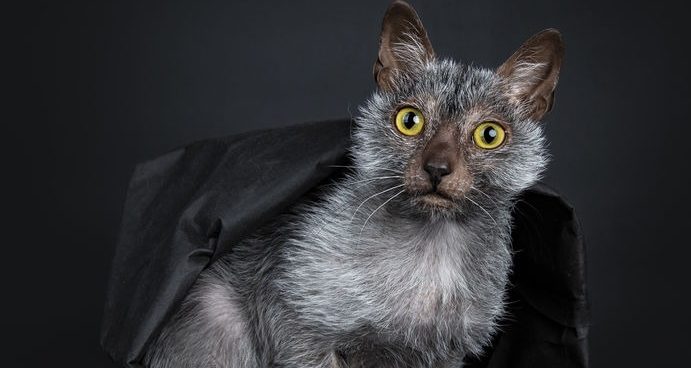
    Better known as Werewolf Cats, Lykois are one of South Africa’s most mysterious and misunderstood breeds. With patchy coats and dog-like behaviour, they may look a little wild, but they’re fiercely loyal and protective of their humans. The first Lykoi in South Africa was discovered by an animal rescue in Cape Town, in 2016. Since then, these rare cats have charmed feline fanatics with their unique appearance and quirky habits, like fetching toys and guarding snacks. Weekly grooming is a must, especially during shedding seasons. 


    Snuggly Singapuras

    Tiny but mighty, the Singapura holds the title of the world’s smallest pedigree cat. Weighing in at just around 2.5 kilograms, they make up for their size with heaps of charm and bold personality. Originating from Singapore, these playful kitties love getting involved in your daily activities. Singapuras can have health issues related to reproduction, such as uterine inertia, often requiring caesarean births. 


    Lavish LaPerms

    If you’ve ever seen a cat that looks like it’s in the middle of a lifelong bad hair day, it was probably a LaPerm. Their springy, curly coats give them a unique, tousled look. But it’s their personalities that truly shine. Mischievous, loving, and intelligent, LaPerms love to communicate (using their paws to get your attention or snatch a bite of whatever you’re eating). They’re usually healthy and great with kids, making them ideal family pets. 


    Magical Maine Coons

    The Maine Coon is one of the most majestic, and rather massive, cat breeds in the world. Known for their affectionate nature and dog-like loyalty, these gentle giants are incredibly intelligent and famously fond of water. Their long, luxurious coats and mood-sensing nature make them stand out. But don’t let the fluff fool you, these cats need emotional attention. Neglect a Maine Coon, and you might end up with one grumpy (and scratchy) feline. They thrive in loving homes where playtime and snuggles are part of the daily routine.  

    RELATED: STUNNING LOOKS. EXPENSIVE FOOD BILL. PROS AND CONS OF MAINE COON CATS 


    Protect Your Purr-fect Companion 

    With dotsure.co.za pet insurance, you can protect your one-of-a-kind companion from the unexpected, even if they’re one of the rarest cat breeds out there.  

    Get a quote today and keep your fur baby happily purring for years to come.  

  • TOP 10 MOST POPULAR DOG BREEDS IN SOUTH AFRICA

    TOP 10 MOST POPULAR DOG BREEDS IN SOUTH AFRICA


    South Africa is a land of rich heritage, breathtaking scenery, and an undeniable love for dogs. While every pup is special in their own way, certain breeds stand out for their loyalty, temperament, and ability to adapt to our diverse lifestyles. 

    As any dog parent knows, keeping your four-legged friend healthy can come with unexpected vet bills. That’s where dog insurance can help, ensuring your pup stays protected, no matter the breed.  

    RELATED: TOP 5 CAT BREEDS IN SA; RAREST DOG BREEDS IN SA 


    Boerboel (South African Mastiff)

    The Boerboel is South Africa’s very own gentle giant. Bred to guard homesteads and farms, this powerful breed is admired for their loyalty, intelligence, and natural protective instincts. Boerboels are excellent family dogs when well-socialised and properly trained. Although, their size means they thrive in homes with space to roam. 

    boerboel


    Staffordshire Bull Terrier

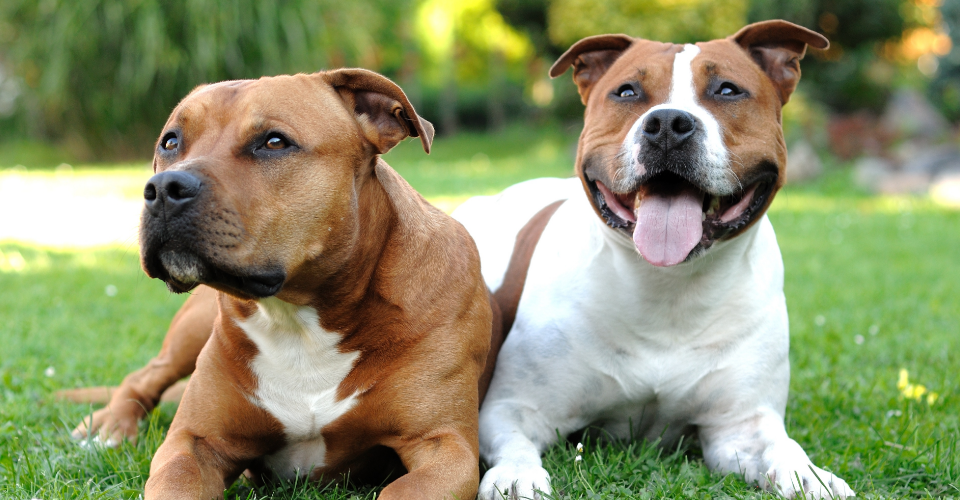
    Affectionately called a Staffy, this medium-sized, muscular breed is one of SA’s most-loved dogs. Staffies are famous for their affectionate and playful nature, especially around children. Loyal to the core and brimming with energy, they thrive in loving households where they’re part of the action. 

    staffordshire bull terrier


    Labrador Retriever

    Whether it’s for companionship, search-and-rescue work, or service duties, Labrador Retrievers remain a firm favourite. Friendly, eager to please, and highly trainable, Labs adapt well to families and active individuals. 

    labrador retriever


    Rottweiler

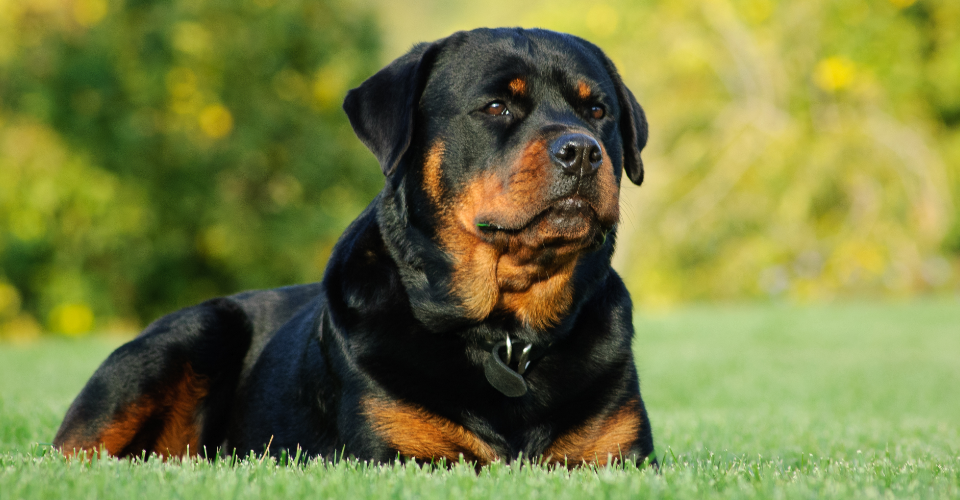
    Don’t let the tough exterior fool you, Rottweilers are affectionate and loyal pets. With proper training, they make fantastic protectors and loving family members. Known for their strength and confidence, they also require experienced, responsible pet parents. 

    rottweiler


    German Shepherd

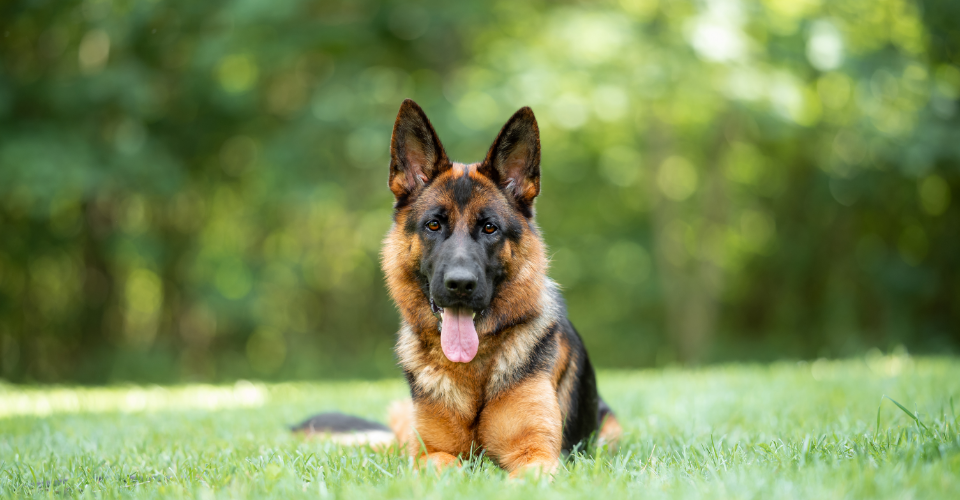
    German Shepherds are renowned for their intelligence and versatility. Often used in police and security roles, this breed is a dependable family dog when trained and exercised properly. They’re deeply loyal, protective, and eager to learn. 

    german shepherd


    Border Collie

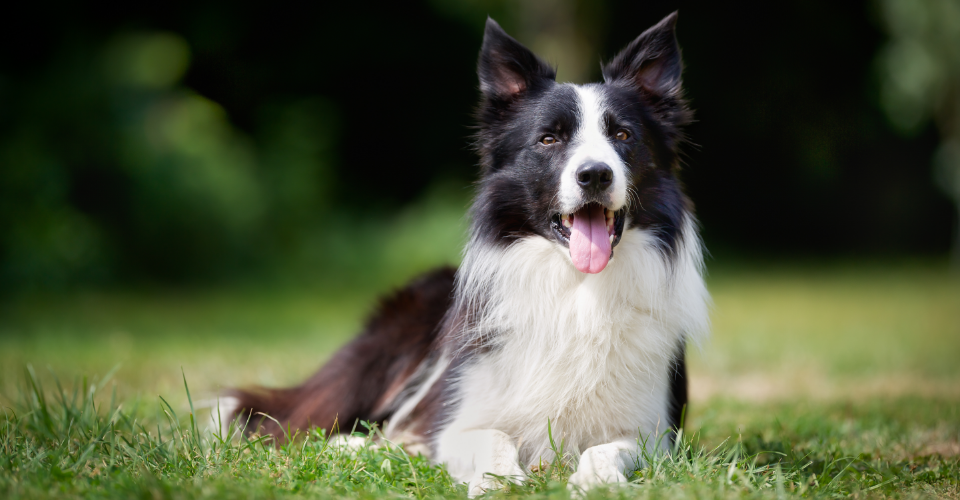
    The Border Collie is a bundle of energy and brainpower. Originally bred for herding, this intelligent breed thrives on mental stimulation and physical activity. Perfect for active families or agility lovers, Border Collies need plenty of engagement to thrive. 

    border collie


    Golden Retriever

    Golden Retrievers are the epitome of gentle, affectionate dogs. Ideal for families, these calm and loving pets are often used as therapy dogs. Their easygoing temperament makes them great with kids and other pets. 

    golden retriever


    Bull Terrier

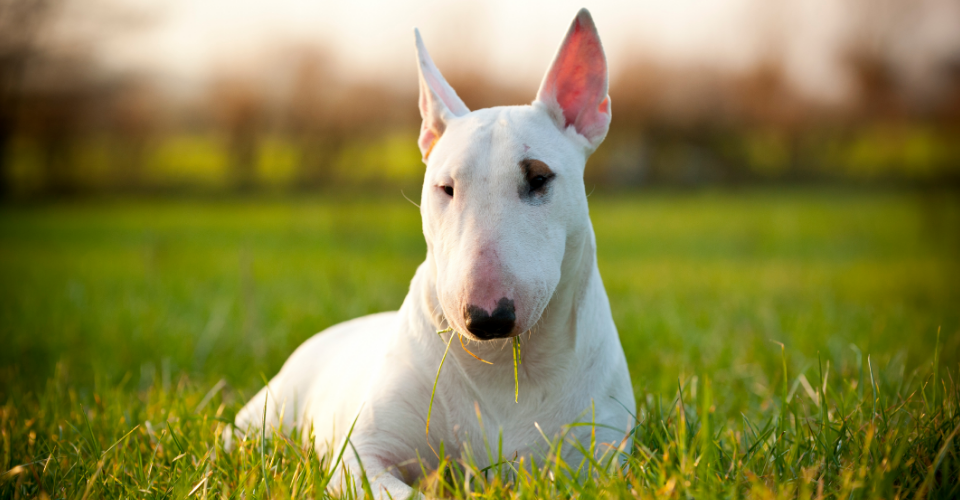
    Recognised by their unique egg-shaped heads, Bull Terriers are strong, playful, and a little cheeky. They’re known for their clown-like personalities and deep loyalty to their families, making them both fun and fiercely devoted companions. 

    bull terrier


    Yorkshire Terrier

    Yorkies may be small, but their personalities are anything but. These confident and affectionate lapdogs are ideal for apartment living and have gained popularity in South Africa’s urban centres for their adaptability and charm. 

    yorkshire terrier


    Dachshund

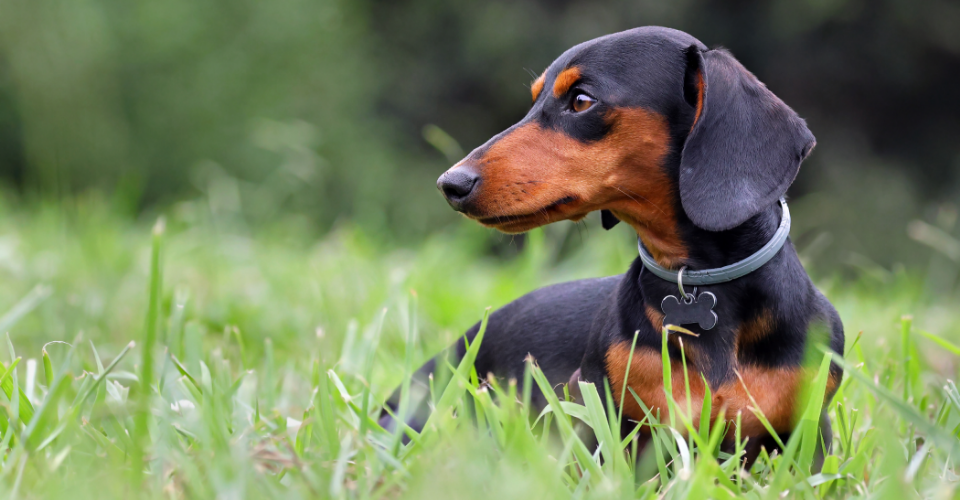
    With their long bodies and bold spirits, Dachshunds are adored for their spunky attitudes and loyal hearts. Whether you call them sausage dogs or wiener dogs, they’re clever companions who love being part of the family. 

    dachshund


    Protect Your Favourite Breed with Pet Insurance 

    No matter which breed has stolen your heart, the bond between humans and dogs is priceless. But when your dog needs unexpected medical care, the bills can bite. That’s why more and more South African pet owners are turning to dotsure.co.za for reliable pet insurance. Get a quote online and give your best friend the care they deserve! 


    READ MORE: HERDING DOG BREEDS; TOY DOG BREEDS; TERRIERS UNLEASHED; BREED STANDARDS 

  • A SECOND CHANCE: TIPS FOR FOSTERING PETS

    A SECOND CHANCE: TIPS FOR FOSTERING PETS


    If you’ve ever considered helping a rescue animal, fostering a pet is a rewarding way to change lives, without the long-term commitment of adoption. 

    At dotsure.co.za, we’re passionate about animal welfare. When you take out a pet insurance policy with us, you’re also helping us contribute to the work of dedicated welfare vets at the Animal Anti-Cruelty League. 

    RELATED: JOINING FORCES FOR ANIMALS IN NEED 


    Is Fostering Right for You?

    Before you apply to become a pet foster parent, take a moment to ask yourself a few important questions: 

    • Can you afford pet care essentials? While some shelters help with food and medical expenses, you may still need to cover some costs. 
    • Do you have time to care for an animal, especially one that may be recovering or need socialisation? 
    • Is your home pet-friendly, and does your landlord allow animals? 
    • Are your family or housemates on board with the idea of fostering? 
    • Do you already have pets, and how might they react to a temporary newcomer? 
    • Are there any upcoming life changes (like moving, travel, or work schedule shifts) that could interfere with your commitment? 


    How to Prepare for Fostering a Pet

    Once you’ve made the decision to foster, preparation is essential to creating a safe, loving environment. 

    Foster Pets Take Time and Patience 

    Fostering takes daily dedication. Make time for feeding, walks, grooming, and play. Some pets may need extra care, especially if they’ve experienced trauma or illness. 

    Create a Safe Environment 

    Pet-proof your home by removing hazards such as exposed wires, accessible food, and open bins. Ensure they have a calm, quiet place to rest, especially in the first few days of adjustment. 

    Stock Up on Pet Supplies 

    Gather the basics before your foster pet arrives: 

    • Food and water bowls 
    • High-quality pet food 
    • Kennel or carrier 
    • Collar, leash, and ID tag 
    • Toys, beds, and blankets 
    • Litter box (for cats) or poo bags (for dogs) 

    Support Pet Adoptions 

    You’ll play a big role in their socialising, training, and preparing them for adoption. Sharing updates and photos with the shelter (and potential adopters) can make a big difference in helping them find the right forever home.


    What to Expect When Fostering Dogs or Cats 

    If you’re new to fostering, it’s often best to start with an animal that doesn’t require intensive medical or behavioural care. This allows you to ease into the experience and build confidence. 

    Pet Fostering Duration 

    • Puppies and kittens are often fostered for 2 to 6 weeks, depending on their health and adoption readiness. 
    • Adult dogs and cats may stay longer, especially if they need time to heal or adjust to human interaction. 


    What Does it Mean to Foster a Pet?

    Fostering is incredibly rewarding, but it’s not always easy. 

    • Be Patient: Healing, training, and trust take time. Your support helps pets transition out of survival mode and into loving companionship. 
    • Special Needs Pets: Only take on the challenge if you’re truly equipped and ready for the additional emotional and physical effort. 
    • Saying Goodbye: Many foster parents experience heartache when their temporary companions are adopted. But remember, your efforts are helping animals get the love they deserve. 

    Of course, sometimes you fall in love, and decide you just can’t let go. This is what’s affectionately known as a “foster fail”, and it’s more common than you might think!  


    Facing a Foster Fail?

    If you’ve unexpectedly become a pet parent after fostering a pet, we’re here to help. Contact us to learn more about our affordable plans or to chat about how we can help your new companion get the care they need!   


    RELATED: HOW TO CHOOSE THE PERFECT PET FOR YOUR FAMILY 

  • 7 FASCINATING BIRD SUPERSTITIONS AND THEIR HIDDEN MEANINGS

    7 FASCINATING BIRD SUPERSTITIONS AND THEIR HIDDEN MEANINGS

    Birds have fluttered their way into superstitions and folklore around the world since the dawn of mankind. Some people believe them to be messengers from the gods or even representations of the gods themselves. Others believe them to be a sign of good luck or a bad omen. Let’s take a look at 7 bird superstitions and the hidden meanings behind them.

    PS: Do you already own a feathered friend? Protect them with dotsure.co.za!

    RELATED: BLACK CATS AND OTHER SUPERSTITIONS


    The Meaning of a Bird Pooping on You

    Getting pooped on by a bird might mess up your favourite shirt, but in many cultures it’s actually a sign of good luck. It’s believed to bring wealth and prosperity, especially if it lands on your head. So, next time it happens, instead of shouting some fowl language up to the sky, maybe go and play the Lotto.


    What Does It Mean When a Bird Enters Your House?

    A bird flying into your home can cause some panic, but in folklore it usually means one of two things:

    1. An important message is coming your way (good or bad).
    2. A spirit of a loved one is visiting.

    In some cultures, though, it’s a bad omen, especially if the bird can’t find its way out or flies into the window.


    Are Owls Omens of Death or Wisdom?

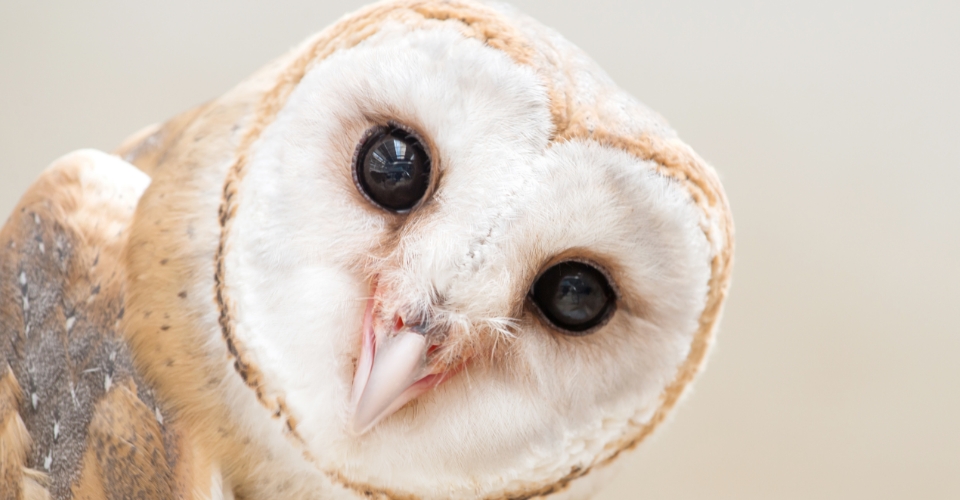
    Owls have a mystical reputation and they’re often linked to death in folklore. Many cultures believe seeing or hearing an owl means a major change or loss is coming. In other cultures owls symbolise wisdom and guidance.


    Do Crows and Ravens Mean Trouble Is Coming?

    Both crows and ravens have always been painted as villains in superstition. Seeing a single crow or raven is often thought to signal bad luck, misfortune or even death.

    However, seeing two or more crows together is actually considered good luck! So, if you spot a murder of crows (yes, that’s what a group of them is called, hence the whole villain thing), don’t panic, it might be a sign that fortune is on your side.


    Seeing a Robin Means a Loved One Is Watching Over You

    In many cultures, robins are believed to be messengers from the spirit world. If a robin appears near you, especially after you’ve lost someone, it could mean that a loved one is watching over you and sending comfort.

    So, next time you see a robin take a moment to appreciate the visit, it might just be a little feathered hug from above.


    Hearing a Bird Sing at Night Is a Bad Omen

    Birds are supposed to sleep at night, right? So, if you hear one chirping in the dark, it can feel a little eerie. According to superstition, it’s a sign of bad luck or an upcoming loss.

    On the flip side, some cultures believe a night-singing bird could mean a message is on its way. So, maybe their evening serenade is just trying to tell you something important.


    If a Bird Builds a Nest on Your House, It Brings Blessings

    Is there a bird’s nest on your house, balcony, or window ledge? Congrats! You’ve been hand-pecked for good fortune. Many cultures believe a bird nesting on your home means happiness, protection, and prosperity for the household.

    Just don’t disturb the nest. It’s said that removing it could reverse the good luck!


    Final Feathers of Thought

    Whether you believe in these bird superstitions or not, they do have a way of keeping life interesting.

    Do you want to keep your feathered pets safe? Visit dotsure.co.za for our Exotic Pet plans that cover birds!

  • WHAT TO FEED A BABY BIRD IN AN EMERGENCY (AND WHAT TO AVOID)

    WHAT TO FEED A BABY BIRD IN AN EMERGENCY (AND WHAT TO AVOID)

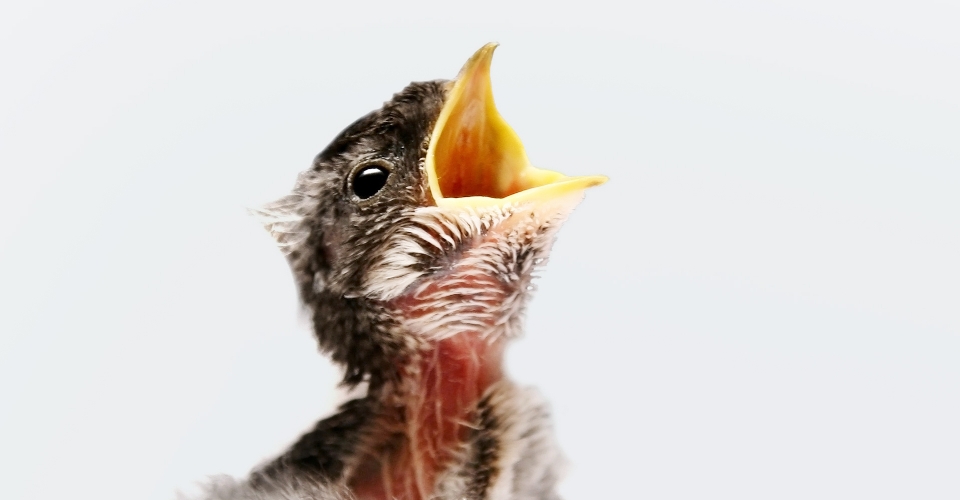
    So, you’ve found a baby bird on the ground chirping away for help, and just like that, you’re a new bird parent. But there’s just one problem. You have no idea what to feed your new feathered child. Before you start Googling recipes for worm smoothies, here’s what to feed a baby bird in an emergency and how to protect it, so you can give your new little friend the best shot at survival.


    What Homemade Food Can You Feed a Baby Bird in an Emergency?

    You can offer emergency food substitutes if you can’t get to a vet immediately. Depending on the bird species, you can try:

    • Soft dog or cat food soaked in warm water to a mushy consistency
    • Unseasoned scrambled eggs
    • Mashed-up insects or mealworms for insectivorous birds
    • Moistened plain baby cereal for grain-eating birds.

    Pro tip: Don’t force-feed. Gently touch the food to the edge of their beak and let them decide when to nibble.


    What Not to Feed Baby Birds

    Yes, it may be an emergency. Some foods can do more harm than good.

    • Milk: While milk sounds like the “nurturing” thing to feed them, baby birds can’t digest dairy.
    • Bread: It might fill their little bellies, but it offers zero nutrients. Instead, go for that moistened baby cereal we mentioned earlier on.
    • Raw meat: Too risky! It can introduce harmful bacteria and do more harm than good.
    • Rice: It’s hard to digest and can lead to bloating, which is not ideal for tiny tummies.
    • Fruit seeds: Some, like apple seeds, contain toxins. If you’re offering fruit, make sure you’ve cut the core out and removed the seeds.

    Avocado: Avo might be trendy for humans, but it is toxic to birds.


    How Often Should You Feed a Baby Bird?

    Feeding frequency will vary from every fifteen minutes to every two hours, depending on the species and age. If the bird looks weak or isn’t begging for food, get it to a professional ASAP!

     

    Can You Give a Baby Bird Water?

    Nope! Unlike adult birds, baby birds don’t drink water. They get all their hydration from their food. Dropping water directly into their beaks can cause choking or drowning.


    Our Final Chirp on Feeding Baby Birds

    Now that you know how to feed a baby bird, you’re better prepared to give a little life a fighting chance!

    If you already share your home with a pet bird, ensure they’re protected with dotsure.co.za pet insurance. It’s just one more way to be the best bird parent you can be!

    RELATED: SOUTH AFRICA’S MOST POPULAR PET BIRDS AND WHY WE LOVE THEM

  • DOES YOUR PET INSURANCE COVER SPAYING AND NEUTERING?

    DOES YOUR PET INSURANCE COVER SPAYING AND NEUTERING?

    Sterilising your pet is one of the best decisions you can make for their health, behaviour, and the general pet population. But, of course, it comes with a visit to the vet and a vet bill. So, we’re here to answer that burning question: Does pet insurance cover spaying and neutering?

    At dotsure.co.za, we offer flexible pet insurance plans and optional add-ons that can help cover sterilisation costs depending on your level of cover. Let’s break it down.


    What’s the Difference Between Spaying and Neutering?

    • Spaying is a surgical procedure for female animals which involves removing the ovaries and sometimes the uterus to prevent pregnancies.
    • Neutering is a surgical procedure for male animals which involves removing the testicles, reducing aggressive behaviours and making them sterile.

    While they are different procedures, spaying and neutering are collectively referred to as sterilisation.


    What Is the Difference Between Routine Care and Standard Cover?

    Standard Cover (Accident & Illness): Covers accidents, illnesses, surgeries, and vet visits, but not sterilisation. Some of our plans also cover hereditary conditions.

    Wellness Benefit (Routine Care): Depending on your selected plan, this is an added benefit to standard cover, which covers preventative treatments such as vaccinations, spaying and neutering.

    RELATED: HEREDITARY CONDITIONS: IS YOUR PET COVERED?


    How Much Does It Cost to Sterilise a Pet in South Africa?

    Sterilisation costs depend on your pet’s size, breed and the vet clinic you choose to visit, but here’s a rough estimate:

    Cats: R500 – R2 000
    Small Dogs: R750 – R2,500
    Medium to Large Dogs: R2 500 – R5 000

    Please note: This is just a rough estimate and not the actual costs. Consult your vet for a more detailed cost estimate.


    Are There Pet Insurance Plans That Cover Sterilisation?

    Yes! At dotsure.co.za, if your plan includes Wellness Benefits, you’ll be covered for sterilisation up to a specified amount.


    Can You Add Spaying and Neutering to Your Pet Insurance Plan?

    Yebo! With dotsure.co.za, if your plan supports the Wellness Benefit, you can add this extension to your plan.

    This not only helps with spaying and neutering costs but also covers:

    • Vaccinations
    • Deworming
    • Tick & flea treatments
    • Dental cleanings
    • And more.

    Do you need to add our Wellness Benefit to your policy? Contact us today or simply visit the 24/7 online Manage Portal.


    Get the Right Pet Insurance for Your Pet’s Needs

    Looking for pet insurance that covers more than just the basics? At dotsure.co.za, we offer customisable plans so you can choose what works for you. Visit dotsure.co.za to get a quote.

    Do you have more questions other than whether pet insurance covers spaying or neutering? Check our FAQS here: PET INSURANCE MADE SIMPLE: YOUR TOP QUESTIONS ANSWERED.

  • COMMON BIRD DISEASES EVERY OWNER SHOULD KNOW AND HOW TO SPOT THEM EARLY

    COMMON BIRD DISEASES EVERY OWNER SHOULD KNOW AND HOW TO SPOT THEM EARLY

    Fun fact: Birds are masters at hiding illness. Looking sick makes them an easy target in the wild, so even pet birds instinctively mask their symptoms. Knowing the common bird diseases and their early warning signs is key to keeping your feathered friend healthy.

    Here’s a breakdown of the most common bird diseases, how to spot them, and how you can protect your winged pets.


    Common Signs of Illness in Pet Birds

    If your bird isn’t acting like their usual chirpy self, watch for these signs of illness in birds:

    • Fluffed-up feathers for long periods
    • Lethargy or unusual quietness
    • Changes in eating or drinking habits
    • Runny nose or sneezing
    • Laboured breathing or tail bobbing
    • Unusual droppings (watery, discoloured, or fewer than usual)
    • Weakness or difficulty perching.

    Early detection can make a huge difference. So, a vet visit is always a good idea if something seems off.


    Psittacosis (Parrot Fever) in Pet Birds

    Psittacosis, also known as Parrot Fever, is one of the top contenders. It’s caused by a bacterium (Chlamydia psittaci) and can be transmitted to humans.

    Symptoms in birds include:

    • Greenish diarrhoea
    • Eye or nasal discharge
    • Ruffled feathers and weight loss
    • Difficulty breathing.

    Since humans can get psittacosis too, always wash your hands after handling your bird and keep their cage clean.


    Aspergillosis: A Dangerous Fungal Infection

    Aspergillosis is a serious fungal infection that affects the respiratory system in birds. It’s caused by mould, which is common in dirty cages, damp bedding, and old food.

    Symptoms include:

    • Difficulty breathing or wheezing
    • Loss of voice
    • Weakness and loss of appetite.

    Prevention is simple: Keep your bird’s environment dry, fresh and clean.

    RELATED: UNDERSTANDING ASPERGILLOSIS IN BIRDS: A VET’S PERSPECTIVE


    More Common Pet Bird Diseases

    Avian Polyomavirus

    This viral disease primarily affects young birds, causing a loss of feathers, vomiting, and sudden death in severe cases. Unfortunately, there’s no cure, so prevention through hygiene and vaccination is  very important.

    Proventricular Dilatation Disease (PDD)

    Sometimes called “Macaw Wasting Disease,” PDD affects the digestive and nervous systems, leading to weight loss, difficulty digesting food and neurological issues. While there’s no cure, early detection can help manage symptoms.


    Additional Bird Illnesses to Watch For

    Feather Plucking and Behavioural Issues

    While feather plucking can be caused by stress or boredom, it can also indicate underlying health issues, such as infections, mites, or nutritional deficiencies.

    Nutritional Deficiencies in Birds

    A poor diet can lead to vitamin and mineral deficiencies, affecting feather quality, bone health, and immune function. Ensure your bird has a balanced diet with fresh fruits, vegetables, and high-quality pellets.


    Can Humans Catch Bird Diseases?

    Yes, some bird diseases, such as Psittacosis, can spread to humans. While rare, practising good hygiene when handling birds and cleaning their cages is essential. See a doctor if you develop flu-like symptoms after exposure to a sick bird.


    How to Prevent Common Bird Diseases at Home

    Prevention is always better than treatment! Here’s how to keep your feathered friend healthy:

    • Provide a clean, dry, and well-ventilated living space
    • Feed a balanced diet tailored to their species
    • Schedule regular check-ups with an avian vet
    • Quarantine new birds before introducing them to existing pets.


    Protect Your Feathered Friend with Pet Insurance

    Vet bills for exotic pets can be pricey but with dotsure.co.za’s Exotic Pet plans, you can get cover for some common bird diseases and illnesses, vet visits and more. Get a quote today and protect your bird with SA’s #1 pet insurance*.

    *Voted South Africa’s Best Pet Insurance 2023/2024 by readers of various media publications.

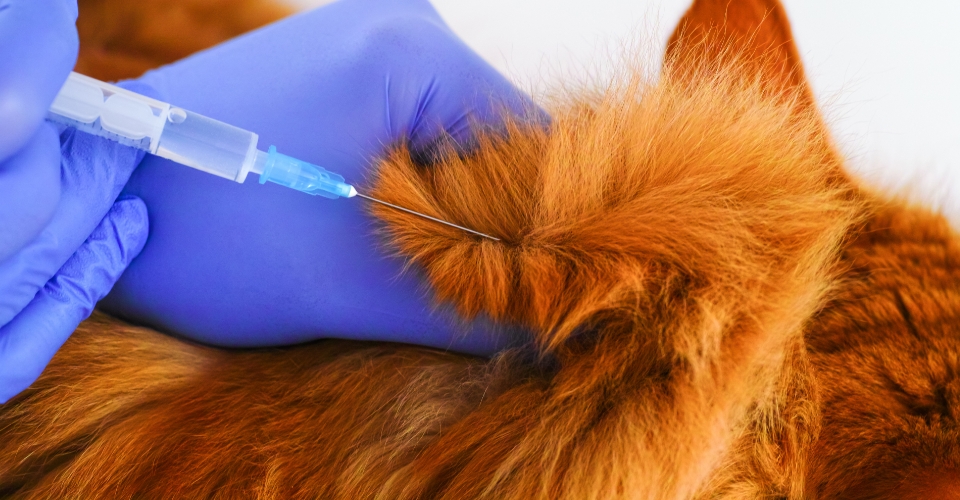
  • DOES YOUR PET INSURANCE COVER VACCINATIONS? LET’S BREAK IT DOWN

    DOES YOUR PET INSURANCE COVER VACCINATIONS? LET’S BREAK IT DOWN

    Your furry bestie deserves the best care, including those all-important vaccinations. But here’s the big question: Does pet insurance cover vaccinations, or will you need to budget separately for them? As SA’s #1 pet insurance*, we’ve got all the answers (and the plans) for you.


    Are Vaccinations Covered by Pet Insurance?

    Standard pet insurance usually covers unexpected illnesses and accidents; routine care such as vaccination isn’t always included. However, some plans (like some of the dotsure.co.za plans) allow you add wellness benefits that help cover these essential vet visits.

    Are you already part of the dotsure.co.za pet fam? Visit the Manage Portal online or contact us and add the Wellness Benefit today.

    RELATED: DOES YOUR PET INSURANCE COVER SPAYING AND NEUTERING?


    What Is the Cost of Pet Vaccinations in South Africa?

    Keeping your pet’s vaccines up to date is crucial, but what’s the price tag?

    Puppy and Kitten First-Year Vaccines

    Young pets need multiple vaccinations in their first year to protect them against deadly diseases such as parvo and rabies. The cost? Around R500 – R1 000 per shot, with multiple rounds needed.

    Annual Boosters

    After their first year, dogs and cats need yearly booster shots to stay protected. These costs are between R400 and R800 per visit.

    RELATED: CANINE PARVOVIRUS: SYMPTOMS, TREATMENT AND PREVENTION


    Do We Cover Vaccinations?

    Yes, with the right plan or extension! While vaccinations aren’t covered under standard accident and illness plans, our Wellness Benefit options helps with routine care costs. Here’s how they work:

    • Included in our Ultimate Plan
    • Available as an add-on for Elite, Vital and Deluxe Plans

    Helps cover the costs of vaccinations, deworming, tick and flea prevention, and more!


    Is Pet Insurance Worth It for Vaccinations Alone?

    Pet insurance is primarily designed for unexpected vet bills, but with the Wellness Benefit, you can get help with preventative care such as vaccines. That means less stress for you and better protection for your pet, which is a win-win!


    Ready to Protect Your Pet? Get a Quote Today!

    Keeping your pet happy and healthy is easier (and more affordable) with dotsure.co.za. Whether you need cover for surprise vet visits or routine care such as vaccinations, we have a plan for you!

    Get a quote today at dotsure.co.za.

    *Voted South Africa’s Best Pet Insurance 2023/2024 by readers of various media publications.

  • SOUTH AFRICA’S MOST POPULAR PET BIRDS AND WHY WE LOVE THEM

    SOUTH AFRICA’S MOST POPULAR PET BIRDS AND WHY WE LOVE THEM

    Birds aren’t just beautiful. They’re full of personality, charm and even a few words. If you’re looking for a talkative companion, a low-maintenance friend, or a feathered cuddle bug, there’s a pet bird out there (and a dotsure.co.za pet insurance plan) to match.
    Two birds, with one stone. Except, no birds are harmed here, they’re only protected. ? Let’s meet South Africa’s most popular pet birds and what we love about them!


    Best Pet Birds for Beginners

    New to bird parenthood? Some birds are easier to care for than others. The best beginner-friendly birds are:

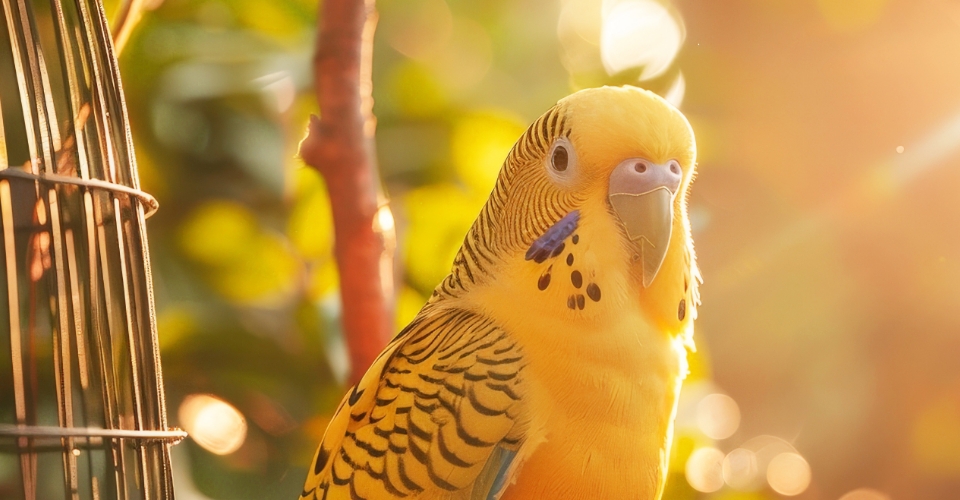
    • Budgies (Budgerigars): Small, social, and easy to train, budgies are amongst the best first birds for new owners. Plus, they can learn to mimic words.
    • Cockatiels: Friendly, intelligent, and relatively low-maintenance, cockatiels love whistling tunes and bonding with their humans.
    • Lovebirds: Tiny but full of personality, lovebirds are affectionate and easy to care for. They usually come in pairs, so give them enough social and mental stimulation if you get a single lovebird.


    Pet Birds That Can Talk

    Do you want a bird that chirps back? Some species are natural talkers and can even learn phrases:

    • African Grey Parrots: These intelligent birds can develop a vast vocabulary and accurately mimic human speech.
    • Indian Ringneck Parakeets: Known for their clear pronunciation, these birds can learn entire sentences!
    • Budgies: As mentioned earlier, budgies are great for beginner bird owners and can learn over 1 000 words with enough patience and training.

    Note to reader: Be careful what you say; your pet bird could reveal all your secrets.


    Low-Maintenance Pet Birds for Busy Owners

    Working pet parents, these birds are for you:

    • Canaries: Independent and happy in their cage, canaries need minimal handling. Plus, they love to sing and can remember melodies, so leave the radio on so that they can sing along.
    • Finches: These tiny birds thrive in pairs or groups and don’t need much human interaction.
    • Doves: Gentle and quiet, doves are easy-going pets that don’t demand constant attention.

    Fun fact: “To sing like a canary” doesn’t mean you’ve got pipes; it means you’re a bit of a snitch.


    Most Affectionate Pet Birds

    Looking for a bird that loves snuggles and companionship? These birds adore their humans:

    • Cockatoos: The cuddle bugs of the bird world! Cockatoos crave attention and will happily snuggle up to their owners.
    • Quaker Parrots: Playful, affectionate, and social, these parrots love to bond with their humans.
    • Lovebirds: Their name says it all. Lovebirds love love! They form strong attachments and enjoy sitting close to their owners.


    Which Pet Bird Is Right for You?

    Choosing the perfect bird depends on your lifestyle. Do you want a chatty companion, a hands-off pet, or a cuddly bird?

    No matter which popular pet bird you choose, dotsure.co.za pet insurance can help to protect their health and your pocket. Our Exotic Pet plans cover your bird’s vet visits, accidents and illnesses so you can focus on enjoying their chirps and songs without worrying about the vet bills.

    Get a quote online today, or contact us for more info.

  • UNDERSTANDING PET INSURANCE WAITING PERIODS

    UNDERSTANDING PET INSURANCE WAITING PERIODS


    We all know the saying, “Good things come to those who wait”. Well, when it comes to pet insurance, it’s no different. Let’s break down what a pet insurance waiting period is, why they exist, and why they’re worth the wait.

    RELATED: WAITING PERIODS EXPLAINED


    What Is a Waiting Period for Pet Insurance?

    Also known as the qualifying period, it is the time between when you sign up or upgrade your pet insurance and when certain cover types become active. In other words, it’s a short pause before you can claim for specific conditions. This prevents people from taking out insurance only after their pet is sick or injured.

    RELATED: THINGS PET INSURANCE DOESN’T COVER


    Why Does Pet Insurance Have Need Them?

    They help keep pet insurance fair and affordable for every paw-rent and their pets. Without them, people could try to dupe the system, leading to higher premiums for all pet parents.


    How Long Are Waiting Periods for Pet Insurance?

    Here’s a more detailed breakdown of our pet insurance waiting periods:

    • Accidental Claims: No waiting period.
    • Illness Claims: 30-day waiting period.
    • Wellness Claims: 60-day waiting period.
    • Hereditary Conditions: 12-month waiting period.


    What Happens If Your Pet Gets Sick During the Waiting Period?

    For example, if your pet develops an illness during the 30-day qualifying period, your policy won’t cover it. That’s why it’s best to sign up as soon as you become a pet parent, so you can cover your pet when it matters most. We cover accidental injuries from day one, so your pet gets immediate protection.


    Get Covered Today with SA’s #1 Pet Insurance*

    Pet insurance waiting periods might seem like a hassle, but they help keep pet insurance fair and affordable. The bottom line? Don’t wait for an emergency. Get your pet covered today with dotsure.co.za!

    *Voted South Africa’s Best Pet Insurance 2023/2024 by readers of various media publications.

  • WHAT DOES EXCESS MEAN ON PET INSURANCE CLAIMS?

    WHAT DOES EXCESS MEAN ON PET INSURANCE CLAIMS?


    When it comes to pet insurance, we aim to make your life easier. So, you can focus on what truly matters: spending quality time with your furry family members. One of the most common questions we receive is about excess on pet insurance claims. To help you, we’ve compiled this simple guide.

    RELATED: PET INSURANCE FREQUENTLY ASKED QUESTIONS


    What is Excess in Pet Insurance?

    Excess is a standard part of all short-term insurance policies, including pet insurance. It refers to the portion of a claim that you, as the policyholder, must pay before your insurer covers the remaining amount.

    RELATED: WHAT IS INSURANCE EXCESS


    Your Pet Insurance Excess

    Depending on your plan, the basic excess options at dotsure.co.za apply as follows:

    • 10% of the claim amount; minimum R200 (default option)
    • 20% of the claim amount; minimum R200

    Important Notes:

    • Basic excess does not apply to illness-related claims on the Vital Plan, as this plan covers 50% of the claim amount.
    • No excess applies to Wellness Benefit claims, keeping preventive and routine care affordable.


    Why Do I Have to Pay Excess on Insurance Claims?

    Insurance providers use excess to keep policy premiums affordable while ensuring that claims are reasonable. By requiring a small contribution from policyholders, excess helps prevent minor claims and ensures sustainability for pet parents in the long run.


    Excess Buster

    For those who want to reduce excess payments, dotsure.co.za offers the Excess Buster. This optional add-on waives applicable excesses following a valid insurance claim. The premium for this extension depends on your chosen plan, providing extra peace of mind and financial ease.

  • THINGS PET INSURANCE DOESN’T COVER

    THINGS PET INSURANCE DOESN’T COVER


    Pet insurance can be a lifesaver when unexpected vet bills pop up, but it’s just as important to know what’s not covered. Every policy has exclusions (areas where cover doesn’t apply), and these can vary between providers. Knowing what to expect upfront can save you from any surprises when it’s time to claim.


    Does Pet Insurance Cover Pre-Existing Conditions? 

    One of the most common things pet insurance won’t cover is pre-existing conditions. These are illnesses or injuries your pet had before your cover started or during the waiting period. Most insurers won’t cover ongoing or chronic health issues diagnosed before you signed up.

    RELATED: COVER FOR HEREDITARY CONDITIONS


    Does Pet Insurance Cover Routine Care?

    Routine checkups, dental cleanings, and vaccinations aren’t usually covered under standard pet insurance plans. But here’s the good news: dotsure.co.za offers Wellness Benefit extensions to help cover these costs!

    Typical routine or preventative care expenses:

    • Annual Vaccinations
    • Dental checks
    • Tick and flea treatments
    • Spaying and neutering
    • Emergency boarding fees
    • Prescribed foods and supplements
    • Behavioural therapy

    If you want to avoid out-of-pocket costs for these, consider adding Wellness Benefits to your policy. It could save you money in the long run.


    Are There Age Limits on Pet Insurance?

    Pet insurance often has age limits. Typically, puppies and kittens under eight weeks old may not be eligible for cover. Senior pets (often 12 years and older) might have limited cover options because they’re more prone to age-related health issues.


    Does Pet Insurance Cover Diseases If My Pet Wasn’t Vaccinated?

    If an illness could have been prevented with a vaccine, most pet insurance policies won’t cover it. This includes diseases such as Parvovirus and Feline Immunodeficiency Virus (FIV). Keeping your pet’s vaccinations up to date is essential, not just for their health, but also to ensure you’re covered when it matters most.

    RELATED: UNDERSTANDING CANINE PARVOVIRUS


    Protect Your Pet and Your Pocket

    Knowing what your pet insurance covers, and what it doesn’t, is crucial to avoid unexpected costs. Understanding your policy helps you make the best decisions for your pet’s health and keeps your budget in check!

    RELATED: PET INSURANCE FREQUENTLY ASKED QUESTIONS


  • CANINE PARVOVIRUS: SYMPTOMS, TREATMENT AND PREVENTIONS

    CANINE PARVOVIRUS: SYMPTOMS, TREATMENT AND PREVENTIONS

    Meet Dr Simone Pietersen from Sandton Veterinary Clinic, here to answer questions about canine parvovirus.

    Understanding Canine Parvovirus

    What is canine parvovirus (parvo)?

    “Canine parvovirus is a viral infection that mainly affects young, unvaccinated dogs. It is an extremely contagious disease that spreads easily between dogs that are not protected by vaccinations. “

    Why is parvo such a serious illness for dogs?

    “What makes it such a serious disease is that it has a high mortality rate if not treated early, and even with treatment, it can still be fatal.”

    What are the main symptoms of parvovirus that pet parents should watch for?

    “The main symptoms are vomiting, diarrhoea, and inappetence. So, pet parents should notice it easily.”

    How is parvo transmitted?

    “Parvo is transmitted through the vomit and diarrhoea of infected dogs. The virus is extremely resistant to the environment and can survive and infect other dogs even years later. “

    Which dogs are most at risk for contracting parvo?

    “Young dogs under 2 years of age are most at risk because the virus replicates in fast-dividing cells. Unvaccinated animals have a much higher risk of contracting the virus than vaccinated animals.”

    What steps can pet parents take to prevent their dogs from contracting parvovirus?

    “Vaccination is the key factor. It is also important to keep young puppies who have not been fully vaccinated away from high-risk areas such as parks. Be sure not to introduce a new puppy into an area that has previously been contaminated by a parvo-positive dog unless it is fully vaccinated.”

    If a pet parent suspects their dog has parvo, what should they do immediately?

    “Please take your dog to a vet. There is a lot of advice online on how to treat these animals at home. There is no miracle cure. They need intravenous fluids, intravenous anti-nausea medications, and antibiotics for secondary bacterial infections. Only mild cases can be treated as outpatients.”

    Can parvovirus be treated?

    “The virus itself can’t be killed by medication. Only the immune system can fight the virus. And because the virus also suppresses the immune system, it can often be a losing battle.”

    What does the recovery process look like?

    “What we do in the hospital is provide fluid to prevent dehydration (with an IV drip) and help prevent nausea with antiemetics, keeping the animal going while the immune system fights the battle. It can be a long hospital stay, sometimes up to two weeks.”

    Any final advice for dog owners on protecting their pets from this dangerous virus?

    “Vaccination, vaccination, vaccination.”

    More About Our Vet of The Month

    Tell us a bit about yourself and your work as a vet.

    “I am a small animal vet who qualified in 2010 at Onderstepoort. I was born and raised in the Free State and never thought I would end up in Johannesburg. I now love Johannesburg, the people, and their pets. I love that I see people who want the absolute best for their pets and are willing to go the extra mile for them.”

    What inspired you to work with animals, and what keeps you passionate about your work?

    “I have always loved animals, as all vets do, but it was actually horse riding that made me want to study to be a vet. Later, at Onderstepoort, I realised that I really didn’t want to be an equine vet at all! I love the smallies and feel I make a difference in the owner’s lives as much as in the lives of their pets.”

    Do you have any pets? Share a little about your furry family members!

    “I have three dogs, all little mutts. One is called Vlooi, and he has three legs. The others are Benji and Lindsey. Then there are two cats called Milly and Snowy, one rabbit, and five silkie chickens. It can be a handful to manage sometimes, but luckily, I have help.”

    Pet Insurance and Canine Parvovirus

    dotsure.co.za pet insurance offers a range of plans to help cover the costs of vet bills. Vaccinations, including canine parvovirus vaccinations, are covered up to a specified limit under the Wellness cover section of the Ultimate plan. Wellness Benefits or Wellness Benefits Plus can be added to Vital, Elite and Deluxe plans at an additional premium.

    Get a quote today and ensure your pet is protected!

    RELATED BLOGS:

  • FELINE KIDNEY HEALTH: TIPS, DISEASE PREVENTION AND CARE

    FELINE KIDNEY HEALTH: TIPS, DISEASE PREVENTION AND CARE

    The kidneys help filter toxins, regulate hydration and maintain overall well-being. Unfortunately, chronic kidney disease is extremely common in cats.

    What is Chronic Kidney Disease (CKD)?

    Chronic kidney disease (CKD) is a progressive condition where the kidneys lose their ability to function properly over time. It’s one of the most common health issues in cats and can develop gradually, making early detection essential. So, if you own a feline friend or 2 or 5 (is there such a thing as too many cats?), here’s everything you need to know.

    Psst… Did you know dotsure.co.za offers multiple pet discounts? Get 15% off your plan premium when you insure more than one pet!

    What Causes Chronic Kidney Disease in Cats?

    The exact cause of kidney disease in cats varies. However, there are a few factors involved that may contribute to your cat’s risk of developing kidney disease:

    • Age: There is a higher risk of kidney deterioration as cats get older.
    • Genetics: There is often a higher risk in certain breeds (e.g. Persians and Maine Coons).
    • Dehydration: Vomiting or diarrhoea that affects kidney function can increase your cat’s risk of developing CKD.
    • Nutrition: Some foods can accelerate the progression of kidney disease in cats.

    RELATED: VET ADVICE: PROPER NUTRITION FOR YOUR PET

    Signs and Symptoms of Kidney Disease

    • Increased thirst
    • Decreased appetite
    • Increased urine volume
    • Weight loss
    • Lethargy or weakness
    • Vomiting and diarrhoea
    • Constipation
    • Bad breath or a sore mouth

    RELATED BLOGS:

    How to Keep Your Cat’s Kidneys Healthy

    Hydration

    Cats aren’t always great at drinking enough water. Encourage hydration with fresh water sources such as cat fountains.

    Pro tips:

    • Add water to their wet foods or pellets to improve their water intake.
    • Cats instinctively prefer their water source separate from food, as they avoid potential contamination from “kills” in the wild. So keep the food and water bowls in different areas.
    • Because they can be quite particular about where they drink, having multiple water bowls or water fountains encourages hydration.

    A Kidney-Friendly Diet

    High-quality, balanced diets are essential. Hill’s Pet Nutrition have a range of delicious clinically proven nutrition that supports kidney health, which you can find here.

    Regular Vet Check-Ups

    Annual vet visits are essential for all pets! Routine bloodwork and urine tests can detect early kidney issues in cats before symptoms appear.

    NB: dotsure.co.za does not cover costs for the treatment of pre-existing conditions, so the sooner they are covered, the better. Read more about that here: DOES PET INSURANCE COVER PRE-EXISTING CONDITIONS?

    Pet Insurance and Kidney Health

    When it comes to cats and chronic kidney disease, it’s always better to be proactive. Get them covered with dotsure.co.za cat insurance before it’s too late. You’ll have more time to focus on your cat’s kidney health and less time worrying about vet bills! Fetch a quote today.

  • DOES PET INSURANCE COVER PRE-EXISTING CONDITIONS?

    DOES PET INSURANCE COVER PRE-EXISTING CONDITIONS?

    Pet insurance is a game-changer when it comes to protecting your fur family and your finances, but what about pre-existing conditions? If your pet has a health issue before getting insured, will it be covered? Let’s break it down.

    Pre-Existing vs. Hereditary Conditions

    A common misconception is that hereditary conditions are the same as pre-existing conditions.

    • Hereditary Conditions: These are genetic conditions passed down from a pet’s lineage, such as hip dysplasia in large dog breeds or polycystic kidney disease in Persian cats. Hereditary conditions don’t only impact on purebreds. Mixed breeds and “pavement specials” are at risk too.

    dotsure.co.za offers cover for hereditary conditions on certain plans. Find out more here: HEREDITARY CONDITIONS: IS YOUR PET COVERED?

    • Pre-Existing Conditions: As mentioned above, this is any condition your pet was diagnosed with or showed symptoms before being insured. Pre-existing conditions are typically not covered. If the pet is diagnosed with hereditary conditions prior to the inception date of the policy, it’s not covered as it is seen as a pre-existing condition.

    Why Pet Insurance is Still Worth It

    Even if your pet has a pre-existing condition, insurance can still provide valuable cover for future illnesses, accidents, and emergency care.  With Accidental cover, your pet can live their best life and explore to their heart’s content! Our Accidental Plan covers veterinary expenses incurred for the diagnosis and/or treatment of your pet’s accidental injury. Plus, Our Vital Plan covers 50% of illnesses, while our Elite Plan offers 100% cover, taking the bite out of vet bills!

    Our advice is that the sooner you insure your pet, the better! Get a quote today and ensure that your furry friend is covered for life’s surprises.

  • PAWS OFF THE BEER! THE DANGERS OF ALCOHOL FOR PETS

    PAWS OFF THE BEER! THE DANGERS OF ALCOHOL FOR PETS

    It’s braai day, and you’ve cracked open a cold one. While focussing on tanning the chops, your dog accidentally knocks your beer over and licks it all up! Now, you’re left wondering (and panicking), “Is beer safe for pets?”.  The short answer: NO!  So, let’s spill the beer on the dangers of alcohol for pets.

    Alcohol, even in small amounts, can have toxic effects on dogs and cats. Their bodies can’t metabolise it like ours, so it hits them much harder.

    Plus, the smaller the pet, the greater the risk! A little Yorkie, for example, taking even a few licks of beer or wine can lead to serious health issues.

    RELATED: TAKING CARE OF A YORKSHIRE TERRIER

    Signs of alcohol poisoning in pets:

    • Vomiting and diarrhoea
    • Disorientation and loss of coordination
    • Decreased body temperature
    • Breathing difficulties
    • Lethargy
    • Weakness
    • Drooling

    Hidden alcohol sources:

    You might think a beer or glass of wine is the only concern, but alcohol can sneak into your pet’s system in unexpected ways:

    • Fermented foods (such as raw bread dough or overripe fruit)
    • Cooking extracts
    • Certain medications and mouthwashes
    • Alcohol-based cleaning products

    What to do if your pet consumes alcohol:

    If you suspect your pet has ingested alcohol, act fast:

    1. Assess symptoms: Monitor your pet and look out for the signs of alcohol poisoning mentioned above.
    2. Call the vet immediately: Even a tiny amount of alcohol can be life-threatening, chat to your vet so that they can guide you on the right course of action.
    3. Provide fresh water: Encourage hydration while waiting for professional advice.

    How to Keep Your Pet Safe

    • Keep drinks out of reach, especially at social gatherings or holiday celebrations.
    • Store alcohol securely and clean up spills immediately.
    • Watch for signs of alcohol poisoning and act quickly if you need to.

    RELATED: HOW TO CARE FOR YOUR PET: TIPS AND TRICKS WITH DOTSURE.CO.ZA

    Accidents happen. As responsible pet parents we know you’re not adding vodka to your dog’s water bowl. While we can’t stop their curiosity, we can help cover those unexpected vet visits that come with it! Get a quote today and protect your best friend with SA’s best pet insurance.*


    *Voted South Africa’s Best Pet Insurance 2023/2024 by The Star, Die Burger, Beeld, and City Press.

  • FELINE FRESH: HOW TO GET RID OF THAT CAT PEE SMELL

    FELINE FRESH: HOW TO GET RID OF THAT CAT PEE SMELL

    Let’s be honest: Nothing makes your nose crinkle and your eyes water quite like the smell of lingering cat pee. Plus, it can be pretty tough to eliminate, especially if you had no idea it happened or didn’t clean it up immediately.

    Because we’re the insurer who cares the most, we’ve put together some helpful tips on removing that cat pee smell from different surfaces and fabrics. We don’t just protect pets; we also protect pet parents and their nostrils! ?

    What you’ll need:

    • A paper towel or a clean cloth
    • White vinegar
    • Baking soda
    • Enzyme-based cleaners (NB for breaking down the uric acid in cat urine, which makes the smell linger)
    • A vacuum cleaner

    1. How to Get the Cat Pee Smell Out of Carpets

    The sooner you tackle the mess, the better.

    • If the spot is fresh, use a paper towel and blot (don’t rub) to soak up as much urine as possible.
    • Saturate the area with an enzyme-based cleaner and let it sit for at least 10–15 minutes before blotting it up.
    • Then, sprinkle baking soda over the area and vacuum it up after a few hours to neutralise any lingering odour.

    2. How to Get the Cat Pee Smell Out of Mattresses

    If your cat has an accident on your bed, don’t sleep on it!

    • Again, blot up as much urine as possible, as soon as possible, with a paper towel or cloth.
    • Mix equal parts white vinegar and water, apply to the stain, and let it air dry.
    • Once dry, sprinkle a generous amount of baking soda over the area, let it sit for several hours, and then vacuum it up.
    • For persistent smells, use an enzyme-based cleaner specifically designed for mattresses.

    3. How to Get the Cat Pee Smell Out of Clothing

    If your cat has found its way into your laundry basket, simply throwing your clothes in the wash won’t be enough.

    • Rinse your clothing with cold water as soon as possible.
    • Soak in a mixture of white vinegar and water for about 30 minutes before washing.
    • Add an enzymatic cleaner or baking soda to the wash cycle for extra odour-fighting power.
    • Avoid using the tumble dryer until you’re sure the smell is gone, as heat can set the odour (“cat pee perfume” just isn’t it).

    How to Prevent Future Cat Pee Accidents?

    • Keep their litter box clean and change the litter regularly.
    • Provide enough litter boxes in quiet, accessible areas.
    • If accidents persist, visit the vet to rule out medical issues such as urinary tract infections or poor kidney function.

    RELATED: “URINE TROUBLE!”: IS THE COLOUR OF YOUR CAT’S PEE TELLING YOU SOMETHING?


    While we can’t stop your cat from urinating wherever they please, we can protect your felines with cat insurance! Cover them with SA’s best pet insurer, dotsure.co.za and get a quote today.


    *Voted South Africa’s Best Pet Insurance 2023/2024 by The Star, Die Burger, Beeld, and City Press.

  • TOY DOG BREEDS: THE LITTLE PUPS WITH BIG ATTITUDES

    TOY DOG BREEDS: THE LITTLE PUPS WITH BIG ATTITUDES

    We’ve all seen a Chihuahua try to take on a dog that’s maybe 20 times their size. The toy dog breed may be small, but its tiny stature comes with a big heart and an even bigger attitude!

    Are you looking for more information on other dog breeds? Check out our latest blogs:

    History of Toy Dog Breeds

    Originally bred as companions for royalty and aristocrats, these little dogs were pampered and adored by emperors, queens, and nobility around the world. Breeds such as the Pekingese and Italian Greyhound were once prized lap warmers in ancient courts. Yes, that means your little kings and queens actually do come from royalty.

    Nowadays toy breeds call many laps in South Africa their thrones. Especially for people living in flats or townhouses because they don’t take up much room in your home, only in your heart.

    Characteristics of Toy Dog Breeds

    • Big Personalities: Don’t let their size fool you. These dogs are known for their confidence, sass and sometimes even a little stubbornness.
    • Affectionate Companions: Toy breeds thrive on human interaction and love to always be by their owner’s side.
    • High Energy: While they might not need as much exercise as larger breeds, toy dogs are often lively and playful. Aka: Zoomies for days!
    >>• Watchdog Instincts: Many toy breeds have big barks (piercing could be a more accurate word) and a strong sense of territory, making them surprisingly effective watchdogs. Haven’t we all been chased or growled at by a Chihuahua?

    Toy Dog Breed Behaviour

    They are the definition of “big dog energy”. Some common behavioural traits include:

    • Fearless Attitude: Many toy dogs don’t seem to realise they’re small or refuse to believe it, and they will happily compete with much larger dogs.
    • Vocal Tendencies: They can be pretty expressive, often using their bark to communicate or demand attention.
    • Lap Lovers: They were bred for companionship and adore cuddling up with their favourite humans.

    Popular Breeds in the Toy Group

    Are Toy Breeds Right for You?

    Toy breeds are perfect for individuals and families who want a small, loving companion that fits easily into their lifestyle. However, they are more of an inside dog, and some breeds can be prone to separation anxiety if left alone too often. So, if you’ve got a lot of love to give, don’t mind sharing your bed, and you’re okay with your pet being your boss, the toy dog breed is for you!

    PS: If you want to protect your most loved little companion, ensure they’re covered with SA’s most loved pet insurer*, dotsure.co.za. Get a quote today.


    *Voted South Africa’s Best Pet Insurance 2023/2024 by The Star, Die Burger, Beeld, and City Press.

  • THE REAL COST OF PUPPY LOVE IN SOUTH AFRICA

    THE REAL COST OF PUPPY LOVE IN SOUTH AFRICA

    Bringing a pet into your life can be a rewarding journey filled with companionship and love. But this journey is also a long-term financial commitment. From food to vet bills and toys to travel costs, the price tag of pet ownership adds up. Here’s a breakdown of how much that new dog will cost you.

    Do you want to know if you’re ready for a pet? Take our quiz and find out! QUIZ: HOW TO KNOW IF YOU’RE READY FOR A PET


    How Much Does It Cost to Buy a New Pet?

    If a stray captures your heart, the upfront cost might be minimal, but vaccinations and medical check-ups still apply. Purebred pets from reputable breeders can come with a high price tag alongside breed-specific health concerns. Rescue pets from shelters are generally more affordable, but their unknown lineage could result in higher costs later on.

    Estimated cost for adding a new dog to the family: R1 000 to R25 000 once-off.


    How Much Does It Cost to Feed a Pet?

    Good nutrition keeps pets healthy and happy. High-quality pet food can reduce future vet bills, but food costs vary depending on your pup’s size and dietary needs.

    Estimated cost for dog food: R200 – R3 000 per month.


    How Much Will Vet Visits and Health Care Cost?

    Pets need regular medical attention, from vaccinations and grooming to sterilisation or emergency care. Accidents and surprise health issues can also lead to unexpected vet visits. The bills add up, and you can never be sure just how much they will cost.

    Estimated cost for vet visits: R200 – R6 000 per month.
    Estimated cost for accidents: R400 – R30 000 per incident.


    Additional Costs to Consider:

    Gear, Training, and Toys – Think collars, leashes, beds, microchips, fences, training classes, and a never-ending supply of toys!

    Travelling – Are you heading on holiday? Travelling with or without pets entails costs for sitters, daycares, pet carriers, and pet-friendly accommodation.

    Beds and pet accessories – Creating a comfortable living environment for your pet involves blankets, food and water bowls, enclosures and kennel expenses.

    RELATED: HOW TO CARE FOR YOUR PET


    How to Manage the Cost of a Pet

    When it comes to vet bills and those surprise medical expenses, dotsure.co.za pet insurance can help protect your pet and your pockets!

    Get a quote today and protect your new fur baby with SA’s best pet insurer*


    *Voted South Africa’s Best Pet Insurance 2023/2024 by The Star, Die Burger, Beeld, and City Press.

  • 15 WAYS PETS IMPROVE OUR LIVES

    15 WAYS PETS IMPROVE OUR LIVES


    We fully agree that pets are part of the family: They bring joy, comfort, and countless benefits to our lives. The fact is, the bond between humans and animals has transformative effects.


    Mental Health Boosters

    Pets have a profound impact on our mental wellbeing.

    • Calming the Mind: Stroking or playing with a pet releases serotonin and dopamine, the “feel-good” hormones that reduce stress and elevate mood.
    • Therapeutic Companionship: Pets are often used in therapy for trauma recovery, as they offer non-judgmental comfort, helping individuals work through challenging emotions.
    • Creating Routine: Caring for a pet adds structure to your day, which can be particularly beneficial for those managing mental health challenges.


    Physical Health Perks

    Having a pet is good for your heart, figuratively and literally.

    • Lower Stress Hormones: Interacting with pets has been shown to reduce cortisol levels, easing the effects of stress.
    • Better Heart Health: Pet parents often have lower blood pressure, cholesterol, and triglyceride levels, reducing the risk of heart disease.
    • Encouraging Exercise: Dogs, in particular, motivate owners to stay active, whether it’s daily walks, playful games of fetch, or outdoor adventures.


    Social Benefits

    Pets are natural social connectors, who can help break the ice.

    • Easing Loneliness: For those who live alone or work from home, pets offer consistent companionship.
    • Fostering Friendships: Walks in the park, visits to pet stores, or attending training classes often lead to meeting fellow pet enthusiasts.
    • Building Empathy: Caring for a pet nurtures patience and empathy, which are traits that can strengthen relationships with others.


    Different Life Stages

    For Children

    • Teaching Responsibility: Feeding, grooming, and caring for a pet instils accountability in children.
    • Boosting Confidence: The unconditional love of a pet helps children build self-esteem and a sense of importance.
    • Enhancing Social Skills: Children with pets often develop empathy and communication skills, helping them form stronger relationships with others.

    For Seniors

    • Providing Purpose: Caring for a pet can restore a sense of meaning and routine after retirement or life changes.
    • Encouraging Activity: Pets inspire older adults to stay active and engaged, boosting energy and immune function.
    • Combating Isolation: Pets are wonderful companions, who can also help spark conversations and new friendships.


    A Tail-Wagging Reminder

    Pets enrich our lives in countless ways, and the bond you share is one of life’s greatest joys. So, why not return the favour? Protect their unconditional love with wholehearted pet insurance!

  • THE TOP 5 CAT BREEDS IN SA

    THE TOP 5 CAT BREEDS IN SA


    Cats, cats, cats; we love them all! But who are the top cat breeds in South Africa? With so many feline friends to choose from, here’s a look at some of Mzansi’s most loved kitties.

    American Shorthair

    Low-maintenance and family-friendly, American Shorthairs are the ultimate lap cats. Known for their even temper and adaptability, they are purr-fect for first-time cat owners.

    Bengal

    Bengals’ gorgeous spots and endless energy make them a stunning addition to any family who enjoys activity. They’re highly playful and intelligent, needing plenty of stimulation and interactive toys to stay happy.

    Bombay

    Bombays have a sleek black coat, copper eyes and a love for staying home. These affectionate cats thrive in calm households where they can stay close to their humans. They are also very sociable with their owners and almost anyone who crosses their path (no bad luck here).

    RELATED: 7 REASONS TO LOVE BLACK CATS

    Maine Coon

    The gentle giant: Sweet, smart and great with families. Their long fur needs regular grooming to prevent matting, and they love climbing structures. Despite their size, they are known for being gentle, friendly, and sociable.

    RELATED: CAT LOVERS: KEEN TO ADOPT A MAINE COON CAT?

    Ragdoll

    Soft and silky, Ragdolls are known to be incredibly gentle and love a cuddle. Their relaxed and easy-going nature makes them perfect for a calm household looking for affection. While Ragdolls are not hypoallergenic, they are among the best cat for allergies thanks to low shedding coats with no undercoat.

    RELATED: VET ADVICE: TOP TIPS TO BEAT THE SNIFFS

    Bonus – Domestic Short Hair

    The domestic shorthair cat is probably the most common cat in South Africa! They’re a mixed breed known for their short, sleek coats in various colours. Their personalities also range from friendly and playful, to curious and sociable, to calm or lazy.

    Cover SA’s Top Cats with Pet Insurance

    Come one, come all! No matter what breed, we have the cover to match! Fetch your quote today and enjoy all the protection from SA’s #1 Insurer!

    *Voted South Africa’s Best Pet Insurance 2023/2024 by The Star, Die Burger, Beeld, and City Press.

  • TERRIERS UNLEASHED! EVERYTHING YOU NEED TO KNOW ABOUT THIS FIESTY BREED

    TERRIERS UNLEASHED! EVERYTHING YOU NEED TO KNOW ABOUT THIS FIESTY BREED


    How to Care for Terriers:

    Terriers may be small; but their personalities are HUGE! Known for their boundless energy and bold nature, these feisty animals were initially bred for hunting and pest control.

    History and Characteristics

    Terriers originated in the UK and were bred to hunt small vermin. Their name comes from the Latin word “terra”, meaning earth, a nod to their ground-digging skills. Their instincts and fearlessness made them ideal for farm work and pest control.

    This means you can’t be too precious about your flower beds if you have a terrier running around your garden. They were born to dig!?

    Popular Types of Terriers:

    Terriers come in various sizes and coat types, but they all share a tenacious spirit and a love for activity.

    • Jack Russell Terrier: Energetic and adventurous, great for active families.
    • Scottish Terrier: Independent and intelligent, known for their iconic beard and eyebrows.
    • Yorkshire Terrier: Small but sassy, often seen as a lapdog with a feisty heart.
    • Bull Terrier: Distinctive egg-shaped head and playful nature.

    Care Guide:

    • Health: Terriers are generally healthy but can be prone to breed-specific issues such as hip dysplasia, patellar luxation and skin allergies. Regular vet visits and pet insurance from dotsure.co.za can help manage these health risks.
    • Grooming: Grooming needs vary by coat type. Wirehaired terriers require much more maintenance than smooth-coated breeds.
    • Exercise: Netflix and chill? BORING! These busybodies need daily walks, playtime and mental stimulation. Interactive toys, scent games and agility obstacle courses can keep them happy and prevent heavy sighs.
    • Training: Smart but stubborn, terriers respond best to positive reinforcement and rewards. Early socialisation is essential to prevent territorial behaviour. As with all dog training, patience and consistency work best.
    • Nutrition: A balanced diet suited to their size and energy level is key. Avoid the extra treat under the table, as some terrier breeds are prone to weight gain.

    Living With a Terrier

    Terriers are known for their bold personalities and endless curiosity. If you have an active household, any of these terrier breeds will thrive in your home.

    Plus, you know what they say… Dynamite comes in small terriers? Something like that. Just be prepared for digging, barking and a whole lot of personality. ?

    Psst! If you own a terrier and want to give it the best care, choose dotsure.co.za. Fetch a quote online today and give your feisty friend the protection it deserves.

  • HOW TO CHOOSE THE PERFECT PET FOR YOUR FAMILY

    HOW TO CHOOSE THE PERFECT PET FOR YOUR FAMILY


    Are you thinking about adding a new member to the family? With so many pets, from bunnies and snakes to cats and dogs, when it comes to know how to choose the perfect pet which best suits you and your family can feel overwhelming.

    There’s no need to sweat your paws, though! Here’s how to pick the purr-fect match.

    5 Factors to Consider When Choosing a Pet:

    1. Can You Afford a Pet?

    Food, vet bills, grooming and accessories; the costs add up! Plus, when budgeting, you must consider medication, emergency care or unexpected vet visits! We recommend factoring in pet insurance from dotsure.co.za, which will help protect your pet and your pocket. Check out our different plan options here.

    2. How Much Space Will They Need?

    If you’re considering a dog, do you have a big enough garden for them to run around in? And if it’s a cat you’re wanting to welcome home, do you have windows you can leave open for them to roam? Smaller pets such as hamsters need compact living spaces, while larger reptiles require a habitat that’s the right size, in a location with a stable temperature and away from direct sunlight.

    Basically, a Great Dane and a small flat with no garden don’t pair well. Consider your space and then choose the pet that best suits it. If your heart is still set on a big dog, then we suggest spending some time on Property24 first ?.

    3. Time Commitment

    No matter what breed or species of animal you decide on, they all need your love and attention! Are you ready for daily walks, regular playtime or litter box duty? Some pets, especially young puppies, parrots or exotic reptiles, need more interaction than others. Consider low-maintenance pets such as cats or guinea pigs if your to-do list already bursts off the page!

    4. Lifestyle Fit

    Are you an active family? Consider a playful pup such as a Border Collie. Do you prefer afternoon naps in the sun? A cat or bunny could be ideal. Choose a pet that fits in with your lifestyle rather than trying to fit in with theirs.

    5. Allergies Alert

    Pets with fur or feathers are more likely to trigger allergies than scaly animals, such as reptiles and amphibians. If you’re always one sniff away from a sneeze attack, do some research on breeds that are less likely to set off your allergies.

    Choose the Perfect Pet Insurance

    No matter what pet you choose, there’s one choice that is a no-brainer: covering your new pet with dotsure.co.za, SA’s best pet insurer*. With plans for cats, dogs, birds, reptiles, bunnies and more, whichever pet you choose, we’ve got the care to match.

    *Voted South Africa’s Best Pet Insurance 2023/2024 by The Star, Die Burger, Beeld, and City Press.

  • HOW TO CARE FOR YOUR PET: TIPS AND TRICKS WITH DOTSURE.CO.ZA

    HOW TO CARE FOR YOUR PET: TIPS AND TRICKS WITH DOTSURE.CO.ZA


    Being a pet parent is like having a full-time job! That’s why, whether you’ve just adopted a new family member or want to ensure you’re doing the best you can for your current furry friend, you need a game plan on how to care for your pet.

    The first step is to ensure you know everything about your animal. If you’re a new pet owner, we suggest starting by consulting your vet and doing some research online.

    After that many things can help you care for your pet. Here’s how to provide them with a happy, healthy life filled with all the love and cuddles they need!

    How to Take Care of Your Pet

    Nutrition Matters

    Feed your pet a balanced diet suited to their breed, size and age. From their pet food to their treats, check with your vet for specific diet recommendations based on your pet’s needs.

    Psst! We have a few breed-specific care guides; here are some you might enjoy:

    Hydration

    Always ensure fresh water is available at home and take some with you, along with a collapsable bowl, when you go on an adventure together! Hydration is essential for pets’ digestion, temperature regulation and overall health.

    Top tip: Cats can be fussy about water, so consider a pet fountain to encourage some water intake!

    Exercise and Play

    Regular walks, playtime and mental stimulation keep your pet happy and healthy. For extra enrichment, try puzzle toys, fetch or training games. There are also some fun tablet games for cats and dogs. Check out the AppStore or Google Play for some stimulating games that will also keep them busy and out of trouble ?.

    Vet Visits

    Routine check-ups identify potential health issues early. Keep vaccinations up-to-date, schedule dental cleanings and ensure preventative care such as tick and flea treatments.

    It is also important to spay or neuter your pet, as well as to get them microchipped!

    RELATED: VET ADVICE: WHY YOUR PET SHOULD BE MICROCHIPPED

    Bonding Time

    Quality bonding time strengthens your relationship with your pet. Make time for activities you both enjoy, and yes, cuddling is an activity,

    Training sessions can also be a great way to spend time together and to ensure that you and your pet understand each other.

    The Ultimate Care? Pet Insurance

    The best way to care for your pet is to make sure they’re protected with SA’s best pet insurer, dotsure.co.za!

    Don’t wait, get a quote today and give your pet the care they deserve.

    *Voted South Africa’s Best Pet Insurance 2023/2024 by The Star, Die Burger, Beeld, and City Press.

  • YOUR 2025 PET CALENDAR

    YOUR 2025 PET CALENDAR


    2025 Pet Holidays & Observances List for Animal Lovers

    If you’ve ever wanted a reason to throw a party for your pooch, post a selfie with your sassy cat, or spend a day spoiling your scaly, feathered or furry family member, you’re in luck! We’ve curated the ultimate 2025 Pet Calendar to ensure you never miss a whisker-worthy or tail-wagging celebration.

    PS: While marking these special dates, don’t forget to keep your pets covered with wholehearted Pet Insurance from dotsure.co.za!

    January

    Thyroid Awareness Month, National Train Your Dog Month, and Walk Your Pet Month set the tone for a healthy new year.

    • Month-long Observances:
      • Thyroid Awareness Month
      • Adopt a Rescued Bird Month
      • One Health Awareness Month
      • National Train Your Dog Month
      • Walk Your Pet Month
    • Important Dates:
      • 14 January: National Dress Up Your Pet Day
      • 24 January: Change a Pet’s Life Day

    February

    It’s all about dental health and responsible pet ownership this month.

    • Month-long Observances:
      • Pet Dental Health Month
      • Adopt a Rescued Rabbit Month
      • Responsible Pet Owners Month
    • Important Dates:
      • 20 February: Love Your Pet Day
      • 23 February: Dog Biscuit Appreciation Day

    March

    Pet Poison Prevention Month is the perfect time to make your home pet safe.

    • Month-long Observances:
      • Pet Poison Prevention Month
    • Dates:
      • 13 March: K9 Veterans Day
      • 17 March: St. Patrick’s Day
      • 23 March: National Puppy Day
      • 30 March: Take a Walk in the Park Day

    April

    Celebrate National Pet Day (11 Apr) and bring attention to World Veterinary Day (26 Apr)!

    • Month-long Observances:
      • National Pet First Aid Awareness Month
      • Heartworm Awareness Month
      • Prevention of Cruelty to Animals Month
      • Prevention of Lyme Disease in Dogs Month
    • Dates:
      • 11 April: National Pet Day
      • 17–23 April: National Pet ID Week
      • 24 April: International Guide Dog Day
      • 26 April: World Veterinary Day
      • 30 April: Adopt a Shelter Pet Day

    May

    From arthritis to asthma and allergies, this month reminds us to care for our pets.

    • Month-long Observances:
      • Arthritis Awareness Month
      • Asthma and Allergy Awareness Month
      • Service Dog Eye Examination Month
    • Dates:
      • 1–7 May: Be Kind to Animals Week
      • 3 May: Specially-Abled Pets Day
      • 4 May: Mayday for Mutts (First Sunday)
      • 11 May: Animal Disaster Preparedness Day
      • 13 May: Migratory Bird Day
      • 23 May: World Turtle Day

    June

    National Foster a Pet Month is a great chance to give animals a loving temporary home.

    • Month-long Observances:
      • National Foster a Pet Month
      • Adopt a Cat Month
      • National Microchipping Month
    • Dates:
      • 4 June: Hug Your Cat Day
      • 11 June: World Pet Memorial Day
      • 21 June: Take Your Dog to Work Day

    July

    We’re all for helping the shelters and adopting pets in July and all year round!

    • Month-long Observances:
      • Clear the Shelters Month
    • Dates:
      • 6 July: World Zoonoses Day (Raise awareness of diseases transmitted between humans and animals)
      • 10 July: Kitten Day
      • 18 July: Nelson Mandela Day (Dedicate your 67 minutes to help pets in need!)

    August

    Let the celebrations begin; it’s dotsure.co.za’s birthday month!

    • Month-long Observances:
      • Itchy Pet Awareness Month
      • National Immunization Month
    • Dates:
      • 8 August: International Cat Day
      • 14 August: World Lizard Day
      • 15 August: Check the Chip Day (Promote microchipping pets)
      • 16 August: dotsure.co.za’s Birthday!
      • 22 August: Take Your Cat to the Vet Day
      • 26 August: International Dog Day

    September

    September is Pet Insurance Awareness Month; it’s time to cover your furry friends!

    • Month-long Observances:
      • Rabies Awareness Month
      • Pet Insurance Awareness Month
      • Responsible Dog Ownership Month
      • Animal Pain Awareness Month
    • Dates:
      • 12–18 September: Adopt-a-Less-Adoptable-Pet Week (3rd week)
      • 22–28 September: Deaf Dog Awareness Week
      • 28 September: World Rabies Day

    October

    Get your walking shoes ready for a week of adventures; it’s also excellent for your mental health.

    PS: Don’t forget to say hi if a black cat crosses your path because it’s Black Cat Awareness Month!

    • Month-long Observances:
      • Black Cat Awareness Month
      • Mental Health Awareness Month
    • Dates:
      • 1–7 October: Walk Your Dog Week
      • 4 October: World Animal Day
      • 9 October: National Pet Obesity Awareness Day
      • 13 October: Vet Tech Week
      • 31 October: Halloween

    November

    Our senior pets deserve all the love and cuddles!

    • Month-long Observances:
      • Adopt a Senior Pet Month
      • Pet Cancer Awareness Month
      • Senior Pet Health Month
    • Dates:
      • 3–9 November: National Animal Shelter Appreciation Week
      • 17 November: Take a Hike Day (With pets!)
      • 18–24 November: Antibiotics Awareness Week

    December

    Happy Howlidays! Enjoy the festive season with your pets.

    • Month-long Observances:
      • National Cat Lovers’ Month
    • Dates:
      • 9 December: International Day of Veterinary Medicine
      • 15 December: Cat Herders’ Day
      • 25 December: Christmas Day

    Mark Your 2025 Pet Calendar Dates!

    Ready to keep track of every pet holiday in 2025? Mark these important dates on your phone, diary or desk calendar and make it a year to remember with your fur babies!

    And for everything else, there’s dotsure.co.za; South Africa’s #1 choice in Pet Insurance!*


    *Voted South Africa’s Best Pet Insurance 2023/2024 by The Star, Die Burger, Beeld and City Press.

  • VET ADVICE: SPOTTING THYROID ISSUES IN PETS

    VET ADVICE: SPOTTING THYROID ISSUES IN PETS


    Meet Dr Ashley Heymans

    We spoke to Dr Ashley Heymans from Manorswood Veterinary Clinic in Sandton about pet thyroid-related health issues, their signs and symptoms, and ways to manage them.

    Tell us a little more about you and what you do.

    “I am originally from Zimbabwe, where I grew up on a farm. I knew from about age five that I wanted to be a vet. I moved to South Africa in 2016 and qualified from Onderstepoort in 2021.”

    When did you decide to become a vet?

    “My career started in rural Limpopo, where I worked with a welfare organisation. It was there that I encountered and took home my two second-hand dogs, Frieda and Ellie. Frieda is a mixed breed that came in as a stray with horrible mange, and Ellie is a border collie that a breeder surrendered due to a large venereal tumour. Both dogs came with me when I moved to Johannesburg at the beginning of 2024 and are healthy and happy “Joburg girls” now. The dogs share their home with two rescue cats, Toast and Pepper.”

    Understanding Thyroid Issues in Pets

    What are the most common thyroid-related health issues found in pets?

    “The thyroid is a gland located in the neck that releases hormones. Thyroid hormones have many purposes but are primarily involved in controlling the metabolism. Dogs and cats can both be affected by problems in their thyroid glands. Most commonly, dogs can develop hypothyroidism (underactive thyroid gland), and cats can develop hyperthyroidism (overactive thyroid gland).”

    How do hyperthyroidism and hypothyroidism differ?

    Hyperthyroidism is often seen in cats and rarely diagnosed in dogs. Cats with hyperthyroidism are usually older than 8 years old and their symptoms stem from too much thyroid hormones in the body, causing what is essentially an increased metabolism.

    Hypothyroidism is most often diagnosed in middle-aged dogs (2 to 9 years old) and very rarely in cats. Certain breeds, including Boxers, Dachshunds and Dobermans, are more commonly affected, but hypothyroidism can happen to any breed.”

    What are the main signs and symptoms?

    Cats with hyperthyroidism may show:

    • Weight loss despite a normal or increased appetite
    • Hyperactivity
    • Increased drinking and urination
    • An unkempt coat

    Dogs with hypothyroidism may show:

    • Lethargy
    • Weight gain
    • Hair loss over the body and tail

    What are the treatment options available?

    “We can test thyroid hormone 4 (T4) levels by taking a blood sample from the cat. If the cat has elevated T4 levels, we can begin treatment for hyperthyroidism. There are several options to treat this condition. Most commonly vets recommend an anti-thyroid medication (a tablet given once a day) to reduce the activity of the thyroid. We can alternatively change to an iodine-restricted diet to reduce the thyroid hormone levels (Hills y/d Cat Food is one of these diets). However, only cats can eat this food, which can be difficult for homes with multiple animals. Some cases are suitable for a surgery called a thyroidectomy, where the thyroid gland is removed surgically.

    The individual cat, the feasibility of giving medication or changing diet, and the veterinarian’s available options all influence the decision about which method to use to manage the thyroid. Cats with hyperthyroidism risk developing other diseases, such as kidney disease and high blood pressure. So, regular checkups with the vet are strongly recommended to keep your cat healthy and happy.

    Diagnosing hypothyroidism is slightly more complicated than diagnosing hyperthyroidism, as we must test the thyroid hormone (T4) and thyroid-stimulating hormone (TSH) levels to check if the brain is trying to tell the thyroid to produce hormones. If there is high TSH and low T4, we can assume that the thyroid gland is underactive and begin treatment for hypothyroidism. We treat an underactive thyroid gland by supplementing thyroid hormones with oral medication. Treatment is lifelong.”

    What advice do you give pet parents to ensure early detection and effective management?

    “Early detection and starting treatment early in the course of the disease is essential for both hyperthyroidism and hypothyroidism. Your GP vet can most often do a diagnosis of hypothyroidism and hyperthyroidism. If you see signs in your cat or dog that are unusual or suspicious of these conditions, you should visit the vet and describe them. When the veterinarian recommends blood tests, owners are often reluctant to go through with them due to cost constraints. Blood tests are not cheap. However, the peace of mind that doing full diagnostics brings is more than worth the cost of the tests.

    Starting your cat or dog on treatment for these conditions vastly improves their quality of life and will give you more time with them. Medical treatment for thyroid conditions is lifelong, and we must stick to the treatment plan provided by the vet to ensure your pet remains healthy. Often, when we have had our cat or dog on medication for a month or two, they start to look better, and we stop their medication, only for them to get worse again. Try to give medications exactly as instructed and collect your pets’ chronic medications in time to prevent them from deteriorating. Giving a tablet daily might be a schlep, but if it improves your pet’s quality of life and extends their lifespan it is worth it!”

    Manage Thyroid Issues (and More) with Pet Insurance

    Thyroid problems can be tricky to manage, but with early detection, proper care and Pet Insurance from dotsure.co.za, you can help your furry friend lead a healthier, happier life.

    Get cover today! We take the bite out of vet bills, putting you and your pet’s well-being first!

    Are you looking for more vet advice? Check out our VET ADVICE ON PROPER NUTRITION FOR YOUR PET.

  • BACK TO PUPPY SCHOOL!

    BACK TO PUPPY SCHOOL!

    PREPARING YOUR DOG FOR DAYCARE

    Daycare isn’t just for humans. It’s a growing trend for pups who love to play, learn and socialise. Plus, it’s an excellent option for working pet parents who need to keep their dog entertained, happy and safe while checking off their to-do list!

    Why Daycare is a Great Option for Your Dog

    Daycare is the ultimate treat for energetic dogs and their busy parents. It’s a place where your pet can:

    • Burn off energy with structured playtime.
    • Make friends and develop strong social skills.
    • Reduce separation anxiety and boredom at home.

    It’s a win-win for you and your bestie!

    Steps For Daycare Success

    Step 1: Health First

    Before your dog’s big puppy school debut, ensure their vaccinations are up to date. Most daycare centres require proof of vaccinations to protect all their furry attendees. Don’t forget regular flea and tick treatments, too. Nobody wants unexpected guests hitching a ride home! ?

    Are you wondering, “Are vaccinations covered by my pet insurance”, We’ve got your back! Check out YOUR TOP QUESTIONS ANSWERED.

    Step 2: Pack Their Bags

    Just like kids heading to school, your dog needs a few essentials to settle in comfortably:

    • A labelled bag with their favourite toy or blanket for familiarity.
    • A container of their usual food to avoid upset tummies.
    • Any medication they might need during the day.

    Psst…! We have more packing tips up our paws! Check out PACK LIKE A PRO: YOUR DOG’S ULTIMATE HIKING BAG CHECKLIST!

    Step 3: Socialisation 101

    Daycare can be overwhelming for dogs who aren’t used to meeting other dogs. Ease them in by organising playdates with friendly fur babies beforehand. It’s great practice and builds their confidence!

    Step 4: Take a Test Run

    Visit the daycare together for a trial run. Let your pup explore, sniff around and meet the staff. Familiarity with the space can help reduce first-day nerves and ensure a smooth transition.

    Step 5: Brush Up on Basics

    A little training goes a long way! Learning familiar commands such as “sit,” “stay,” and “no” at home helps your pup to stay calm and be cooperative in a daycare setting.

    Get Them Covered by Pet Insurance

    Accidents can happen, even in the best daycare environments. Before sending your dog off to school, make sure they’re protected with SA’s best pet insurer*, dotsure.co.za!

    Fetch your cover today and give your dog the ultimate combo of care and security.

    PS: Don’t forget to tag us, @dotsurepetsa, with your dog’s first-day  snaps! We love a cute “first day of school” moment!


    *Voted South Africa’s Best Pet Insurance 2023/2024 by The Star, Die Burger, Beeld, and City Press.

  • PET INSURANCE MADE SIMPLE: YOUR TOP QUESTIONS ANSWERED

    PET INSURANCE MADE SIMPLE: YOUR TOP QUESTIONS ANSWERED


    Understanding How Pet Insurance Works

    If you’re considering pet insurance or already have a policy, it’s important to understand how your cover works. Below, we’ve compiled answers to some of the most frequently asked questions about our pet insurance.


    Can My Vet Be Paid Directly?

    No, our pet insurance works on a reimbursement basis. This means you pay the vet upfront, and then submit your claim for reimbursement. We typically settle valid claims within 48 hours, provided all necessary documents are submitted. The only delays that may occur are due to public holidays, Sundays, or bank processing times.


    Can I Go for Follow-Up Consultations?

    Yes, you can take your pet for follow-up consultations. However, any follow-up visits for the same condition will be considered part of the initial claim, and you’ll be covered up to the limits and sub-limits indicated on your policy schedule.


    What is Third-Party Liability Cover?

    Third-party liability cover protects you if your insured pet causes damage to property or harm to another person. If you become legally responsible for such damages, this cover will help you settle those costs, depending on your policy’s limits.


    Do I Have to Visit a Specific Vet Practice?

    No, you’re free to visit any vet practice in South Africa, as long as the practice is qualified and registered with the appropriate regulatory bodies.


    Are Vaccinations Covered?

    Yes, vaccinations are covered up to a specified limit under the Wellness Benefit section of our Superior and Ultimate plans. Not yet a policyholder? You can explore all our plans and see the full range of benefits to find the one that best suits your pet’s needs.


    Get the Most Out of Your Cover

    Understanding your pet insurance plan can help you get the best value. Make sure to regularly review your policy details, so you know exactly what’s included.

    If you have any further questions or need assistance, feel free to call us on 0861 368 7873 or send an email to u2us@dotsure.co.za.

  • PACK LIKE A PRO: YOUR DOG’S ULTIMATE HIKING BAG CHECKLIST

    PACK LIKE A PRO: YOUR DOG’S ULTIMATE HIKING BAG CHECKLIST


    Planning a hiking adventure with your four-legged friend? Here are our top hiking essentials to help you pack like a pro and make the most of your adventure together.

    Related: SA’S TOP DOG-FRIENDLY HIKING SPOTS


    Essentials for Your Dog’s Hiking Bag:


    1. Water Bowl and Fresh Water

    Just like you, your dog needs frequent water breaks. A lightweight, collapsible water bowl makes offering water wherever you are accessible. It’s also crucial that you carry enough water for both of you.


    2. Dog-Friendly Hiking Snacks

    Who doesn’t love a snack? Keep your dog energised on the trail with some high-protein, pet-friendly snacks!
    Pro tip: Bring extra snacks in case the hike takes longer than expected.

    If you’re in the mood to bake, check out our pet-friendly peanut butter treats here – 4 RECIPES FOR PETS WHO LOVE PEANUT BUTTER


    3. First Aid Kit for Pets

    Accidents can happen, especially when we’re outdoors. Along with your first aid kit, pack a pet-specific first aid kit with:

    • Tweezers (for ticks or thorns)
    • Antiseptic wipes
    • Bandages and gauze
    • Emergency contact numbers for the nearest vet


    4. Waste Bags and a Portable Scoop

    You know that saying, “Leave it the way you found it?” Well, keeping nature clean is part of being a responsible pet parent. Bring enough waste bags and maybe even a portable scoop to make cleanup easy. No one wants to step in your dog’s mess!


    5. Comfort Gear

    While being outdoors may seem like their natural habitat, keeping them comfortable will mean you both enjoy the adventure even more! Depending on the weather and trail conditions, consider packing a small towel for muddy paws or a bandana you can wet to keep them cool.


    6. Identification and Safety Gear

    Even if your dog is microchipped, hiking in new areas can bring unexpected challenges. Make sure your dog wears a collar with updated information, such as your name, address and contact number.


    7. Leash and Harness

    Finally, the most important thing is a sturdy harness and leash!
    Our top hiking tip for dogs: Bring both a standard leash and a longer lead; the latter gives your four-legged adventurer some freedom on safe, open trails.


    Always Be Prepared!

    Being prepared is critical to a safe and fun-filled adventure in nature with your pet. With the right gear and a bit of planning, your dog will be ready to race you on any trail!

    For extra peace of mind, ensure your furry companion is covered with SA’s #1 Pet Insurance**dotsure.co.za!

    **Voted SA’s #1 Pet insurer 2023/2024. The Star, Die Burger, Beeld, City Press

  • HOW TO GIVE BACK TO PETS IN NEED THIS NOVEMBER

    HOW TO GIVE BACK TO PETS IN NEED THIS NOVEMBER


    Creating Soft Landings for Animal Charities in SA

    While many of us are gearing up for Black Friday and Cyber Monday during November, we thought we could find a way for you to Give Back this November too. Whether you want to donate, volunteer or participate in a charity event, here’s how you can make a difference for pets in need across South Africa.


    Support Local Animal Charities

    Many animal welfare organisations in South Africa do incredible work, from providing shelter and vaccinations to rescuing and rehoming pets. Here’s a quick look at some trusted organisations you can support:

    • SPCA: With branches across the country, the SPCA focuses on rescue, adoption and animal welfare. You can make SPCA donations or adopt a pet from a nearby shelter.
    • AACL (Animal Anti-Cruelty League): This organisation rescues, rehabilitates and rehomes animals, working tirelessly to prevent animal cruelty.


    Support Local Foundations

    From helping animals in underprivileged areas to running and raising money for dogs, these organisations provide soft landings for animals across South Africa in many ways.

    These are only a few. There are so many more online. Search for an animal charity near you and show your suppawt!


    How to Get Involved

    1. Donate to Pets in Need

    Monetary donations help charities cover vet bills, food and operational costs. You can also support them by donating food, blankets, toys and cleaning supplies.

    2. Volunteer Your Time

    Shelters always need extra hands. Volunteer to walk the dogs, clean kennels or foster kittens and puppies until they are adopted.

    3. Spread Awareness

    Share your favourite charities and how others can help show their support too. Spreading awareness about animals in need is one of the easiest ways to give back this November.


    The Power of Soft Landings

    At dotsure.co.za, we exist to provide Soft Landings to our people, policyholders, and communities. It is our responsibility to do good, think good and be good. Consider giving back this November. A small act of kindness can give pets the second chance they deserve.

  • VET ADVICE: HOWLLOWEEN HAZARDS

    VET ADVICE: HOWLLOWEEN HAZARDS


    Top Tips for a Pet-Friendly Halloween

    Dr Gertruida Mentz is a small animal Veterinarian from Inanda Veterinary Hospital in Waterfall, Durban. We asked her some questions about making Halloween inclusive for our pets!

    What are the most common hazards for pets during Halloween?

    “The most common hazards for pets during Halloween include the ingestion of harmful sweets such as chocolates, raisins, and xylitol, which can be toxic. Additionally, pets may run away, escape, or get stuck in fences due to the heightened activity and noise during the holiday.”

    Are there specific types of decorations that pose a risk to pets?

    “Yes, certain Halloween decorations can pose significant risks to pets. For example, small balls can be a choking hazard or cause an obstruction if swallowed. Strings or hanging decorations can lead to pets getting entangled, potentially causing strangulation or internal obstructions if ingested.”

    What are the signs of a pet being stressed or uncomfortable in a costume?

    “Signs that a pet is stressed or uncomfortable in a costume include licking their lips, tucking their tail, hiding under furniture, or scratching at the costume in an attempt to remove it. Pets may also exhibit behaviours like staying still, not moving, or crouching down. For cats, signs of stress include freezing in place and having dilated pupils.”

    How can a pet’s anxiety be managed with the increased noise and activity?

    “To manage a pet’s anxiety during Halloween, it’s helpful to practice wearing a costume beforehand to allow them to get used to it. Socialising pets regularly can also help them feel more comfortable in large groups of people. If necessary, anxiety medication can be administered, and keeping pets indoors with the TV on or music playing can provide a calming environment.”

    Is the risk greater for pets to be outdoors during Halloween?

    “Yes, the risk is generally greater for pets to be outdoors during Halloween due to the increased noise, activity, and potential for them to encounter hazardous items or situations. Keeping pets indoors is often the safer option.”

    Learn more about our Vet of the Month

    Dr Gertruida works primarily with dogs and cats, and she is passionate about everything involving biology.

    When did you decide to become a Vet?

    “I have always been fascinated with figuring out how the natural world works, so a career in Veterinary science was a natural choice when choosing career paths in high school. My first conscious decision to become a Vet came when I was 15.”

    Do you have any pets?

    “I have two pets. Mina, a 5-year-old Domestic Shorthair cat and Tonka, an 11-month-old English Bull Terrier. Tonka was named after the brawny toy brand from the USA, as I just love their strong wills and endless energy, always ready to ‘bulldoze’ over everything that stands in their way. My real love lies with our feline friends, however, as I have always been completely intrigued by their demeanour and wide variety of personalities.”

  • 7 REASONS TO LOVE BLACK CATS

    7 REASONS TO LOVE BLACK CATS

    Back in Black: Meet The Bombay Cat

    Black cats often get a bad rap, but these sleek felines are full of charm and beauty. Among them, the Bombay cat stands out as a breed that exclusively has a black coat. Here are a few reasons to fall in love with the Bombay (as if you needed any ?).

    A miniature panther in your home

    Bred in the U.S. in 1953, the goal was to create a domestic cat that resembled the black leopard of India. This was achieved by crossing the Burmese and American Shorthair, resulting in the exotic looking Bombay.

    Loving personalities

    Unlike the stereotypically independent cat, the Bombay craves human attention. They’re highly sociable, not just with their owners but also with guests, kids, and other pets.

    Easy to care for

    The Bombay’s short, glossy coat is as low maintenance as it is beautiful. With a quick weekly brushing, their fur will gleam like patent leather. They also shed very little, so you won’t constantly be cleaning up after them.

    Dog-like behaviour

    Like many other cat breeds, the Bombay has a playful and energetic personality. What sets them apart, is their trainability. Their intelligence and eagerness to engage with humans give them dog-like qualities.

    Gorgeous golden eyes

    One of the most striking features of the Bombay cat is its eyes. Their deep, golden or copper eyes create a mesmerising contrast against their jet-black fur. It’s no wonder black cats are often associated with magic, they’re simply spellbinding to look at.

    The all-black aesthetic

    Not only is their fur pitch black, but their noses, paw pads, and whiskers are all black as well. This look adds to their mystique and beauty, making them a standout amongst other felines.

    Health advantages

    Some research suggests that black cats may have evolutionary advantages regarding disease resistance. While more studies are needed, this could be yet another reason to love these dark-coated beauties.

    Sadly, black cats are often the last to be adopted from shelters due to lingering superstitions. But these misconceptions couldn’t be further from the truth. The only unlucky thing about black cats is missing out on the chance to welcome one into your life!

  • HOW PETS IMPROVE MENTAL HEALTH

    HOW PETS IMPROVE MENTAL HEALTH


    Ways Pets Enhance Our Lives

    A pet parent knows that the bond with their furry friend goes beyond just companionship. While not everyone may get it, science backs up what many of us already feel: pets are good for us! Their unconditional love and companionship provide emotional support and can be a powerful motivator on difficult days.


    Psychological benefits

    Pets have a remarkable ability to boost mental health, especially with regard to battling depression and anxiety:

    • Alleviating symptoms

    The simple act of petting an animal can calm the mind and elevate the mood.

    • Providing comfort

    Pets are often used in therapy, particularly for trauma recovery. Their presence can make it easier to manage overwhelming emotions.

    • Encouraging routine

    Having a pet can add structure to your day, which can be incredibly beneficial when managing mental health challenges.


    Physical health perks

    Spending time with pets can improve your overall well-being in some surprising ways:

    • Lowering stress hormones

    Interaction with pets has been shown to lower cortisol levels.

    • Boosting heart health

    Pet parents have a lower risk of heart disease. In fact, people with pets tend to have lower blood pressure and cholesterol levels.

    • Encouraging physical activity

    Pets help to keep you active. Walking or playing with a pet increases your daily physical activity.


    Social connectors

    If you spend much time alone, having a pet can offer sincere companionship:

    • Easing loneliness

    Pets can help prevent feelings of isolation, particularly for people who live alone or work from home.

    • Breaking the ice

    Pets often help to start conversations between pet enthusiasts.

    • Increasing empathy

    Caring for a pet fosters patience and empathy, which can also help improve your relationships with others.


    The next time you’re cuddled up with your furry friend, remember that they’re not just there to look cute. Having a bond with an animal can improve your life in many ways. So, why not return the favour? Protect your heart-warming pets with wholehearted pet insurance.

  • STAFFY CHARACTERISTICS AND CARE

    STAFFY CHARACTERISTICS AND CARE


    Get to Know the Staffordshire Bull Terrier

    Affectionately known as a “Staffie”, these dogs might look like tough guys, but deep down, they’re all about love and loyalty.

    Compact and robust build

    Staffies might not be the tallest dogs, standing just 35 to 40 centimetres high, but they’re all muscle. With broad heads and strong cheek muscles, they’ve got a solid, confident look. But don’t be fooled by their brawny build. These dogs are sweeties at heart.

    The ultimate family dog

    Nicknamed the “nanny dog” in England, Staffies are famously gentle and patient with children, making them fantastic family pets. They’re playful, affectionate, and always eager to be part of the action. However, socialising them early with other dogs is important to avoid any unhappy tail wags down the line.

    Health and grooming

    Staffies are generally low-maintenance, but they do have some health concerns. Keep an eye out for issues such as hip dysplasia, skin allergies, and eye problems.
    When it comes to grooming, Staffies are a breeze. A weekly brush will keep their short coat looking good, and the occasional bath is enough to keep them clean.

    Exercise and training

    Staffies are natural athletes and need regular exercise to burn off their energy. Whether it’s a game of fetch, a jog, or a long hike, they’ll be up for it. But be careful not to overwork them in hot weather, as they don’t handle the heat too well. When it comes to training, they’re smart but a little stubborn. Keep things consistent and start early to help them manage their natural prey drive.

    Feeding your Staffie

    Staffies do well on high-quality dog food, whether it’s store-bought or homemade. Just make sure the diet matches their age and activity level. Watch their weight, though. They can be prone to packing on a few extra pounds if you’re too generous with the treats.

    A storied history

    Staffies trace their roots back to the ancient Molossian war dogs of Greece, which eventually gave rise to the Mastiff breeds. Originally bred to bait bulls, they eventually found their way into family homes, where they’ve become beloved pets.

    Don’t let their tough looks fool you. The Staffordshire Bull Terrier is a sweet, playful dog that thrives on human companionship. Just give them the love and care they need and pet insurance from dotsure.co.za to match, and you’ll have a lifelong friend who’s as strong in their heart as they are in their body.

  • SKIP THE QUEUES: HOW TO CLAIM ONLINE WITH YOUR PET INSURANCE

    SKIP THE QUEUES: HOW TO CLAIM ONLINE WITH YOUR PET INSURANCE


    The Fastest and Easiest Way to Claim

    Most people get stressed out when having to claim from their insurer, but we want to change that. It’s our mission to make claiming as simple, straightforward, and as easy as possible. That’s why we’ve incorporated AI-driven technology into our claims process!

    Why bother with the old-school paper shuffle when you can go digital? Embracing online claiming isn’t just about saving trees, it’s about simplifying your life. With hassle-free submissions at your fingertips, you can say goodbye to papercuts. Plus, with technology powering the process, your claim is streamlined, secure, and oh-so-efficient.

    So, instead of waiting around for snail mail, just a few clicks and boom! Your claim is zooming its way to approval.


    Here’s How to Claim Online:


    Step 1 – Visit your vet

    Get the treatment your pet needs when they need it, and make sure to keep your itemised invoice after you’ve paid.


    Step 2 – Submit your claim online

    If we can get you through the entire claims process without having to talk on the phone, we consider it a job well done! Login to the Manage Portal to upload your vet invoice – anytime, anywhere.

    (If you’d prefer to chat with a friendly human, we have plenty of those too – simply call us on 0861 368 7873.)


    Step 3 – Get your cash back, fast

    Once you’ve submitted your claim and invoice, our average turnaround time for pet insurance claims is less than 48 hours!* (If you submit your claim online, your pay-out can be even faster.)


    After submitting a valid claim, we’ll send you the claim number and the details of your claim handler.


    It’s that simple.


    *Ts&Cs apply. Reimbursement is subject to submission of a valid claim and may be affected by weekends, public holidays, and bank policies.

  • HEREDITARY CONDITIONS: IS YOUR PET COVERED?

    HEREDITARY CONDITIONS: IS YOUR PET COVERED?


    How Genetics Play a Role in Your Pet’s Health

    Having a pet with a hereditary condition can present unique challenges for pet owners. These conditions can significantly impact your pet’s health, requiring ongoing medical care and attention to ensure their well-being.


    What are Hereditary Conditions?

    Hereditary conditions are genetic disorders passed down from one generation to another. Some of these conditions may be more widespread in specific breeds due to selective breeding, but common genetic disorders stem from ancient disease liability genes. These disorders can affect dogs and cats across various breeds as well as mixed breeds.


    Common Hereditary Diseases in Dogs and Cats

    • Hip Dysplasia: Especially common in large breeds, hip dysplasia is a malformation of the hip joint, causing pain and mobility issues.
    • Progressive Retinal Atrophy (PRA): Affects the retina, potentially leading to blindness.
    • Polycystic Kidney Disease (PKD): Results in cyst growth on the kidneys, potentially leading to kidney failure.
    • Hypertrophic Cardiomyopathy (HCM): Affects cats, causing a thickening of the heart muscle and potential heart failure.
    • Von Willebrand Disease: Causes excessive bleeding in dogs after injury or surgery.
    • Inflammatory Cystitis: Inflammation of the bladder, leading to discomfort and urinary issues.
    • Feline Urological Syndrome: Much like cystitis, causing urinary tract issues.
    • Diabetes Mellitus: Affects blood sugar regulation.
    • Lymphoplasmacytic Gingivostomatitis: Inflammation of the gums and mouth tissues.
    • Non-struvite Bladder Stones: Formation of bladder stones not composed of struvite.


    Detection and Management

    Some hereditary conditions may not show symptoms immediately, becoming apparent only later in your pet’s life. It’s crucial to monitor your pet’s health closely and seek veterinary advice if you notice any concerning symptoms. Regular check-ups and screenings can also help detect potential issues early.

    If your pet has been diagnosed, working closely with your veterinarian is essential. They can develop a tailored treatment plan that may include dietary changes, medication, or specialised therapies to manage the condition effectively. Proactive management can significantly improve your pet’s quality of life and minimise complications.


    The Role of Pet Insurance

    Pet insurance can play a crucial part in covering the cost of managing hereditary conditions. These conditions often require ongoing medical care and treatment, which can become expensive over time.

    Having your pet on our Superior or Ultimate plans could cover them for most* treatments related to hereditary conditions. With the right coverage, you can navigate the financial aspects of treatment, providing your pet with the best possible chance for a happy and healthy life.


    *Ts & Cs apply.

  • 5 FACTS ABOUT RABIES

    5 FACTS ABOUT RABIES


    What you need to know about the deadly rabies virus.

    It’s Rabies Awareness Month, and we’re bringing you the facts! Rabies is a serious viral disease that can affect both animals and humans. There’s essential information that every pet owner should know about rabies to protect their pets, themselves, and their communities.


    What is Rabies?

    Rabies is a viral disease that affects the nervous system. It is typically transmitted through the saliva of an infected animal via bites, scratches or open wounds. The virus travels along the nerves to the brain, leading to severe neurological symptoms and eventual death.


    5 Facts About Rabies

    1. Range of Hosts:

    Rabies can affect a wide range of mammals, including domestic pets like dogs and cats, as well as wildlife, such as bats, squirrels, and foxes. Any mammal can potentially carry and transmit the virus.

    1. Human Transmission:

    The virus can be transmitted to humans through bites, scratches, or exposure to infected saliva. Immediate medical attention, including post-exposure prophylaxis (PEP), is crucial after potential exposure. Once symptoms appear (30 to 50 days after being bitten), the disease is almost always fatal.

    1. Prevention Is Better Than a Cure:

    Vaccinating your pets against rabies is essential. Regular vaccinations not only protects your pet from the disease but also helps to prevent its spread to humans and other animals. Puppies and kittens should receive their first rabies vaccine as early as 12 weeks of age.
    Follow your veterinarian’s recommended vaccination schedule, as booster shots are necessary to maintain immunity and should be given annually.

    1. Dangers of Wildlife Exposure:

    The other option for prevention is to avoid letting your pets roam freely and keep them indoors, especially during the evening and nighttime when wildlife is more active. Supervise outdoor activities and walks to prevent encounters with potentially infected animals.
    1. Common Symptoms:

    Infected animals may display behavioural changes, including aggression, confusion, excessive drooling, and difficulty swallowing. Paralysis and staggering may also occur.


    Seeking Veterinary Care

    If you suspect your pet has been exposed to rabies or is displaying abnormal behaviour, seek immediate veterinary care. Your veterinarian can determine the best course of action, which might include quarantine.


    It’s imperative that even when Rabies Awareness Month comes to an end, we continue to raise awareness and share knowledge with each other. Rabies is a serious and potentially deadly disease, but with education and responsible pet ownership, we can significantly reduce its impact.

  • HOW A PET INSURANCE POLICY PROTECTS YOUR PET

    HOW A PET INSURANCE POLICY PROTECTS YOUR PET


    We’ll discuss what pet insurance covers and doesn’t cover.

    As pet ownership continues to rise, many pet parents are recognising the importance of safeguarding the health and well-being of their four-legged companions. Just like us, pets can face unexpected medical emergencies or chronic health conditions that require veterinary care. This is where pet insurance provides an invaluable safety net for pet parents.


    Comprehensive Coverage for Veterinary Expenses

    Pet insurance covers a wide range of veterinary expenses, ensuring that your pet receives the necessary medical care without causing financial strain. Whether it’s emergency visits, surgery, hospitalisation, or ongoing treatment, pet insurance helps mitigate the costs associated with unexpected illnesses and accidents. These policies often cover diagnostic tests, medication, specialist referrals, and even alternative therapies.

    Peace of Mind during Emergencies

    One of the primary benefits of pet insurance is the peace of mind it offers during emergencies. Imagine your beloved furry friend suddenly falls ill or suffers an injury requiring immediate veterinary attention. In such situations pet insurance allows you to focus solely on your pet’s well-being instead of worrying about the financial implications. Having insurance coverage ensures that you can seek medical care promptly without hesitating due to cost concerns.

    Tailored Coverage Options

    Pet insurance policies offer different coverage options to suit various budgets and individual needs. These options may include accident-only coverage, illness coverage, or comprehensive plans that cover both accidents and illnesses. Some policies also provide coverage for routine preventive care, such as vaccinations, dental cleaning, and wellness exams. By selecting a policy that aligns with your pet’s specific needs, you can ensure adequate protection.

    Affordability and Cost Savings

    While the monthly premium for pet insurance may seem like an additional expense, it can potentially save you significant costs in the long run. Veterinary bills can escalate quickly, especially when dealing with complex surgeries or chronic conditions. Pet insurance helps you manage these expenses by covering a portion of the costs, therefore, reducing the financial burden you have to bear..

    What Isn’t Covered

    Pet insurance policies exclude coverage for pre-existing conditions that your pet had before the policy’s effective date or during the waiting period. Issues that are considered non-medical, such as behavioural problems and certain elective procedures, are also not covered. Exclusions may vary, so it’s essential to inquire about specific limitations when purchasing a policy.


    Prioritising your pet’s health by investing in pet insurance is a decision that can have a lasting positive impact on their overall quality of life. Why not have a look at the different pet insurance plans we have to offer?