Category: Vehicles

  • THE SAFEST CARS FOR WOMEN IN SOUTH AFRICA

    THE SAFEST CARS FOR WOMEN IN SOUTH AFRICA


    Are you looking for the safest cars for women in South Africa? We’ve done the digging, checking NCAP crash ratings, local trends, and driver feedback, to bring you a list of the top cars designed to keep you confident and protected behind the wheel.

    Safety is about more than just airbags and crash-test ratings. It’s also about making sure you have reliable motor warranty cover to keep repair costs from catching you off guard.


    Why Safety Matters for Female Drivers

    While avoiding bad driving habits is vital, having a vehicle with top-tier safety features can be a real game-changer. Plus, we know the road conditions in South Africa can sometimes be anything but safe. The best cars for women often come with:

    • High crash-test ratings: Cars tested and proven to protect passengers in an accident.
    • Advanced driver assistance systems (ADAS): Lane-keep assist, blind-spot monitoring, and emergency braking.
    • Reliable handling and braking: Especially in busy urban areas or roads full of potholes and animals.


    Best Cars for Women in South Africa

    Toyota Corolla Cross

    The Corolla Cross earned a 5‑star Euro NCAP rating, with 85% for adult protection and 83% for child passengers. It’s compact enough for city driving but still has all the smart tech you want, such as lane-keeping assist and automatic emergency braking. Plus, Toyotas are known for affordable parts and great resale value.

    Toyota RAV4

    Another 5-star safety champ, the RAV4 is perfect if you want something bigger but just as reliable. It’s packed with advanced driver assistance features and offers great all-round protection. It’s ideal for women who want a family-friendly SUV that’s easy to handle.

    Hyundai Tucson & Kia Sportage

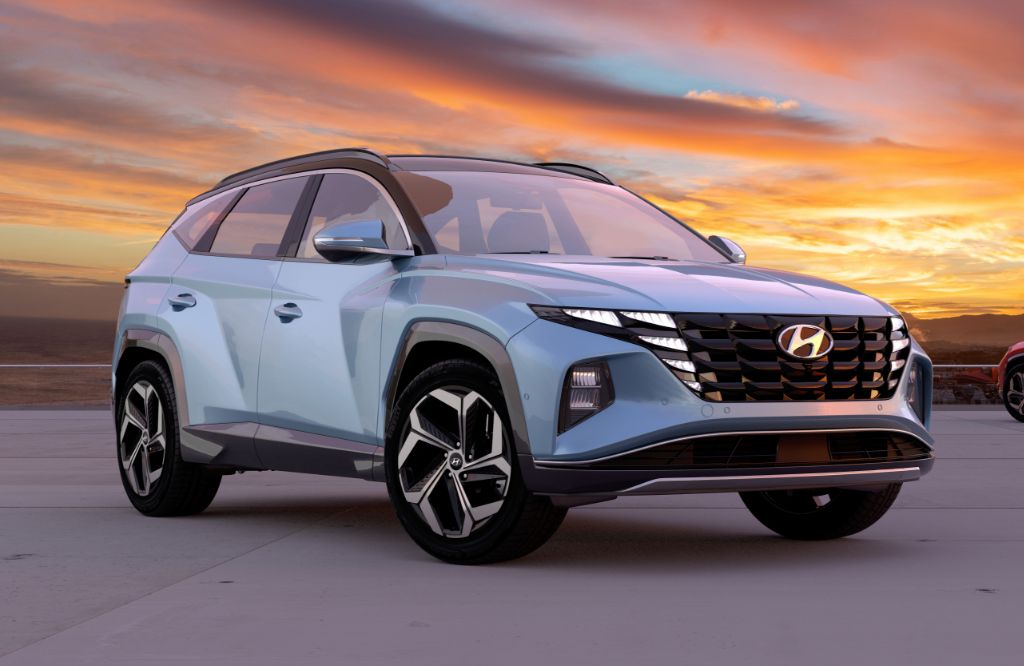
    Both solid picks in the mid-size SUV space. They include safety features such as lane-keeping, AEB, and blind-spot monitoring as standard. They are also known for their strong crash test results overseas and come with competitive pricing.

    Mazda CX‑60

    The Mazda CX-60 is a newcomer to South Africa, but it’s already making the list with its 5-star Euro NCAP rating: 88% for adults and 91% for child passengers. It’s a great choice if you want something modern, and safe.

    Volkswagen T‑Cross & Polo Vivo

    The VW T-Cross offers a smart balance between affordability and safety. It’s a popular choice for women who want a compact car with a strong safety record. The Polo Vivo, while not as highly rated as the T-Cross (4-star NCAP rating), remains a favourite for its practicality, solid build, and great handling. Plus, it’s perfect for tight parking spots!

    Lexus RX & NX

    For those looking for a car where luxury and safety meet, Lexus models are worth every rand. Both the RX and NX hold 5-star Euro NCAP ratings, with some of the highest safety scores for adults and children.


    RELATED: THE TOP INSURED CAR BRANDS IN SA


    Key Safety Features to Look For

    When shopping for the best cars for women in South Africa, look for:

    • AEB (Automatic Emergency Braking)
    • Blind-Spot Monitoring
    • Lane Keep Assist
    • Anti-Theft Tech


    RELATED: HOW TO AVOID CAR THEFT


    How to Choose the Right Car for You

    It’s all about your lifestyle.  City drivers might prefer a compact model like the T-Cross, while families may lean towards a RAV4 or CX‑60.

    Tips for Test Driving and Comparing Options

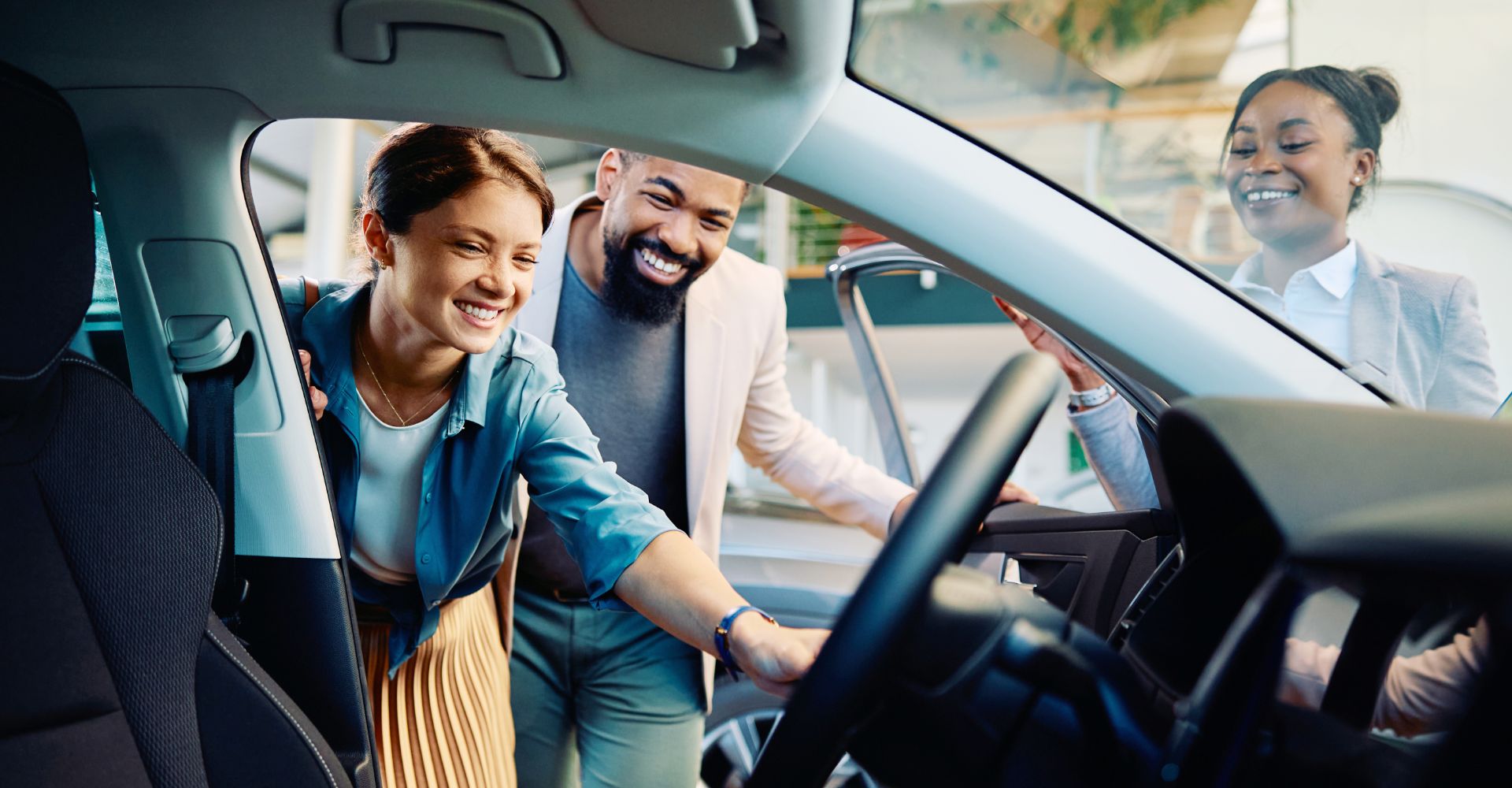
    • Test drive during both day and night to assess visibility and comfort changes with lighting.
    • Compare safety features, fuel efficiency, and resale value.
    • Check how the car fits your daily life: Is it easy to park? Do the safety systems feel intuitive?

    Pro tip: Pairing the right car with dotsure.co.za Motor Warranty means you can enjoy every drive without stressing about unexpected repair bills!

    If you’ve just upgraded and are already a dotsure.co.za fan, head to the Manage Portal and update your car details.


    Summary: Our Recommended Safest Cars for Women Right Now

    • Compact SUV: Toyota Corolla Cross
    • Mid-size SUV: Toyota RAV4
    • Family SUV: Mazda CX-60
    • Budget-friendly: VW T-Cross
    • Premium pick: Lexus RX/NX


    RELATED: ARE ASIAN CAR BRANDS CHANGING THE GAME IN SOUTH AFRICA?


    Safety is a Worry-Free Warranty

    Choosing the safest cars for women is just one part of the journey. Making sure your car is protected from expensive mechanical failures and surprise breakdowns with a motor warranty from dotsure.co.za is the other. Whichever vehicle you choose, make sure its parts are covered too.


    Get a quick motor warranty quote online and keep both you and your car safe on the road.

  • UNWRITTEN ROAD RULES FOR FEMALE DRIVERS IN SOUTH AFRICA

    UNWRITTEN ROAD RULES FOR FEMALE DRIVERS IN SOUTH AFRICA


    Sure, the official road laws matter. But let’s be real. Experience has taught us a few unwritten road rules that every female driver in South Africa should know.

    Another safety rule you shouldn’t skip: Game-changing car insurance from dotsure.co.za. Get a quote online or contact us today for more information.


    Road Safety Tips for Women Drivers

    We all know these ones: buckle up, keep your doors locked, and stay alert. But here are the tips you should drive by:

    • Keep your phone charged

    A dead phone means no Google Maps, emergency calls, or live location sharing.

    • Fuel up before driving late at night

    Avoid stopping at deserted petrol stations.

    • Plan your routes

    If possible, stick to main roads and skip the shortcuts through poorly lit or quiet areas.


    The Unwritten Rules for Staying Safe While Driving Alone

    Ladies, we know you know these unofficial road rules:

    • Stop streets after dark don’t count

    It’s an unwritten rule amongst all females: If it’s after 21:00 and there’s no traffic, we slow down, check our surroundings, and keep moving cautiously.

    • Not pulling over for strangers or ‘broken down’ cars

    If we feel something’s off, we drive off. It’s not that we don’t want to help or can’t help; it’s that we know better.

    • Parking smart

    Women always choose well-lit areas near entrances, and if there’s a camera or security guard nearby, that parking spot gets bonus points.

    • Leaving space at traffic lights or in traffic

    There will always be a safe gap from the car in front. It doesn’t matter if we are in a rush or in traffic; that gap is there just in case we need to drive off quickly.


    RELATED: FUNNY SOUTH AFRICAN DRIVING LAWS: THE UNWRITTEN ROAD RULES


    Safety Apps for Female Drivers

    Here are a few apps and features every woman driver should know about:

    • Waze: So much more than a navigation app. It is great because users can plot where they’ve spotted an abandoned vehicle, heavy traffic, or police. That way, we can see what’s happening on the road before getting there.
    • WhatsApp Live Location: Share your live location with a trusted contact so that they can track where you are on your trip.
    • MySOS: Great for quick access to local emergency numbers and medical help.
    • Life360: A family safety and location-sharing app that helps users stay connected and informed about their loved ones’ whereabouts and activities.

    Our Top Tip: If you’re meeting someone or heading somewhere unfamiliar, always send your ETA to a friend or family member


    Safe Driving Advice for Women in SA

    The thing is, no matter how careful you are, the road is unpredictable. Accidents and theft happen. While these unwritten road rules can keep you safe, dotsure.co.za car insurance can keep your savings secure.

    Get a personalised quote today or contact us for more info.

  • CAR TRIP INSTAGRAM QUOTES FOR GIRLS

    CAR TRIP INSTAGRAM QUOTES FOR GIRLS


    There’s nothing like a girls’ road trip. Long drives with good music, snacks, and many pics for the ‘gram. So, we wanted to help you with a library of the perfect Instagram quotes for girls’ trips, to go with all those sunset selfies and snack snaps!

    While we’re talking about road trips, don’t forget to check your car’s warranty before hitting the N2. dotsure.co.za’s motor warranty keeps your wheels and wallet covered when the unexpected happens.


    General Road Trip Captions for Instagram

    “Catch flights? Nope, we’re catching sunsets on the open road.”

    “No maps, just vibes.”

    “Windows down, volume up.”

    “Life is better with messy buns, playlists, and road trip puns.”

    “We don’t chase boys; we chase scenic routes.”

    “Current mood: windows down, hair everywhere.”

    “Keep calm and let’s get lost on purpose.”

    “The best therapy? A full tank and good company.”

    “Let’s wander where the WiFi is weak, but the snacks are strong.”


    Funny Road Trip Captions for Instagram

    “Road trips are just cheaper therapy sessions, with snacks.”

    “Warning: Unsupervised women on the loose.”

    “We’re 98% road trip, 2% knowing where we’re going.”

    “On a mission to find the best selfie spots.”

    “We didn’t choose the road trip life. The road trip life chose us.”

    “Just winging it. Life. Eyeliner. This road trip.”

    “Making memories and a few wrong turns”

    “If you listen closely, you can hear the sound of us trying to figure out where to eat next…”

    “We’re not lost, just ‘locationally’ flexible.”


    RELATED: DRIVING CAPTIONS FOR INSTAGRAM-WORTHY ROAD TRIPS


    Instagram Captions Based on Song Lyrics and Popular Quotes

    “Life is a highway, and I wanna ride it all night long.”

    “I’m on the highway to… coffee and snacks!”

    “Baby, you can drive my car.”

    “Oh darling, let’s be adventurers.”

    “Country roads, take me home.”

    “Just a small-town girl, taking a long drive anywhere.”

    “Adventure is worthwhile in itself.”

    “Only hang around people that are positive and make you feel good.”

    “Just grab a friend and take a ride, together upon the open road.”

    “We like pina coladas and getting caught in the rain.”

    “As soon as I saw you, I knew a grand adventure was about to happen.”


    Road Trip Captions with Friends

    “Road tripping with my ride-or-dies.”

    “Friends that road trip together, stay together.”

    “Not all girls are made of sugar and spice. Some are made of road trips and snacks.”

    “My favourite co-pilot? The one holding the snacks.”

    “Good friends never let you road trip alone.”

    “Here’s to late-night drives and laughter that makes your cheeks hurt.”

    “Real queens fix each other’s hair at red lights.”

    “Exploring new places is always sweeter with your favourite people.”


    The Ultimate Quote

    Next time you’re planning a road trip, remember to pack snacks, grab these Instagram quotes for girls, and make sure your car’s covered.

    Ready to hit the road? Get a quick quote online today and drive with peace of mind.


    RELATED: 25 THERAPEUTIC DRIVING QUOTES FOR THE NEW YEARS

  • HOW TO JUMP-START YOUR CAR LIKE A PRO

    HOW TO JUMP-START YOUR CAR LIKE A PRO


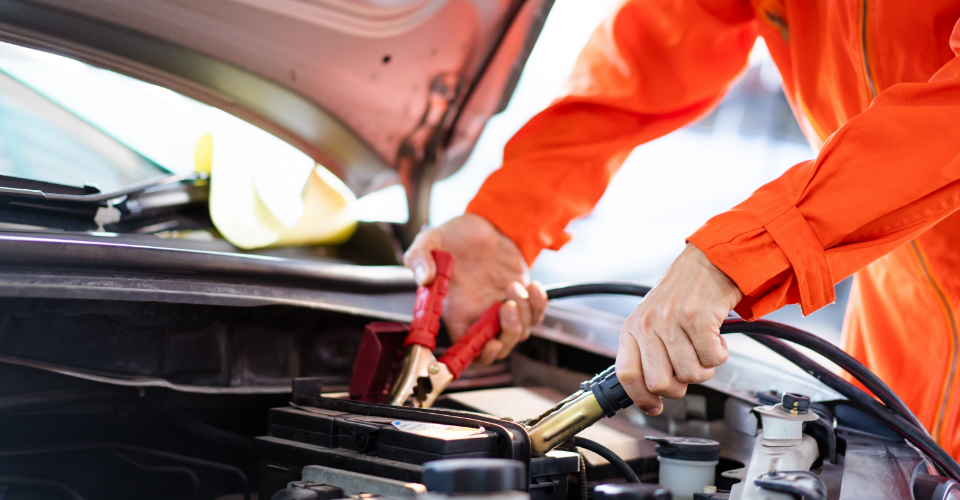
    There’s nothing like being in a rush, getting into your car, turning the key (or pressing a button), and all you get is a sad clicking sound. Now you’re sitting there with a flat battery and no idea how to jump-start a car or travel back in time to the moment you snoozed your alarm. Don’t worry; we’ve got you covered! Here’s how to give your dead car battery the little jump-start it needs!

    RELATED: TIKTOK CAR HACKS THAT ACTUALLY WORK


    Steps to Jump-Start a Car

    Step 1: Get Your Equipment

    • A working car with a fully charged battery
    • A set of jumper cables
    • A little patience

    Step 2: Line Up Both Cars

    Park the working car close enough for the cables to reach without the two cars touching. Ensure both vehicles are in neutral, all lights are turned off, accessories are unplugged, and hand brakes are engaged. Turn off both engines.

    Step 3: Connect the Jumper Cables

    • Red to dead: Attach the red (positive) clamp to the dead battery’s positive terminal.
    • Red to good: Attach the other end of the red clamp to the working battery’s positive terminal.
    • Black to good: Attach the black (negative) clamp to the working battery’s negative terminal.
    • Black to metal: Attach the final black clamp to an unpainted metal part on the engine block or chassis of the dead car.

    Pro tip: It is essential to always consult your car’s user manual, as battery specifications can vary between different vehicles.

    Step 4: Start Your Engines

    • Start the working car’s engine and let it run for a few minutes.
    • Then, try starting the dead car. If it roars back to life, success! If not, wait a few more minutes and try again.

    Step 5: Remove the Cables (In reverse order)

    • Black from metal
    • Black from good battery
    • Red from good battery
    • Red from dead battery

    Step 6: Keep It Running

    Once your car is running, keep it running for at least 15 minutes or take it for a spin around the block to recharge the battery. If the battery dies again, you may need a new one.

    RELATED: HOW LONG DO CAR BATTERIES LAST?


    Cover For Car Parts

    Now that you know how to bring your car back to life, why not jump-start your cover with an extended car warranty from dotsure.co.za? A flat battery is one thing, but a mechanical or electrical failure could leave you stuck for much longer (and with a pricey repair bill). Get a quote today and drive with a warranty, not worry!

  • KNOW YOUR RIGHTS WHEN PULLED OVER IN SOUTH AFRICA

    KNOW YOUR RIGHTS WHEN PULLED OVER IN SOUTH AFRICA


    Getting pulled over can make anyone feel like they have broken the law, even if it’s just a routine roadblock in South Africa. If you’re unsure what the law says about your rights when pulled over, let’s unpack what you need to know so you can stay calm, compliant, and confident the next time a blue light flashes behind you.

    Pro tip: If you’re insured with dotsure.co.za car insurance, you already have peace of mind when something unexpected happens on the road. If not, maybe it’s time to change that? Get a quick quote right now and then come back to discover your legal rights at roadblocks and routine checks!
     

    Understanding Your Rights When Pulled Over

    In South Africa, you must stop when instructed by a uniformed traffic officer or police official. This isn’t optional. But while you’re obligated to stop, you also have rights to protect you from unlawful treatment.

    • You can ask for identification from the officer. They must produce an official appointment certificate.
    • You have the right to know why you were stopped, whether it’s a routine check or suspicion of an offence.
    • You cannot be forced to pay cash on the spot for a fine. EFT or payment at the traffic department is the correct process.


    Roadblocks in South Africa: What’s Legal and What’s Not

    • K78 Roadblocks: These are planned and legally authorised by the National or Provincial Commissioner. Officers here have broader powers. They can search vehicles without a warrant if they have reasonable suspicion.
    • Informal Checkpoints: These are your random license or sobriety checks. Officers cannot randomly search your car without consent unless they have probable cause.

    Pro Tip: If you’re unsure whether it’s a K78, politely ask for the authorisation certificate. Yes, you’re allowed to do that.


    RELATED: HOW TO CHECK YOUR DRIVING LICENCE STATUS IN SOUTH AFRICA


    The Difference Between Roadblocks and Roadside Checks

    • Roadblocks are fixed points with multiple officers and signage, usually checking licenses and registrations or enforcing laws.
    • Roadside checks are usually just a single officer stopping cars for quick compliance checks such as licenses, tyres, lights or safety belts.


    What Traffic Officers Can and Cannot Do

    They can:
    ✔ Ask for your driver’s license and car registration.
    ✔ Issue fines for valid traffic violations.
    ✔ Impound a vehicle only under certain legal conditions (eg, if the car is unroadworthy).

    They cannot:
    ✖ Demand bribes or cash on the spot.
    ✖ Search your phone without a warrant or strong suspicion.
    ✖ Arrest you without cause.


    RELATED: WHAT MAKES A CAR UNROADWORTHY? HERE ARE 8 SIGNS


    Search and Seizure: Know Your Rights

    Officers may only search your vehicle if:

    • It’s a K78 roadblock, or
    • They have reasonable suspicion of an offence, or
    • You give consent.

    If they impound your vehicle, they must give you a written notice detailing the reason.


    What To Do If Your Rights Are Violated at a Roadblock

    • Stay calm.
    • Take note of the officer’s name and badge number.
    • If possible, discreetly record the interaction. Yes, it’s legal for your own safety.
    • Report misconduct to the SAPS complaints division or a legal professional afterwards.


    Practical Tips to Stay Safe and Compliant

    • Keep your license and car documents up-to-date.
    • Stay polite, even if the situation feels tense or you are frustrated.
    • Never offer a bribe. It’s a criminal offence for both parties.

    Roadblocks are there to keep roads safe, but understanding your rights when pulled over can help you avoid unnecessary stress.


    Another tip for handling unnecessary stress is knowing you’re protected for the unexpected! Get peace of mind with dotsure.co.za car insurance. Get an instant quote online or contact us today.

  • DOES INSTALLING A CAR AUDIO VOID THE WARRANTY?

    DOES INSTALLING A CAR AUDIO VOID THE WARRANTY?


    There’s nothing quite like blasting your favourite playlist on a road trip. But sometimes those standard car radios just aren’t doof-doof enough, you know? So, does installing car audio void the warranty on your car? Not always, but it can if you don’t play by the rules.

    Your car warranty is there to cover you when certain parts fail or need repairs due to breakdowns or mechanical failures, but aftermarket upgrades like that new sound system can raise red flags. Before you put all your money in the boot of your car, let’s unpack what you need to know.

    RELATED: WHICH CAR MODS WILL VOID A WARRANTY?


    What Does Your Car Warranty Actually Cover?

    An extended car warranty usually covers mechanical and electrical failures such as engines, gearboxes, fuel systems, and onboard electronics. However, it doesn’t cover damage caused by aftermarket parts, dodgy DIY installations, or upgrades that compromise your car’s original systems.

    So, if that booming subwoofer installation fries your electrical wiring, you could be left paying the repair bill yourself.


    RELATED: WHAT DOES YOUR EXTENDED CAR WARRANTY ACTUALLY COVER?


    Aftermarket Audio Upgrades: Do They Void a Car Warranty?

    Simply adding an aftermarket sound system doesn’t automatically void your entire car warranty. But, as we mentioned previously, if the installation damages or interferes with the car’s electronics, sensors, or battery, your warranty on those affected components may no longer apply.

    Manufacturers and dealers take no responsibility for non-OEM (Original Equipment Manufacturer) modifications. Basically, if they can prove the fault is linked to your new sound system, you’re on your own.


    How to Install Car Audio Without Risking Your Warranty

    Do you want to keep pumping up the jam and keep your warranty intact? Here’s how:

    • Use a dealer-approved installer: Many dealerships have partnerships with trusted sound specialists.
    • Choose high-quality components: Cheap, low-grade equipment is more likely to cause electrical problems.
    • Get it documented: Keep your receipts and ask the installer to provide a professional report confirming they didn’t alter or damage the car’s wiring.


    Dealer vs. Independent Installation: Which Is Safer for Your Warranty?

    Dealerships will often charge more for audio installations, but they’ll usually ensure the warranty remains unaffected. Independent installers can be just as good, but the key is finding someone reputable who knows modern vehicles and their complex electronics.

    If you go the independent route, ask them directly: “Can you install this without voiding my warranty?” The pros will know how to avoid warranty voids.


    RELATED: RMI-APPROVED WORKSHOPS


    FAQs About Car Audio and Warranties

    What if I remove the sound system before claiming warranty?

    If the damage was already caused by the installation, removing the system won’t help.

    Is a warranty claim possible if I have proof of professional installation?

    Yes. Documentation helps to prove you didn’t mess with the factory wiring.


    RELATED: WARRANTY KNOW-HOW: YOUR MOST COMMON QUESTIONS ANSWERED


    Our Final Song on Car Audio and Warranties

    To answer the question, “does installing car audio void the warranty?”. Your killer sound system doesn’t have to kill your warranty. Just ensure it was professionally installed and that nothing interferes with your vehicle’s original wiring or electronics.

    dotsure.co.za’s extended car warranty is designed to protect your car’s most vital parts. Do you need more info? Get a quick quote online or contact us for more info about how to keep your car parts in tune.

  • FIERCE WOMEN IN MOTORSPORTS

    FIERCE WOMEN IN MOTORSPORTS


    We’re spotlighting some of the incredible women in motorsports who are transforming the track as we know it! Once seen as a male-dominated lane, motorsports is embracing a dynamic shift where women accelerate change, set new records, and redefine what’s possible when they’re in the driver’s seat.

    Maybe you’re not tearing up the track, but your daily drive still deserves winning protection. Get a quick car insurance quote with dotsure.co.za and cruise with confidence.


    RELATED: THE SAFEST CARS FOR WOMEN IN SOUTH AFRICA


    Tasmin Pepper

    VW Cup racer Tasmin Pepper has competed on international stages such as the W Series. Not only is she a fierce competitor, but she is also an inspiration for many young women with a need for speed. Tasmin has also coached young Tyler Robinson, who debuted on the karting track at only 9 years old.


    Nicole van Aswegen

    Known as South Africa’s fastest female superbike racer, “Nix21” has competed against some of the top female riders from around the world. An adrenaline junkie at heart and an inspiration to young girls across South Africa, Nicole is a rider who proves that if you keep racing for your dreams, you can achieve anything.


    Morongoa (Mo) Mahope

    The first black female superbike racer in South Africa, Morongoa Mahope aka “Mo83”, only learned how to ride a bike at 30. However, it’s been full throttle ahead ever since, with a fierce determination to prove that motorsport and women do belong together.

    Morongoa Mahope and Nicole van Aswegen are also South Africa’s only female superbike racing duo. They have established a non-profit company called Basadi in Motorsports. Their aim? By focusing on rider development and safety campaigns, they’re bringing the world of motorsports to a female audience and creating opportunities for women on the track.


    Emma‑Rose Dowling

    South Africa’s karting prodigy, 14-year-old Emma‑Rose Dowling, recently represented the FIA Women in Motorsports Commission at the 2025 FIA Karting Academy Trophy in Valencia. Racing under the Toyota Gazoo Racing Junior Academy flag, she’s earned podiums in the Rotax Junior MAX series and continues to gain vital experience across Europe.


    Chloe Stuart

    As a karting champion turned single-seater contender, Chloe is quickly building her profile and filling her trophy cabinet. Her journey illustrates the hard work and dedication of women climbing the motorsports ladder.


    Hannah Lee Daniel

    At just 17, Durban-born Hannah Lee Daniel races in the national MSA4 single-seater, regional Rotax DD2, and Rok OK-N karting series.  Inspired by Formula 1 role models, she focuses on success that inspires other women.


    Ready to Hit the Track with Confidence?

    Whether you’re a fierce woman in motorsport or just making school laps, every drive matters! With dotsure.co.za car insurance, we’ll keep you covered at every turn. Do you need some more info? Contact us today and we’ll help you customise your car cover.

    RELATED: CELEBRATING WOMEN IN THE AUTOMOBILE INDUSTRY

  • CELEBRATING WOMEN IN THE AUTOMOBILE INDUSTRY

    CELEBRATING WOMEN IN THE AUTOMOBILE INDUSTRY


    The automobile industry in South Africa is full of revved-up females! Despite the stigmas and stereotypes out there, more and more women leaders in auto repair are showing us that this male-dominated field is no longer off-limits. And, at dotsure.co.za, we’re all about supporting those who drive change.


    RELATED: FIERCE WOMEN IN MOTORSPORT


    Meet Charmaine Pule: A Leader in Auto Body Repairs

    Charmaine Pule is a Director at DME Auto Body Repairs, where she plays a pivotal role to ensure high-quality service and fostering a positive work environment.


    What Does It Mean to Be a Director?

    Team Management:

    “I oversee the team of auto body repair technicians and coordinate their work schedules, assignments, and training. I ensure the team works efficiently to meet deadlines and maintain high-quality repairs.”

    Customer Relations:

    “I interact with customers, providing estimates for repairs, explaining the repair process, and addressing any concerns or questions they may have. Maintaining excellent customer service is crucial for customer satisfaction and retention.”

    Safety Compliance:

    “Safety is a top priority for me. I enforce safety protocols and ensure that all employees follow proper safety procedures to prevent accidents and injuries.”

    Equipment Maintenance:

    “I ensure that all tools and machinery are in good working condition and arrange for repairs or replacements as needed.”

    Training and Development:

    “I identify training needs for the staff and provide opportunities for skills development. This includes staying updated with the latest repair techniques, technology, and industry trends.”

    Business Development:

    “I am involved in business development activities, such as networking with potential clients, collaborating with insurance companies, and promoting the shop’s services to increase business opportunities.”


    Challenges for Women in the Automotive Industry

    “Operating as a female in a male-dominated industry, such as auto body repairs, can present several unique challenges. These challenges, I have noticed, arise due to traditional gender stereotypes, cultural norms, and ingrained biases within the industry.

    Some of the key challenges I have faced as a female include:

    • Gender bias and stereotypes
    • Lack of representation
    • Unequal opportunities
    • Balancing work-life demands.

    Despite these challenges, I am proudly growing by leveraging unique perspectives, communication skills, and problem-solving abilities in this male-dominated industry. I have vowed to create a supportive workplace culture, fostering diversity and inclusion, and promoting gender equality initiatives that help to address these challenges and create a more equitable environment for all employees.”


    Inspiring the Next Generation of Women in the Automobile Industry

    “There was a time when I entered a panel shop, and only men were working there. All of them were between the ages of 45 and 70. Only one woman was working there, the cleaner. This is when I decided to follow this career. I was certain that I wanted to alter the perspective. I wanted to make a difference. I tried to influence how people, and especially young people, view the automotive business. I wanted to run a repair shop. In addition, I wanted to support women to become technicians and executives in the car body restoration sector. I wanted to encourage more young people to enter the profession. So, now I am here helping to develop the next generation of automotive leaders, as I believe they will make a positive impact on the industry.”


    Advice for Aspiring Women in the Automobile Industry

    “For females in the auto body repair industry, pursuing a career in a male-dominated field can be rewarding and challenging. Here are some pieces of advice to help navigate and succeed in this industry:

    • Believe in yourself and your abilities.
    • Embrace learning new skills.
    • Find mentors and allies who can provide guidance and support.
    • Develop strong communication skills.
    • Ignore stereotypes and prove your capabilities through your actions and dedication.
    • Engage in industry events, workshops, and conferences. Networking can open doors to new opportunities and help you build a strong professional network.
    • Look for employers and workplaces that foster an inclusive and respectful environment.
    • Support other women in the industry. Encourage and uplift one another, and together, you can contribute to breaking down gender barriers.
    • Take pride in your work and celebrate your accomplishments.

    Remember, your gender does not define your abilities. By staying committed to your goals, continuously improving your skills, and embracing your passion for auto body repairs, you can thrive in this challenging yet rewarding industry.”


    Final Thoughts

    Women like Charmaine Pule are proof that the automobile industry is evolving for the better. Whether you’re in the workshop or just on the road, you deserve cover that supports you, too. Get a quick motor warranty quote from dotsure.co.za today and enjoy the ride knowing you’re protected.

  • WARNING: DRIVING WITH KILLER HEELS IS DANGEROUS!

    WARNING: DRIVING WITH KILLER HEELS IS DANGEROUS!


    Driving with heels may look stylish, but it’s not exactly the safest way to hit the road. Your choice of footwear can make a big difference when it comes to how quickly and safely you can react behind the wheel. So, let’s talk about the risks of driving with heels and which shoes are best for the road.

    Driving without car insurance? We’d say that’s pretty dangerous too! Get tailored cover today so that you’re protected on the road!


    Is it Okay to Drive with High Heels?

    Technically, yes. It is possible to drive with high heels, but it’s not recommended. Heels can make it harder for you to press the pedals correctly.

    • The narrow heel can slip off the pedal.
    • Your foot angle is awkward, which can reduce control.
    • Thicker platforms or wedges limit pedal sensitivity.

    Pro tip: Keep a pair of flat shoes or driving shoes in your car and switch out your heels when you get behind the wheel. You can still arrive in style but at least you’ll get there safely.


    RELATED: THE UNWRITTEN ROAD RULES FOR FEMALE DRIVERS


    What Is the Best Footwear for Driving?

    The best shoes for driving in South Africa are ones that give you maximum control, flexibility, and grip. Thin-soled sneakers or flat loafers allow you to feel the pedals while keeping your foot steady. Driving shoes made with rubber soles and soft leather are ideal because they don’t slip off.


    How Does Footwear Affect Driving Safety?

    Your footwear affects your reaction time and control. Shoes with thick soles, heels, or heavy boots can limit pedal feedback. Even flip-flops are risky because they can get caught under the pedal or slip off entirely.


    What Shoes Should You Avoid When Driving?

    • High heels or wedges: awkward angles and reduced control.
    • Flip-flops: too loose and slippery.
    • Heavy boots: bulky and reduce pedal feel.
    • Platform shoes: no flexibility and can delay braking response.


    RELATED: IS IT ILLEGAL TO DRIVE BAREFOOT?


    Safety First

    Driving with heels is risky business. It’s better to keep a pair of comfy flats or sneakers in your car to swap out before driving. And while you’re thinking about safety, remember that having reliable car insurance from dotsure.co.za is another smart move.

    Are you already insured with us? Log in to your manage portal to check your cover or contact us if you have any questions.


  • WHEN WILL THE DEMERIT SYSTEM BE IMPLEMENTED IN SOUTH AFRICA?

    WHEN WILL THE DEMERIT SYSTEM BE IMPLEMENTED IN SOUTH AFRICA?


    South Africa’s demerit system (under the AARTO Act) has been in the works for years, due in part to pandemic delays and legal reviews. While earlier plans set triggers in 2020 and 2021, we now finally have clarity on what’s coming.

    Do you need clarity on your car insurance cover with dotsure.co.za? Log in to Manage Portal or contact us and we’ll help you out!


    What Is the AARTO Demerit System?

    The Administrative Adjudication of Road Traffic Offences (AARTO) Act introduces a demerit point system aimed at disciplining drivers via administrative penalties. This Act decriminalises many minor traffic infringements and shifts the burden off overcrowded courts.


    When Will the Demerit System Be Rolled Out?

    • December 1, 2025: AARTO’s digital infrastructure and fine-processing system will go live in the first 69 municipalities, which are major metros like Johannesburg, Cape Town, and Pretoria.
    • February 1, 2026: A further roll‑out to remaining municipalities.
    • September 1, 2026: The full demerit point portion officially kicks in. This means accumulating 15 points will lead to licence suspension, with subsequent suspensions possibly resulting in cancellation and the need to reapply.


    How Does the Demerit Point System Work?

    Every South African driver will start off with zero points on their driving licence, and for every infringement, they will gain points according to the severity of their offence.

    You could be fined anywhere between 1 point (for example, operating a vehicle with a damaged light) and up to 6 points (for example, failing to stop your vehicle for a traffic officer).

    The aim of the game is to keep your points as low as possible, because once you reach 15 points you will be disqualified from operating a vehicle for a specified amount of time.


    The Points Breakdown for Various Offences

    1 Demerit point

    • Driving an unregistered vehicle
    • Driving an unlicensed vehicle
    • Driving a vehicle with the licence plate not visible
    • Driving while holding and using a cell phone
    • Skipping a stop sign (light vehicles)
    • Skipping a red light (light vehicles)
    • Failing to yield to a pedestrian
    • Overtaking across a barrier line (light vehicles)

    2 Demerit points

    • Skipping a stop sign (buses, trucks)
    • Skipping a red light (buses, trucks)
    • Overtaking across a barrier line (buses, trucks)
    • Driving 81-85 km/h in a 60 km/h zone
    • Driving 121-125 km/h in a 100 km/h zone
    • Driving 141-145 km/h in a 120 km/h zone

    3 Demerit points

    • Driving 106 -110 km/h in an 80 km/h zone

    4 Demerit points

    • Driving without a driving licence
    • Driving 131-135 km/h in a 100 km/h zone
    • 151-155 km/h in a 120 km/h zone

    5 Demerit points

    • Overloading a vehicle with max 56 000 kg combination mass by 12-13,99%

    6 Demerit points

    • Driving under the influence of an intoxicating substance
    • Driving 100 km/h+ in a 60 km/h zone
    • Driving 120 km/h+ in an 80 km/h zone
    • Driving 140 km/h+ in a 100 km/h zone
    • Driving 160 km/h+ in a 120 km/h zone


    What Happens If You Exceed the Points Limit?

    Your licence is suspended when you hit 15 demerit points, and every point beyond that adds another month of suspension. If you reach three suspensions, your licence will be revoked.


    How to Prepare for the Demerit System

    • Keep an eye on AARTO communications.
    • Maintain a clean driving record.
    • Pay or dispute fines within 32 days to reduce costs.
    • Follow road laws.
    • Track your demerit points as AARTO kicks in.

    The AARTO demerit system may feel overwhelming, but knowledge is power. Understanding when it will be implemented in South Africa helps you stay ahead.


    Do you need car insurance that works with your lifestyle? dotsure.co.za’s Name Your Price™ gives you flexible, affordable cover to protect your ride, whether AARTO is in full swing or not. Get your free quote today!


  • ARE ASIAN CAR BRANDS CHANGING THE GAME IN SOUTH AFRICA?

    ARE ASIAN CAR BRANDS CHANGING THE GAME IN SOUTH AFRICA?


    In recent years Asian car brands have gained serious traction in South Africa. These vehicles are becoming top contenders for drivers who want value without compromise. And with so many new models on offer, it’s more important than ever to ensure you’re protected with the right car insurance.


    RELATED: TOP INSURED CAR BRANDS IN SA


    Chinese Car Brands

    Once met with skepticism, Chinese cars in South Africa are proving their worth in quality, design, and reliability.

    BYD

    Short for “Build Your Dreams”, BYD is revolutionising the EV market. Its Atto 3 has already made a splash globally and is now available in South Africa, offering an electric driving experience at a competitive price.

    NIO

    Although not officially launched locally, NIO’s buzz in the global EV space is undeniable. Known for its sleek designs and battery-swapping innovation, this Chinese brand could soon shake up South Africa’s premium EV sector.

    Geely

    Geely’s quiet rise is turning heads. With ownership stakes in Volvo, Lotus, and Proton, Geely delivers stylish and high-quality vehicles like the Coolray, already available in some markets.

    GWM

    Already a well-known name, GWM (Great Wall Motors) and its Haval sub-brand are surging in popularity. The P-Series bakkie and H6 SUV have been standout performers, offering both durability and modern tech.


    Japanese Car Brands

    Japanese car brands have long been a staple in South Africa for their dependability and lower maintenance costs.

    Toyota

    An all-time favourite, Toyota continues to dominate local sales charts with models like the Hilux, Fortuner, and Corolla Cross. Their balance of reliability and resale value is tough to beat.

    Honda

    Honda cars, such as the Ballade and HR-V, are practical and efficient with a reputation for longevity. Ideal for daily commuters and families, Honda is a quiet achiever on our roads.

    Nissan

    Nissan’s Navara, Qashqai, and Magnite bring strong design and innovation to the SUV and crossover market. With local manufacturing and solid dealer support, Nissan remains a dependable option.

    Subaru

    For drivers who love adventure, Subaru offers all-wheel-drive performance with models like the Forester and Outback. Known for their safety and handling, they’re a niche favourite with loyal fans.


    South Korean Car Brands

    Cars from South Korea are proving you don’t have to sacrifice style for substance.

    Hyundai

    Hyundai’s Tucson, i20, and Creta are packed with features that punch above their price range. With long warranties and a reputation for reliability, Hyundai is a strong contender in every segment.

    Kia

    Kia has transformed from budget brand to style leader. The Sonet, Seltos, and Sportage offer youthful flair and comfort, making them popular choices amongst urban drivers.

    Genesis

    Genesis, Hyundai’s luxury arm, isn’t yet widely available in South Africa, but the buzz is building. Known for world-class interiors and premium features, Genesis could soon challenge luxury wheels on local soil.


    Indian Car Brands

    Indian car brands have been gaining momentum in South Africa for several years now, offering affordability and ruggedness that suit local needs.

    Tata Motors

    Tata has long been known for commercial vehicles, but its passenger cars are becoming more refined. With budget-friendly options like the Tiago, Tata appeals to first-time buyers and value-seekers.

    Mahindra

    Mahindra has earned its place in the local market with the Scorpio-N SUV and Pik Up bakkie. Built for durability, Mahindra’s vehicles are especially popular in rural and off-road applications.

    Maruti Suzuki

    Maruti Suzuki powers many of the Suzuki models sold in South Africa, including the Swift and Dzire. Known for fuel efficiency and easy maintenance, they’re ideal for urban life and tight budgets.


    Ready to Hit the Road?

    Make sure your trusted ride is backed by insurance you can count on. dotsure.co.za offers customisable car insurance options (with exclusive benefits) to suit your lifestyle.

    Thinking of switching? Contact us today, and let’s get you on the road!

  • HOW TO AVOID CAR THEFT IN SOUTH AFRICA

    HOW TO AVOID CAR THEFT IN SOUTH AFRICA


    Car theft is a growing problem in South Africa. No car, regardless of make or model, is completely immune. With syndicates getting smarter and theft methods more sophisticated, it’s essential to take proactive steps to protect your vehicle. While practical precautions go a long way, having reliable car insurance is essential in case the worst happens.


    RELATED: DOES INSURANCE COVER HIJACKING?


    Why South African Car Theft Is a Growing Concern

    South Africa continues to experience high rates of vehicle theft. According to crime statistics, thousands of cars are stolen each year, many of which are never recovered. Whether for illegal resale, parts stripping, or cross-border smuggling, stolen vehicles are in high demand. It’s not just luxury SUVs or bakkies that are targeted. Everyday cars used for school runs or commutes are also on the hit list.


    Key Risk Factors That Make a Car a Theft Target 

    What makes a car a target? Thieves typically go for vehicles that are:

    • Easy to break into or start without detection
    • Parked in poorly lit or isolated areas
    • High in resale value or parts demand
    • Frequently driven models, which blend into traffic
    • Lacking visible or audible anti-theft deterrents.


    Practical Tips on How to Prevent Car Theft

    Use Anti-Theft Devices

    Popular options include steering wheel locks, gear locks, immobilisers, alarm systems, and GPS trackers. Many criminals will move on if they see even one of these installed, especially devices that are visible from outside the vehicle.

    Avoid Parking in High-Risk Areas

    Always aim to park in well-lit, secure, and monitored areas. If possible, choose parking spots covered by CCTV or patrolled security. Avoid leaving your car in the same public spot overnight, and try to vary your parking habits to avoid being monitored by syndicates.

    Don’t Leave Valuables in Sight

    A handbag, phone, or laptop bag left on the seat (even if empty) can tempt thieves to break in. Always lock away valuables in the boot or take them with you. Smash-and-grab crimes are a major contributor to vehicle damage and theft.

    Lock Up. Always

    It sounds basic, but how do you prevent car theft? Start by locking your car, even if you’re stepping away for just a minute. Be aware of remote jamming and always confirm that your car is locked by physically testing the door handle before walking away.


    How Anti-Theft Tech Can Help

    Today’s technology offers drivers more tools than ever before to protect their vehicles. Real-time tracking devices can help you and authorities recover a stolen car faster. Some systems allow remote shutdown of the vehicle, while dash cams with parking mode can act as a deterrent and evidence collector.

    Here’s a bonus: dotsure.co.za car insurance includes the installation of a state-of-the-art telematics device by Netstar. This smart system notifies you when entering unfavourable areas, and offers quick access to our emergency line, amongst other benefits.


    What to Do if Your Car Gets Stolen

    If your car is stolen:

    1. Report it to the SAPS immediately with your vehicle’s details.
    2. Notify your car tracker company (if installed) for immediate action.
    3. Contact your insurance provider to start the claims process.
    4. Alert your bank if your car is financed.

    Acting quickly increases your chances of recovery and smooths the insurance claim process.


    How Car Insurance Helps After a Theft

    Even the best precautions aren’t foolproof. That’s why comprehensive car insurance is essential. It covers theft, damage caused during attempted theft, and other risks such as hijacking or malicious damage.

    At dotsure.co.za, we offer customisable car insurance designed to keep you covered when it matters most.

    Need help protecting your car? Contact us today, or simply hop online to get a quote!

  • WHERE TO START WHEN IT’S TIME FOR A NEW CAR

    WHERE TO START WHEN IT’S TIME FOR A NEW CAR


    We’ve all been there. Your trusty ride starts sounding a bit rough, repairs are getting more frequent, and the fuel bill is starting to feel personal. When you decide it’s time for a new car, the next steps can become overwhelming. For many South Africans, the decision involves affordability, safety, and lifestyle. And yes, that means getting car insurance, too.


    At What Point Is It Time for a New Car?

    Your car needs to take you from point A to B, safely. If it seems like it can’t do that anymore, it’s time to say goodbye.

    Weighing Repair Costs vs Long-Term Reliability

    Issue

    What it Could Mean

    Frequent, costly repairs

    Your car might be more expensive to maintain than it’s worth.

    One major repair (gearbox, engine) costs more than half the car’s value.

    Time to consider an upgrade.

    Unreliable starts

    Your vehicle may no longer be roadworthy or safe.

    Outdated safety features

    Newer models offer better protection for you and your passengers.

    Poor fuel economy

    You’re spending more than you need to every month.

    Persistent check engine light

    Something could be seriously wrong under the hood.


    RELATED: SIGNS YOUR CAR IS NOT ROADWORTHY


    What to Do First When Getting a New Car

    So, you’ve decided to take the plunge. Great! But before you run off into the sunset with a shiny new set of wheels, here’s where to start.

    Setting a Realistic Budget

    Remember to factor in the costs of fuel, insurance, maintenance, licensing fees, and potential finance charges. Don’t forget to look at the total cost of ownership, not just monthly instalments.

    Researching Models That Fit Your Needs

    Do you need boot space for kids and groceries? Or something compact for city traffic? Compare makes, models, and reviews. Keep reliability, resale value, and the service network in mind.


    RELATED: HIDDEN COSTS OF CAR OWNERSHIP


    What Is the Best First Car in South Africa?

    Buying your first car? Start here.

    Top Picks for Safety and Affordability

    South Africans love budget-friendly hatchbacks that still pack a punch. Models such as the Suzuki Swift, Toyota Starlet, VW Polo Vivo, and Renault Kwid are top contenders thanks to their reliability, safety ratings, and affordable running costs.

    Matching Your Car Choice to Your Lifestyle

    City drivers might prioritise fuel economy and compactness, while off-roaders and road-trippers might need something tougher. Whatever your vibe, there’s a car that fits it (and your budget).


    How Does Car Insurance Work When Buying a New Car?

    When you buy a new car, you’ll need to insure it before driving it off the lot (especially if it’s financed). You can usually transfer your current policy or take out a new one altogether.

    Your premium will depend on the car’s value, your driving history, where you live, and whether you install any added tech like trackers.


    Make the Move with Confidence

    There’s no shame in saying goodbye to your old car. It served you well. But if it’s costing more than it’s worth, compromising your safety, or just no longer suits your needs, it might be time to upgrade.

    When you’re ready to hit the road in something new, don’t forget to sort out your cover. Visit dotsure.co.za to get a quick quote, or contact us for help.


    RELATED: NEW VS USED CARS

  • UNDERSTANDING CAR PARTS: GLOW PLUGS VS SPARK PLUGS

    UNDERSTANDING CAR PARTS: GLOW PLUGS VS SPARK PLUGS


    What is the difference between a glow plug and a spark plug? These two car parts sound similar, but they each serve their own purpose. Knowing which is which can help you understand your vehicle’s performance and maintenance needs. If you’re thinking long-term about your vehicle’s health, an extended motor warranty can go a long way to cover costly repairs.


    What Is a Glow Plug?

    Glow plugs are heating devices used in diesel engines to help with starting, especially in cold weather. They work by warming the air in the combustion chamber to a temperature high enough to ignite fuel.

    Its Role in Diesel Engines

    Diesel engines rely on compression to ignite fuel, not a spark, like petrol engines. In cold conditions, the air-fuel mixture might not reach a high enough temperature to ignite on its own. Glow plugs act like little toasters inside your engine, heating things up quickly to get your car started smoothly.

    How Glow Plugs Operate

    Glow plugs are switched on when you turn the key (or press the start button), and they begin to heat the combustion chambers. Once the engine is running, they usually switch off, although some modern vehicles keep them running briefly to reduce emissions and ensure efficient operation.


    What Do Spark Plugs Do

    If you drive a petrol-powered car, you’ll be more familiar with spark plugs. They’re essential for starting and running your engine.

    Spark Plug Function in Petrol Engines

    Unlike diesel engines, petrol engines need a spark to ignite the air-fuel mixture. That’s exactly what spark plugs do. They deliver a small, high-voltage jolt of electricity to create a spark that kicks off combustion.


    Spark Plugs vs Glow Plugs

    While both parts live in the engine and are involved in combustion, they’re used in entirely different types of engines. Here’s a quick side-by-side:

    Feature

    Spark Plug

    Glow Plug

    Engine Type

    Petrol

    Diesel

    Function

    Creates spark to ignite fuel

    Heats chamber to aid ignition

    Activation

    During engine start & run

    Primarily during cold starts

    Failure Symptoms

    Misfires, rough idling

    Hard starts, white smoke


    Signs of Failing Glow Plugs and Spark Plugs 

    • Glow Plug Issues: If your diesel engine takes forever to start, especially on chilly mornings, your glow plugs might be on their last legs. Other signs include white smoke from the exhaust and poor fuel efficiency.
    • Spark Plug Problems: Misfiring, engine knocking, a rough idle, and decreased acceleration can all point to worn-out spark plugs.

    Effects on Vehicle Performance

    Neglecting these parts can lead to sluggish performance, higher fuel consumption, and even permanent engine damage over time. That’s why recognising early signs of failure is so important.


    Protect Your Engine & Your Pocket

    Understanding the basics of how car components work is important to keep your vehicle running at its best. And while you can manage some maintenance yourself, bigger issues can become expensive. That’s where a worry-free extended motor warranty can give you peace of mind.

    To explore our cover options for your ride, visit dotsure.co.za or contact us today. We’re here to help you keep your car in tip-top shape, from bumper to tailpipe!


    RELATED: EXPENSIVE CAR PARTS YOU NEED TO INSURE

  • DRIVING CAPTIONS FOR INSTAGRAM-WORTHY ROAD TRIPS

    DRIVING CAPTIONS FOR INSTAGRAM-WORTHY ROAD TRIPS


    There’s nothing quite like hitting the open road with your favourite playlist and the perfect view unfolding before you. The memories you make on a road trip deserve to be shared, and what’s a great post without the perfect caption? Here’s your guide to driving captions for Instagram that will elevate your feed.


    RELATED: THERAPEUTIC DRIVING QUOTES


    Instagram Driving Captions for Every Mood

    No matter your vibe: Chill, adventurous, or reflective. These captions match every mood behind the wheel.

    • “Left the city, found my peace.”
    • “Some paths can’t be discovered without getting lost.”
    • “Currently somewhere between where I was and where I want to be.”
    • “If you need me, I’ll be on the road… probably lost, but vibing.”
    • “This is what freedom feels like.”


    Short Unique Travel Quotes for Your Feed

    A punchy caption can speak volumes, especially when it’s paired with breathtaking views and your best road trip buddy. These quotes are perfect for quick uploads or stories:

    • “Gas tank full, heart fuller.”
    • “Not all those who wander are lost… some just forgot the map.”
    • “Adventure begins where plans end.”
    • “Drive. Discover. Repeat.”


    Long Drive Quotes for the Wanderlust Soul

    Some journeys are so scenic and soul-filling, they call for captions that dig a little deeper.

    • “It’s not about the destination. It’s about the road that gets you there, the people in the passenger seat, and the stories you collect on the way.”
    • “Long drives are therapy sessions, where the road listens, the music speaks, and the scenery heals.”
    • “With each mile, I feel lighter. Like the road is peeling away the weight of routine.”
    • “The best kind of escape is one where the horizon keeps moving, and the past fades in the rearview.”


    Funny Driving Captions to Lighten the Road

    Who says road trips have to be serious? Add a little humour to your journey with these captions that’ll have your followers double-tapping:

    • “I take the scenic route… mostly because I missed the turn.”
    • “Powered by snacks and questionable navigation.”
    • “Keep calm and avoid potholes.”
    • “This isn’t a road trip. It’s a ‘turn up the volume and hope we don’t run out of snacks’ tour.”
    • “Road trips: where you get to know your friends too well.”


    Late Night Driving Captions

    There’s something magical about the stillness of a late-night drive. These captions reflect the calm, the mystery, and the glow of headlights on an empty road:

    • “City lights in the rearview, stars ahead.”
    • “Late-night drives and even later thoughts.”
    • “Headlights on, world off.”
    • “Nothing but us, the road, and moonlight.”
    • “When the road is quiet, the soul speaks loudest.”


    Smart Drivers Behind Scenic Shots

    While you’re planning your next scenic escape, don’t forget to gear up with the right protection too. A reliable car insurance plan helps ensure that detours and surprises stay on the fun side of your trip.

    For more ways to protect your car (and your Instagram-worthy adventures), visit dotsure.co.za or contact us today.

  • DO’S & DON’TS: HOW TO DEFROST A CAR WINDSCREEN

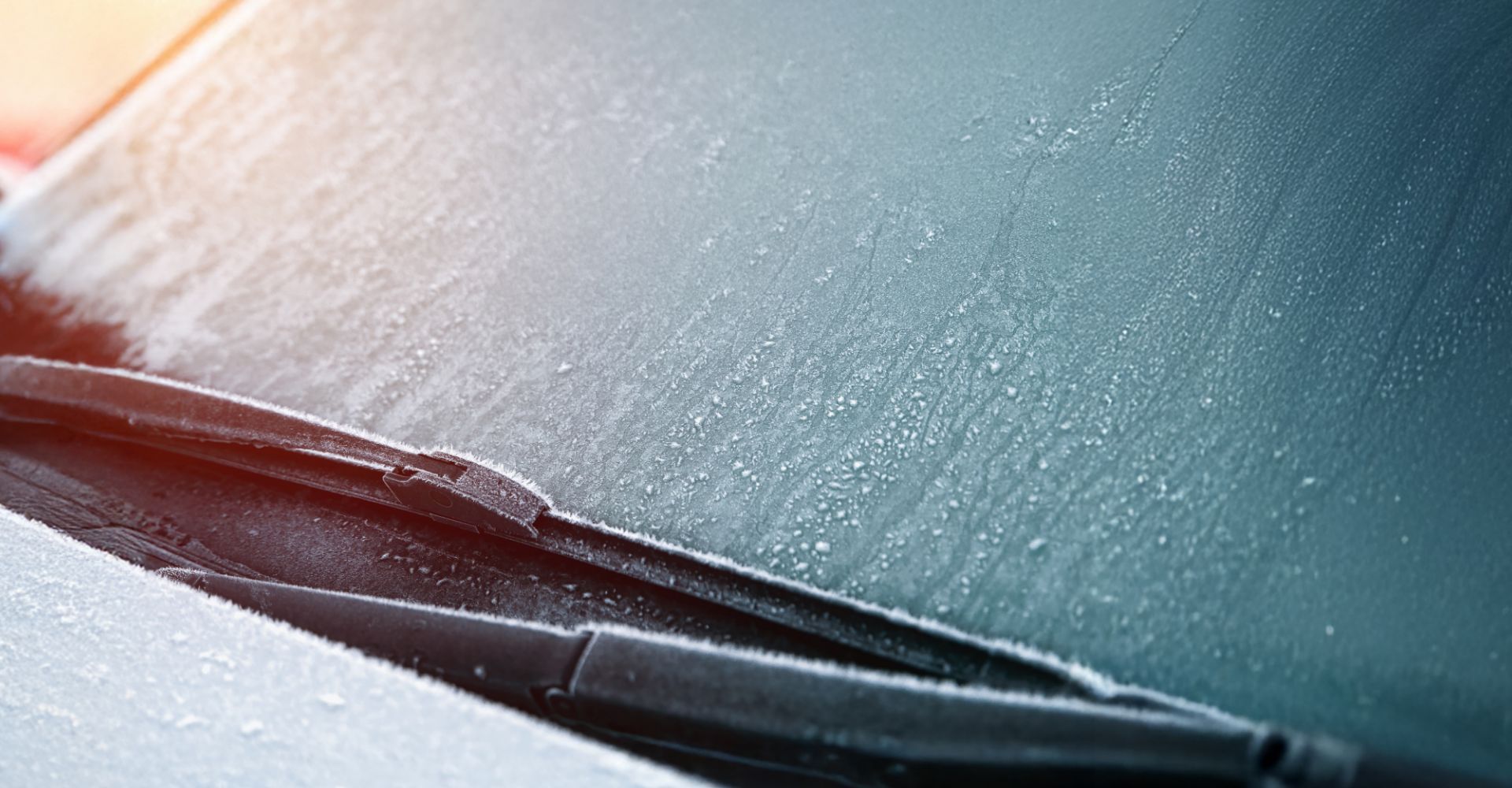
    DO’S & DON’TS: HOW TO DEFROST A CAR WINDSCREEN


    When winter bites, few things are more frustrating than facing a frozen windscreen when you’re already running late. But beyond the inconvenience, not defrosting your windscreen properly can shatter any prospects for having a good day. Preventable damage or accidents linked to poor visibility could influence your car insurance claim. That’s why it pays to know the right way to handle those frosty mornings.


    Why Windscreen Defrosting Matters 

    Safety Implications of Poor Visibility

    Driving with a partially defrosted windscreen can limit your vision and increase your risk of an accident. Obstructed views can prevent you from spotting hazards, pedestrians, or even other vehicles. Driving with impaired visibility is not only dangerous, but can also be seen as negligent, potentially affecting the outcome of insurance claims if an accident occurs.


    How to Defrost a Car Windscreen Properly 

    Step-by-Step Defrosting Guide:

    1. Start the car and turn on the heater. Set it to defrost mode and gradually increase the temperature.
    2. Turn on the rear window defroster. Most cars have a button for this. Let it run while the engine warms up.
    3. Use the air conditioning. This may sound odd in winter, but it helps to remove moisture from the air inside the car and prevents fogging.
    4. Gently scrape the ice. Use a plastic scraper or credit card to carefully remove ice as it starts to soften.

    Using Hot vs Cold Air

    Always start with cool or lukewarm air and slowly increase the temperature. Blasting hot air can cause the windscreen to crack due to thermal shock.

    Best Tools and Products

    Tool

    Description

    Plastic ice scrapers

    Durable and safe for glass.

    DIY de-icing spray

    Rubbing alcohol and water (1:1 ratio).

    Windscreen covers

    Great for preventing frost in the first place.


    Common Defrosting Mistakes to Avoid

    Why Pouring Water is Risky

    It’s tempting to grab a kettle, but pouring hot water on a frosty windscreen can cause the glass to crack instantly.

    Myths vs Facts: Boiling Water, Vinegar, and Salt

    • Boiling water: Too risky; avoid completely.
    • Vinegar mix: Can damage the glass or surrounding rubber seals over time.
    • Salt water: While it can melt ice, salt is corrosive and may harm your paintwork and wiper blades.


    Tips to Prevent Frost Buildup

    Night-Before Preparation Tips

    • Park your car facing east so the morning sun naturally warms the windscreen.
    • Keep your wiper blades raised to prevent them from sticking to the glass.

    How to Cover Your Windscreen

    • Use a windscreen cover or even a towel or sheet of cardboard to block the frost from forming.
    • In a pinch, a plastic bag or garbage bag can do the trick. Just secure it properly to avoid it flying off in the wind.


    Protect Your View

    For added peace of mind this winter, make sure your car insurance is up to the task. dotsure.co.za offers comprehensive cover with customisable options to suit your lifestyle.

    Need help or want to upgrade your policy? Contact us today.


    RELATED: CAR PARTS THAT FAIL DURING WINTER; TIPS FOR WINTER CAR CARE

  • WHAT IS A FLEET WARRANTY?

    WHAT IS A FLEET WARRANTY?


    Running a business fleet in South Africa can be a logistical juggling act, from managing fuel costs and driver schedules to keeping vehicles roadworthy and productive.

    While motor warranties are often associated with individual cars, fleet warranties are there to help businesses reduce risk and manage repair costs across multiple vehicles.


    Understanding Fleet Warranties

    What Is a Fleet Warranty?

    A fleet warranty is a vehicle manufacturer’s guarantee that covers a group of business-owned vehicles against defects in materials or workmanship for a specific period or mileage limit. These warranties usually kick in when you purchase a certain number of vehicles from the same manufacturer and register them under a business or fleet account.

    How Do Fleet Warranties Differ from Individual Vehicle Warranties?

    While individual warranties apply to one privately owned car, fleet warranties are designed for business use. They factor in heavier usage, which helps when you’re servicing several vehicles with the same dealership or manufacturer-approved workshops.


    How Fleet Maintenance Works

    What is Fleet Maintenance?

    In simple terms, it’s the regular servicing and repair of your business vehicles to ensure safety, performance, and longevity.

    • Scheduled maintenance: Such as oil changes and inspections.
    • Unscheduled maintenance: Such as fixing mechanical breakdowns.

    The Role of a Fleet Warranty in Preventative Maintenance

    Fleet warranties often require proof that vehicles were serviced on time and according to the manufacturer’s guidelines. So, sticking to a preventative maintenance schedule is necessary to keep warranty cover valid.


    Choosing the Right Fleet Warranty

    Vehicle Type, Usage, and Provider Reputation

    Think about your business needs. Light delivery vehicles may need different cover than long-distance trucks or executive sedans. Also, consider the reliability and support offered by the vehicle manufacturer.

    Warranty Duration and Cover Specifics

    Not all fleet warranties are created equal. Some may cover only the basics, while others extend to electronics, suspension, or even wear-and-tear components.

    Common Exclusions and Limitations

    Fleet warranties often exclude damage from misuse, neglect, or unauthorised modifications. Be aware of mileage limits and servicing requirements to avoid voiding your warranty unintentionally.


    Tips for Managing Fleet Warranties

    Maintaining Accurate Service Records

    Keep detailed logs of all services and repairs. This helps you stay compliant with warranty conditions and streamlines the claims process.

    Centralising Warranty Data

    Use digital tools or platforms to manage your warranty documents, service histories, and expiry dates in one place. This minimises errors and avoids missing deadlines.

    Train Staff on Warranty Compliance

    Ensure your fleet managers and drivers understand basic warranty terms. For example, using non-approved parts or missing scheduled services can lead to rejected claims.


    Not Running a Fleet? We’ve Got You Covered

    While fleet warranties may not be our thing, dotsure.co.za is here for the everyday heroes behind the wheel. From unexpected breakdowns to surprise expenses, we’re all about making your journey smoother.  Contact us for an extended motor warranty that goes the distance.

  • HOW TO USE A TRAFFIC CIRCLE IN SOUTH AFRICA

    HOW TO USE A TRAFFIC CIRCLE IN SOUTH AFRICA


    Knowing how to use a traffic circle properly can keep you (and your car) out of trouble. Yes, it’s about good manners, but it’s also about staying safe, avoiding costly repairs, and reducing your risk of a motor insurance claim. Yet, despite how common they are, traffic circles still leave many drivers going in circles.


    RELATED: TRAFFIC LAWS DRIVERS MISUNDERSTAND


    Mini Traffic Circles (Single Lane)

    These are the smaller roundabouts you’ll typically find in residential areas or quiet intersections. There’s only one lane, and everyone must yield to the right.

    Taking the First Exit (Turning Left)

    • Signal left before you enter
    • Yield to any vehicles already in the circle approaching from your right
    • Stay alert for pedestrians

    Taking the Second Exit (Going Straight)

    • Don’t signal as you approach
    • Yield to vehicles from the right
    • Signal left after you pass the first exit
    • Exit smoothly and cautiously

    Taking the Third Exit (Turning Right)

    • Signal right as you approach
    • Yield to the right
    • Signal left after the second exit and leave the circle carefully


    Double-Lane Traffic Circles

    These are more complex, often found at busier intersections with higher traffic volumes. The double lane traffic circle rules are all about correct lane choice and signalling.

    Taking the First Exit (Turning Left)

    • Approach in the left lane
    • Signal left
    • Stay in the outer lane and exit at the first opportunity

    Taking the Second Exit (Going Straight)

    • You may use either the left or right lane unless road markings say otherwise
    • Don’t signal on approach
    • Signal left only after you’ve passed the first exit

    Taking the Third Exit (Turning Right)

    • Approach in the right lane
    • Signal right
    • Stay in the inner lane until past the second exit
    • Signal left and switch carefully to exit

    Tip: Always check for painted arrows and lane markings. They often give you helpful clues about which lane to use.


    FAQs About Traffic Rules for Roundabouts

    Is it illegal to turn around on a mini roundabout?

    No, it’s not illegal, but it must be done safely. U-turns are technically allowed unless prohibited by signage. Make sure you yield and indicate properly.

    Is it illegal to go around a traffic circle multiple times?

    Nope. There’s no law against circling a roundabout more than once. Just ensure you’re not obstructing traffic or confusing other drivers. A few spins while looking for your exit? Legal. Joyriding in circles? Risky.

    When entering a multi-lane roundabout, do you only need to yield to vehicles in the closest lane?

    False. You must yield to all traffic already in the circle, regardless of which lane they’re in. Double-lane roundabouts require extra vigilance. Look out for lane changes and blind spots.


    Stay in Your Lane. Stay Safe

    Mastering the rules of the road means smoother driving and fewer surprises. While good driving habits reduce your risk, accidents can still happen. At dotsure.co.za, we offer car insurance that helps you handle the unexpected.

    Want more info? Contact us today, we’re always happy to help!


    RELATED: UNWRITTEN ROAD RULES

  • CAR PARTS FOR BEGINNERS: ARE THESE REAL OR FAKE

    CAR PARTS FOR BEGINNERS: ARE THESE REAL OR FAKE

    When you first start learning about car parts, it can feel as if you’ve opened a toolbox full of mystery objects. But here’s a fun fact: many car components actually resemble everyday household items. And while it’s entertaining to compare, it’s also a helpful way to learn the basics, especially if you’re thinking about protecting those car parts.


    Car Parts vs. Everyday Items

    Let’s play a round of “Guess the car part” and clear up a few FAQs while we’re at it.


    Spark Plug or Candle Holder?

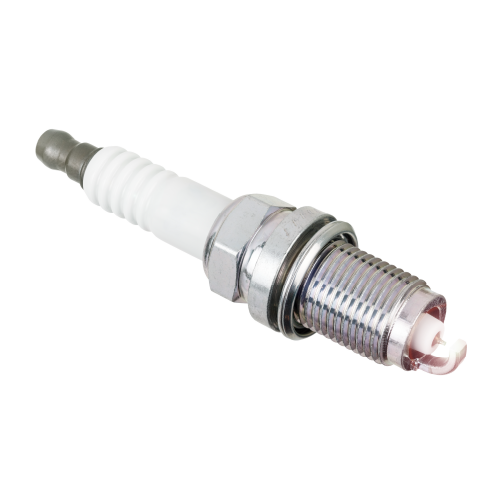
    spark plug

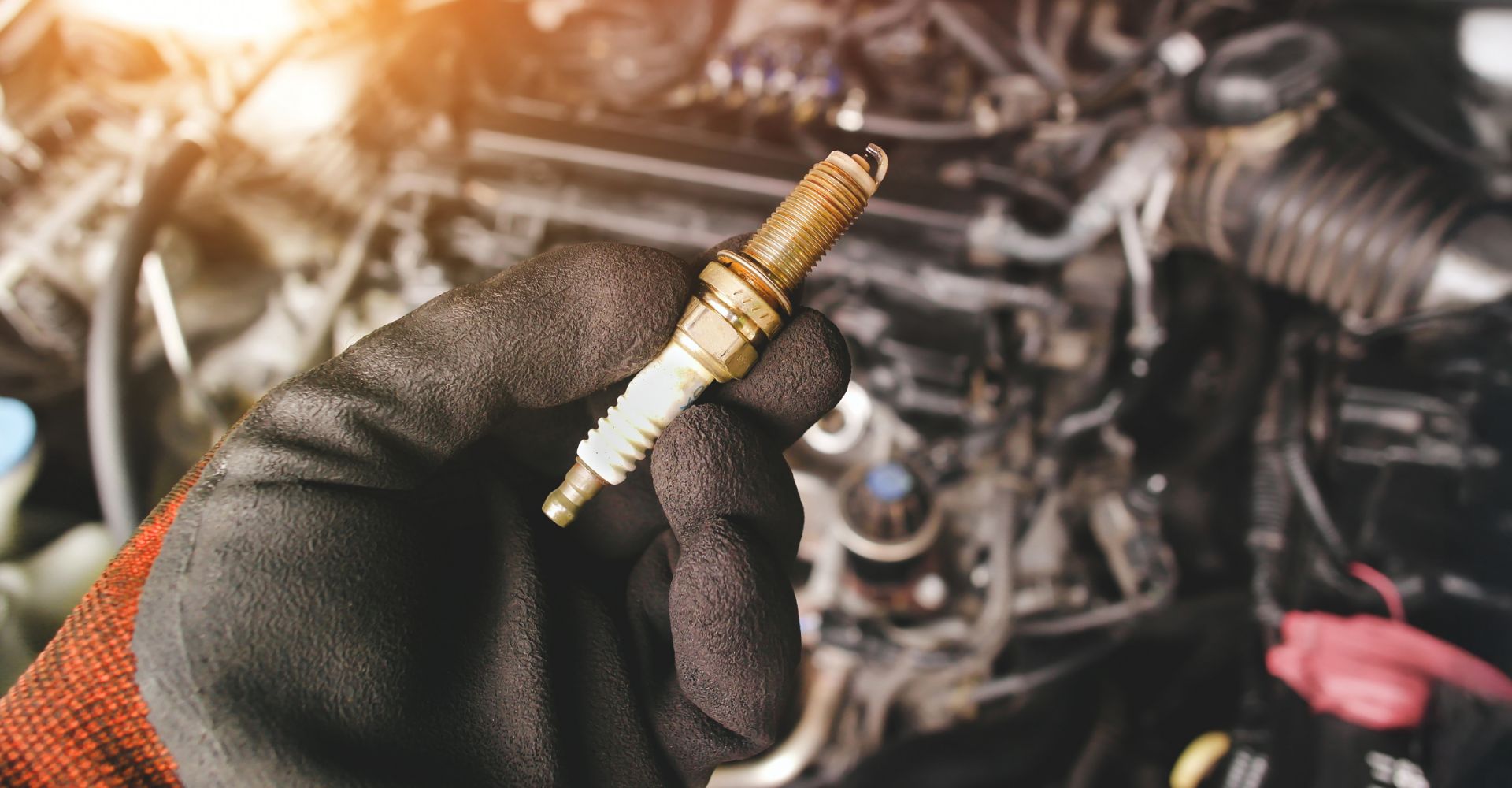
    What Does a Spark Plug Look Like?

    It’s a small, metal cylinder with an insulated centre and a visible electrode. At first glance, it can be mistaken for a decorative item.

    What is the Difference Between a Spark Plug and a Glow Plug?

    Spark plugs ignite fuel using an electric spark (in petrol engines), while glow plugs preheat the combustion chamber (in diesel engines).


    RELATED: UNDERSTANDING CAR PARTS: WHAT IS A GLOW PLUG?


    Oil Filter or Coffee Filter?

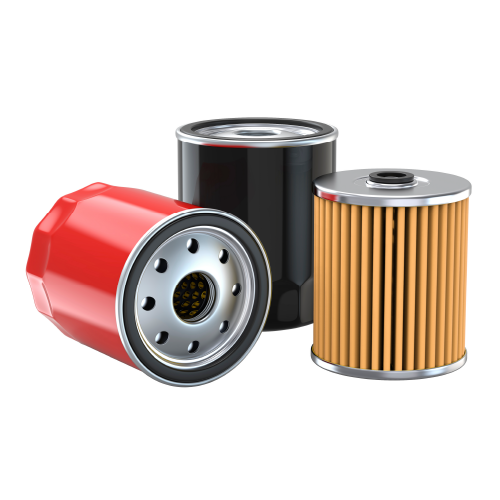
    oil filter

    What Does an Oil Filter Look Like?

    It’s a compact, cylindrical object (often metal) screwed into the engine to trap dirt and debris from motor oil.

    How is an Oil Filter Different from a Fuel Filter?

    An oil filter cleans the engine oil, while a fuel filter cleans the fuel before it reaches the engine.


    Radiator Cap or Jar Lid?

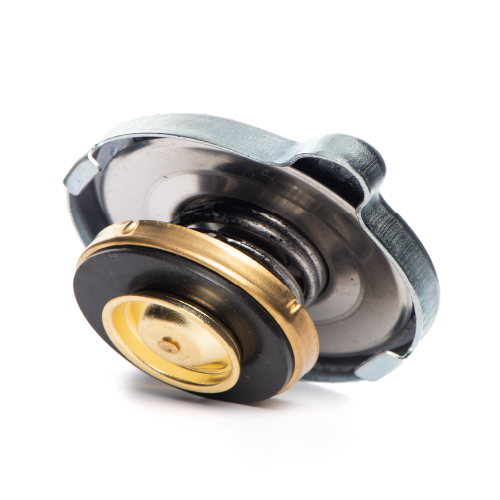
    radiator cap

    What’s the Function of a Radiator Cap?

    It seals the radiator and helps maintain the proper pressure in your engine’s cooling system.

    Can a Radiator Cap Affect Engine Performance?

    Yes! A faulty cap can lead to overheating or coolant loss, both of which impact performance.


    Timing Belt or Yoga Mat Strap?

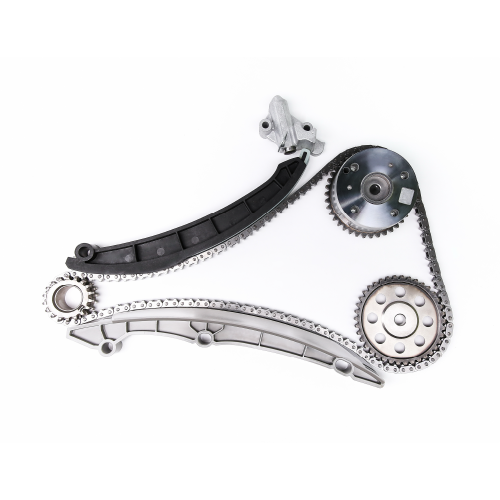
    timing belt

    What Does a Timing Belt Do?

    It synchronises the rotation of the crankshaft and camshaft so that engine valves open and close at the right time.

    Is a Timing Belt the Same as a Serpentine Belt?

    No. A timing belt manages engine timing, while a serpentine belt powers external accessories such as the alternator and AC compressor.


    Fuel Injector or Perfume Nozzle?

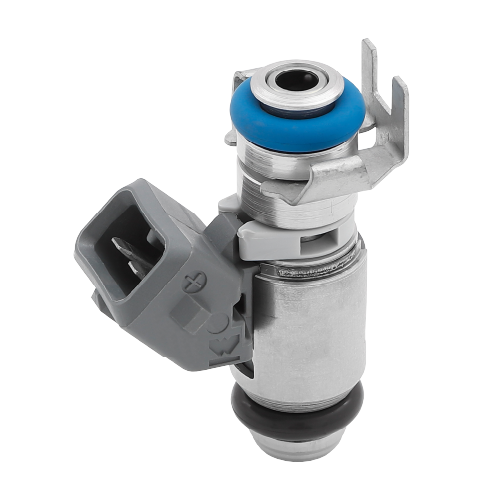
    fuel injector

    How Does a Fuel Injector Work?

    It injects fuel directly into the engine’s combustion chamber for precise ignition.

    What Are the Signs of a Faulty Fuel Injector?

    Look out for poor fuel economy, engine misfires, or rough idling. A failing injector can disrupt engine performance quickly.


    Shock Absorber or Rolling Pin?

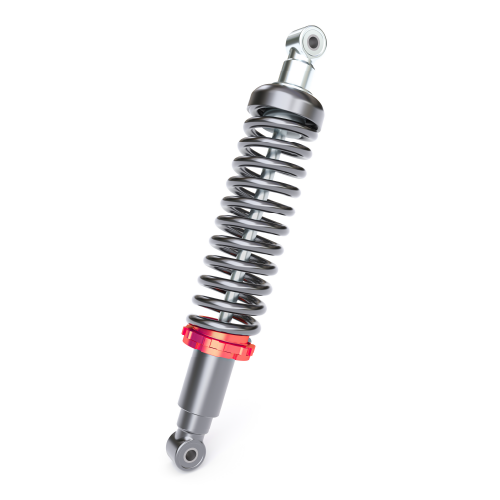
    shock absorber


    What Are Shock Absorbers Used For?

    They dampen the impact from road irregularities, providing a smoother ride and maintaining tyre contact with the road.

    How Do You Know If Your Shock Absorbers Are Worn Out?

    Excessive bouncing, uneven tyre wear, or poor handling can all point to worn shocks.


    Air Filter or Accordion Folder?

    air filter

    Why is the Air Filter Important for Your Engine?

    It prevents dirt, dust, and debris from entering the engine, helping it to breathe clean air for efficient combustion.

    How Often Should You Change Your Air Filter?

    Generally, every 15,000 to 30,000 km, but check your owner’s manual or replace it sooner if you drive in dusty conditions.


    Alternator or Electric Hand Mixer?

    alternator

    What Does an Alternator Look Like?

    It’s a compact, finned metal device with rotating parts, somewhat like an electric kitchen mixer.

    How Does an Alternator Charge the Battery?

    It converts mechanical energy from the engine into electrical energy, recharging the battery and powering your car’s electronics.


    Trust the Car Part Experts

    An extended motor warranty helps cover the cost of unexpected breakdowns, so you’re not left paying for what went wrong under the hood.

    Explore cover options at dotsure.co.za, or contact us to get a personalised quote today. Because when car parts go from “funny-looking” to “faulty,” it pays to be prepared.


  • THE 5 CAR PARTS THAT FAIL MOST OFTEN DURING WINTER

    THE 5 CAR PARTS THAT FAIL MOST OFTEN DURING WINTER


    Winter in South Africa may not bring snow to every door, but it does bring a chill that your car might not be ready for. Certain car parts can fail during winter if you don’t take care or keep an eye on them, which means you could be left stranded. That’s why having an extended car warranty cover from dotsure.co.za and a little extra info on the car parts that fail most often in winter, is essential. 

    Here’s a look at 5 car parts that are often the culprits behind winter breakdowns and how to prevent them.  

    RELATED: THE AVERAGE LIFESPAN OF YOUR CAR PARTS  


    Car Batteries

    Batteries are the number one car part that fails during winter. Cold temperatures slow down chemical reactions in your battery, making it harder to produce enough oomph to start the engine. 

    How to charge a car battery 

    It’s not always winter’s fault. Your battery could just need a recharge. You can use a battery charger or jump-start it like a pro. Got an automatic? Push-starting it won’t work, but here’s what you can do. 

    RELATED: HOW LONG DO CAR BATTERIES LAST? 


    Car Fluids

    A short science lesson for you: Fluids thicken in the cold. If your car fluids are already low, it can cause performance problems or lead to part failures that could’ve been avoided. 

    What car fluids should you check? 

    • Engine oil 
    • Transmission fluid 
    • Coolant/antifreeze 
    • Brake fluid 
    • Windscreen washer fluid. 

    How to check car fluids

    Make it a monthly habit, especially in winter. Most reservoirs are clearly labelled, with “min” and “max” markers to guide you. Topping them up can prevent wear and tear and keep your warranty intact. 

    Pro tip: We suggest topping up your oil and water while you’re filling up or grabbing some snacks at a petrol station. The attendants there will happily assist you. When checking your vehicle’s other fluids, it’s always best to consult your mechanic if you’re unsure. 

    RELATED: COMMON WARRANTY EXCLUSIONS AND LIMITATIONS 


    Exhaust System & Undercarriage

    If you think you’re safe from rust and corrosion just because you don’t live by the sea, you’re wrong. Rain and wet conditions still accelerate rust and corrosion, especially on your exhaust, undercarriage, and brake lines. 

    What you can do: 

    • Wash your car regularly, especially the underbody 
    • Keep your car parked in a garage or under cover if possible 
    • Wax your paint to create a water-repellent barrier 
    • Add an old carpet to your garage floor to absorb excess moisture. 


    Tyre Pressure

    When the air gets colder, so does the air inside your vehicle’s tyres. This can lead to under-inflation, which reduces traction and wears down your tyres unevenly, which means you must replace your tyres sooner. 

    How to check your tyre pressure in winter 

    Most petrol stations in SA have pressure gauges. Check your car manual for the recommended PSI and top up as needed. Alternatively, pop in to Tiger Wheel & Tyre, one of our trusted partners, and they can handle it for you. 


    Spark Plugs

    The cold weather can make it more difficult for engines to start, and worn spark plugs may struggle to produce a strong enough spark. If your car’s feeling sluggish when you turn the key, the spark plugs might be the problem. 

    How to check spark plugs 

    Unless you’re a pro under the hood, getting an expert mechanic to check them during your next annual service is best. 

    RELATED: RMI-APPROVED WORKSHOPS: EVERYTHING YOU NEED TO KNOW 


    Expert Cover for Your Car Parts in Winter 

    Car batteries, spark plugs, fluids, tyres, and rust-prone components are the car parts that fail most often during winter. But with regular checks, a little TLC, and dotsure.co.za extended car warranty in your corner, you’ll be ready for the cold. 

    And if you’re not protected yet, now’s the perfect time to get extended warranty cover before anything happens, to keep your winter driving worry-free.

  • THE TOP INSURED CAR BRANDS IN SA

    THE TOP INSURED CAR BRANDS IN SA


    Do you ever wonder what your car says about you? Well, it might also say something about your car insurance premium. So, we’ve taken a peek under the hood at SA’s top insured car brands to uncover the popular rides Mzansi loves protecting. 

    RELATED: THE FASTEST AND MOST FURIOUS CARS OF 2025 


    Why These Car Brands Dominate South Africa’s Insurance Market 

    Car insurance trends in SA follow a few golden rules: affordability, availability of parts, resale value, and of course, popularity. Basically, if your car ticks those boxes, it’s likely to be cheaper to insure and more likely to appear on this list. 


    Toyota: South Africa’s Most Insured Car Brand 

    Why do so many South Africans insure Toyotas? 

    Toyota has earned its rep as South Africa’s go-to brand for value, reliability, and durability. With repair parts that are widely available and resale values that hold steady, Toyota car insurance tends to be simpler and more affordable. 

    Popular Toyota models South Africans insure:

    • Toyota Hilux
    • Toyota Corolla
    • Toyota Yaris


    Volkswagen: Reliable and Widely Insured

    Why Volkswagen models are a popular choice for cover 

    Volkswagens are all over the roads in South Africa. They’re reliable, widely serviced, and stylish without breaking the bank. And because of their popularity, they’re up there amongst the most insured. 

    Best VW’s to insure:

    • VW Polo Vivo
    • VW T-Cross
    • VW Tiguan


    Suzuki: Affordable, Light on Fuel and Insurance-Friendly 

    Why insuring a Suzuki makes sense 

    Suzuki has become the underdog-turned-superstar in South Africa. Lightweight, easy to drive, and cheap to repair, car insurance for a Suzuki is typically very affordable 

    SA’s top insured Suzuki cars: 

    • Suzuki Swift
    • Suzuki S-Presso
    • Suzuki Celerio


    Renault: Entry-Level Excellence 

    Renault Kwid insurance 

    The Renault Kwid has taken off amongst young drivers and first-time buyers. It’s compact, easy to park, and parts are becoming increasingly available, which makes Renault car insurance relatively affordable. 

    Other Renaults, such as the Clio and Duster, are also climbing up the road of popularity. 


    BMW: Premium Cars Worth Protecting 

    Why South Africans choose to insure their BMWs 

    BMW has advanced safety tech, strong resale value, and loyal fans. BMW car insurance in South Africa may be high because of their luxury status, but for many drivers, that peace of mind is worth the extra cost. 

    Top BMW cars insured in SA 

    • BMW 3 Series
    • BMW X3
    • BMW 1 Series


    What Makes a Car Popular to Insure in SA? 

    Affordability, Parts, and Resale Value 

    Cars with low running costs, widely available parts, and strong resale value tend to be cheaper to insure. That’s why so many of the cars on this list are compact, practical, and built to last. 

    RELATED: HOW INSURANCE COMPANIES CALCULATE YOUR PREMIUMS 


    Get a Car Insurance Quote That Matches Your Brand 

    Not all cars are created equal, and neither are their policies. Whether you drive one of these top insured car brands in SA or not, you deserve a car insurance plan that fits your budget and driving style. At dotsure.co.za, you can customise your cover with our Name Your Price™, and explore tailored options for your specific model. 

    Get a quote online or contact us today for game-changing car insurance you can count on! 


  • THE DIFFERENCE BETWEEN MECHANICAL BREAKDOWN & WEAR AND TEAR

    THE DIFFERENCE BETWEEN MECHANICAL BREAKDOWN & WEAR AND TEAR


    Your car has decided to make some weird sounds. You’re hoping it’s covered by your warranty but you’re actually not sure if it’s a mechanical breakdown or just wear and tear. 

    When it comes to car warranty claims, knowing the difference between a mechanical breakdown and wear and tear makes the fine print and your claim outcome easier to understand. 


    What is a Mechanical Breakdown? 

    Mechanical breakdowns happen when a component in your vehicle suddenly fails due to a defect or malfunction. The part wasn’t worn out; it stopped doing its job properly. 

    Mechanical breakdown examples include: 

    • Your starter motor seizing up 
    • A sudden turbocharger failure 
    • A malfunctioning timing belt 
    • The water pump breaking. 

    These kinds of issues are usually covered by extended warranty insurance if they weren’t caused by neglect, skipped services or pre-existing damage. 

    RELATED: EXTENDED CAR WARRANTY VS SERVICE PLAN 


    What Does Mechanical Breakdown Insurance Cover? 

    At dotsure.co.za, our extended warranty plans are designed to cover sudden, unexpected mechanical or electrical failures and not parts that have worn down over time from normal use. 

    That’s why regular servicing and maintenance records are essential if you want your claim to be paid. And if a car part fails out of the blue, you have peace of mind that you’ve got cover to help with the nasty repair bills. 

    Are you already covered? You can log in to manage your policy anytime. Not covered, yet? Get a quote now before the unexpected happens. 


    Understanding Wear and Tear on Vehicles 

    Wear and tear are expected because every car experiences them. It’s not a fault, it’s more like a pair of running shoes with holes in them: they’ve had their moment, and now it’s time for a new pair. 

    What is considered a wear and tear item on a vehicle? 

    It’s the car parts that gradually degrade over time, such as: 

    • Brake pads 
    • Clutch plates 
    • Tyres 
    • Wiper blades 
    • Shock absorbers 
    • Fan belts. 

    Most warranty plans do not cover these because they’re meant to be replaced periodically as part of standard vehicle maintenance. 


    Common Scenarios: Breakdown vs. Wear 

    Let’s clear it up with a few quick comparisons. 

    Scenario  Mechanical Breakdown?  Wear and Tear? 
    Your engine’s water pump fails suddenly.     
    Your clutch starts slipping after 80 000 km.     
    The starter motor burns out without warning.     
    The brake pads are worn below the minimum thickness.     


    Does Insurance Ever Cover Wear and Tear? 

    It’s rare, but some comprehensive motor or wear and tear insurance products offer limited cover for these components. At dotsure.co.za, our extended warranty focuses on mechanical or electrical breakdowns or failures. 

    If you want to know more, check your policy documents or contact our team for help if you’re unsure what your plan includes. 

    RELATED: COMMON WARRANTY EXCLUSIONS AND LIMITATIONS 


    Drive with the Warranty Experts 

    Understanding the difference between mechanical breakdown and wear and tear can help you avoid surprises when claiming. 

    And if you’re not yet protected? Don’t wait for the clunk. Get extended warranty cover today and drive with a warranty!  

  • THE EASIEST WAY TO GET AN INTERNATIONAL DRIVING PERMIT

    THE EASIEST WAY TO GET AN INTERNATIONAL DRIVING PERMIT


    Are you planning an overseas holiday and keen on road tripping across Italy or cruising down Route 66? Then you’ll need more than just car snacks and playlists. You’ll need an international driving permit (IDP). It’s your golden ticket to legal, hassle-free driving abroad and essential to avoid awkward conversations with foreign traffic cops. 

    Let’s break it down, the easy-peasy way. 


    Can I Drive Overseas with a South African Driver’s License? 

    You can use that trusty little SA driver’s card only in certain countries. Most destinations will ask for an international driving permit alongside your SA licence. 

    Pro tip: Your SA license must be valid and not expired to apply for an IDP. A suspended or expired licence? That’s a nope. 

    RELATED: HOW TO CHECK YOUR DRIVING LICENCE STATUS IN SOUTH AFRICA 


    What Is the Easiest Way to Get an International Driver’s Permit? 

    Through the Automobile Association of South Africa (AA): They’ve streamlined the process so you can drop gears and disappear ASAP. Just ensure you apply before leaving the country because you can’t get one when you’re abroad.  

    Online: Apply for an international driving permit online here and complete the application form! We said it would be easy-peasy, right? 

    In-store: Use their branch locator to find the closest AA-accredited sales agents and get your international driving permit in-store.  


    How To Get an International Driving Permit in South Africa 

    Option 1: Apply Online 

    Just a few clicks and you’re ready: 

    -A copy of your valid South African driver’s licence

    -Your ID or a valid passport

    -A passport-sized photo (just one per IDP type). 

    • Choose your preferred collection branch. 
    • Submit and wait for a ready-for-collection alert. 

    Heads-up: You still have to collect your IDP in person, but the paperwork is sorted ahead of time. 

    Option 2: Apply In-Store 

    Do you need it in a hurry? If you visit a participating AA Travel Experience outlet, you can leave there with your IDP in hand after about 10-30 minutes. 

    Bring the following: 

    • Your valid SA driver’s licence 
    • Your ID or passport 
    • A passport-sized photo (some stores can take them for you, so call ahead to check!). 

    Either way, it’s easy-peasy-lemon-squeezy! 


    AA International Driving Permit: Some FAQs Answered 

    The AA is the only officially recognised issuer of IDPs in South Africa. They’ll issue your permit according to the country you’re visiting (there are different versions, depending on the destination). The most common type is the 1949 Convention IDP. 

     We didn’t make this up earlier. The AA also recommends always carrying both your SA licence and your IDP when driving abroad. 

    How Much Does an International Driving Permit From South Africa Cost? 

    As of 2025, the cost is approximately R350, depending on the type and the branch. Some branches might charge extra for the passport photos if you don’t bring your own. 

    How Long Does It Take to Get an IDP in South Africa? 

    The good news is that applying in person with all the right documents is instant. You’ll walk out with your permit, ready to conquer foreign roads.  


    The Advantages of International Driving Permits 

    • The ability to drive in over 150 countries
    • Translated ID info (really helpful in non-English-speaking countries) 
    • Peace of mind with car rental agencies 
    • No fines for not having it where required. 


    On the Road… But Smarter 

    Getting an international driving permit in South Africa is easier than you think and much less stressful than trying to charm a traffic officer in Paris with your Afrikaans. So, wherever you’re heading, sort out your IDP ahead of time and drive stress-free. 

    Speaking of driving stress-free, with dotsure.co.za car insurance, Name Your Price™ lets you choose cover that fits your budget. So, when you’re driving your own car on home soil, you’re covered and protected too! 

    Do you still have questions? Contact us here or explore more travel and motor tips on our blogs below! 


    RELATED:  

  • WHO ARE THE MOST VULNERABLE ROAD USERS? TIPS FOR SA DRIVERS

    WHO ARE THE MOST VULNERABLE ROAD USERS? TIPS FOR SA DRIVERS


    We all know SA’s roads are not only occupied by motorists. While drivers may feel the streets were made for them, cyclists, pedestrians, horses, cattle, and children also have the right to be there. However, these individuals are also amongst the most vulnerable road users in South Africa, and there is an urgent need for increased awareness and safer driving practices. 


    Why Vulnerable Road Users Need Your Extra Attention 

    • Pedestrians and cyclists are harder to see, especially during dawn, dusk and bad weather. 
    • Unlike driving in a car, they don’t have much physical protection, which means any collision could result in serious injuries. 
    • Children and animals can be unpredictable, running into the street unexpectedly or getting spooked by sudden noises. 
    • In many areas of our country, sidewalks or dedicated bicycle lanes don’t exist, so we all have to share the road. 


    Sharing the Road: Tips for SA Drivers 

    Pedestrians: Walkers, Joggers & Runners 

    Pedestrians are at the highest risk on our roads, specifically in townships, cities, and rural areas without pavements or streetlamps. 

    Pedestrian safety tips for drivers: 

    • Always slow down and stop at zebra crossings. 
    • Drive slower in areas with foot traffic, such as schools, shopping centres and bus or taxi stops. 


    Cyclists

    Cyclists get a bad rap for using our roads. Maybe we’re all guilty of waving a fist at a cyclist at some point, but they’re legally allowed to be there, so it’s our job to help keep them safe. 

    Driving tips for cyclist safety: 

    • Check your mirrors when turning left or opening a door. 
    • Don’t tailgate. Give them room and time to move safely. 
    • Avoid sudden braking or swerving in front of them. You wouldn’t like that done to you. 


    Horse Riders on SA Roads 

    Horse riders are legally allowed on many South African roads, especially in rural areas and the outskirts of cities. 

    Can you ride a horse on the road in SA?  

    Yebo, under the National Road Traffic Act, it’s allowed. 

    How to drive safely around horses: 

    • Slow down long before you reach them. 
    • If you need to pass, pass wide, at least a car’s width away, and don’t rush. 
    • Avoid revving your engine, honking, or flashing lights, which may startle the horses. 
    • Watch for hand signals, the rider may know something about their horse that you do not. 
    • Be prepared to stop completely if necessary. 


    Children

    Children often don’t understand road rules or how long a car takes to stop. They may suddenly run into the road, especially near schools or in neighbourhoods. 

    Tips for driving near children: 

    • Always obey school zone driving laws and speed limits. 
    • Be extra cautious when driving around the suburbs. 
    • Watch for kids on bicycles or skateboards. 


    Animals

    Roads are shared not only with humans but with animals too. 

    • Pets: Dogs and cats can sprint into traffic. 
    • Farm animals: Cows, goats, and sheep are often seen grazing on the side of the road. 
    • Wildlife: Look out for baboons, owls, and other wild birds near forests, bush and game reserves. 

    Our top driving tips: 

    • Stay alert in rural areas or game regions as you might encounter livestock or wildlife. 
    • If you see a warning sign for animals, take it seriously. Reduce your speed. 
    • Never swerve violently to avoid hitting an animal. This can be more dangerous than braking in a controlled manner. 

    What do you do if you hit an animal? 

    1. Stop safely and check on the animal (only if it’s safe). 
    1. Call animal welfare and local authorities. 
    1. Contact your insurer. dotsure.co.za offers 24-hour roadside assistance. 

    RELATED: HOW WE PROTECT YOU AFTER A CAR ACCIDENT 


    Who Else Counts as a Vulnerable Road User? 

    Here are a few more to keep an eye out for: 

    People with Disabilities 

    • Wheelchair users and people with limited mobility may take longer to cross the road. 
    • Be cautious near hospitals and clinics. 

    Emergency Responders 

    • Ambulance staff, firefighters and traffic officers working on the road are highly exposed. 
    • Always move over and slow down when approaching emergency scenes. 


    The Law is Clear: Slow Down and Share the Road 

    South African legislation mandates drivers to exercise caution and yield to vulnerable road users. According to the National Road Traffic Act 93 of 1996 drivers must stop their vehicles upon the request or signal of a person leading or driving any horse, cattle, donkey, mule, sheep, goat, pig or ostrich on a public road. This provision underscores the legal obligation to prioritise the safety of both human and animal road users. 

    Furthermore, the Act emphasises motorists’ responsibility to be vigilant and considerate towards pedestrians and cyclists, who are amongst the most vulnerable on the roads.  


    Drive Safe, Drive Kind 

    Let’s sum it up: pedestrians, cyclists, children, horse riders, and animals are all amongst the most vulnerable road users in SA. Adhering to traffic laws and exercising caution can significantly reduce accidents and fatalities involving these vulnerable road users.  


    PS: If you’re a motorist on SA’s roads driving without car insurance, we’d say you’re also pretty vulnerable. Click here for a free insurance quote online or contact us for more! 

  • COMMON WARRANTY EXCLUSIONS AND LIMITATIONS THAT CATCH YOU OFF-GUARD

    COMMON WARRANTY EXCLUSIONS AND LIMITATIONS THAT CATCH YOU OFF-GUARD


    You’ve got your extended car warranty. You’re covered. You’re protected. But then the claim comes back… declined. Haibo. Welcome to the fine print of warranty exclusions and limitations. The bits that most drivers only discover after they’ve made a claim. Let’s break it down, with no jargon and no surprises, so you know exactly what your extended car warranty does and doesn’t cover. 


    What Vehicle Warranties Typically Cover 

    Extended car warranties generally cover mechanical breakdowns and electrical failures on major components. That means things such as: 

    • Engine failure 
    • Gearbox issues 
    • Electronic ignition faults 
    • Cooling and fuel systems 
    • Steering mechanisms. 

    RELATED: THE DIFFERENCE BETWEEN MECHANICAL BREAKDOWN & WEAR AND TEAR 


    Surprising Warranty Exclusions Most Drivers Miss 

    Warranties don’t cover everything. Some of the most common warranty exclusions include: 

    • Pre-existing damage 
    • Wear and tear (more on that below) 
    • Carbon build-up 
    • Unapproved modifications or racing 
    • Repairs without prior authorisation 
    • Incorrect fuel or oil use 
    • Corrosion or rust. 

    Psst: Your claim can be rejected if your odometer has been tampered with. So don’t try to pull a Ferris Bueller. 

    Not Covered  Reason 
    Wear-and-tear parts  These degrade naturally over time through normal use and aren’t due to a defect. 
    Cosmetic damage  Paint scratches and upholstery wear don’t impact your car’s function. 
    Modifications or aftermarket parts  Non-OEM parts can void the warranty, especially if they caused the damage. 
    Neglect or skipped services  Not sticking to your service schedule can hurt a claim. 
    Damage from accidents  That’s a claim for your car insurance plan. 


    Limitations That Can Void Your Warranty 

    It’s not just what’s not covered, it’s how you use your car. These everyday actions can void your warranty: 

    • Not sticking to the manufacturer’s service schedule 
    • Missing your annual service 
    • Having repairs done by an unapproved workshop 
    • Using your car for business or taxi use when it’s not covered for that 
    • Not informing your insurer when you hit the maximum vehicle age or mileage cap. 

    With dotsure.co.za’s worry-free Warranty, you have a 30-day grace period from policy inception to get your service up to date, and you’re free to use any RMI-approved workshop. 

    RELATED: CAR MODS THAT VOID A WARRANTY 


    Why Using Generic Parts Can Cost You 

    That off-brand part might seem like a bargain, but you could void your warranty if it’s not OEM-approved or professionally fitted. 

    At dotsure.co.za, we stick to quality parts and quotes from RMI-approved workshops 


    Does Insurance Ever Cover Wear and Tear? 

    It’s rare, but some comprehensive motor or wear and tear insurance products offer limited cover for these components. At dotsure.co.za our extended warranty focuses on mechanical or electrical failures. 

    You can check your policy wording and read your car warranty fine print, or contact our team for help if you’re unsure what your plan includes. 


    The Fine Print: Consequential Damage and Betterment Clauses 

    We know we said no jargon, but it’s insurance. So, here’s what these lawyery words mean: 

    Consequential Damage or Resultant Damage 

    If a covered part fails and causes other damage, the warranty might only cover the original part and not the full extent of the damage. if the damage to a covered part is caused by a part that is not covered, the damage may also not be covered.  

    The Betterment Clause 

    If replacing your part leaves your car “better” than it was before the failure, you may be liable to contribute to the cost. 

    Both clauses are standard in many warranties, but still catch people off-guard. The golden rule? Read your policy and the Ts & Cs. Remember, we’re always here to help explain it to you. 

    RELATED: WARRANTY KNOW-HOW: YOUR MOST COMMON QUESTIONS ANSWERED 


    Tips to Avoid Warranty Surprises 

    • Service on time every year, as recommended 
    • Use RMI-approved workshops 
    • Read your policy docs  
    • Add optional extras such as ServiceXtender if you want more peace of mind 
    • Log every repair or service. 


    Our Final Warranty Tips for Car Owners 

    A good extended car warranty is about confidence, not confusion. At dotsure.co.za, we give you simple insurance cover, fast payouts within 3 days, and real support when things go wrong.  

    Are you still not sure about the different warranty exclusions and limitations? Contact us, or log in to manage your policy today.


  • CAR MAINTENANCE PLAN VS SERVICE PLAN VS MOTOR WARRANTY

    CAR MAINTENANCE PLAN VS SERVICE PLAN VS MOTOR WARRANTY


    Life’s already confusing enough, you don’t need complicated insurance jargon to make things worse. 

    That’s why we’ve put together this guide to help you make sense of your car maintenance plan, how it compares to service plans, and what sets it apart from car warranties. And if it gets confusing again, feel free to come back for a refresher! 


    Key Differences Between a Maintenance Plan vs a Service Plan 

    Simply put, a car warranty, a car service plan, and a maintenance plan are different types of cover for various vehicle functions and parts that make the car operate. 

    • Manufacturer/Extended warranty plans: Designed to cover unexpected failure or breakage of car parts as well as electrical components. This can be provided by the manufacturer or a third-party. 
    • Service/Maintenance plans: These generally cover elements guaranteed to become worn through normal wear and tear and vehicle use. Maintenance plans are usually more robust and come with a more comprehensive list of covered parts. 

    RELATED: HOW DOES A CAR WARRANTY WORK? A BEGINNER’S GUIDE 


    More About Manufacturer Warranty 

    All new cars come with a manufacturer’s warranty, which is a promise from the manufacturer that the vehicle is of good quality and the parts won’t fail. If they should, the manufacturer will repair or replace them.  

    However, as the car gets older, parts weaken and present a higher risk of failure, so manufacturers limit the time or kilometres for which their warranty is valid. Different manufacturers will have different warranty limits, for example, a 5-year/150,000 km warranty limit on mechanical parts or specific warranty limits on the paint, body, or battery. 

    Once these limits are exceeded, the components are no longer covered. At this point, the driver may choose to extend their manufacturer warranty or purchase an extended motor warranty through a third-party extended motor warranty provider, such as dotsure.co.za. 

    RELATED: EXTENDED CAR WARRANTY VS SERVICE PLAN 


    Service and Maintenance Plans for Vehicles Explained 

    A service plan is a separate policy from the manufacturer’s warranty or extended warranty. This plan pays the full cost of a scheduled motor service, which maintains elements that are expected to wear down during normal use. It generally includes things such as spark plugs, tyre rotations, filters, and fluid changes. Like a warranty plan, manufacturers limit their service plans to a period of time or number of kilometres driven. 

    A maintenance plan covers everything a service plan covers but is more comprehensive in nature. It also covers parts not covered by a service plan, for example brake pads or wiper blades. 

    RELATED: THE DIFFERENCE BETWEEN MECHANICAL BREAKDOWN & WEAR & TEAR  


    How Car Maintenance Insurance Complements Your Insurance 

    The first thing to know is that a warranty or service/maintenance plan complements car insurance and definitely isn’t intended as a replacement for your motor cover. 

    You can think of it as cover for internal vs. external risks. While a warranty or service/maintenance plan covers the car’s internal mechanics, car insurance will cover external risks such as accidental damage, theft, fire and/or third-party liability. 

    To ensure your car is fully covered, you want  comprehensive car insurance and a maintenance or warranty plan that keeps your car in top condition. Through a combination of these cover types, your car (and bank balance) will remain protected, especially if the unexpected happens. 

    For an obligation-free extended warranty quote, visit dotsure.co.za today. 


  • 5 TIPS FOR WINTER CAR CARE

    5 TIPS FOR WINTER CAR CARE


    South Africa’s winters might not bring blizzards and ice, but that doesn’t mean your car doesn’t need seasonal TLC. As temperatures drop it’s time to ensure your vehicle is prepared for the colder months. These winter car care tips will help keep you safe and ensure your vehicle performs at its best.

    Psst…! The real car care begins when you protect your ride. Explore our car insurance options and get a quote today.


    Check and Top Up Your Car’s Essential Fluids 

    Our winters may not freeze your engine block, but dips in temperature can still mess with your car’s fluids and performance. If you’re in Johannesburg, Bloemfontein, or other inland areas where morning temperatures drop below 5°C, this one’s especially for you. 

    Oil

    Cold air thickens oil, making it difficult for your engine to start and operate smoothly. Consider using a multi-grade or winter-specific oil that flows better in low temperatures.  

    Pro tip: Your mechanic can help with the right recommendation for your model. 

    Coolant

    Coolant (antifreeze) helps regulate engine temperature during short winter trips but doesn’t always warm your engine correctly. Ensure your car’s levels are good and the antifreeze ratio is spot on. 

    Windshield Washer Fluid

    A water-only mix can freeze on your windscreen or become ineffective. Use a washer fluid with alcohol or spirits added. It’s a popular little hack that works surprisingly well during frosty morning drives. 

    Fuel

    Keeping your tank full reduces condensation, which can lead to fuel line freeze-ups in colder regions. While the petrol and diesel prices may not be in our favour, it is a safe habit always to ensure your  vehicle’s tank is full because you never know when you’ll be stuck in a traffic jam or have to take a spontaneous long drive. 

    RELATED: HOW TO: SAVE FUEL WHEN DRIVING 


    Prep Your Tyres for Winter Roads 

    Rain, dew, and low sun angles often cause winter driving hazards, including blinding drivers during rush hour. Keeping your vehicle’s tyres in good condition is crucial for safe driving, especially in winter. 

    Tread Depth

    The legal minimum tread in South Africa is 1,6 mm, but anything below 3 mm drastically reduces traction in wet conditions. Smooth tyres are a big no, no matter what type of weather you’re driving in, and need to be replaced ASAP!  

    Tyre Pressure

    Cold air contracts, and you might lose tyre pressure overnight. Check it at least once a week, especially before early commutes. Low pressure affects braking and increases your fuel usage. 

    Winter Tyres

    While most South Africans don’t need full-on snow tyres, drivers in areas near the Drakensberg or some parts of the Free State should consider all-weather or winter-rated tyres. They improve grip and handling on icy or gravel roads. 


    Inspect Battery and Lighting Systems 

    Car batteries are more likely to fail in winter due to the increased demand on the starter to crank a cold engine. 

    Battery Health

    If your battery is over 3–4 years old, have it tested. Also, ensure the battery is clean and secure. Wipe the terminals with warm, soapy water to remove acid or dirt build-up, and ensure it is safely secured to prevent it from shifting. 

    RELATED: HOW LONG DO CAR BATTERIES LAST? 

    Lights

    Shorter days mean more driving in the dark or in low-light conditions. Ensure all your headlights, brake lights, and indicators are working. Clean the lenses or replace the covers to boost visibility if they are dirty or foggy. 


    Keep Visibility Clear

    Poor visibility can result from coastal fog or inland haze. This doesn’t just slow you down, it’s a safety risk. 

    Windshield Wipers

    Your wipers put in overtime in winter. Replace them if they’re streaky, noisy, or leave missed patches.  

    Windshield Condition

    Do you already have a chip from a flying stone thanks to your summer road trip? The winter cold can make it spread across the glass. Repair chips before they become cracks and compromise your visibility or your wallet. 


    Prioritise Safety and Emergency Preparedness 

    Brakes

    Damp, cold roads increase stopping distances. Ensure your vehicle’s brakes function correctly and have sufficient pad thickness. Have them inspected and replaced if necessary.  

    Car Washes

    It may sound wild, but winter is a great time to wash your car. Winter weather can be harsh on your car’s exterior. 

    • Regular Car Washes: Remove dirt and grime to prevent paint damage and rust. 
    • Wax Application: Apply a protective wax coating to shield your car from the elements. 

    Emergency Kit

    A local-ready emergency kit includes: 

    • Jumper cables 
    • Blanket 
    • Snacks and water 
    • Phone charger or power bank 
    • Torch with spare batteries. 

    You might also add gloves and a raincoat, because being stuck in a KZN downpour with a flat tyre is no joke. 

    RELATED: AFTER-HOURS EMERGENCIES ON THE ROAD, HOW TO JUMP-START A CAR 

    Engine Pre-Heating

    If you’re in the country’s colder regions, a block heater can help warm your engine before you start it. This reduces wear and improves fuel efficiency. 


    Are You up to Date with Your Winter Car Maintenance? 

    Being proactive about winter car care saves time, money, and stress. If you have any questions or need expert advice, contact us today at dotsure.co.za. You can also explore our car insurance options to learn more about how we can help you drive stress-free this winter. 


  • WHAT MAKES A CAR UNROADWORTHY? HERE ARE 8 SIGNS

    WHAT MAKES A CAR UNROADWORTHY? HERE ARE 8 SIGNS


    Is your ‘ride or die’ roadworthy, or is it time to upgrade? Knowing what makes a car unroadworthy is crucial, not only for your safety but also to comply with South African law. Below, we break down the top 8 red flags that could cause your vehicle to fail the test, and how you can fix them before it’s too late. 

    Tip: Protect yourself from unexpected repairs with a motor warranty from dotsure.co.za. It’s an easy way to keep your car safe and roadworthy. 

    RELATED: 9 BAD DRIVING HABITS THAT DAMAGE YOUR CAR 


    Mechanical Issues

    Even seemingly minor faults can make a car unroadworthy if they compromise performance or safety. The most common mechanical culprits include: 

    Wheels, Tyres & Brakes

    • Tyres and wheels must be the correct size. 
    • Tyres and wheels must fall within manufacturer specifications. 
    • All tyres (including the spare tyre) must have a tread of at least 1,6 mm deep. 
    • Wheel bearings must run smoothly. 
    • Brakes on all wheels must be in good working order. 
    • The parking brake must be in good working order. 
    • Brake discs must be in good working order and should not be grooved or concave. 
    • There should be no leaks from the hydraulic system. 

    Suspension

    • Shock absorbers must be in good working order, with no leaks. 
    • Kingpins, control arms, and anti-roll bars must be secure. 
    • The chassis must not show any signs of weakness or damage. 
    • The undercarriage must be free of rust and leaks. 
    • The steering system must be in good working order. 
    • The wheel alignment must be within specification. 

    Engine & Transmission

    • The engine compartment must be free from damage and leaks. 
    • Engine and transmission mountings must be intact. 
    • The battery should be secured with the required number of clamps. 
    • The battery should be clean and free of cracks or leaks. 
    • There may be no loose or damaged wiring. 
    • Exhaust mountings must be secure. 
    • No excessive smoke may be emitted from the exhaust. 
    • The transmission must be in good working order. 


    Structural Integrity

    A sound vehicle frame and properly fitted interior are non-negotiables for passing a roadworthy test. 

    Bodywork

    • The car body and chassis must be free of rust or damage. 
    • The body must be free of damage that could cause injury to pedestrians or cyclists. 
    • All doors must be easy to open from the inside and the outside. 
    • All doors must be firmly attached to their hinges. 
    • Interior door panels must be in place and in good condition. 

    Interior

    • Seatbelts must retract and lock securely. 
    • Seats should be firmly secured and undamaged. 
    • The hooter must be functional. 
    • The speedometer and odometer must work accurately. 


    Electrical and Safety Systems

    Faulty lights or a cracked windscreen can instantly make your vehicle unroadworthy. 

    Lights

    • All lights (indicators, headlights, brake lights) must be in good working order. 
    • Light casings must be intact with no water leaks or fogging. 
    • Both low and high beam functions and the beams’ level must be working well. 

    Windscreen & Windows

    • The windscreen should be crack-free and offer a clear view. 
    • All windows designed to open must be able to open and close. 
    • The windscreen wipers must be operational and in good condition. 


    Other Factors That Influence Your Roadworthy Certificate

    Even if your car seems mechanically sound, it could still fail its test due to legal or administrative oversights. 

    Identification

    • The engine and VIN number must match those on the registration document. 
    • There should be no signs of tampering on any of the vehicle identifiers. 
    • If the engine has been changed, all associated requirements (such as police clearance) must be in place. 


    Why You Need an Extended Motor Warranty

    Now that you know what makes a car unroadworthy, it’s time to take proactive steps. Unexpected repairs or replacements can be costly. That’s why having an extended motor warranty from dotsure.co.za is a smart move. With cover for up to 60 mechanical and electrical car parts, you can: 

    • Keep your vehicle roadworthy for longer 
    • Avoid expensive surprise repairs 
    • Drive worry-free. 

    Contact us today to learn more or get a quick quote online. 


    RELATED: RMI-APPROVED WORKSHOPS: EVERYTHING YOU NEED TO KNOW 

  • RMI-APPROVED WORKSHOPS: EVERYTHING YOU NEED TO KNOW

    RMI-APPROVED WORKSHOPS: EVERYTHING YOU NEED TO KNOW

    When it comes to repairing your car, the right choice can make all the difference. In this guide we’ll answer popular questions about certified auto workshops, helping you to make confident choices when it comes to your car’s health and your wallet.


    What Does RMI Stand For?

    RMI stands for the Retail Motor Industry Organisation. It represents a broad network of vehicle-related businesses, from mechanical workshops to car dealerships, all committed to a code of conduct that puts the customer first.


    What Does RMI-Approved Mean?

    An RMI-approved workshop is one that is officially certified by the RMI, meaning they meet strict industry standards for ethical service and technical excellence.

    Choosing an RMI-approved repairer means you’re placing your vehicle in the hands of professionals who are held accountable for their workmanship, pricing, and quality. This is especially important if you’re making a motor warranty claim, where using an accredited provider is often a requirement.

    RELATED: HOW INSURANCE CLAIMS WORK


    Why Choose RMI-Approved Workshops?

    • Quality Workmanship: RMI-approved workshops are regularly audited and have to meet rigorous standards. They use the right tools, parts, and trained technicians to do the job right.
    • Guaranteed Work: Parts and labour are often backed by guarantees, so you’re not left stranded if something goes wrong.
    • Fair Pricing: RMI members commit to transparent and reasonable pricing. No hidden surprises.
    • Dispute Resolution: Not happy with the service? The RMI offers recourse through a formal complaint process.


    How to Check if a Company is RMI Registered

    Want to be sure the workshop is legitimate? Here’s how to check if a company is RMI registered:

    • Visit rmi.org.za and use the search tool to verify accreditation.
    • Ask directly. The workshop should be able to provide their RMI-accreditation number and certificate.
    • Check the invoice or quote. Most RMI workshops include accreditation details here.
    • Look for signage. Many proudly display certificates at their premises or on their websites.


    Why It Matters for Your Warranty and Peace of Mind

    Many motor warranty providers, including dotsure.co.za, require that all repair work be carried out by RMI-approved professionals. It’s a sign of credibility, skill, and accountability.

    Our extended car warranty covers you for up to    R400 000 in unexpected repairs. That’s real peace of mind when life throws a spanner in the works.

  • DOES INSURANCE COVER HIJACKING IN SOUTH AFRICA?

    DOES INSURANCE COVER HIJACKING IN SOUTH AFRICA?

    Hijacking is an unfortunate reality on South African roads. With carjackings on the rise, many vehicle owners are worried about the financial implications. So, does your insurance cover hijackings in South Africa?


    How Common Is Hijacking in South Africa?

    According to the South African Police Service (SAPS), carjacking incidents have shown an upward trend in recent years, with thousands of cases reported annually. Criminals often operate in coordinated groups, targeting both private and business vehicles.


    Where Do Most Hijackings Take Place?

    While hijackings can happen anywhere, certain areas are considered high-risk. Hotspots often include:

    • Residential driveways during entry/exit
    • Intersections with high traffic volumes
    • Quiet streets near shopping malls
    • Petrol stations
    • Areas near schools and ATMs.

    Urban provinces like Gauteng, KwaZulu-Natal, and the Western Cape typically report the highest numbers of hijackings.


    Does Car Insurance Cover Hijacking?

    If your vehicle is hijacked, most insurers will typically pay out based on the market, retail, or agreed value of the car (depending on your policy). However, it’s essential to read the fine print, as not all policies include hijacking cover by default.

    Check that your car insurance includes:

    • Hijacking and theft cover
    • Towing and recovery costs
    • Temporary transport contribution.

    Also, check whether personal items inside the vehicle are covered. dotsure.co.za offers cover for Portable Possessions as an optional cover section.

    RELATED: CAR INSURANCE: WHAT’S COVERED?


    How Do Insurance Companies Pay for Recovered Hijacked Vehicles?

    If your car is recovered after a hijacking, your insurer will assess the vehicle for damage and decide on the next steps. Depending on the condition:

    • If the vehicle is repairable, the insurer may pay for repairs and return the car to you.
    • If the vehicle is written off, the insurer will pay out according to your policy terms.
    • If major parts are missing, such as the engine or transmission, this may influence the payout value.

    In either case, you’ll need a police case number and a detailed report for the claim process to begin.


    What Are the Safety Tips for Avoiding a Hijacking?

    Prevention is essential when it comes to hijackings. Here are some practical tips:

    • Be aware of your surroundings, especially when entering or leaving your driveway.
    • Avoid distractions such as using mobile phones while driving.
    • Leave enough space between you and the car in front to allow for a quick getaway.
    • Drive with doors locked and windows rolled up.
    • Avoid routine travel patterns. Switch your routes and times.
    • Be extra cautious at intersections and stop streets.
    • Avoid leaving valuable items visible (on cars seats or consoles).


    Protect What Moves You 

    Life is unpredictable, but the right insurance can give you peace of mind. At dotsure.co.za, we offer comprehensive car insurance that includes hijacking cover as a standard benefit (subject to Ts & Cs), along with flexible excess options and fast claims. We also offer business insurance that protects your business vehicles, including theft, hijacking, and accidental damage.

    Contact us or quote online today!

  • HOW TO: SAVE FUEL WHEN DRIVING

    HOW TO: SAVE FUEL WHEN DRIVING

    With fuel prices continuing to fluctuate in South Africa, finding practical ways to save on fuel when driving has become essential for every motorist. And just like comparing car insurance to cut monthly costs, small changes to your driving habits can result in big savings at the pump.


    Does Speeding Consume More Fuel?

    Yes, speeding significantly increases your fuel consumption. The faster you drive, the harder your engine has to work, and that extra effort burns more fuel. For example, driving at 120 km/h instead of 100 km/h can increase fuel consumption by up to 20%, depending on your vehicle.


    What Is the Best Speed to Save Fuel?

    The optimal fuel-saving speed varies depending on the vehicle, but most cars are at their most efficient between 60 to 90 km/h.

    Here’s a helpful illustration of how speed affects fuel consumption:

    Speed (km/h) Fuel Efficiency (l/100km)
    60 km/h 6,0
    80 km/h 6,5
    100 km/h 7,5
    120 km/h 9,0
    140 km/h 11,5

    (Values are general estimates and may vary by vehicle type.)


    7 Smart Driving Techniques That Help Save Fuel

    1. Maintain Steady Speeds: Fluctuating between fast and slow speeds forces your engine to work harder.
    2. Avoid Harsh Acceleration: Putting pedal to the metal can increase fuel consumption by up to 40% in stop-start traffic.
    3. Use Cruise Control Wisely: Cruise control can help maintain a consistent speed on flat roads. But driving uphill keeps your car in a lower gear for longer, using more fuel.
    4. Anticipate Stops: Instead of braking hard at the last second, ease off the accelerator early.
    5. Keep Tyres Inflated: Underinflated tyres increase rolling resistance, meaning your engine has to work harder to move the car. Check tyre pressure at least once a month.
    6. Limit Idling: Letting your engine idle for more than 30 seconds uses more fuel than turning it off and restarting it.
    7. Lighten Your Load: Excess weight puts extra strain on your engine. Remove unnecessary items from your boot, and remove roof racks when not in use.

    RELATED: TIPS FOR LOWERING YOUR CAR INSURANCE PREMIUM

    Don’t Fall for Fuel-Saving Myths

    Some fuel-saving tips floating around online simply don’t work, such as using premium petrol in a regular car or always running your tank to empty. Stick with proven, research-backed techniques for real savings.


    Become a Smart Driver

    dotsure.co.za‘s Smart Driver Programme is an added benefit on your car insurance policy that rewards safer, smarter driving. From car tracker insights to tailor-made cover, it’s a win-win for your car and your budget.

    RELATED: GET THE MOST OUT OF YOUR POLICY

  • BEST SOUNDING CAR ENGINES LOVED BY ENTHUSIASTS

    BEST SOUNDING CAR ENGINES LOVED BY ENTHUSIASTS

    There’s something about a great-sounding engine that stirs the soul of every car enthusiast. Whether it’s the raspy bark of a high-revving V10 or the deep growl of a classic V8, the engine’s sound is one of the most emotional aspects of the driving experience.


    Why Do Some Engines Sound Different?

    That iconic roar, howl, or purr comes down to a range of engineering and design decisions made during development of an engine. While performance is the main goal, the sound has become a badge of honour, especially for petrol heads who love revving through tunnels or straights.

    What Determines the Sound of a Car Engine? 

    Several factors influence what an engine sounds like. It’s not just about displacement or horsepower, it’s about how the engine breathes, fires, and releases gases.

    Cylinder Count:

    More cylinders typically mean more pulses of combustion per cycle, which affects both the tone and the smoothness. A 12-cylinder engine often sounds smoother and more melodic than a four-cylinder, while a five-cylinder might sound oddly off-beat.

    Engine Configuration (V vs Inline):

    Inline engines tend to produce a smoother, more balanced sound, while V-shaped engines (like V6s, V8s, V10s) often deliver a throatier and more aggressive growl. Flat engines (like those in some Subarus and Porsches) have their own unique rumble too.

    Exhaust Setup:

    The exhaust system plays a critical role. From pipe length and diameter to muffler and resonator design — these components can make a quiet engine sound like a beast or vice versa.

    Crankshaft Design (Flat-Plane vs Cross-Plane):

    A flat-plane crankshaft (often found in Ferraris or the Ford Mustang GT350) gives a sharper, higher-pitched sound, while cross-plane crankshafts (like those in American V8s) provide a deep and burbly tone.


    Top 7 Best Sounding Car Engines

    According to enthusiasts and sound tests around the world, here are engines that earn goosebumps on demand.

    • Ferrari 812 Superfast – 6.5L V12: Screams to the heavens at 8 900 RPM.
    • Porsche Carrera GT – 5.7L V10: Mechanical, raw, and totally addictive.
    • Ford Mustang GT350 – 5.2L Flat-Plane V8: Unique American sound with Ferrari-like flair.
    • Lamborghini Aventador SVJ – 6.5L V12: Thunderous drama with Italian soul.
    • Mercedes-AMG C63 (W204) – 6.2L V8: Raw, thunderous muscle.
    • Audi RS3 – 2.5L Inline-5: Unusual warble with character for days.
    • Mazda RX-7 – Rotary Engine: Lightweight scream with high-revving insanity.

    RELATED: FASTEST CARS OF 2025


    Why Do V8 Engines Sound So Good? 

    V8s are the sound of power and presence. With their even firing intervals (in cross-plane form) and balanced design, they produce a deep, rhythmic rumble that hits you in the chest.

    Whether it’s the burble of a classic muscle car or the refined thunder of a Mercedes-AMG, V8s deliver the perfect blend of grunt and drama.


    Want to Keep That Engine Singing? 

    A great-sounding engine deserves great care. Whether it’s a high-revving inline-4 or a soulful V12, the last thing you want is a costly breakdown muting the music. That’s where dotsure.co.za’s extended car warranty comes in, covering unexpected repair bills so your engine keeps purring, roaring, or howling like it should.

    RELATED: WORRYING CAR SOUNDS

  • 9 BAD DRIVING HABITS THAT DAMAGE YOUR CAR

    9 BAD DRIVING HABITS THAT DAMAGE YOUR CAR

    We all want our cars to last longer, perform better, and save us money in the long run. But the truth is, many of us develop bad driving habits without even realising the long-term damage they cause to our vehicles.

    RELATED: AVERAGE LIFESPAN OF CAR PARTS


    Riding the Clutch

    Riding the clutch means resting your foot on the clutch pedal while driving. This creates unnecessary friction and causes premature wear. Over time, it can lead to total clutch failure, which is an expensive fix.


    Shifting Gears Without Stopping Properly

    Ever shifted from reverse to drive (or vice versa) without coming to an absolute stop? Even if your car allows it, forcing the transmission to switch gears while moving can is bad driving habit that can cause internal damage to the gearbox.


    Not Using the Hand Brake Properly

    Relying solely on your automatic transmission’s “park” function when stopping on an incline puts strain on your transmission. Always engage the hand brake before releasing the foot brake to prevent gearbox damage.


    Driving Over Potholes Too Fast

    Potholes are a reality we face in many parts of South Africa. Hitting them at high speed can damage your car’s suspension, wheels, and alignment. If you can’t avoid it, slow down beforehand to reduce the impact.


    Overloading Your Vehicle

    The effects of overloading a vehicle include worn-out brakes, overheating, and a strain on suspension components. It also affects handling, especially in emergency situations.


    Ignoring Dashboard Warning Lights

    Those dashboard warning lights aren’t just for show. Always investigate a warning light immediately to catch issues before they become serious (and expensive).


    Sudden Acceleration and Braking

    Rapid acceleration and braking can cause unnecessary strain on your engine, brakes, and transmission. Smooth driving not only extends the life of your car. It also improves fuel efficiency and road safety.


    Running on a Low Fuel Tank

    It might seem harmless, but the dangers of running on low tank fuel include damage to your fuel pump. Sediment at the bottom of the tank can clog the fuel filter and reduce engine performance. Try to refuel before dropping below a quarter tank.


    Using the Wrong Transmission Fluid

    The wrong type of transmission fluid can lead to overheating, gear slipping, or total transmission failure. Always use fluid recommended by your vehicle’s manufacturer.


    Protect Your Car and Your Pocket

    Breaking these bad driving habits will not only protect your car but also save you thousands in repairs. And for extra peace of mind, consider an extended car warranty from dotsure.co.za, the smart way to cover unexpected breakdowns and keep your car running longer.

  • FUNNY SOUTH AFRICAN DRIVING LAWS: THE UNWRITTEN ROAD RULES

    FUNNY SOUTH AFRICAN DRIVING LAWS: THE UNWRITTEN ROAD RULES

    Driving in South Africa comes with its fair share of official road rules, many of which are clearly outlined in the K53 manual and reinforced when it’s time to deal with your car insurance. But there’s also a set of silent, unspoken South African driving laws that many local drivers follow without question. So, which ones are real, and which are just myths passed down from generation to generation?


    Silent Driving Rules South African Drivers Still Believe 

    Many South African drivers adhere to a unique code of conduct that’s never been written down. These silent driving rules include:

    • Thanking fellow drivers with a double flick of the hazard lights.
    • Moving onto the shoulder to let faster traffic pass on single-lane roads.
    • Flashing headlights to alert oncoming drivers of possible obstructions ahead.
    • Waving your hand out the window to signal “thank you” or “after you.”

    These aren’t enforceable by law, but they’ve become part of the everyday driving culture, especially on rural and long-distance roads. Some of these, such as driving on the shoulder, can actually put you at risk and merit a fine.


    Common Driving Myths in South Africa That Aren’t True 

    Over time, myths about what’s legal and what’s not, have taken on a life of their own. Let’s clear up some of the most common ones.

    Is It Illegal to Drive Barefoot in South Africa?

    No, it’s not illegal. There’s no law in South Africa that prohibits driving barefoot. However, it’s always best to drive in footwear that provides good grip and control, just in case.

    Is Eating While Driving Illegal in South Africa?

    Not directly. Eating behind the wheel isn’t against the law in and of itself. But if it distracts you to the point where you’re not in full control of your vehicle, you could be fined for negligent or reckless driving.

    Can You Get Fined for Flashing Headlights in South Africa?

    Flashing your headlights to warn others about speed traps or hazards is a common courtesy among South African drivers. It could, however, be interpreted as obstructing justice.


    Weird Traffic Laws South Africa Actually Enforces 

    Some laws sound too strange to be true, but they’re legit.

    Things You Can Get Fined for in South Africa while Driving

    • Driving without a shirt on. While uncommon, this falls under “indecent exposure.”
    • Sticking your elbow out the window. This one is real. It’s considered unsafe and can earn you a fine.
    • Letting passengers travel in the boot. This is definitely illegal and dangerous.
    • Driving with an unsecured load. Yup, you’ll get a fine for putting a couch on the roof.

    RELATED: WHAT YOU NEED TO KNOW ABOUT TRAFFIC FINES


    South Africa Driving Laws: What’s Real and What’s Not

    While many silent rules are rooted in goodwill and practical experience, they shouldn’t be mistaken for legal obligations.

    Visit dotsure.co.za to explore flexible, affordable car insurance options that are as real as the road under your wheels.

  • 7 TRAFFIC LAWS DRIVERS MISUNDERSTAND IN 2025

    7 TRAFFIC LAWS DRIVERS MISUNDERSTAND IN 2025

    Think you’ve got the rules of the road down? Even in 2025, many South African drivers are breaking traffic laws without realising it. They sometimes risk heavy fines, licence points, or even jail time. And while a good car insurance policy can help you when things go wrong, it’s better to avoid trouble in the first place. Here are 7 traffic laws that still catch people off guard.

    RELATED: FUNNY DRIVING LAWS IN SA

    Zero Tolerance for Drinking and Driving

    A blood-alcohol content of more than 0.05% when you’re behind the wheel, means you’re over the legal limit. No more “just one drink” excuses. Even mouthwash containing alcohol can land you in hot water.

    Penalty: Minimum fine of R2000, up to 6 years jailtime, and possible licence suspension.

    Right of Way at Traffic Circles

    Still confused at roundabouts? You’re not alone. The rule is simple: Traffic from your right always has the right of way, unless otherwise marked. Skipping this can lead to accidents, and the liability is usually yours.

    Is Flashing Your Lights for Roadblocks Illegal?

    Trying to warn fellow drivers about an upcoming roadblock? Flashing headlights, WhatsApp groups, or social media posts are considered to be obstructing law enforcement and could lead to a fine, or worse.

    Smoking in the Car with Kids

    Under the Tobacco Products Control Act, smoking in a vehicle with anyone under 12 is a no-no. It doesn’t matter if the window’s open or the car is parked, you’re still breaking the law.

    Penalty: A fine of about R500, and more if there are repeated offences.

    You Can’t Transport School Kids in a Bakkie (for Pay)

    It may be a common sight, but it’s against the law to transport children in the back of a bakkie for payment. This has been in place since 2017 but continues to be widely ignored.

    The law still applies, even if the trip is short or done “as a favour” for cash.

    Parking Against Traffic

    Parking your car facing oncoming traffic (on the right-hand side of a two-way street) might seem harmless, but it’s not allowed. It’s a violation of NRTA regulations and makes your vehicle a hazard at night.

    Speeding Rules Got Tighter

    There are now stricter speed limits in school zones, construction areas, and residential estates. Some provinces are also testing speed cameras that track your average speed between two points.

    Check for new signage in your area.

    Stay Informed. Drive Lawfully

    South Africa’s traffic laws are tightening in 2025 with the AARTO demerit points system, and ignorance won’t get you out of a fine. Stick to the rules, stay safe, and protect your pocket.

    Want to avoid costly surprises on the road? Quote online for affordable car insurance that keeps you covered, even when life throws the unexpected your way.

  • READY, SET, STREAM! WHERE TO WATCH F1 IN SOUTH AFRICA

    READY, SET, STREAM! WHERE TO WATCH F1 IN SOUTH AFRICA

    Formula 1 is the ultimate motorsport spectacle, where engineering brilliance meets extreme skill. With speeds topping 370 km/h, 20 drivers from 10 teams compete across continents for championship glory. As the car part experts, we’re here to bring you the ultimate guide on where and when to watch the F1 in South Africa. Whether you’re an old fan or new to the track, the 2025 season promises record-breaking moments and edge-of-your-seat drama.


    How Does the F1 Race Weekend Work?

    Each F1 Grand Prix weekend is a high-octane journey:

    • Friday: Two practice sessions where teams refine their setups.
    • Saturday: The battle for pole position begins in qualifying.
    • Sunday: It’s lights out and away we go. Points, podiums, and passion unfold.


    2025 F1 Calendar Highlights

    This year’s season kicked off in March with the Australian Grand Prix and will be concluding in Abu Dhabi in December. With 24 races scheduled, there’s non-stop action every few weeks.


    Must-Watch Races on the F1 Calendar

    Some Grands Prix races deliver drama year after year. Don’t miss these headline makers:

    • Monaco Grand Prix, 23-25 May: Narrow streets and unmatched prestige.
    • Italian Grand Prix (Monza), 5-7 September: Pure speed and historic vibes.
    • Brazilian Grand Prix, 7-9 November: Late-season twists and unpredictable weather.
    • Las Vegas Grand Prix, 28-30 November: Dazzling lights and daring overtakes.

    Whether you’re supporting Max Verstappen, Lewis Hamilton, or a rising rookie, these races never disappoint.


    How to Watch F1 Online in South Africa

    DSTV & SuperSport

    Tune in for full coverage of every session. Practice, qualifying, and race day. SuperSport offers commentary, replays, and live stats for DSTV subscribers.

    F1 TV Pro (Streaming)

    The official F1 streaming service is available in SA and lets you:

    • Choose camera angles
    • Listen to team radio
    • Watch onboard views
    • Replay any race anytime.

    It’s perfect for hardcore fans who want to feel as if they’re in the pit wall.


    For the Love of Cars

    Formula 1 may not race on South African soil, yet, but fans here can still get front-row access if they know where to watch F1.

    And whether you’re driving to a race-watch party or upgrading your ride, you’ll need reliable car insurance from dotsure.co.za to keep your wheels turning worry-free.

  • SA ROAD TRIP PIT STOPS YOU CAN’T MISS: A GUIDE BY PROVINCE

    SA ROAD TRIP PIT STOPS YOU CAN’T MISS: A GUIDE BY PROVINCE


    Road-tripping across South Africa? Buckle up! Here are some of the quirkiest, must-visit pit stops to stretch your legs, refuel, and stock up on the ultimate padkos.


    Western Cape

    • Calitzdorp Cellar (Route 62): Sip on the taste of the Klein Karoo while taking in the region’s natural beauty. Designated drivers can stock up on some wine to enjoy off-duty.
    • Peregrine Farm Stall (Grabouw): Famous for pies and fresh produce.
    • The Blue Shed Coffee Roastery (Mossel Bay): A cosy spot to escape time with great coffee and sea views.


    Eastern Cape

    • Big Pineapple (Bathurst): The biggest pineapple in the world as your road trip selfie backdrop? Say less.
    • Marilyn’s 60s Diner (Storms River): A retro American-style diner with classic burgers and shakes. The portions are enormous, so pack a plastic container for some leftovers!
    • Nanaga Farm Stall (N2 near Port Elizabeth): Famed for its delicious pies, roosterkoek, and fresh pineapple juice.


    KwaZulu-Natal

    • Piggly Wiggly (Midlands Meander): A farm-style shopping and dining stop with gorgeous views of the vineyards.
    • Nottingham Road Brewing Company: One of SA’s oldest microbreweries, perfect for craft beer lovers (who aren’t drinking and driving, of course).
    • Blueberry Café (Nottingham Road): Scenic views and the best blueberry cheesecake.


    Gauteng

    • Irene Dairy Farm (Pretoria): A family-friendly experience with restaurants, a farm stall, walking trails, and the opportunity to say “hi” to the cows.
    • MiMi se Plaaskombuis: Home-cooked goodness and a beautiful view of the Vaal River.


    Northern Cape


    Mpumalanga


    Limpopo


    Free State

    • The Artist’s Café (Clarens): Artsy vibes and great coffee in SA’s ‘Jewel of the Eastern Free State.’


    Protect Your Road Trip

    Now that you have mapped out your pit stops, ensure your car is covered with dotsure.co.za car insurance before hitting the road!

    RELATED: READY, SET, GO! YOUR ROAD TRIP PREP CHECKLIST


  • WORRYING CAR SOUNDS: WHAT THEY MEAN AND HOW TO FIX THEM

    WORRYING CAR SOUNDS: WHAT THEY MEAN AND HOW TO FIX THEM


    We know the sounds of car trouble can cause a sense of worry and panic because even the smallest sound can mean a huge dent in your pocket when it comes to repairs or replacements. Luckily, our extended car warranty covers mechanical breakdowns or electrical failures, so these sounds don’t have to send shivers down your spine!

    However, even with a warranty, it’s still important to listen to our cars and what they are trying to say. Here are some common car noises, what they mean, and what you should do about them.

    RELATED: WHAT DOES YOUR EXTENDED CAR WARRANTY ACTUALLY COVER?


    5 Worrying Car Sounds Under Your Hood


    Grinding or Screeching

    • What it means: If you hear a high-pitched screech when braking, your brake pads could be worn down. A grinding sound? That’s worse. Your brake discs might be damaged.
    • What to do: Get your brakes checked ASAP! Faulty brakes are a safety hazard.


    Ticking or Knocking

    • What it means: Ticking could mean low oil levels or valve issues. A rhythmic knocking sound could mean something’s wrong with your engine, bearings or pistons.
    • What to do: Your engine needs oil to run smoothly, so check the oil levels and top up if needed. If you hear a knocking sound, stop driving and have your car checked out immediately, before it waves a white flag.


    Clapping

    • What it means: If you hear a clicking sound while turning, your CV joints may be worn out.
    • What to do: Have them replaced before they fail. You don’t want to be left stranded!


    Whining or Humming

    • What it means: A high-pitched whining sound could indicate transmission issues, often due to low transmission fluid or mechanical failure.
    • What to do: Check your transmission fluid levels. If the noise persists, have it inspected.


    Hissing

    • What it means: A hissing sound could mean a leaking vacuum hose, a cooling system issue, or overheating.
    • What to do: Pull over and let your engine cool. If the problem continues, call for assistance.


    RELATED:
    AFTER-HOURS EMERGENCIES ON THE ROAD
    THE AVERAGE LIFESPAN OF YOUR CAR PARTS
    MECHANICAL ISSUES AND CAR CRASHES


    Don’t Drive with Worry, Drive with a Warranty

    We cover a range of mechanical and electrical failures, so if your car starts sounding suspicious, you won’t have to panic about surprise repair costs. Ready to drive with warranty? Get a quote online from dotsure.co.za today.


  • HOW TO CHECK YOUR DRIVING LICENCE STATUS IN SOUTH AFRICA

    HOW TO CHECK YOUR DRIVING LICENCE STATUS IN SOUTH AFRICA


    Are you renewing your driver’s licence or waiting for a new card? Here are two ways to check your driving licence status in South Africa.


    SMS Notification Service

    The Road Traffic Management Corporation (RTMC) offers an SMS service to inform you about your licence status. By sending your ID number to 33214, you can receive real-time updates on your application. This service will provide you with the following responses:

    • Application Received: The Driver’s Licence Testing Centre (DLTC) has filed your application but it hasn’t been processed yet.
    • Production Queue: Your application is approved and awaiting card manufacturing.
    • Problem Card: There’s an issue with your card’s production; you’ll need to revisit the DLTC to resolve it.
    • Produced and Ready for Collection: Your licence is ready for pickup.

    NB: It’s essential to collect your new card within the specified timeframe mentioned in the SMS. If you don’t, the DLTC may deface your card, which means you’ll have to restart the entire process again and pay additional fees (not funny!).


    Online Status Check via NaTIS

    The National Traffic Information System (NaTIS) provides an online platform to monitor your licence application status:

    • Create a Profile: Visit the NaTIS website and register using your cell phone number or email address, along with your ID number.
    • Access Your Dashboard: After logging in, navigate to your profile dashboard to view the current status of your driver’s licence application.

    Here’s a step-by-step guide on how to: Renew your driving licence.


    Stay Road-Ready with Car Insurance

    While waiting for your licence, make sure your car is covered! Get a quick online quote from dotsure.co.za today.

    RELATED:


  • BUSINESS INSURANCE FOR MOTOR SERVICE: SPECIALIST WORKSHOP OWNER’S GUIDE

    BUSINESS INSURANCE FOR MOTOR SERVICE: SPECIALIST WORKSHOP OWNER’S GUIDE


    Running an automotive workshop is exciting but comes with its fair share of risks. Whether you’re servicing cars, repairing engines, or fitting accessories, having the right insurance keeps your business, employees, and customers protected. Some policies aren’t just nice to have, they’re essential.

    RELATED: WHEN A BUSINESS NEEDS INSURANCE


    Motor Traders Insurance

    This cover is designed for businesses in the automotive service industry, including fitment centres and auto repair shops.

    Important Features:

    • Covers client vehicles on your premises against accidental damage.
    • Protects against loss of, or damage to, specialised equipment and expensive stock due to fire, water, explosion, or impact.
    • Available to a variety of different types of motor repair shops.


    Insurance for Motor Service Industry

    dotsure.co.za offers tailored business insurance solutions for motor traders and related repair shops, covering risks such as loss, damage, and third-party liability.

    Cover Options:

    • Loss or Damage to Vehicles: Covers vehicles in the workshop or used by the business.
    • Liability to Third Parties: Protects against claims for third-party property damage or injuries.

    Additional Benefits:

    • Protection and removal of damaged vehicles.
    • Storage and delivery after repair.
    • Emergency repair cover.
    • Wreckage removal.
    • Liability for work performed off-premises.
    • Windscreen cover.
    • Cross-liabilities.


    Secure Your Auto Repair Business Today

    The right insurance cover ensures your motor service business thrives without unexpected financial setbacks. With dotsure.co.za, you get comprehensive, tailored cover to meet your business’s specific needs!

    RELATED: BUSINESS INSURANCE SIMPLIFIED; TYPES OF BUSINESS INSURANCE

  • CAN YOU PUSH-START AN AUTOMATIC CAR?

    CAN YOU PUSH-START AN AUTOMATIC CAR?


    Did you accidentally leave your lights on all night? Now you’re sitting in a car that won’t start and wondering if you can give it a little push down the driveway and be on your way. If you drive a manual, the answer is yes. But if you’re behind the wheel of an automatic car, it’s a different story.

    RELATED: INSURING THE CAR PARTS OF TOMORROW


    Why You Can’t Push-Start an Automatic Car

    Push-starting works in manual cars because the clutch allows the engine to engage when the wheels turn. Automatic cars rely on hydraulic systems with a torque converter instead of a clutch, which means you can’t manually engage the engine by rolling the car forward because without power the transmission won’t engage.


    How to Start an Automatic Car with a Flat Battery

    Jump-start the battery:

    The most common culprit is a dead battery, so try to jump-start your car with another vehicle. We’ve got a step-by-step guide on how to do that here: HOW TO JUMP-START YOUR CAR LIKE A PRO

    Replace the battery:

    If jump-starting doesn’t work, your battery might be completely dead. Car batteries typically last 3–5 years, so it may be time for a new one if yours is older.

    Test the starter motor:

    If your car makes a clicking sound but doesn’t start, the starter motor could be faulty and need replacement.

    Get the neutral safety switch checked out:

    Automatic cars have a neutral safety switch that prevents the engine from starting unless the car is in Park (P) or Neutral (N). If this switch is faulty, your car won’t start even if the battery is fine. Try shifting into Neutral and starting your car again.

    Call for help:

    Roadside assistance (or a warranty covering breakdowns and towing costs) can be a lifesaver if all else fails.

    RELATED: AFTER-HOURS EMERGENCIES ON THE ROAD


    Protect Your Car Against the Unexpected

    A dead battery is just one of the many car problems that can leave you stranded. Get covered for the unexpected and drive with an extended car warranty from dotsure.co.za.


  • NEW VS USED CARS: SWIPE RIGHT ON THE PERFECT RIDE

    NEW VS USED CARS: SWIPE RIGHT ON THE PERFECT RIDE


    Car shopping can feel like navigating a dating app. You’re looking for your perfect match, love at first sight, an adventure buddy, or a long-term partner! So, should you swipe right on an out-of-the-box model or a pre-loved gem with stories to tell? Let’s help you figure it out.


    Why Choose a New Car?

    Going brand new comes with some undeniable perks:

    • Reliability: Fresh off the production line means fewer repairs (at least for a while).
    • Tech & safety upgrades: Hello, built-in parking assist and lane-keeping tech. Some of us are still winding our windows up (cough, cough).
    • Low maintenance: Manufacture warranties and service plans cover you for years.
    • Customisation: Pick your colour, features and add-ons straight from the get-go.

    The downside? Cha-ching! New cars come with a bigger price tag and depreciate faster than you can say, “Let’s Ride!”.


    Why Choose a Used Car?

    If you’re all about value, a used car might be your soulmate:

    • Cost savings: Avoid the depreciation hit; someone else has already covered that.
    • Lower insurance premiums: Used cars often mean cheaper cover.
    • More car for your money: A used premium model may cost the same as a new budget car.
    • Proven reliability: Trusted brands and models have a track record you can research.

    But don’t skip a thorough inspection! Just as you may stalk your potential dates on Instagram, find out as much as you can about your new-to-you car. Those red flags could lead to costly repairs.


    The Final Swipe

    Deciding between new and used depends on your budget, lifestyle, and priorities. Need the latest gadgets and tech? Go new. Want to save big and get more bang for your buck? Used it is!


    Swipe Right on Car Insurance

    Whether you’re cruising in something fresh off the showroom floor or a reliable pre-loved ride, dotsure.co.za car insurance has you covered. With customisable cover options thanks to Name Your Price™, we’ll help you find insurance that fits your budget.

    Ready to swipe right on stress-free car ownership? Get a free quote online today!

  • HOW DOES A CAR WARRANTY WORK? A BEGINNER’S GUIDE

    HOW DOES A CAR WARRANTY WORK? A BEGINNER’S GUIDE


    It doesn’t matter how many YouTube videos you watch, unless you’re a mechanic or dotsure.co.za, most of us have an experience point (XP) level of minus 100 for repairing and replacing car parts, which is why a car warranty is a must-have for expert peace of mind. But how does an extended car warranty actually work? Let’s explore how to sign up, what your extended warranty covers, and how to claim.


    How To Sign Up For An Extended Car Warranty

    1 – Click the link below to get a quote:

    Quote Now.

    2 – Fill in your details:

    Share your name, surname, contact number, email address, and ID number.

    Provide details about your car: model, make, year, and mileage.

    3 – Choose your plan:

    Pick between 7 different pricing and cover options, which you can upgrade or downgrade anytime.

    4 – Sign up:

    Once you’ve signed up, there’s a waiting period of 30 days, and then you’re covered!


    What Does It Cover?

    Mechanical and electrical failures: We cover up to 60 components in your car that break due to mechanical or electrical failures. Plus, you can take your vehicle to any Retail Motor Industry (RMI)-approved workshop anywhere in SA, and we’ll pay the claims directly to you.

    Emergency roadside and medical assistance: Get help when you need it most at no extra cost!

    RELATED: AFTER-HOURS EMERGENCIES ON THE ROAD


    How to Claim

    If something goes wrong, claiming with dotsure.co.za is simple:

    1. Head to an approved provider:
      • Take your car to an RMI-approved workshop of your choice.
    2. Notify us:
      • Log in to your Manage Portal to submit your claim or contact our team directly.
    3. Submit your documents:
      • Have your policy number, breakdown report, and any required forms ready.
    4. Relax, while we handle the rest:
      • One of our consultants will contact you to process your claim!


    Seamless Cover

    Easy, right? Do you know what’s not as easy, though? Driving without a warranty and the ‘shift’ hits the fan. Life’s unpredictable; take back a little control and get covered with our extended car warranty today!

  • THE COST OF VEHICLE OWNERSHIP TRANSFERS IN SA

    THE COST OF VEHICLE OWNERSHIP TRANSFERS IN SA


    So, you’ve bought or sold a car; what’s next? Changing ownership is not just about signing papers. A process (and some costs) are involved. Don’t worry. We’ve broken it down from how to change your vehicle ownership to making sure you and your new car are covered every step of the way, too!


    How Much Does Vehicle Ownership Cost?

    The cost of changing ownership depends on where you are and what’s required. Here’s a quick breakdown of the typical expenses:

    • Change of Ownership Fee: This is capped at R330, as gazetted in May 2023.
    • Roadworthy Certificate: Expect to pay between R500 and R800 per vehicle at a roadworthy inspection centre.
    • Vehicle Licence Fees: These vary by province and car type, ranging from R500 to R1 500.

    Pro Tip: Costs can change, so double-check with your local licensing department before starting the process.

    RELATED: THE HIDDEN COSTS OF CAR OWNERSHIP.


    Steps to Transfer Ownership

    Changing ownership is easier when you know the steps. Here’s what you’ll need to do:

    1 – Get Your Documents Ready:

      • Both the buyer and seller need to provide copies of their IDs and proof of address.
      • The seller must hand over the vehicle registration certificate.
      • A valid roadworthy certificate is required.
      • A Notification of Change of Ownership (NCO) form (both buyer and seller need to sign this).

    Find all the forms you need here at the NATIS website.

    2 – Visit the Licensing Department or Post Office:

    Fill in the Notification of Change of Ownership (NCO) form and submit all the documents.

    3 – Pay the Fees:

    These include the ownership transfer fee and any outstanding licence fees.

    Pro Tip: Any changes to the vehicle owner or title holder’s details must be reported to the relevant registering authority within 21 days of the change.

    For a full guide, links to forms, and who to contact, check out this article by the SA Government: Change owner or title holder particulars for a vehicle.


    What About Your Car Insurance?

    Don’t forget to cancel your car insurance if you’re selling your car.

    Upgrading to a new ride? Update your policy to match your new vehicle. At dotsure.co.za, we make adjusting your motor insurance online quick and hassle-free! Simply sign in to your Manage Portal!


    Why It’s Worth It

    Changing ownership isn’t just a legal requirement; it’s peace of mind. Knowing your car is correctly registered in your name (or the new owner’s) avoids potential issues down the line. For example, if the new owner gets a speeding fine for a car still registered under your name, guess who’s paying? That’s right, you’ll be sent the fine.

    For seamless car insurance to match your new (or new to you) ride, visit dotsure.co.za today. We’ve got your back every step of the way!

  • WHAT DOES YOUR EXTENDED CAR WARRANTY ACTUALLY COVER?

    WHAT DOES YOUR EXTENDED CAR WARRANTY ACTUALLY COVER?


    When it comes to insurance, these big terms can sound like a foreign language. Especially when terms such as “extended car warranty” are thrown around. What does “extended” mean? What does it cover? And, most importantly, how does it protect you? Don’t worry; we don’t want you to sign up before you know exactly what it means. So, let’s unpack it right here, right now!

    RELATED: WARRANTY KNOW-HOW: YOUR MOST COMMON QUESTIONS ANSWERED


    Worry-Free Extended Car Warranty

    What’s Covered:

    We cover both mechanical and electrical failures. So, whether it’s your gearbox or your car’s air conditioning system, we’ve got your back. Plus, you get up to R400 000 coverage on over 60 components. Here’s a closer look:

    • Essential Components:
      • Engine
      • Transmission
      • Suspension
      • Steering
      • Electrical systems
      • Cambelt
      • Plus, about 54 more! Speak to a consultant when signing up; they’ll tell you more.
    • Emergency Roadside & Medical Assistance:
      If you’re stuck on the side of the road or need to be airlifted to the nearest hospital, don’t worry. We’ll help you get back on track. Plus, this service is 24/7 and free with your cover!


    Additional Benefits That Go the Extra Mile

    We’re not basic. We’re experts who go above and beyond. Here’s some unique benefits for you:

    • CoverXtender:
      Sometimes, car repairs can cost more than expected. With CoverXtender, you can stretch your parts limit once a year at no extra cost, just in case your repair bill exceeds your standard coverage.
    • ServiceXtender (Optional):
      This add-on can contribute to your annual car service and even help with minor chips and scratches. It’s the ultimate convenience for keeping your car in tip-top shape.

    RELATED: WHAT ARE THE DIFFERENCES BETWEEN MAINTENANCE PLANS, SERVICE PLANS, AND WARRANTIES?


    What’s Not Covered?

    While we do cover much, there are a few things you should know:

    • Regular wear-and-tear items such as tyres, brake pads, and wiper blades aren’t included.
    • Damage from neglect or failure to maintain your car (e.g., skipping annual services) are excluded.

    Tip: Follow your car’s annual servicing schedule to ensure your warranty remains valid. Did you miss a service? Don’t panic. we’ve got a 30-day grace period to resolve the issue.


    Get Cover!

    Now that you understand what your extended car warranty covers, it’s time to get cover. Protect your car’s parts and get a quote today.

  • THE FASTEST AND MOST FURIOUS CARS OF 2025

    THE FASTEST AND MOST FURIOUS CARS OF 2025


    Car enthusiasts worldwide are gearing up for an electrifying year. While 2024 delivered some impressive rides, the next wave of speed demons promises to elevate the excitement further. From groundbreaking EVs to classic fuel-powered beasts, the line-up for 2025 caters to both modernists and traditionalists.


    Dodge Charger Daytona Scat Pack Sedan

    The iconic Dodge Charger evolves with a family-friendly twist, introducing a four-door version for 2025. Despite its practicality, the Daytona Scat Pack doesn’t skimp on muscle. Its dual-motor EV powertrain delivers a robust 670 hp, propelling this all-electric muscle car into uncharted territory. Dodge proves that you can blend power and responsibility. Though whether this qualifies as a “family car” is still up for debate.


    BMW M5 Touring

    The BMW M5 Touring promises to redefine what it means to be a family car for petrolheads. With a twin-turbo 4.4-litre V8 paired with EV tech, this powerhouse churns out an astounding 727 hp. Set to debut in early 2025, the Touring offers the practicality of a wagon with the thrill of a supercar, making it a dream for those juggling kids, pets, and a need for speed.


    Tesla Roadster

    After years of anticipation, the Tesla Roadster is finally set to hit showrooms in 2025. Boasting a staggering 1,000 hp, this EV is engineered for mind-blowing speed. Tesla claims it will sprint from 0-100 km/h in just 1.9 seconds, showcasing their relentless pursuit of automotive innovation.


    Chevrolet Corvette ZR1

    For those yearning for raw, fuel-powered adrenaline, the Chevrolet Corvette ZR1 is here to answer the call. Featuring a twin-turbocharged 5.5-litre V8, this beast cranks out 1,064 hp. Its carbon fibre aero package ensures optimal downforce, making the ZR1 not only a powerhouse, but also a track-ready weapon. As the most potent production Corvette to date, it’s a must-have for traditionalists.


    Why 2025 Is a Year to Watch

    From family-friendly wagons to high-performance EVs, the fastest cars of 2025 embody the automotive industry’s innovation and versatility. With manufacturers pushing the limits of performance and sustainability, the future of driving has never looked brighter.

  • KEEP IT COOL: DEALING WITH CAR OVERHEATING

    KEEP IT COOL: DEALING WITH CAR OVERHEATING


    Few things can disrupt a summer road trip like an overheated engine. Watching steam rise from under the hood isn’t just frustrating, it can also lead to serious and costly damage. Knowing why engines overheat, how to respond, and how to prevent it can save you from unexpected breakdowns.


    Why Do Engines Overheat?

    Engines typically overheat due to issues in the cooling system, which prevents heat from escaping the engine compartment.

    Common causes include:

    • Cooling system leaks.
    • Faulty water pump.
    • Radiator problems.
    • Low engine oil levels.
    • Thermostat failure.

    If left unaddressed, overheating can cause severe damage to the engine, gaskets, hoses, and seals.


    Signs Your Engine is Overheating

    Keep an eye out for:

    • Steam rising from the hood.
    • High temperature gauge readings (in the red or on “H”).
    • Unusual smells, such as sweet odours from leaking coolant or burning smells from oil.

    If you notice these signs, take immediate action.


    What to Do When Your Engine Overheats

    1. Turn Off the A/C and Crank Up the Heat:

    Reducing the load on the engine by turning off the air conditioning and running the heater can help pull heat away from the engine.

    1. Find a Safe Place to Pull Over:

    Stop the car and turn off the engine. Allow it to cool for at least 15 minutes before checking the temperature gauge.

    1. Restart the Engine (if Necessary):

    If it’s safe and your car isn’t being towed, restart the engine and drive cautiously to the nearest workshop. Monitor the temperature gauge to avoid further overheating.

    1. Call for Assistance:

    If you have a dotsure.co.za car insurance policy, you can contact our emergency roadside assistance.


    Preventing Engine Overheating

    Regular maintenance is crucial to avoid overheating. Be sure to follow these tips, with help from your car’s service centre:

    • Check coolant levels frequently and refill as needed.
    • Inspect hoses, belts, and the radiator for wear or damage.
    • Schedule regular coolant flushes as per the manufacturer’s recommendations.
    • Monitor engine oil levels and change oil regularly.
    • Keep an eye on the temperature gauge while driving.


    Taking proactive steps, like having the right extended car warranty in place, can save you costly repairs down the road!

  • HOW LONG DO CAR BATTERIES LAST?

    HOW LONG DO CAR BATTERIES LAST?


    Car batteries power more than just your engine, they support the electrical systems that make driving modern vehicles comfortable and safe. But how long can you expect a car battery to last, and what can you do to extend its lifespan? Let’s have a look at the factors affecting battery longevity, signs of failure, and maintenance tips to keep your battery in top condition.


    Car Battery Lifespan

    The lifespan of a car battery depends on its type, usage, and environmental factors. On average, car batteries last 3 to 5 years, but proactive maintenance can extend their lifespan. If your battery shows signs of trouble or reaches its third birthday, consider testing it at a trusted fitment centre. Specialists can help you decide if a replacement is necessary, and they’ll even recycle your old battery responsibly.


    Signs Your Car Battery May Be Failing

    A failing battery can leave you stranded if not addressed. Look out for these warning signs:

    • Slow engine cranking.
    • Flickering lights.
    • Frequent jump starts.
    • Electrical malfunctions.
    • Rotten egg odour under the hood.

    Proactively test your battery every six months, especially once it’s over three years old.


    Why Do Car Batteries Fail?

    Even with regular use, car batteries eventually wear out. Common reasons for failure include:

    • Neglecting Lights or Electronics: Forgetting to switch off headlights or accessories drains the battery.
    • Corrosion: Dirty terminals block the flow of power.
    • Temperature Extremes: Both heat and cold strain the battery.
    • Short Trips: Frequent short drives prevent the battery from fully charging.
    • Inactivity: Cars left unused for long periods can suffer battery drain.


    Tips to Extend Your Car Battery Life

    With proper care, you can prolong your battery’s life and avoid unexpected failures. Follow these tips:

    Regular Battery Checks

    Have your battery tested twice a year to catch potential issues early. Trusted specialists can also assess your alternator and starter.

    Keep the Battery Clean

    Dirt and corrosion reduce performance. Clean your battery terminals with a mixture of water and baking soda.

    Avoid Extreme Temperatures

    Protect your battery from harsh weather by parking in a garage or using a car cover.

    Drive Regularly and Smartly

    Frequent driving keeps the battery charged. Avoid overloading it by switching on accessories only after the engine has been running for some time.

    Use a Battery Maintainer

    For cars left unused for extended periods, a battery maintainer prevents it from discharging.


    Proactive Car Care

    Regular checks, cleaning, and mindful driving habits are your best defence against sudden battery failure.

    As for the rest of your car, you’ll need our comprehensive car insurance to protect your pocket against unexpected costs!

  • HOW TO: CHECK YOUR CAR’S WARRANTY

    HOW TO: CHECK YOUR CAR’S WARRANTY


    Wondering if your car is still covered by its warranty? This guide will walk you through the process of checking your warranty status, understanding its terms, and maximising its benefits.


    What is a Car Warranty?

    A car warranty is a promise from the manufacturer to repair or replace certain defects within a specific time or mileage limit. Common warranties cover 3 to 5 years or up to 100,000 km, whichever comes first. While comprehensive warranties usually exclude wear-and-tear items, accidental damage, and modifications that deviate from manufacturer specifications.

    Knowing what your warranty includes is essential to avoiding unexpected costs.


    Steps to Check if Your Car is Still Under Warranty

    1. Understand Your Warranty Terms

    Start by identifying the coverage period and mileage limit. For example, if your warranty is 5 years/100,000 km:

    • Check your car’s odometer for the mileage.
    • Verify the car’s model year to determine its age.
    1. Locate Your Vehicle Identification Number (VIN)

    Your VIN is a unique identifier for your vehicle, usually found on:

    • The driver’s side dashboard.
    • Inside the driver’s side door frame.
    • Your car’s registration or insurance documents.
    1. Contact Your Manufacturer’s Dealer

    Take your VIN to an authorised dealer. They can quickly confirm your warranty status by using their system.


    New vs. Used Cars: Warranty Considerations

    New Car Warranty

    When buying a new car, the warranty typically includes:

    • Repairs for manufacturing defects.
    • Coverage for a fixed period or mileage, as long as the vehicle is maintained per manufacturer guidelines.

    To maintain your warranty:

    • Service your car on schedule at authorised centres.
    • Use only Original Equipment Manufacturer (OEM) parts.

    Used Car Warranty

    Used cars may come with the balance of the manufacturer’s warranty, but it’s crucial to:

    • Verify the car’s service and maintenance history using the VIN.
    • Check for modifications or hidden damages that could void the warranty.


    Protect Your Car Today

    Is your warranty about to expire? Extend your coverage with an extended car warranty to safeguard against unexpected repair costs.

  • WHICH CAR MODS WILL VOID A WARRANTY?

    WHICH CAR MODS WILL VOID A WARRANTY?


    Making modifications to your car can be an exciting way to enhance its performance or personalise its appearance. However, some mods could put your warranty at risk. A car warranty typically covers repairs or replacements for broken or failed parts. However, if a modification causes direct damage to your vehicle, the warranty for those affected components may no longer apply.


    Performance Mods That Could Void Your Warranty 

    • Performance Chips/ECU Tuning: Performance chips reprogramme your car’s engine control unit to enhance speed and power. However, altering factory settings could conflict with emission regulations and affect warranty coverage.
    • Performance Exhaust Systems: These systems help engines expel gases more efficiently, improving performance. However, they can disrupt factory settings and cause issues that could void your warranty.
    • Cold Air Intakes: Adding a cold air intake can improve engine power by increasing oxygen supply. While effective, they can lead to warranty complications if they cause engine issues.
    • Nitrous Oxide Systems: Popular in racing, nitrous oxide systems boost power but strain the engine, potentially voiding the warranty.
    • Turbochargers: Turbochargers compress air to increase performance but can cause extensive engine strain, making them a risky modification under a warranty.


    Visual Mods and Warranty Risks

    • Aftermarket Wheels: Changing rims is a common mod. However, mismatched sizes can damage the suspension.
    • Lowered or Lifted Suspension: Lowering improves aerodynamics, while lifting increases ground clearance. Both can strain suspension components and void warranties.
    • Body Kits: These include spoilers, splitters and sills for a sportier look. While they rarely impact on mechanical components, dealers or insurers might flag them if issues arise.
    • Aftermarket Lighting: Replacing standard lights with LED or HID kits can improve aesthetics, but may lead to electrical complications.


    What to Consider Before Modifying Your Car 

    • Consult an Expert: Always ask your dealer or insurer how specific mods could affect your warranty.
    • Extended Warranty Impacts: If you have an extended warranty, ensure your mods won’t void it.
    • Resale Value: Modifications can impact your car’s resale value positively or negatively, so choose carefully.


    The Safe Route

    While car modifications can be fun and functional, they come with risks. Manufacturer-approved upgrades are the safest option, while performance and visual mods require caution.

    Always check with your dealer or insurer before making any changes to ensure your warranty stays intact.

  • IS IT ILLEGAL TO DRIVE BAREFOOT?

    IS IT ILLEGAL TO DRIVE BAREFOOT?


    Regarding footwear and driving, many drivers question whether driving barefoot or in certain types of shoes, such as flip-flops or high heels, is illegal. While the short answer is “no,” it’s important to understand the risks associated with inappropriate footwear and how it can impact your safety on the road.

     

    What Does the Law Say? 

    In South Africa there is no specific law that prohibits driving barefoot, in flip-flops, or in high heels. However, the rules of the road stipulate that drivers must ensure that their clothing and footwear do not prevent them from operating the vehicle’s controls effectively. This puts the responsibility on drivers to make safe choices for maintaining control of their vehicles.


    The Impact of Footwear on Driving Safety 

    Your choice of footwear plays a significant role in how well you can control your vehicle. Here are some essential considerations:

    • Pedal Control: Proper footwear helps you judge the pressure needed to operate the accelerator, brake and clutch effectively. Incorrect footwear may cause accidental pressing of two pedals or jerky movements, which may lead to unsafe driving.
    • Reaction Time: In an emergency, you need to brake swiftly and with precision. Loose or inappropriate shoes can delay your reaction time.
    • Fatigue and Comfort: Driving long distances can put strain on your feet and ankles. Comfortable shoes reduce fatigue and enhance control.


    The Risks of Driving Barefoot 

    Flip-flops are often considered one of the riskiest footwear choices for driving:

    • Lack of Support: They provide no ankle support, leading to the foot slipping off or missing the pedal.
    • Distraction: Flip-flops can easily come off, distracting the driver.
    • Reduced Braking Efficiency: Thin soles and poor grip make effective braking difficult.

    If you find yourself driving in flip-flops, removing them and driving barefoot may be safer.


    Safer Driving

    Whether you’re headed to the beach in flip-flops or a formal event in high heels, your choice of footwear can significantly impact on your safety on the road. Always prioritise effective vehicle control over fashion or convenience.
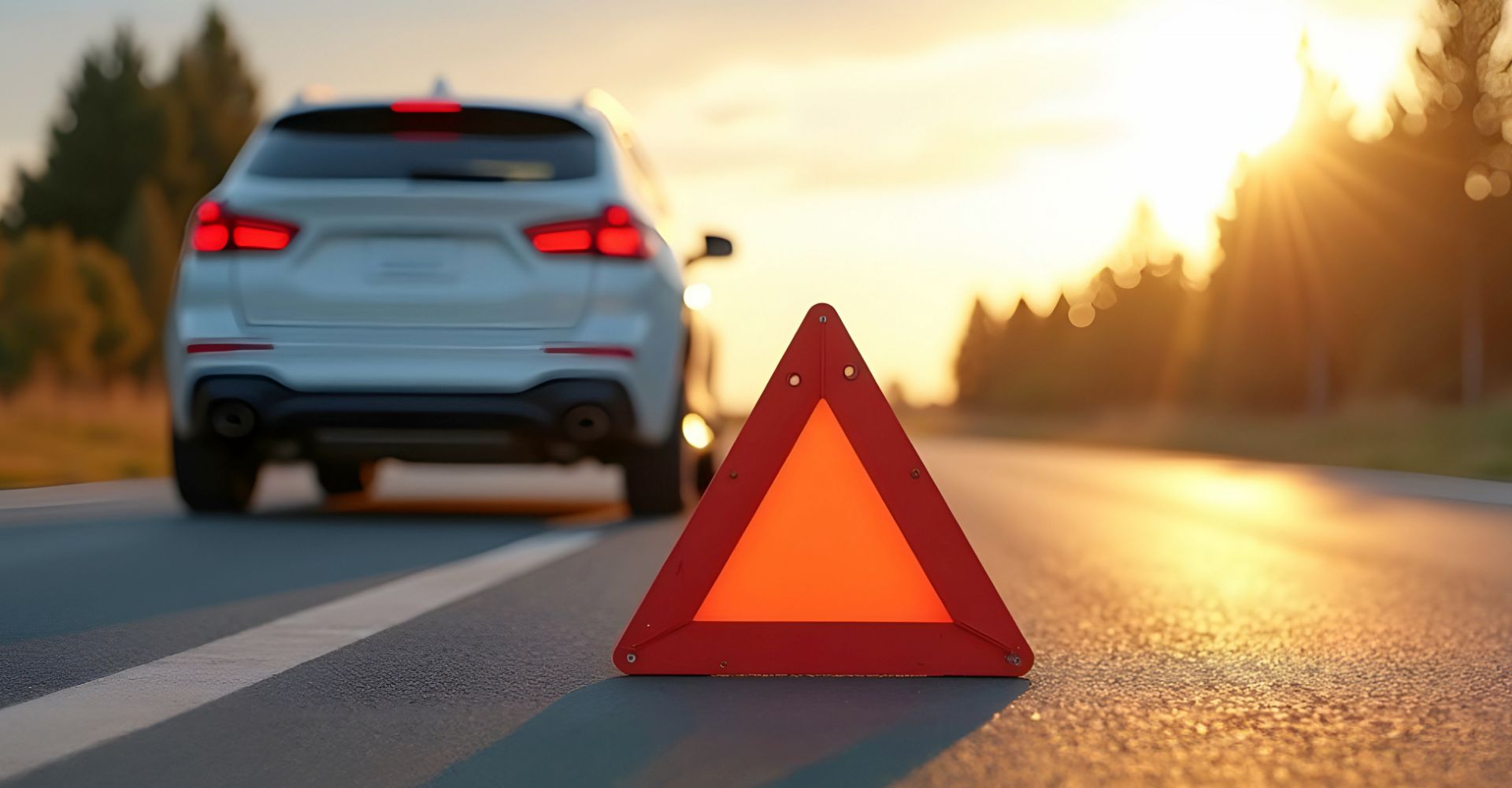
  • READY, SET, GO! YOUR ROAD TRIP PREP CHECKLIST

    READY, SET, GO! YOUR ROAD TRIP PREP CHECKLIST


    How to Get Your Car Ready For the Long Road Ahead

    Embarking on a road trip is exciting, but ensuring your car meets the challenge is crucial. A little preparation can prevent costly repairs and unexpected breakdowns. Pair that with an extended car warranty plan, and you’re set for smooth and safe travels. Take a look at our essential road trip prep list!

    Pre-Road Trip Car Check

    A thorough inspection of your vehicle is essential before hitting the open road. Start by tending to the essentials:

    • Fluids Checks
      Your car’s health depends on a range of fluids. Check your engine oil, coolant, brake, power steering, and transmission fluids to guarantee a smooth ride.
    • Battery Examination
      Look out for warning signs such as a slow start, dashboard engine lights or a swollen or leaking battery. A failing battery can leave you stranded, meaning no more road trips!
      RELATED: Don’t Ignore These Dashboard Lights
    • Tyre Maintenance
      Inspect tread depth and tyre pressure before you hit the road. Proper tyres improve safety and fuel efficiency. And don’t forget the spare tyre too; it’s your safety net in an emergency.

    • Visibility Matters
      Crystal-clear visibility is non-negotiable. If your windshield wipers show any streaking, skipping, slipping or squeaking, replace them. Also, clean all windows and mirrors for better visibility, especially for night driving.
    • Lights and Indicators
      Inspect all lights, from high beams to indicators, to ensure they are in good working condition. Faulty lights aren’t just a hazard; they could land you a fine.
    • Consider Weight and Load Limits
      Overloading your car can impact on its safety, stability and fuel efficiency. Stick to your vehicle’s weight limits and pack smart.
    • Route Mapping
      Familiarise yourself with the route and have alternate plans in place. A navigation system such as a GPS can be invaluable in unfamiliar territory.
    • Emergency Supplies
      No matter how well you plan, surprises happen. Pack an emergency kit with essentials like:

      • Jumper cables
      • A flashlight
      • A first aid kit
      • Tools like a tyre iron and jack
      • Spare key
      • Plastic funnel and water bucket for fluid needs and emergencies.
      • Chain or towing rope.
      • Set of screwdrivers and wrenches.

    Long Road Trip Survival Kit

    For a smoother journey, don’t forget these essentials:

    • Water and snacks
    • Games and entertainment to keep your passengers happy
    • A spare battery pack and cables to keep your devices charged.

    The Final Preparation

    Even with the best preparation, mechanical issues or breakdowns can happen. So, along with our road trip prep checklist, hit the road with a warranty plan to help you avoid costly repairs and ensure your adventures are stress-free! Visit dotsure.co.za and get a free online quote for an extended motor warranty today!

  • ARE YOU COVERED IF SOMEONE ELSE DRIVES YOUR CAR?

    ARE YOU COVERED IF SOMEONE ELSE DRIVES YOUR CAR?


    We’ve all been there: you’re too tired to drive, have an unplanned drink at a holiday party, or simply need a favour. Handing over your car keys might be the safest option, but it comes with an important question: Does your car insurance cover you if someone else drives your car With car insurance from dotsure.co.za, you can customise your policy to suit your needs, ensuring peace of mind during the festive season or anytime you need someone else behind the wheel. Let’s explore your options.

    What Does dotsure.co.za Motor Insurance Cover?

    Under dotsure.co.za’s comprehensive car insurance, there are three main driver options you can choose from to tailor your cover to your driving habits. Plus, you can manage all of these driver options via our 24/7 Manage Portal, where you can easily turn this option on or off, based on your needs.

    RELATED: Driving Clarity: Get on Track With FAQs

    1. Open Driver Policy

    The most flexible option: anyone with a valid driver’s license and your permission can drive your car, and you’ll still be covered if something goes wrong. Whether it’s a family member, a friend or even a trusted colleague, you won’t have to worry about claims or repair costs.

    • Pros: Maximum convenience; anyone you trust can drive your car.
    • Cons: Highest premiums because of increased risk.

    2. Nominated Driver Policy

    Ah, the perfect middle ground. With this option, you can name a specific person (or a few) to drive your car. These individuals are listed on your policy schedule, ensuring they’re covered while keeping your premium lower than with an open driver policy.

    • Pros: More affordable than open driver cover.
    • Cons: Only nominated drivers are covered.

    Ideal for families, this policy works well if you have a spouse or frequent co-driver.

    3. Single Driver Policy

    This option ensures that only you are insured to drive your car. If affordability is your top priority and you’re the sole driver, this is the best choice.

    • Pros: Lowest premiums.
    • Cons: No cover if someone else drives your car.

    If you rarely or never let others drive your car, this option keeps your premium as low as possible.

    How to Check or Update Your Car Insurance Policy

    Not sure which driver option you have? It’s easy to check:

    1. Log into the 24/7 Manage Portal to view your policy, make changes or activate/deactivate driver options based on your holiday plans.
    2. Prefer the personal touch? Contact dotsure.co.za on 0861 368 7873 or email u2us@dotsure.co.za for assistance.

    With flexible car insurance from dotsure.co.za and easy management, you can focus on enjoying the journey without worrying about the “what-ifs.”

  • THE GIFT OF PROTECTION: WHY CAR INSURANCE IS ESSENTIAL FOR THE FESTIVE SEASON

    THE GIFT OF PROTECTION: WHY CAR INSURANCE IS ESSENTIAL FOR THE FESTIVE SEASON


    Reassess Your Insurance This Festive Season

    There’s nothing like Dezemba in South Africa! The sun is shining, friends and family are coming together, and the air is alive with all the vibes of a true Mzansi Summer! With all the festivities, the last thing you want to worry about is your car insurance premiums or your budget!

    The holidays are the perfect time to review your cover with us. Are you not driving your car on weekends? Maybe you’re jetting off somewhere, so you won’t be using it at all.

    With dotsure.co.za’s Name Your Price™,  we allow you to adjust your motor insurance policy, ensuring it works for you this festive season.

    It’s also a great time to review your car maintenance. Check out our 5 Car Maintenance Tips You Should Know.

    Customise Your Car Insurance Cover for the Holidays

    Name Your Price™ is the Build-A-Bear of insurance. You can customise your cover to fit your needs and your pocket. Because over the festive season, we know saving money is probably the best gift you could give yourself.

    How to save on car insurance this festive season:

    Weekend Driving: Staying in for movie marathons or family braais? Switch off weekend driving and fill those Christmas stockings with the savings you just scored!

    Night-Time Driving: Are you using this holiday to relax and have no desire to make any plans past 21:00? Then, turn off the night-time driving cover and lower your premium.

    Frequent Driver: Are you taking a holiday break from your usual daily commute? Simple: pay less if you’re driving less. Plus, you’ll have some extra change for those island cocktails you’ve been dreaming about.

    Hail Cover: If your holiday spot is sunny and hail-free, turn it off and save!

    Windscreen Cover: Are you planning to drive on smooth highways instead of bumpy gravel roads? Turn off this cover and get an extra gift with your discount.

    Driver Options: If you’re the only driver for the summer, switch to the single-driver option to reduce costs.

    RELATED: Are You Covered if Someone Else Drives Your Car?

    Get Festive Ready

    We’re all about giving you control over your car insurance without worrying about how much you’re spending. Not just over the holidays but all year round! If saving money is your thing, and it should be, go to your 24/7 online Manage Portal and tailor your cover now!

    PS: Speaking of the festive season, we have some fantastic gift ideas for car lovers! If you need some gift inspiration, read our latest blog here:  The Ultimate Gift Guide For Car Lovers This Festive Season

  • HOW WE PROTECT YOU AFTER A CAR ACCIDENT

    HOW WE PROTECT YOU AFTER A CAR ACCIDENT


    From Car Hire to Repairs – How Your Insurance Steps In When You Need It Most

    Dealing with a car accident or breakdown can be stressful, but having the right insurance partner makes all the difference. Whether it’s a minor fender-bender or a more serious incident, understanding the car insurance claim process ensures you get back on the road quickly, minus all the added stress.

    What To Do After an Accident or Breakdown

    Before you can think of insurance, there are a few things you should do:

    1. Safety First!
      Move your car to a safe spot and turn on your hazards if possible. If you were in an accident, check yourself and others for injuries and then call for help.
    2. Call For Help
      Call for medical help if needed and alert the police. Once help is on the way, report the incident to your insurance provider.
    1. Document the Scene

    For breakdowns: Take note of any strange sounds or warning lights before calling for help.

    For accidents: Take clear photos of the scene and any damage. Exchange contact and insurance details with the other driver and if there were any witnesses, get their details, too.

    1. Submit Your Claim
      With our 24/7 online Manage Portal, filing your claims and tracking their progress has never been easier.

    RELATED: How to Claim on Your Car Insurance

    How Can dotsure.co.za Assist You

    It’s most likely that you will call your insurance provider during tough times, not when things are going smoothly, right? That’s why we believe insurance isn’t just about covering the costs. We aim to be there for you when you need us most.

    1. Emergency Assistance

    Give us a call, and we’ll help you right there and then with:

    • Medical Assistance: Immediate response and transportation to the nearest medical facility.
    • Towing Services: We’ll tow your car to the nearest approved panel beater or workshop, whether it’s a breakdown or an accident.
    • Transport Assistance: We’ll arrange transport to a safe location or home for you and any of your passengers.
    • Second Tow: Moved to the wrong repair shop? We’ll get your car to one of our approved panel beaters.

    2. Car Hire Assistance

    Stay mobile while your car is in the shop! We’ll contribute up to R1,000 towards car hire to keep your life moving.

    3. Car Repairs

    We have a range of trusted workshops and dealers ready to repair your car and get it on the road again!

    Avoiding Claim Rejections

    To avoid delays or rejections and keep things easy-peasy lemon squeezy, always:

    • Report incidents promptly.
    • Provide accurate and detailed information.
    • Stay up to date with your premium payments.

    We’ve Got You Covered

    With dotsure.co.za car insurance, we’ve got your back from the moment an incident happens to when your car’s ready to drive again. Plus, we’ll ensure your motor insurance claims process is simple, stress-free and lightning-fast!

  • BLACK FRIDAY DREAM LIST: THE CAR DEALS WE WISH EXISTED

    BLACK FRIDAY DREAM LIST: THE CAR DEALS WE WISH EXISTED


    Looking for New Car-Related Deals?

    Owning a car can sometimes feel like an endless money pit, with hidden costs at every turn. But what if Black Friday could offer us a break? Imagine the thrill of seeing those dreaded car-related expenses finally shrink.


    Cheap Cars for Sale

    Buying a new car in South Africa is becoming more daunting as the local motor industry faces a steady decline. For the dreamers hoping to hit the road in their own set of wheels, a Black Friday deal sounds awesome.

    Fortunately, some local dealerships and online vehicle retail portals are getting in on the action with cash-back offers of up to R10,000, trade-in specials, and other eye-popping deals.


    Better Car Insurance Prices

    Since only about 30% of vehicles in South Africa are insured, it’s clear that many people are struggling to keep up with this essential service.

    Even though it’s legally forbidden for insurers to incentivise policy purchases, we can still wish for a day when car insurance comes with a Black Friday-sized price tag.

    Lucky for you, dotsure.co.za already offers great savings the entire year. You can get a 20% lifetime discount when buying online, and customise your cover to only pay for what you need.


    Fuel for Thought

    If there’s one thing we all wish Black Friday could fix, it’s the ever-climbing fuel prices. We all know the drill: the only thing rising faster than petrol prices is our collective frustration.

    Picture this: discounted petrol cards, cashback offers at the pump, or even price cuts on fuel purchases. That would be the kind of deal to make any car owner’s heart race for all the right reasons!


    Car Tyre Replacement

    Tyres are another pricey part of car ownership, and with South Africa’s infamous pothole-riddled roads, their lifespan can be even shorter.

    Wouldn’t it be amazing if Black Friday brought us affordable tyre deals? Imagine snagging premium tyres at half the usual cost. Now, that would be a victory for your wallet and your peace of mind.


    Annual Car Services

    Maintaining your car’s health with regular services can drain your savings faster than you can say “oil change.” Most of us dread taking our cars to the mechanic, as each visit seems to come with a new hefty bill.

    What if Black Friday changed that narrative? Imagine an annual service at unbeatable prices, such as R200 for a full-service special. Now, that’s the kind of Black Friday deal we’d all get behind. While it may not be reality just yet, there’s always hope that one day service centres will jump on the Black Friday bandwagon.


    Keep Saving All Year

    This Black Friday, South African motorists need a break more than anyone.

    While most of these deals don’t exist (yet), we can always dream of a world where Black Friday discounts on car insurance, petrol, tyres, and service plans become as common as half-price TVs.

    Until then, dotsure.co.za is always here to help you save and enjoy value-packed benefits, making it feel as if it’s Black Friday all year long!

  • TOP MECHANICAL FAILURES THAT CAUSE FATAL CAR CRASHES

    TOP MECHANICAL FAILURES THAT CAUSE FATAL CAR CRASHES


    When Failing Car Parts Turn Lethal

    Mechanical failures may not be the leading cause of car crashes in South Africa, but they still play a significant role in deadly accidents. According to the State of Road Safety Report, mechanical issues contributed to 4% of the 10 611 fatal car crashes recorded in 2021. This means that more than 420 fatal accidents are caused by vehicle malfunctions. Globally reports from the National Highway Traffic Safety Administration (NHTSA) suggest that mechanical failures account for up to 35% of all vehicle accidents.


    Tread Carefully

    Tyre problems are the most common mechanical failures that cause fatal crashes as they are responsible for 2,4% of fatal accidents. Issues such as tyre blowouts, worn tyres, under- or over-inflation, and punctures can cause drivers to lose control, leading to rollovers, collisions with other vehicles, or crashes into roadside barriers.


    Take a Brake

    Faulty brakes are another leading cause of car accidents due to mechanical failure. Worn brake pads, damaged brake lines, or malfunctions in the anti-lock braking system (ABS) can lead to rear-end collisions, especially in sudden stop situations. Brake failure is a significant contributor to road fatalities.


    Steer Away from Issues

    Steering defects are extremely dangerous as they can cause a sudden loss of vehicle control. Issues with the steering, suspension, or transmission can make the vehicle difficult to handle, especially at high speeds, leading to rollovers or head-on collisions.


    Lighten the Risk

    Headlights and taillights that aren’t functioning properly can make your vehicle nearly invisible in low-light or poor weather conditions. Faulty lights significantly increase the risk of being involved in a crash, especially at night or in foggy conditions.


    Avoid Total Wipeouts

    Worn windscreen wipers are a common, yet often overlooked cause of accidents. When windscreen wipers don’t clear the windshield properly, visibility is severely compromised in rainy or snowy conditions, increasing the likelihood of accidents.


    Stay in Control

    Engine failures are another major mechanical problem that can lead to accidents. A sudden engine stall or malfunction while driving can cause you to lose control of the vehicle. Regular vehicle maintenance can help to remedy these issues before they become a problem.


    The Importance of Regular Car Maintenance

    The best way to prevent mechanical failures is to stay on top of your car’s regular maintenance. Routine checks for tyres, brakes, steering, and lights can save lives by ensuring your vehicle operates safely.

    To protect yourself from costly repairs, consider investing in an extended car warranty!

  • 5 CAR MAINTENANCE TIPS YOU SHOULD KNOW

    5 CAR MAINTENANCE TIPS YOU SHOULD KNOW


    Avoid Breakdowns and Costly Repairs

    Even the toughest vehicles need some TLC to keep them in top shape. Regular maintenance is essential to ensure that your car remains reliable. Whether you’re driving from Durbs to Jozi, or just running daily errands, taking care of your car will help you go the distance!


    Keep Your Windshield Wipers in Top Condition 

    Your windshield wipers are essential for clear visibility, especially in bad weather. Faulty wipers can compromise your safety, so it’s vital to ensure they are in good working order.

    TIP: If your wipers squeak or leave streaks, it’s time for a replacement. Make sure to buy the right wiper blades for your car’s model to avoid poor performance.


    Regularly Change Your Engine Oil

    Keeping your engine well-lubricated is crucial for its performance and longevity. Regular oil changes prevent friction, overheating, and costly engine repairs.

    TIP: Follow your vehicle’s manual for oil change intervals. If you struggle to remember, consider installing an electronic oil pressure gauge that monitors oil levels and alerts you when it’s time for a top-up.


    Clean Your Car Seats and Upholstery

    Over time, spills and stains from coffee, soda, or dirt can accumulate on your car seats. Keeping your car’s interior clean enhances its appearance and prevents long-term wear.

    TIP: Use a safe upholstery cleaner for all surfaces, including fabric, leather, and dashboards. For leather seats, create a DIY cleaner using ½ a cup olive oil and a ¼ cup vinegar. Spray the mixture, let it sit for five minutes, and then wipe it clean.


    Maintain Proper Tyre Pressure 

    Properly inflated tyres are essential for your car’s safety, fuel efficiency, and handling. Under-inflated tyres wear out faster and can affect your vehicle’s performance.

    TIP: Check your tyre pressure every 2-3 weeks to ensure it meets the manufacturer’s recommendations.


    Monitor Your Car’s Coolant Levels

    Your car’s engine generates a lot of heat, and the cooling system helps regulate its temperature. Keeping an eye on your coolant levels will prevent the engine overheating, which can lead to serious damage.

    TIP: Always check your car’s coolant levels before long drives. If the temperature gauge on your dashboard shows the needle moving toward the red zone, pull over and let the engine cool before adding coolant.


    Extend the Lifespan of Your Car

    Consider getting dotsure.co.za’s extended car warranty to protect against unexpected mechanical or electrical breakdowns. We cover more than 60 car parts that are prone to breaking or failing.

    Stay safe and keep your car in top shape!

  • INSURING THE CAR PARTS OF TOMORROW

    INSURING THE CAR PARTS OF TOMORROW


    The Evolving World of Automobiles

    We’ve come a long way if we think back to the first vehicle in history! Technology around us constantly evolves and the automobile world is no different. From electric vehicles to self-driving cars, the cars of tomorrow are already on our roads today! But with all this innovation comes a question: How do you insure the car parts of these cutting-edge vehicles? At dotsure.co.za, we’re ready for the future with an extended car warranty to cover South Africa’s cars of tomorrow.

    What Makes Tomorrow’s Car’s Different?

    Electric Power

    Electric vehicles (EVs) are here to stay, and as more people switch to greener alternatives with greener car parts, it’s essential to know how this affects your cover. EVs have advanced battery systems, electric motors and regenerative braking, so you will need advanced repairs and parts, too.

    Automated Gearboxes

    The future isn’t just electric, it’s also automated. Modern cars are increasingly equipped with automated gearboxes and semi-autonomous driving features. While these systems make driving easier, they also mean more complex and costly repairs if something goes wrong.

    Software Updates

    Software updates are not only for our phones and laptops. Today, the cars of tomorrow also rely heavily on software, which means they have much more in common with that little device in your pocket than you think. Constantly evolving with new features, software updates and improvements means your cover needs to evolve too.

    Autonomous Vehicles

    While “I Spy, a fully autonomous car”, may not be popular, they’re coming! Insuring a self-driving car will require policies that consider liability, software errors and the high-tech systems that make autonomous driving possible.

    Be Ready for Tomorrow

    The automotive industry is changing faster than ever, but one thing remains constant: you need solid cover to protect your vehicle. As insurer***, we’re committed to providing the best and most flexible solutions for all types of cars, whether they are powered by fuel or electricity. So, get your today – Quote online.


    ***Voted SA’s #1 Pet insurer 2023/2024. The Star, Die Burger, Beeld, City Press.

  • THE ULTIMATE GUIDE TO NAMING YOUR RIDE

    THE ULTIMATE GUIDE TO NAMING YOUR RIDE


    How to Pick the Perfect Name for Your Car

    2 October is International Name Your Car Day, so we thought we’d give you the ultimate guide to help name your ride. Whether you’ve just got a new car or your current vehicle is nameless (shame, man), your travel buddy deserves to be named!

    Why Name Your Car?

    Your car is so much more than just a machine on wheels. It has personality, it’s unique, and it’s an extension of who you are. Together, you and your car will take on the open road, from family trips to snack runs, from first dates to last goodbyes. Our vehicles carry our story, and all stories must have a name! So, here are our top tips for picking the perfect name for your car.

    Consider the Personality

    As we have mentioned above, your car has a personality too. Is yours fast and sleek, slow and steady, big and chunky? Think about how your car drives, if it’s second-hand – where it came from, and consider its quirks or even its colour! A vibrant red sports car might need a name such as “The Flash”, or a hard-working bakkie could be called “Kaptein”. But get creative. Someone named their new Fortuner “Pamela” because of the big headlights… 10/10 score from us.

    Consider your ride’s personality for inspiration, too. If your car reminds you of Dobby from Harry Potter or Marceline from Adventure Time, go for it!

    Consider what you’ll be using it for

    What do you plan on doing in your car? Is it a workhorse or the school carpool, or are you heading for outdoor adventures? Try matching the name to those activities. If you plan to go on many camping trips, you could try “Marshmallow” or “Happy Camper”. If you’re going to be using your car for picking up the kids, you could try “Munchkin Express”, or if you’re using it for business, “Boss Diva”.

    Keep it Simple

    Finally, you want other people to understand your car’s name. Plus, you’ll use this name often, so make sure it rolls off the tongue. Short and punchy is the way to go, so steer clear of anything too complicated such as “The Grand Turbo-Transporter 500”— try saying that five times fast!

    Be Creative

    Let your imagination do its thing. No matter what name you choose, the most important thing is that it makes you smile.

    Speaking of names…  Name Your Price™ car insurance from dotsure.co.za will protect your car, no matter what you call it.

  • ELECTRIC CARS & THE INSURANCE INDUSTRY

    ELECTRIC CARS & THE INSURANCE INDUSTRY


    How is Insuring an Electric Car Different

    Electric vehicles (EVs) are becoming the future of transportation, but how do they fit into the world of car insurance? Whether you’re already driving an electric car or considering switching, it’s essential to understand how to insure the vehicles of tomorrow.

    Traditional vs Electric Cars

    At first glance, you might assume that insuring an electric car is the same as insuring a petrol or diesel car, but there are a few differences to keep in mind.

    Higher Repair Costs

    EVs may require specialised parts and expertise if something goes wrong, resulting in higher repair costs. Components such as the battery, electric motor or even the vehicle software can be more expensive to fix than traditional cars. That’s why it’s essential to have an insurance plan that specifically covers these high-tech parts.

    Battery Coverage

    The heart of your electric vehicle is its battery, which is one of the most critical (and costly) components to insure. Ensure that your insurance covers the battery, especially since wear and tear or damage can be pricey.  dotsure.co.za’s Name Your Price™ car insurance offers customisable plans so you can choose the coverage that fits your EV’s specific needs.

    Eco-Friendly

    Research shows that electric cars can help reduce your carbon footprint. Transportation accounts for around one-fifth of the world’s CO2 emissions and nearly 75% come from road vehicles. This means electric cars are better for the planet than traditional vehicles..

    Are you considering an Electric Vehicle? Here are our top 5 affordable electric cars you can buy in SA. Plus, dotsure.co.za Name Your Price™ car insurance is 100% paperless and perfect for your eco-friendly car.

    Cost Considerations

    When considering the cost of insuring an EV, there are some advantages. Surprisingly, electric vehicles (EVs) can be cheaper to insure than traditional cars. With fewer moving parts and advanced safety features such as emergency braking and blind-spot monitoring, insurers see EVs as lower-risk vehicles. Because they have shorter driving ranges, you may not use them as much, which can also trim your premium.

    However, their higher retail value and battery costs can drive premiums up. Ultimately, researching and comparing car insurance quotes is vital to finding the best insurance for your EV.

    Car Insurance for Tomorrow

    So, while there are many differences between insuring an electric vehicle and a traditional vehicle, the conclusion is clear: you need insurance that can adapt to this ever-changing technology.

    Consider SA’s #1 insurance for your EV – Get a quote online today.

  • HOW TO SAVE ON FRIGHTENING CAR INSURANCE PREMIUMS

    HOW TO SAVE ON FRIGHTENING CAR INSURANCE PREMIUMS


    Car insurance premiums don’t have to be scary!

    At dotsure.co.za, we believe that car insurance shouldn’t be a gamble. Why should you risk your finances and valuables when there are guaranteed ways to save? That’s why we’re here to show you how dotsure.co.za Name Your Price™ (NYP) car insurance can help you avoid those frighteningly high premiums while still getting the cover you need.

    As the insurer who cares the most, we are committed to making cover more affordable and flexible. Name Your Price™ allows you to tailor your insurance to fit your lifestyle, so you’re not paying for cover you don’t need. Here are seven clever ways to save with dotsure.co.za.

    20% Lifetime Discount

    We’re not tricking you — this is a treat! Sign up for a dotsure.co.za car insurance policy online and get a 20% lifetime discount. Click here for that sweet discount – save now.

    Glass Cover

    You’re not a fan of the open road or only use your car for quick trips around the burbs? By limiting your glass cover, you can reduce your monthly premium. While you won’t be covered for windshield or window damage, it’s an easy way to save if your car rarely faces the elements. And hey, you can always add it back later on via our convenient dotsure.co.za 24/7 Manage Portal.

    Night-Time Driving

    If night driving gives you chills, why pay extra for it? With Name Your Price™, you can remove the night-time driving cover if you’re more of a stay-at-home-after-dark person. Remember, this cover limitation means your vehicle won’t be protected for incidents that happen between 9 p.m. and 5 a.m.

    Monthly Mileage

    Do you want to be eco-friendly and save money at the same time? Driving less than 1 000 kilometres a month can activate the monthly mileage limitation, and you can enjoy lower premiums.

    Weekend Driving

    Did you know that during weekends there are more road accidents than any other time of the week? If you prefer staying home over the weekend, don’t pay for the cover you don’t use. Trim your premium by excluding weekend driving from 9 p.m. on Friday to 5 a.m. on Monday.

    Hail Cover

    If you don’t live or travel in areas that often see hailstorms, skip the hail cover and save some cash. But beware—without it, you won’t be covered for any damage from our unpredictable Mother Nature. But, if your area isn’t prone to golf ball-sized hailstones, this could be an easy way to reduce your premium.

    Driver Options

    Who’s driving your car? With dotsure.co.za, you can select from different driver options that impact your premium. Choose between a single driver, nominated drivers, or open driver policies. A single or nominated driver policy could save you more than an open driver policy.

    Related: dotsure.co.za Driver Options.

    With dotsure.co.za, Name Your Price™ car insurance doesn’t have to be frightening. It just has to be innovative.


  • FROM THE HIGHWAY TO THE CIRCUIT

    FROM THE HIGHWAY TO THE CIRCUIT


    SA’s Racetracks: A Safer Thrill for Speed Enthusiasts

    With our sunny climate and outdoor-loving culture, local racing circuits are perfect for enjoying the excitement of motorsport in a safe and controlled environment.


    Aldo Scribante Race Circuit

    Located in the coastal city of Gqeberha, the Aldo Scribante Circuit is a well-loved venue amongst local motorsport enthusiasts. This track has strong ties with the motoring industry, with major brands like Ford, Isuzu, and Continental Tyres having a presence in the area. The circuit has helped shape the careers of several national champions and continues to host a robust calendar of local and regional racing events, including drag racing.

    The track’s facilities have been expanded over the years to include covered garages, a control tower, and improved spectator amenities, all while retaining a welcoming club atmosphere. The seasonal highlight here is the national Sasol GTC Championship, drawing fans from across the country.


    Killarney Motor Racing Complex

    Cape Town’s Killarney circuit is a historic gem, having been in continuous operation for nearly 70 years. This long-lived circuit has seen many improvements over the decades and now boasts two pit lane complexes flanking the main straight. Killarney is not just about traditional circuit racing; it has embraced innovation by hosting events such as the FIA World Rallycross Series, using a course centred around some of its most thrilling turns.

    With a variety of two- and four-wheeled racing events on offer, Killarney is a must-visit for anyone in the Western Cape looking for a day of motorsport excitement.


    Kyalami Grand Prix Circuit

    Kyalami is perhaps the most iconic racing circuit in South Africa, often regarded as the heart of the country’s motorsport scene. After weathering many ups and downs, the circuit is now thriving under the ownership of Porsche South Africa chairman Toby Venter. Extensive renovations have restored Kyalami to its former glory, earning it FIA Grade 2 status, with the potential for further upgrades.

    In 2019, international motorsport made a triumphant return to Kyalami with the revival of the Kyalami 9 Hours, part of the Intercontinental GT Challenge. For a day of world-class racing, Kyalami is the place to be.


    Red Star Raceway

    Red Star Raceway is a biker’s paradise, designed with two-wheeled enthusiasts in mind. Located in Delmas, this circuit offers a safe and family-friendly environment for bikers to enjoy their passion. The track’s facilities are top-notch, with a paddock area that feels like an oasis in the countryside, complete with a motorcycle accessories shop, a restaurant with outdoor seating, and even a children’s play area.

    For those looking to extend their visit, Red Star Raceway also offers holiday cabins on-site. It’s the perfect venue for a weekend getaway filled with high-speed fun.


    Tarlton International Raceway

    If drag racing is more your speed, Tarlton International Raceway near Krugersdorp is the place to be. This drag-strip hosts weekly events that cater to petrolheads of all kinds. Whether you’re into front-wheel drive, rear-wheel drive, all-wheel drive, or motorcycles, Tarlton offers a safe environment to test your machine’s limits.

    With a family-friendly atmosphere, Tarlton invites you to bring your cooler box, fire up the braai, and enjoy a thrilling day of racing.


    Zwartkops Raceway

    Zwartkops Raceway in Pretoria is a classic circuit that has grown into one of the busiest and most modern in the country. Hosting a wide range of events throughout the year, Zwartkops is home to the Legends of the 9 Hours races, which celebrate the history of South Africa’s motorsport heritage. The track also hosts the Sasol GTC Championship and the SA Superbike Championship, making it a hub for both car and motorcycle racing.

    In addition to its racing events, Zwartkops boasts a skid pan, driver training facilities, and the only internationally-licenced kart circuit in South Africa. With its comprehensive offerings, Zwartkops is a premier destination for motorsport fans.


    Instead of taking risks on public roads, head to the nearest circuit and experience the excitement of racing the right way!

  • CAR DESIGNS AHEAD OF THEIR TIME

    CAR DESIGNS AHEAD OF THEIR TIME


    Why Some Concepts and Features Never Made It to the Road

    When car manufacturers want to flaunt their next-gen technology or bold new designs, they roll out concept cars. These wild rides let designers go all out since they don’t have to follow the strict safety regulations production cars require. This freedom often leads to jaw-dropping designs that leave fans drooling. But when these concepts get toned down for actual production, it can be a bit of a letdown.

    While some brands manage to bring concepts to life almost unchanged, many amazing ideas never make it past the prototype stage.


    Chrysler ME Four-Twelve

    The Chrysler ME Four-Twelve, born from the Daimler-Benz merger, was a supercar dream with a mid-engine, four turbochargers, and a 6.0-litre V-12 producing 850 horsepower. Unfortunately, Mercedes saw it as a threat to their SLR McLaren and pulled the plug, stopping it from reaching production.


    Lamborghini Estoque

    Lamborghini’s Estoque was a sleek four-door coupe concept powered by a 5.2-litre V-10. It could have been a hit in the luxury performance market, but Audi, which owns Lamborghini, saw it as competition for the Porsche Panamera and decided not to greenlight it.


    Mazda Vision Coupe

    The 2017 Mazda Vision Coupe hinted at a rear-wheel-drive Mazda 6 with an inline-six engine. However, Mazda chose to focus on SUVs instead. While there’s still hope it might eventually be produced, for now, it remains a stunning concept.


    Shelby Cobra Concept

    Ford’s 2004 Shelby Cobra Concept teased a modern take on the classic American muscle car with a 6.4-litre V-10 engine. But economic downturns shelved the idea, leaving enthusiasts waiting for a true Shelby Cobra revival.


    Hyundai N Vision 74

    Hyundai’s N Vision 74 combined retro-futuristic design with modern tech, featuring a hydrogen fuel cell and electric motors. With 671 horsepower and a design inspired by the 1974 Hyundai Pony Coupe, it had the potential to be a game-changer. However, it remains a concept.


    Jaguar C-X75

    Jaguar almost introduced the first hybrid supercar with the C-X75. Developed with Williams Advanced Engineering, it boasted a hybrid powertrain producing 890 horsepower. However, Jaguar prioritised the I-Pace EV, leaving the C-X75 as a tantalising concept.


    Ford GT90

    Ford’s GT90 in the 1990s was a futuristic supercar with a quad-turbo V-12 engine producing 720 horsepower. Despite its impressive performance, it was only a developmental prototype and never made it to the showroom floor.


    Short-Lived Car Innovations

    Throughout automotive history, manufacturers have tried out various innovations, some of which didn’t stick around long.

    • Saab Sensonic Gearbox

    Saab’s Sensonic gearbox aimed to blend manual driving with automatic ease. However, it struggled with hill reversals due to the lack of clutch control, leading to its quick demise.

    • Fifth-Wheel Parking

    In the 1930s, the fifth-wheel parking concept allowed cars to easily manoeuvre into tight spaces. Despite its cleverness, it was deemed too expensive and never became popular.

    • In-Car Vinyl Player

    The in-car vinyl player let drivers play records on the go, but required special records and had limited demand, leading to its short-lived run.

    • Rolls Royce Toilet

    In 1954, a custom Rolls Royce featured a functioning toilet that emptied onto the road. While unique, it was impractical and rare, with only one known to exist.

    • Bose Suspension

    Bose developed an electromagnetic suspension system that eliminated body roll and allowed cars to jump. Despite its success, it was too expensive for production and found its place in truck seats instead.


    These concept cars and innovations show the boundless creativity and ambition of the automotive industry, even if they never made it to the road. They remind us of what could have been and continue to inspire future advancements.



  • CAN YOU REALLY AFFORD YOUR DREAM CAR?

    CAN YOU REALLY AFFORD YOUR DREAM CAR?


    The Hidden Costs of Luxury Vehicles

    Dream cars: Those sleek, powerful machines packed with cutting-edge technology are undeniably alluring. The idea of sliding into the driver’s seat of such a vehicle is enough to make anyone daydream. However, the initial purchase price is just the beginning. Owning a luxury or high-performance car has many hidden costs that can significantly impact on your financial planning.


    High Maintenance and Repair Costs

    Luxury cars are synonymous with high performance, but maintaining this standard comes at a steep price. The components used in these vehicles are typically high-end, rare, and more expensive to replace. Specialised maintenance from trained technicians is essential to keep these complex systems running smoothly, and such expertise doesn’t come cheap. Moreover, these high-performance vehicles often require more frequent servicing, adding to the overall maintenance costs.


    Insurance Premiums

    Insuring a luxury car is notably more expensive than insuring a standard vehicle. Comprehensive coverage is a necessity, not just for your peace of mind but also to meet the requirements of any financing agreements.


    Depreciation: A Silent Expense

    Depreciation is a significant, yet often overlooked, cost of owning a luxury vehicle. While all cars lose value over time, luxury cars tend to depreciate more rapidly. A new luxury car can lose up to 50% of its value within the first three to four years. Frequent updates in technology and design can make older models quickly outdated, further accelerating depreciation. Additionally, the market for second-hand luxury cars is limited, as potential buyers may prefer new models with updated features.


    Fuel Consumption

    High-performance engines are one of the main attractions of luxury cars, but they come at the cost of fuel efficiency. These larger, more powerful engines consume more fuel, and many high-end models require premium fuel, which is more expensive. Over time, this can add significantly to the cost of owning such a vehicle.


    Tax Implications

    Luxury cars are subject to higher taxes, including a hefty sales tax based on the car’s high cost. These taxes are often overlooked but can add thousands to the overall cost of ownership.


    Financing Pitfalls

    For most people, buying a car with cash isn’t an option, and financing through a bank is the most popular way to obtain a vehicle. However, without a decent deposit, this option can be costly due to the interest on the credit extended. Over time, you could end up paying almost double the car’s initial purchase price.


    Before you take the leap into buying your dream car, take the time to calculate all the associated costs beyond your monthly repayments. By doing so, you can ensure that your car remains a source of joy rather than a financial burden.

  • MEN VS. WOMEN DRIVERS: WHO’S BETTER?

    MEN VS. WOMEN DRIVERS: WHO’S BETTER?


    Discover How Car Insurance Can Make Anyone a Better Driver

    The debate over whether men or women are better drivers has been ongoing for years. Last year, we settled it: women are, in fact, the better drivers. Thanks to groundbreaking data analysis, compelling evidence debunks the myth. The study revealed that female drivers are involved in fewer accidents, practice safer driving habits, are better at parking (yes, even parallel parking) and thus have fewer insurance claims and lower premiums—go ladies!


    But what if the key to being a better driver lies in having car insurance? Instead of debating who’s better, let’s explore how car insurance influences our driving habits and helps all genders become better drivers.


    The Role of Car Insurance

    Peace of Mind for All Drivers

    Having car insurance provides financial protection, reducing stress and anxiety when it comes to the unexpected. This peace of mind allows drivers to focus more on the road and less on the daunting financial burdens of potential accidents. An insured driver is a calmer one.


    Financial Incentives to Drive Safely

    At dotsure.co.za, we reward safe driving behaviours with our Smart Driver App. By incentivizing better driving, we’re creating a community of fans who want to drive responsibly and maintain their smart driving rating because they’re rewarded for it.


    Monitoring and Accountability

    One word: Telematics. To monitor a car’s driving patterns, we use a telematics device known as the dotsure.co.za Smart-Box. This provides drivers with real-time feedback and monitors things like movement, location, and behaviour. So, if you’re slamming the brakes or accelerating like an F1 driver, you won’t be rewarded.


    Conclusion: The Best Drivers Are Insured Drivers

    The true measure of a good driver is not about gender but about the practices and behaviours that contribute to making our South African roads safer for all.


    dotsure.co.za, encourages safer driving. So, whether you’re male or female, we say the first step to becoming a better driver starts with car insurance.

  • ACTS OF SERVICE: A CAR’S LOVE LANGUAGE

    ACTS OF SERVICE: A CAR’S LOVE LANGUAGE


    4 Reasons Why Annual Car Services Are Important

    If your car could talk, it would tell you that its love language is acts of service. More specifically, acts of annual service.


    When it’s time for your car’s annual service, it can be easy to neglect or overlook it. Life gets busy, budgets are tight and car maintenance doesn’t even make it onto the to-do list. However, dedicating time to service your car annually offers many benefits that can save you money, ensure your safety and improve your relationship with your vehicle.


    Keeps you Safe

    Just because your dashboard is not lighting up with warning or engine lights does not mean there are no problems. Regular services allow mechanics to identify potential safety-related issues and an early diagnosis of parts likely to fail means they can be replaced before anything serious happens.


    Improves Performance

    A well-maintained car runs more efficiently. An annual service includes oil changes, filter replacements, tyre checks and lubricating engine parts that all contribute to better fuel efficiency and overall performance. By showing your car some love, you will extend its longevity and save money on fuel in the long run.


    Maintains Your Warranty

    For cars under warranty, adhering to the manufacturer’s recommended service schedule is essential.  Missing scheduled services can invalidate your warranty, resulting in you having to pay for repairs which would otherwise have been covered.


    Improves Resale Value

    And lastly, when it is time to move on, having a full-service history on your car is very attractive to potential buyers. It shows them that the vehicle has been well looked after and taken care of, which can increase its resale value.


    Happy Car, Happy Life

    Annual car servicing is an investment. By prioritising the maintenance of your vehicle, you ensure a safer, smoother and more rewarding relationship. So, give your car the love it needs with the annual service it deserves.


  • DANGEROUS DRIVERS: SA STATISTICS

    DANGEROUS DRIVERS: SA STATISTICS


    Safety Risks for Road Users

    South Africa has a reputation for being one of the most dangerous places to drive, and recent studies back this up with some alarming statistics. With the highest number of fatal road accidents among 20 surveyed countries, our roads are some of the deadliest in the world.


    The Numbers Don’t Lie

    South Africa experiences 44,8 fatal accidents per 100,000 people. To put this into perspective, this rate is worse than in countries known for their chaotic traffic and poor road conditions, such as India, Brazil, Colombia, and Peru.


    What’s Causing the Chaos?

    • Reckless Driving:

    Speeding, aggressive driving, and ignoring traffic laws are common.

    • Drunk Driving:

    Driving under the influence of alcohol or drugs is a significant problem.

    • Poor Vehicle Maintenance:

    Many cars on the road are not properly maintained, which leads to accidents.

    • Corruption and Inefficiency:

    Bribes to avoid fines and illegitimate licences allow unqualified drivers to get behind the wheel.


    Driver Behaviour

    Out of over 4 million trips monitored, 28% of South African drivers indicated at least one bad driving habit such as harsh braking, harsh acceleration, speeding, and sharp cornering. Notably, acceleration and speeding accounted for 21% of the incidents. These dangerous habits contribute to over 12,500 road deaths, annually.

    A study revealed that South African youth exhibit more risky driving behaviours compared to their global counterparts. Many admit that they would fail their driving tests if they were retaken. Additionally, young drivers in South Africa aren’t well-prepared for challenging conditions such as heavy rain or night driving.


    The Road Ahead

    Driving in South Africa can be risky, but with the collective efforts of traffic law enforcement and responsible drivers, it’s possible to make the roads safer for everyone.


  • A BALANCED APPROACH TO CAR MAINTENANCE

    A BALANCED APPROACH TO CAR MAINTENANCE


    Getting Your Car’s Upkeep “Just Right”

    Since we’ve adapted to the “new normal” of the pandemic, many of us have transitioned to working from home, significantly reducing our daily commutes. While traffic has returned to normal, some cars still sit idle for long periods, leading to potential breakdowns and repair costs. On the flip side, over-maintenance can drain your wallet without offering significant benefits. Finding the perfect balance is important for keeping your car in tip-top shape!


    The Risks of Letting Your Car Sit

    Not using your car regularly can lead to several problems, including:

    • Dead Batteries: A car battery can discharge and lose its ability to hold a charge if the vehicle isn’t driven frequently.
    • Rusted Brakes: Rust can form on brake rotors if they aren’t used regularly, reducing braking efficiency.
    • Dried-Out and Leaking Seals: Lack of use can cause seals to dry out and start leaking fluids.
    • Insect and Rodent Infestation: Idle cars, even in garages, can become homes for pests.


    Essential Maintenance Tips

    If you need to keep your car despite not driving it much, follow these tips to maintain its health:

    • Drive Weekly: Start the car and drive it for 15-20 minutes weekly to keep parts lubricated, charge the battery, and prevent tyre flat spots.
    • Check Tyre Pressure: Factory recommendations suggest weekly checks, but monthly checks should suffice if you don’t drive often. Proper tyre pressure ensures optimal handling and safety.
    • Monitor Fluids: Regularly check oil, coolant, and windshield washer fluid levels. Even if the car isn’t driven much, these fluids need periodic changes.
    • Inspect Belts and Hoses: Monthly checks can help you spot cracks or leaks early.
    • Use a Battery Tender: If your car is not used for long periods, use a smart battery tender to maintain the battery charge.
    • Prevent Infestations: Use methods such as moth balls or traps to deter insects and rodents.


    Avoid Over-Maintenance

    While regular maintenance is crucial, over-maintenance can waste money without offering extra benefits.

    • Frequent Oil Changes: Modern oils last up to 11,000 km, with some synthetics exceeding 16,000 km. Follow your car’s manual for oil change intervals.
    • Unnecessary Filter Replacements: Dirt on a filter doesn’t always mean it needs replacement. Follow manufacturer guidelines for changing air filters.
    • Unneeded Wheel Alignments: Alignments are only necessary if the car pulls to one side or if the tyre treads show uneven wear.
    • Premature Spark Plug Changes: Modern spark plugs can last up to 160,000 km. Replace them according to your vehicle’s schedule.
    • Excessive Fluid Flushes: Follow your car’s manual for fluid change intervals. Unnecessary flushes add little benefit and cost more.
    • Routine Additives: Most vehicles don’t need aftermarket additives. Automakers design fluids to work well without extra products.


    Common Maintenance Mistakes to Avoid

    To ensure your car’s longevity, avoid these common maintenance mistakes:

    • Using Low-Grade Fuel: Stick to the recommended fuel grade to avoid engine damage.
    • Neglecting Car Cleaning: Regular cleaning prevents wear and tear, making it easier to spot issues.
    • Aggressive Braking: Avoid harsh braking to reduce wear on your vehicle.
    • Skipping Inspections: Regular professional inspections help identify problems early.
    • Ignoring Warning Signs: Address unusual noises or warning lights promptly to prevent larger issues.
    • Neglecting Regular Drives: Even when not in use, drive your car occasionally to keep it in good shape.


    Keep Your Car Going

    Keeping detailed maintenance records helps track your car’s health and can be useful if you decide to sell it in the future. Additionally, having the right Extended Car Warranty in place, can improve your car’s longevity.


  • AVOIDING WINTER DRIVING HAZARDS

    AVOIDING WINTER DRIVING HAZARDS


    Stay Safe on the Roads This Winter

    Our country’s winters are generally mild, but various regions experience different weather conditions. Whether you’re facing rain, fog, or the rare event of snow, it’s crucial to be prepared and to adapt your driving to stay safe.


    Stay Informed

    Before hitting the road, check weather forecasts to stay informed about any warnings or alerts. If severe weather is predicted, consider postponing your trip, if possible. Being aware of weather conditions allows you to plan your journey more safely.


    Slow Down

    Even in mild winter weather, slow down to match the road conditions. Avoid using cruise control on slippery surfaces and maintain a safe distance between you and other vehicles. This gives you ample time to react to unexpected situations.

    On wet or icy roads, avoid sudden changes in speed. Accelerate and brake gently to prevent skidding. If your vehicle is equipped with an anti-lock braking system (ABS), apply steady pressure to the brake pedal during emergencies. This helps maintain control and reduces the risk of accidents.


    Ensure Clear Visibility

    Rain and fog can significantly reduce visibility on the roads. Keep your windshield wipers in good condition and use them when necessary. Turn on your headlights to improve visibility for yourself and other drivers. Additionally, use fog lights or low beams in foggy conditions to help others to see you.

    You can combat glare by using polarised sunglasses, lowering your visor, and keeping your windshield clean. Slow down to adjust to changing light conditions and be mindful of sudden changes in visibility. If you need to pull over, do so safely and use your emergency lights to alert other drivers.


    South African drivers can minimise the risks associated with driving in winter road conditions by always prioritising safety and staying informed.


  • 7 Dad Myths About Car Maintenance

    7 Dad Myths About Car Maintenance


    Debunking “Dadvice”

    Owning a car means taking care of it, but with so much misinformation out there, it can be hard to separate fact from fiction. Let’s clear up some common myths about car maintenance that might have come from your dad’s well-meaning advice. ?


    Myth 1: Dealerships Are the Only Option for Quality Repairs

    Dad might say you need to go to the dealership for the best repairs, but that’s not true. Independent car service centres (RMI-approved), also have skilled technicians and modern equipment.


    Myth 2: DIY Repairs Are Always Cheaper

    Sure, the internet is full of DIY repair tutorials, but not all car repairs should be done at home. Modern cars are complex, and without the right tools and knowledge, you could cause more harm than good. Trusting professionals ensures your vehicle is in capable hands, which save you from bigger repair bills later on.


    Myth 3: Regular Maintenance is Unnecessary

    Some believe regular maintenance is just a money grab. However, routine check-ups are vital for your car’s health. Skipping oil changes, brake inspections, and fluid checks can lead to bigger, more expensive problems. Stick to your vehicle’s maintenance schedule to keep it running smoothly and to avoid unexpected breakdowns.

    Myth 4: All Mechanics Are Out to Rip You Off

    It’s a common belief that all mechanics are untrustworthy. But reputable car service centres focus on honesty and customer satisfaction. If you use a trustworthy workshop, you’ll get accurate diagnoses and fair prices.


    Myth 5: New Cars Don’t Need Regular Servicing

    New cars might have advanced features, but they still need regular servicing. Following the manufacturer’s maintenance schedule helps to identify potential issues early, which keep your new car running well for years to come.


    Myth 6: Certain Warning Lights Can Be Ignored

    Ignoring any warning light is a bad idea. While some lights indicate minor issues, others signal serious problems that need immediate attention. Address warning lights promptly to prevent further damage and to ensure your safety.


    Myth 7: All Fluids Are the Same

    Using the wrong fluids can damage your car. Every vehicle has specific requirements, and using the wrong type of fluid can harm critical components.


    It’s clear that some of Dad’s advice is outdated. Automotive technology has changed a lot, and what might have been good advice years ago may no longer apply. So, while Dad might have been the go-to for all things cars, it’s always best to get the latest info from trusted professionals.


  • THE AVERAGE LIFESPAN OF YOUR CAR PARTS

    THE AVERAGE LIFESPAN OF YOUR CAR PARTS


    The Parts of Your Car That Won’t Last Forever

    The reality is that the average car owner might overlook the gradual wear and tear that affects various components over time. Every car part has a finite lifespan, but with proper care, you can extend their longevity significantly.


    Rubber Components

    Rubber parts such as belts, hoses, seals, and gaskets are susceptible to ageing. Exposure to heat, sunlight, and environmental elements causes them to degrade, crack, and develop leaks. Regular inspection and timely replacement, especially after a few years or at the first signs of wear, can prevent unexpected failures and leaks.


    Battery

    Car batteries typically last between three to five years. Over time, chemical reactions and internal corrosion diminish their capacity, leading to reduced starting power and potential failure. Monitoring battery health, checking terminals for corrosion, and replacing old batteries proactively can prevent unexpected breakdowns and ensure reliable operation.


    Approximate Lifespan of Car Parts

    • Tyres: 4 to 5 years.
    • Battery: 3 to 5 years.
    • Air filter: 19 000 to 25 000 kilometres.
    • Timing belt: 100 000 to 160 000 kilometres.
    • Radiator cooling system: 150 000 kilometres.
    • Steering wheel oil: 3 to 5 years.
    • AC compressor: 12 to 15 years.
    • Rubber car wipers: 12 to 24 months.
    • Oil filter: 5 000 to 15 000 kilometres.
    • Brakes: 50 000 to 65 000 kilometres.
    • Spark plugs: 30 000 to 50 000 kilometres.
    • Thermostat: 10 years.


    Preventative Measures

    Regular Maintenance: Adhering to the vehicle’s recommended maintenance schedule, including fluid changes, inspections, and component replacements, is crucial to prevent premature ageing and ensure optimal performance.

    Storage: Parking your vehicle in a sheltered area when not in use can shield it from the elements, reducing exposure to sunlight and prolonging the lifespan of various components.

    Regular Cleaning: Routine cleaning, both inside and out, removes contaminants that accelerate ageing. Use appropriate cleaning products for different surfaces to avoid damage.

    Regular Oil Changes: Check engine oil and other fluids regularly to prevent engine overheating and damage to the lubrication system.


    Additional Tips

    • Start your car at least once a month and change gears to warm up the engine, preventing deterioration due to insufficient lubrication.
    • Use soft rags and automotive soap wash for cleaning, both interior and exterior, to avoid damage.
    • Check tyre pressure at least twice a month to prevent flat tyres and ensure safe driving. Schedule regular visits to an auto mechanic for interim, full, and major car services to address any issues promptly.
    • Avoid common car maintenance mistakes such as using low-grade fuel, neglecting cleaning, or ignoring warning signs, as they can shorten your vehicle’s lifespan.


    If you prioritise proactive maintenance and stay informed about your vehicle’s specific needs, you can maximise its lifespan and minimise unexpected breakdowns. And if you want added peace of mind, consider investing in dotsure.co.za’s extended car warranty to safeguard you against unforeseen expenses down the road.

  • EXPLAINED: VEHICLE CREDIT SHORTFALL COVER

    EXPLAINED: VEHICLE CREDIT SHORTFALL COVER


    Why Your Car Needs Shortfall Cover

    Known by various names like Credit Shortfall, Shortfall Policy, or Gap Insurance, this type of coverage serves as a safety net against unforeseen financial burdens that can arise from accidents or theft.


    What is Vehicle Shortfall Cover?

    So, you’ve just purchased your dream car, financed through a bank or other financial institution. Unfortunately, an accident or theft can happen at any time. While your insurance compensates you based on the car’s current market value, this amount often falls short of what you still owe on your loan. Here’s where dotsure.co.za’s Vehicle Shortfall Cover steps in. It can cover the difference between the insurance payout and the outstanding loan amount, ensuring you’re not left with a hefty financial burden.


    How Does it Work?

    Let’s break it down with an example:

    • You buy a car and finance it for R100,000.
    • You pay a R20,000 deposit.
    • An accident occurs, and the insurance payout is R60,000, leaving you with an outstanding loan balance of R80,000.
    • The shortfall amounts to R20,000. This is the difference between what’s owed and what the insurance covers.
    • With shortfall cover, this R20,000 is settled, sparing you from dipping into your savings.

    It’s worth noting that shortfall cover typically excludes additional expenses such as excess payments, administrative fees, or charges for payments in arrears, which remain the policyholder’s responsibility.


    Why Opt for Shortfall Cover?

    South Africans, known for their attachment to their vehicles, face a stark reality. Car theft and accidents are all too common. New cars depreciate rapidly, and crime statistics paint a grim picture. Therefore, the risk of financial loss looms large.

    The emotional and financial toll of losing a vehicle is significant, making shortfall cover a wise choice.


    Additional Benefits

    Beyond bridging the gap between insurance payouts and loan balances, dotsure.co.za offers supplementary benefits:

    Accidental Death Benefit: In the event of the policyholder’s passing, the outstanding balance on the vehicle’s finance agreement may be covered, easing the financial strain on the family.

    Accidental Permanent Disability Benefit: If the policyholder suffers a total and permanent disability due to injury, the outstanding balance on the loan may be settled, providing much-needed financial relief during a challenging time.


    Whether it’s a minor mishap or a major loss, having the right coverage ensures that your journey on the road of life remains smooth and carefree.

  • WHICH CARS GET THE MOST SPEEDING FINES?

    WHICH CARS GET THE MOST SPEEDING FINES?


    Car Brands and Models That Have a Need for Speed

    Have you ever seen a sleek sports car zoom past you and thought, “Yep, they’re definitely getting pulled over”? Turns out, there might be some truth to that intuition.


    Recent research delved into which car brands tend to attract the most speeding fines:

    1. Infiniti

    Most-ticketed vehicle: Infiniti G37

    infiniti car

    1. Scion

    Most-ticketed vehicle: Scion FR-S

    scion car

    1. Volkswagen

    Most-ticketed vehicle: Volkswagen Golf GTI

    vw gti car

    1. Subaru

    Most-ticketed vehicle: Subaru WRX

    subaru car

    1. Mazda

    Most-ticketed vehicle: Mazda MX-5 Miata

    mazda car

    1. Audi

    Most-ticketed vehicle: Audi S4

    audi car

    1. Kia

    Most-ticketed vehicle: Kia Stinger

    kia car

    1. Honda

    Most-ticketed vehicle: Honda S2000

    honda car

    1. BMW

    Most-ticketed vehicle: BMW i3

    bmw car

    1. Hyundai

    Most-ticketed vehicle: Hyundai Genesis Coupe

    hyundai car


    On any given day, thousands of drivers find themselves pulled over by the traffic police. From expired plates to distracted driving, the reasons vary, but it’s clear that speeding is a major concern.

    Certain cars seem to attract more speed demons. Surprisingly, it’s not just flashy sports cars. Models like the Subaru WRX, Kia Stinger, Mazda 3, Scion FR-S, and Volkswagen GTI are among the most frequently pulled over.

    Why these cars? Well, some have a reputation for speed, while others just seem to attract drivers who like to push the limits. Interestingly, many of these models are also pretty affordable, which means more of them are on the road and that allows for more chances of speeding.

    Whatever the reason, one thing’s for sure: if you’re driving one of these models, you might want to keep an eye on your speedometer!


  • DON’T IGNORE THESE DASHBOARD LIGHTS

    DON’T IGNORE THESE DASHBOARD LIGHTS


    Essential Warning Lights and What They Mean

    Regardless of how reliable your vehicle may be, it’s inevitable that something might malfunction or need attention at some point. Fortunately, modern cars are equipped with sensors and warning lights that alert you to potential problems before they escalate.


    Low Tyre Pressure

    • What it means: It indicates low tyre pressure in one or more tyres.
    • Action: Safely stop and inspect the tyres. If low, fill with air promptly.

    low tyre pressure

    Engine Oil Warning Light

    • What it means: It indicates low engine oil, risking engine damage.
    • Action: Check oil levels immediately and seek professional assistance.

    engine oil warning

    Check Engine Light

    • What it means: It signifies various engine issues, from minor to severe.
    • Action: Visit a mechanic promptly for diagnosis and repair.

    check engine light

    Brake System Warning Light

    • What it means: It indicates brake system malfunction or low brake fluid level.
    • Action: Stop the vehicle and seek professional help immediately.

    brake system warning

    Airbag Warning Light

    • What it means: It signals a problem with the airbag system.
    • Action: Get the car inspected promptly for safety concerns.

    airbag warning

    Battery Warning Light

    • What it means: It indicates a malfunction in the battery charging system.
    • Action: Seek professional assistance to avoid a potential breakdown.

    battery warning

    ABS Sensor Warning Light

    • What it means: It indicates an issue with the anti-lock brake system.
    • Action: Drive cautiously and seek professional help promptly.

    abs sensor warning

    Coolant Level Warning Light

    • What it means: It signals that the engine is overheating due to low coolant levels.
    • Action: Stop the vehicle, let it cool, and check coolant levels.

    coolant level warning

    Power Steering Warning Light

    • What it means: It indicates a problem with power steering assistance.
    • Action: Stop and check the steering mechanism and seek assistance to avoid safety risks.

    power steering warning

    Understanding Dashboard Warning Lights

    Dashboard warning lights are crucial indicators of your vehicle’s health, ranging from minor issues to potential safety hazards. Just remember that yellow or amber lights signify caution and should be addressed soon, while red lights indicate that immediate attention is required.


    With dotsure.co.za’s extended car warranty, you can take proactive measures to address problems, avoiding costly repair or replacement if car parts break or fail.

  • EXPLAINED: EXTENDED CAR WARRANTY

    EXPLAINED: EXTENDED CAR WARRANTY


    The Effective and Affordable Way to Maintain Your Car

    When it comes to safeguarding your vehicle against unforeseen mechanical or electrical failures, an extended car warranty can provide invaluable peace of mind. Essentially, it acts as a safety net, offering financial protection against unexpected repair expenses that can arise as your vehicle ages.


    Expert Car Parts Cover

    dotsure.co.za understands the importance of providing comprehensive coverage and exceptional benefits to our customers. Our Extended Car Warranty goes above and beyond to ensure that you’re protected when you need it the most.

    This cover extends to the repair or replacement of parts affected by mechanical breakdowns or electrical failures, providing you with the confidence that your vehicle’s essential components are protected.


    Big on Benefits

    • Coverage for up to 60 components

    Cover includes an extensive list of components, ensuring that you have comprehensive protection for various parts of your vehicle.

    • Month-to-month cover

    Enjoy the flexibility of month-to-month coverage, allowing you to tailor your warranty plan according to your needs and budget.

    • Easy upgrades or downgrades

    Allows you to upgrade or downgrade your coverage at any time, ensuring that your warranty plan aligns with your evolving requirements.

    • Fast claims processing

    Experience peace of mind knowing that we aim for an average payout within three days, ensuring prompt resolution of claims.

    • Direct claims payment

    Claims are paid out directly to you, simplifying the reimbursement process and eliminating unnecessary delays.

    • Choice of workshop

    You have the freedom to select an RMI-approved workshop of your choice for repairs, ensuring high-quality service and convenience.


    Included Cover Enhancements

    CoverXtender:

    Receive additional funds to cover repair costs if the expense exceeds your designated limit for a particular part, providing added financial protection.

    Gold Club Benefits:

    • Emergency assistance

    Access 24/7 emergency roadside and medical assistance, ensuring support during unforeseen emergencies.

    • Road Protect

    Receive assistance in recovering or reducing costs associated with pothole damage, fines, and accidents, offering protection on and off the road.
    • Lifestyle benefits

    Enjoy discounts on tyres and car hire, adding value to your experience and saving you money on essential services.


    Optional Cover

    ServiceXtender:

    Receive a cash contribution towards your annual service, as well as a contribution towards the repair of minor chips and scratches.


    An extended car warranty serves as a valuable investment in protecting your vehicle and your finances against unexpected repair expenses. With dotsure.co.za’s worry-free Extended Car Warranty, you can have peace of mind on every journey.


  • THE HIDDEN COSTS OF CAR OWNERSHIP

    THE HIDDEN COSTS OF CAR OWNERSHIP


    Expenses Beyond the Initial Price Tag

    Ah, the excitement of buying a new car! From browsing through different models to envisioning yourself cruising down the road in your shiny new wheels, it’s a thrill like no other. But amidst all the excitement, there lies a crucial task often overlooked – calculating the true cost of owning that dream car.


    Once-off Costs

    Owning a car entails various once-off expenses that can catch you off guard if not considered upfront.

    If your car doesn’t come bundled with a service or maintenance plan, brace yourself for additional costs. These plans, although they require an upfront payment, offer peace of mind by covering scheduled services and potential faulty parts.

    The allure of factory-fitted extras is undeniable, be it advanced technology or enhanced comfort. However, each add-on comes with its own price tag. Choose wisely, ensuring that the extras align with your budget and requirement.


    Periodic Costs

    Cars, like all machinery, require periodic maintenance to keep them running smoothly. Ignoring these costs can lead to unpleasant surprises down the road.

    Components such as tyres, batteries, and wiper blades have a finite lifespan and need replacement periodically. Budgeting for these essentials is crucial to avoid unexpected expenses.

    Even with a maintenance plan, there comes a time when servicing costs fall on your shoulders. Be prepared for these recurring expenses once your plan expires.


    Monthly Expenses

    Owning a car translates to monthly expenditures that go beyond just fuel and loan repayments. It’s essential to factor in these recurring costs for a realistic financial outlook.

    Fuel expenses constitute a significant portion of the monthly budget. Calculating your car’s fuel consumption and estimating monthly fuel costs is essential to financial planning.

    Comprehensive insurance is non-negotiable for financed cars. Beyond protecting your investment, insurance safeguards against unforeseen circumstances, albeit at an additional cost.


    Annual Costs

    Annual expenses, though less frequent, are equally vital to consider for holistic financial planning.

    Skipping service plans means bearing the brunt of annual service costs. Additionally, car license disc fees and driver’s license renewal expenses add to the annual financial burden.


    While the allure of owning a car is undeniable, it’s crucial to peel back the layers of hidden costs before taking the plunge. So, before you rev up that engine, take a moment to crunch the numbers and ensure that your dream car doesn’t turn into a financial nightmare.

  • 8 ESSENTIAL CAR MAINTENANCE TIPS

    8 ESSENTIAL CAR MAINTENANCE TIPS


    Keeping Your Car in Shape

    A new car warranty can feel like a security blanket, but once it expires, it’s time to take proactive steps to ensure your vehicle stays in good shape without breaking the bank. We have some essential maintenance tips to keep your car running smoothly and avoid costly repairs after the manufacturer’s warranty has expired.


    Regular Oil Changes

    Think of oil changes as a spa day for your car. Refer to your owner’s manual for the recommended schedule and type of oil for your vehicle. Keeping your engine lubricated with clean oil is vital for its longevity and performance.


    Stick to the Maintenance Schedule

    Your owner’s manual is your best friend when it comes to maintaining your car. Follow the recommended maintenance schedule for tasks like tyre rotations, air filter changes, brake inspections, and more. Staying on top of these tasks can help catch minor issues before they escalate into major problems.


    Tyre Maintenance

    Check your tyre pressure regularly and ensure they are inflated to the recommended PSI. Uneven tread wear could indicate alignment or suspension issues, so address them promptly to avoid costly repairs and ensure safety on the road.
     

    Pay Attention to Warning Signs

    Strange noises or warning lights on your dashboard should never be ignored. These signs could indicate underlying issues that, if left unattended, may lead to more significant problems and costly repairs. Consult with a registered mechanic if you notice anything unusual.


    Routine Check-ups

    Even if everything seems fine, it’s a good idea to have a mechanic inspect your car periodically. Proactive maintenance can help identify potential problems early, saving you both time and money in the long run.


    Basic DIY Maintenance

    Learning some basic car maintenance tasks like changing air filters, topping up fluids, and maintaining your battery can save you money and empower you to take better care of your vehicle between professional services.


    Prepare for Unexpected Repairs

    As your car ages, the likelihood of unexpected repairs increases. Consider an extended car warranty to cover repairs and avoid financial strain when the time comes. Investing in high-quality parts is also crucial for preventing further issues down the road.

     

    Keep Detailed Records

    Maintain a detailed record of all maintenance and repairs performed on your car. Not only will this help mechanics diagnose issues more accurately, but it can also increase the resale value of your vehicle in the future.


    With dotsure.co.za’s Extended Car Warranty, you can extend the life of your vehicle and avoid costly repairs. Remember, proactive maintenance is key to keeping your car in top shape long after the warranty has expired.
    Taking care of your car doesn’t have to be complicated, but it does require consistency and attention to detail.

     

  • PREPARING YOUR CAR FOR A LONG JOURNEY

    PREPARING YOUR CAR FOR A LONG JOURNEY


    The Essentials to Make Your Road Trip a Smooth Ride

    Embarking on a road trip is not just about the destination; it’s also about the journey. Whether you’re planning a cross-country expedition or a weekend getaway, ensuring your vehicle is ready for the adventure ahead is most important. Here’s a comprehensive guide to getting your car road trip ready!


    Pre-Trip Checks

    Before hitting the road, it’s crucial to conduct a thorough inspection of your car.

    Fluids: Inspect all critical fluids, including engine oil, transmission fluid, power steering fluid, and brake fluid to ensure optimal performance throughout your journey.

    Battery: Look out for warning signs such as sluggish starts or dashboard engine lights. Replace a swollen or leaking battery promptly.

    Visibility: Replace windshield wipers showing signs of streaking, skipping, slipping, or squeaking for clear visibility, especially during night drives.

    Tyres: Inflate tyres to the recommended pressure and check tread wear, including your spare tyre.

    Lights: Ensure all lights are functional for safe driving, especially at night.

    Weight: Avoid overloading your vehicle to maintain safety and stability on the road.
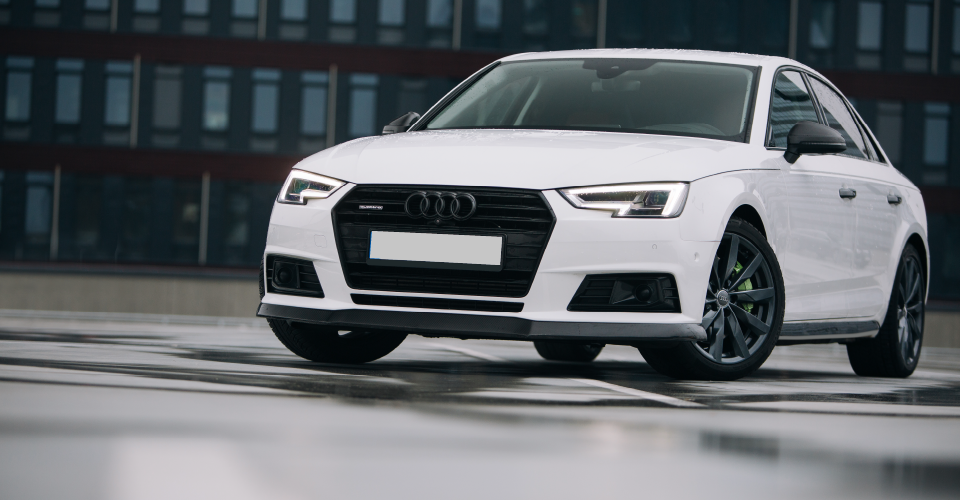
    Supplies: Prepare for unexpected situations with a stocked emergency kit containing essentials like jumper cables, a first aid kit, and a flashlight.

    Route: Familiarise yourself with the route and have alternate plans in place, utilising navigation systems like GPS.


    Road Trip Survival Kit

    For a smoother ride, include these items in your packing checklist:

    • Small garbage bag for easy clean-up.
    • Essential tools like tyre iron and jack.
    • Towels or wet wipes for various cleaning needs during the trip.
    • A spare key.
    • Window shields.
    • Entertainment options and necessary cables for devices.
    • Spare memory cards for capturing memories.
    • Plastic funnel and water bucket for fluid needs and emergencies.
    • Chain or towing rope.
    • Set of screwdrivers and wrenches.


    Driving Strategies

    Once your car is prepped, here are some driving tips for a safe and enjoyable journey.

    Stay Engaged: Keep conversations flowing to stay alert and connected.

    Know Your Limits: Plan your trip around your endurance level.

    Take It Easy on Speed: Opt for a steady pace to save fuel, stay safe, and enjoy the scenery.

    Rest When Needed: Avoid fatigue by taking breaks and naps when necessary.

    Beat Boredom: Keep entertained with podcasts, music, or audiobooks.

    Truck Etiquette: Give trucks space and avoid tailgating.


    Remember, proper preparation leads to peace of mind and unforgettable experiences on the open road. Before embarking on your trip, securing the right car insurance is essential.

  • 11 TIPS FOR STAYING SAFE ON SOUTH AFRICA’S ROADS

    11 TIPS FOR STAYING SAFE ON SOUTH AFRICA’S ROADS


    Everything to Keep in Mind When Navigating Mzansi

    South Africa boasts the world’s tenth-largest road network, spanning an impressive 746 978 kilometres. However, with extensive roadways and bustling traffic, safety should always be a top priority for drivers. Whether you’re commuting daily or exploring scenic routes, we’ve gathered some essential road safety tips to keep in mind.


    General Road Safety

    • Keep Your Ride in Check:

    Before you hit the road, give your vehicle a once-over to make sure everything’s running smoothly.

    • Remember the Essentials:

    Keep your driver’s license and insurance details on hand.

    • Stay Fresh, Stay Alert:

    If you’re hitting the road for a long haul, make sure you’re well-rested. Take breaks, stretch those legs, and keep hydrated.

    • Follow the Rules:

    Stick to speed limits, keep your distance from the car ahead, and keep an eye out for anything unexpected, especially after sunset.

    • Strap In:

    Seat belts are non-negotiable. Buckle up, and make sure your passengers are safely strapped in too.


    Towing Trailers and Caravans

    • Check, Check, Check:

    Before you hit the road, give your trailer or caravan a once-over. Including lights, brakes, and registration.

    • Weight Distribution:

    Keep that load balanced and within the weight limit. A wobbly caravan on the highway can be dangerous.

    • Take it Easy:

    Towing means taking it slow and steady. Give yourself plenty of time to manoeuvre and watch out for sharp turns.


    For Motorbike Riders

    • Dress for Success:

    All the gear, all the time. Safety gear is a literal lifesaver.

    • Stay Visible:

    Assume you’re invisible to other drivers and ride defensively. Keep your distance and signal your intentions.

    • Keep Your Cool:

    Anticipate potential hazards and give yourself room to react.


    From bustling city streets to rugged rural roads, South Africa’s highways and byways offer a treasure trove of adventure. But remember, safety comes first, second, and third!

  • TIME TO SHOW YOUR CAR SOME LOVE

    TIME TO SHOW YOUR CAR SOME LOVE


    Simple Car Care Tips for Your Vehicle Valentine


    The month of love is the perfect time to extend some affection to an often-neglected companion: your car. If the inside of your vehicle is starting to resemble a garbage bin, filled with empty bottles, takeout bags, and forgotten receipts, it’s high time to show your car’s interior some tender loving care.


    Declutter and Reorganise

    Begin by removing valuables and personal items, making sure not to accidentally toss out anything important. Clean the interior while parked in your driveway for easy waste disposal. Wear gloves as you’re cleaning, to ensure no unpleasant surprises.

    To prevent items from tumbling around, invest in a non-slip rubber mat for your boot or use a plastic crate to keep your belongings in order. Additionally, keep a plastic sheet handy for transporting plants or messy items, ensuring your car remains clean and clutter-free.


    Squeaky Clean

    Remove all floor mats, shake off loose dirt, and wash or vacuum them. Vacuum every nook and cranny inside the car, as well as the boot.

    Use a damp non-static cloth to wipe down surfaces prone to gathering dirt, such as the dashboard, steering wheel, gear lever, and door panels. Tackle hard-to-reach areas using a cloth-wrapped flat-head screwdriver or an old toothbrush. Apply interior trim for added protection and shine.


    Clearing the View

    Finger marks and doggy nose prints can accumulate on your interior windows over time. Use an ammonia-free window cleaner on a microfiber cloth. Clean horizontally and vertically to eliminate streaks. Address any windshield chips as soon as possible, as they pose a safety risk.


    A Breath of Fresh Air

    Install or spray an air freshener to add the final touches. Consider specialised odour killers for persistent smells. Apply baking soda to stubborn stains for both removal and odour elimination.


    Dress to Impress

    Gift your car some new accessories to enhance its style and functionality. Consider getting a set of seat covers, a steering wheel cover, or even new floor mats. These additions not only freshen up the interior, but also protect your car from wear and tear.


    With South Africans spending significant hours in traffic each year, cars become a second home. This Valentine’s Day, invest some time and effort to give your car the love it deserves – along with the right car insurance, of course. ?

  • WHEN TO LET GO OF YOUR FOUR-WHEELED BABY

    WHEN TO LET GO OF YOUR FOUR-WHEELED BABY


    How You Can Tell When It’s Time For an Upgrade


    Our cars can range from being mere modes of transportation, to sentimental companions on our life journeys. However, there comes a time when you need to part ways with your beloved vehicle and embrace the prospect of an upgrade.


    Safety Concerns

    The safety of your passengers and yourself should be a top priority. If you are nervous about your car’s reliability on the road, it might be time to consider an upgrade. A constant fear of something going wrong while driving is a clear sign that your car’s safety is compromised. Trust your instincts and, if needed, seek professional advice to determine if your car is roadworthy.


    Changing Needs

    As life evolves, so do our needs. If your once-perfect city car is now too cramped for a growing family, it’s time to look for a vehicle that better suits your current lifestyle. Your car should accommodate your needs, not hinder them.

    If you’re relocating to a city where a car is unnecessary, selling it before the move makes financial sense. The money gained from the sale can contribute to your new life without the burden of ongoing expenses related to parking, insurance, and maintenance.


    Maintenance Costs

    Keeping a car past its prime can lead to escalating maintenance costs. If you find yourself shelling out significant amounts for repairs that exceed the car’s market value, it’s a strong indicator that it’s more financially sensible to let go and invest in a more reliable vehicle.

    While you may not get as much money as you would for a fully functional car, there are still options for selling it.


    Age and Condition

    While an old car in good condition can still be valuable, holding onto a vehicle that requires extensive repairs can be challenging. If your car is still in good shape, consider selling it to maximise returns. However, if the vehicle is on the verge of becoming a money pit due to its age, it might be wise to let it go before major issues arise.

    A car that spends more time in the repair shop than on the road is a clear sign that it’s time to cut ties. The convenience of a paid-off car is outweighed by the continuous inconvenience and costs associated with frequent breakdowns.


    Knowing when to let go of your beloved car is a challenging but necessary decision. Upgrading to a newer, more reliable vehicle can bring a fresh chapter of worry-free adventures on the road.
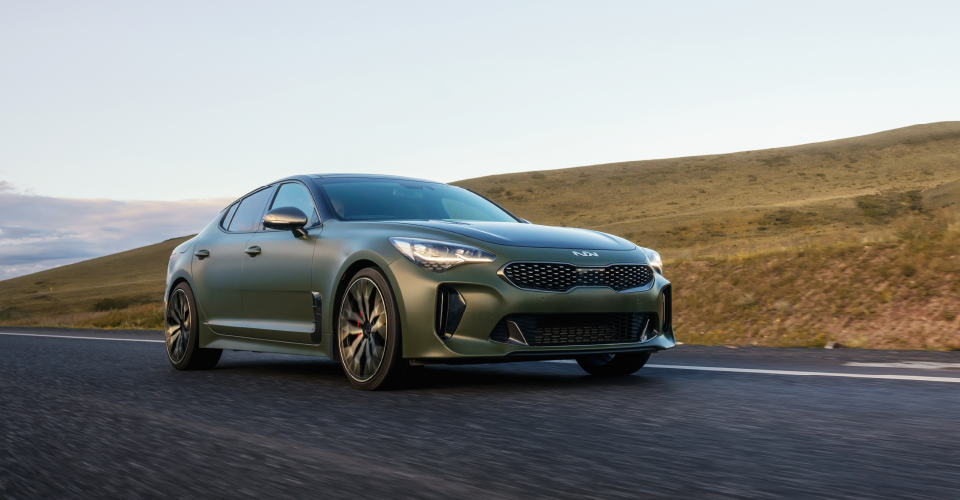


  • IS IT TIME FOR A SECOND CAR?

    IS IT TIME FOR A SECOND CAR?


    Reasons Why Two Cars Are Better Than One


    While the decision to add a second car to a household is a personal one, influenced by factors such as location, employment status, and individual preferences, it’s crucial to carefully consider the pros and cons before taking the plunge into dual car ownership.


    Affordability

    Owning a vehicle involves costs beyond the initial purchase price. These include insurance, registration, depreciation, taxes, fuel, maintenance, and repairs. While purchasing a second car may increase these costs, the impact on fuel and general maintenance might not be significantly higher if the driving distance is split between the two vehicles. However, the make, model, and year of the second car play a significant role in determining these long-term expenses.


    Utility and Convenience

    A second car can serve various purposes, making it a practical choice for some individuals. For example, someone running a landscaping business with a family of four may require a work vehicle and a family-friendly vehicle. In emergencies, having a backup car ensures uninterrupted daily life, offering peace of mind when the primary vehicle faces unexpected issues.


    Enjoyment

    For those who view driving as more than just a means of transportation, owning a second vehicle can provide the freedom to choose a vehicle that aligns with their driving preferences. Whether it’s a sports car for weekend joyrides or simply having the luxury of choosing between different driving experiences, a second car adds an element of enjoyment to the driving routine.


    Longevity

    Owning a second vehicle can potentially extend the lifespan of both cars. If the total driving distance remains constant, distributing it between two cars results in less wear and tear on each vehicle. While regular maintenance tasks like oil changes and tyre rotations are still necessary, they become less frequent, contributing to longer-lasting and better-performing vehicles.


    Before making the decision to add a second car to your household, evaluate your needs, desires, and financial constraints.

  • YOUR ROADMAP TO NEW CARS AND FEATURES

    YOUR ROADMAP TO NEW CARS AND FEATURES


    Exciting Vehicle Developments To Look Out For This Year

    2024 is shaping up to be a thrilling year for automotive enthusiasts, with a diverse array of new car models and impressive features set to hit the roads. From sleek sports utility vehicles to tech-savvy compacts, there’s a lot in store for this year.


    Aston Martin

    Daytona, the local importers for Aston Martin, anticipate the arrival of updated iterations of the DBX series, including the powerful DBX 707 and DB12. Additionally, a mysterious new model is poised for release, keeping enthusiasts on the edge of their seats for more details.


    Audi

    Market-specific Black Edition versions of popular models like the A3, S3, A5, S5, Q2, Q3, Q5, and SQ5 are imminent, offering a unique aesthetic and potentially upgraded features. Towards the year-end, facelift models of A3, S3, Q7, Q8, and the Q8 E-Tron are set to launch, with technological enhancements for the Q2 and a new TDI derivative for the Q3.


    BMW

    Prepare for the radical new 5-Series and the X2, which will hit the market in the early months of 2024. Running updates for the 3-Series and 4-Series are in the pipeline, along with the confirmation of the much-anticipated M3 Touring. Later in the year, production of the X3 plug-in hybrid model will be launched, marking a significant step in BMW’s line-up.


    Ford

    With a robust line-up expansion, Ford is gearing up for major developments in 2024. The Ranger will see enhancements with the Platinum and Tremor upgrades, including a plug-in hybrid variant. Ford enthusiasts can also anticipate updates to the Toureno Custom and Transit Custom, alongside the return of the Mustang and the Territory.


    Hyundai

    Upgrades for the i20 and Tucson, along with the launch of the all-new Santa Fe in the second half of the year, signal Hyundai’s commitment to innovation and variety in their portfolio.


    Jaguar

    Exclusive units of the F-Type ZP and the arrival of the F-Pace 575 Edition promise luxury and performance for Jaguar aficionados.


    Lamborghini

    Witness the debut of the first Revuelto unit from the ‘raging bull’ brand, offering the epitome of wild and progressive automotive design.


    Mercedes-Benz

    A fleet of facelifted models including the GLE, GLA, GLB, and GLS, alongside new releases such as the GLC coupé, E-Class, and G-Class, showcase Mercedes’ dedication to luxury and innovation. The Mercedes-AMG line-up will bring forth anticipated models such as the C63, GT63, GLC63, and GLC43.


    Volvo

    With their focus on sustainability, Volvo is set to launch the all-electric EX30 and EX90 models, aligning with their ambitious goal of achieving a 50% electric and 50% hybrid global sales split by 2025.


    This peek into the automotive future promises exciting developments. As these vehicles hit the market, they’re sure to redefine the driving experience and capture the hearts of many car enthusiasts.


  • 9 WAYS TO KEEP YOUR CAR IN TIP-TOP SHAPE

    9 WAYS TO KEEP YOUR CAR IN TIP-TOP SHAPE


    Tips For Car Maintenance, and More

    Neglecting regular maintenance could lead to costly repairs and compromise your safety during trips. Proper care and maintenance are essential to ensure that your car stays reliable and efficient.


    Oil Check and Changes

    Regular oil checks and changes are vital. Engine oil, transmission fluid, power steering, and brake fluid should be checked periodically, ideally every 4,000 to 6,000 kilometres. This practice ensures optimal engine performance and longevity.


    Brake Maintenance

    The braking system is critical for your safety. Regularly inspect brakes for any signs of wear or issues. Address any brake-related problems immediately to avoid accidents.


    Tyre Care

    Regularly check tyre pressure and tread, and rotate tyres for even wear. Replace tyres every 40,000 to 50,000 kilometres, or if you notice cracks, to ensure your safety on the road.
     

    Car Body

    Protect the car’s exterior by washing, waxing, and promptly addressing dents and dings. This prevents rust and maintains the vehicle’s value.


    Interior Cleanliness

    Regularly clean the car’s interior to maintain aesthetics and prevent odour build-up. A well-kept interior can significantly impact your car’s resale value.


    Lighting System

    Ensure that all lights are functioning properly for both safety and aesthetics. Faulty lights can compromise visibility and safety while driving.


    Windows and Wipers

    Inspect windows for cracks and ensure wipers are in good condition, especially before the rainy season. Replace wipers annually to maintain visibility.


    Coolant Levels

    Regularly refill engine coolant to prevent overheating and ensure proper engine function. Look for coolant leaks under the car as a warning sign.


    Rust Prevention

    Park in shaded, cool areas to limit rust and avoid parking in hot, sun-exposed spots that can damage the car’s paint and interior.


    Whether your vehicle is old or new, regular care and attention will pay off in the long run.


  • HOW TO EXTEND YOUR CAR’S LIFESPAN

    HOW TO EXTEND YOUR CAR’S LIFESPAN


    The Importance of Regular Car Maintenance

    Keeping your car running smoothly isn’t just about avoiding breakdowns on the side of the road; it’s about maximising performance, and safety, and saving money in the long run. Regular maintenance ensures that your vehicle operates at its peak while preventing costly repairs.


    Enhanced Safety and Reliability

    Routine maintenance is your vehicle’s best defence against unexpected breakdowns. By keeping up with regular check-ups, you significantly decrease the chances of encountering malfunctions while driving. Imagine the peace of mind that comes with knowing your car is in top-notch condition every time you hit the road.
     

    Improved Performance

    A well-maintained vehicle performs better. Whether it’s about tyre traction, stable steering, or a reliable engine, consistent maintenance ensures your car operates at its best. From efficient fuel usage to smoother rides, proper care makes a noticeable difference in day-to-day driving.


    Cost-Efficiency

    One of the most compelling reasons for regular maintenance is the financial aspect. Investing in routine servicing saves you from potentially hefty repair bills down the line. Skipping minor services might seem like a cost-saving measure, but it often leads to bigger problems that demand costly fixes.


    Fuel Efficiency

    Small issues, if left unattended, can impact your car’s efficiency, leading to increased fuel consumption. On the other hand, a well-maintained vehicle optimises fuel usage and reduces trips to the pump, saving both time and money.


    Time-Saving Convenience

    Regular maintenance helps you to avoid unexpected breakdowns that could leave you without a vehicle for days. Opting for convenient services, like those offered by mobile mechanics, allows you to carry on with your day while your car gets the attention it needs, without disrupting your schedule.


    Preserve Resale Value

    A well-documented service history and a well-maintained car attract buyers and fetch better prices. It’s an investment that pays off when it’s time to upgrade or sell.

    Ultimately, a combination of professional maintenance and proactive checks by the driver is the recipe for a reliable and enduring vehicle. While trained professionals handle the technical aspects, drivers can play a role by regularly inspecting visible components and responding to warning signs such as unusual sounds or smells.


    By adding dotsure.co.za’s ServiceXtender to your extended car warranty policy, you can enjoy a contribution towards your annual service AND a contribution towards the repair of minor chips and scratches. Drive in style with added safety when your parts are covered.

  • DOES YOUR CAR GO THE DISTANCE?

    DOES YOUR CAR GO THE DISTANCE?


    You Might Be Driving Your Car Too Much, or Too Little

    In the realm of automobiles, how much or how little you drive can significantly influence the condition and longevity of your vehicle. Striking the right balance in your driving habits is not only beneficial for your car, but also for your wallet.


    The Toll of Excessive Driving

    Driving extensively puts a considerable strain on your vehicle. Each mile adds to the wear and tear of crucial components such as the engine, brakes, suspension, and tires. Continuous use without adequate rest periods for maintenance can accelerate the need for repairs or replacements.

    Frequent driving often translates to more frequent maintenance requirements. Oil changes, tyre rotations, brake pad replacements, and other routine services become more frequent, leading to increased maintenance costs over time.

    The more kilometres you rack up, the quicker your car depreciates in value. It can significantly impact the resale value of your vehicle, affecting its worth when it’s time for an upgrade or a trade-in.


    The Downsides of Driving Too Little

    Surprisingly, infrequent driving can also harm your car. Extended periods of inactivity can lead to issues such as battery drainage, tyre flat-spotting, and engine corrosion. Lack of use may cause fluids to degrade and parts to fail.

    If a car remains stationary for prolonged periods, the battery loses its charge, shortening its lifespan. Frequent jump-starts or replacements may become necessary due to underutilisation.

    Fluids in a vehicle, such as oil and coolant, need regular circulation to maintain their effectiveness. Infrequent driving can cause these fluids to break down, losing their lubricating or cooling properties and potentially damaging vital components.


    Finding the Sweet Spot

    Whether you drive extensively or sparingly, regular maintenance is key. Adhering to manufacturer-recommended service intervals, especially when the car remains unused for extended periods, helps to ensure its health and performance.

    For those who drive infrequently, periodic short drives can prevent issues caused by inactivity. This helps to maintain proper lubrication and circulation of fluids and keeps the battery charged.

    Regardless of frequency, mindful driving habits such as smooth acceleration, gentle braking, and proper warm-up can reduce wear and tear, prolonging the lifespan of various components.


    The driving of your car is a balancing act between overuse and underuse. Both extremes can impact your vehicle’s condition and longevity. Although, for the inevitable failing or breaking of certain components as your car ages, you can cover up to 60 crucial car parts with dotsure.co.za’s Extended Car Warranty.

  • CAR REPOSSESSION: UNDERSTANDING YOUR RIGHTS AS A BORROWER

    CAR REPOSSESSION: UNDERSTANDING YOUR RIGHTS AS A BORROWER


    Can I tell the bank, “NO! You’re not taking my car”? Keep reading to know.

    Owning a car is a dream come true. From school runs to longer road trips, we cherish every kilometre we get to spend in our cars. Even when we know it’s time to say goodbye to our ‘ride or die’, it’s a difficult one. And if a goodbye is forced upon us, sooner than we’re ready, it can be heart-breaking.

    If you fail to keep up with your vehicle repayments, you’re at risk of losing your car. Car repossession is a stressful process that nobody wants to go through. However, if you find yourself in this situation, it’s essential to understand your rights and to know how to respond to a repossession notice.

    Understanding Your Rights

    • It’s crucial to understand that you have rights during the car repossession process. Repossession agents are not allowed to use force or threaten you in any way. Additionally, they are not allowed to enter your property without your consent or interfere with your possessions.
    • Repossession agents are not allowed to seize any personal items. If they attempt to do so, you should contact the police immediately. You also have the right to ask them to leave if they arrive at your property.
    • You must be provided with a Notice of Repossession. This notice will include details such as the date of repossession, the name of the lender, and any other relevant information. It’s important to read through this notice carefully and take note of any instructions or information it contains.

    Responding to a Repossession Notice

    • If you receive a repossession notice, and wish to dispute it, it’s important to act quickly and respond with a Notice of Objection as soon as possible. You can start by gathering all the documents related to the loan or lease agreement, including the original paperwork and any subsequent payments or communications. This will ensure that you have the best chance of protecting your property.
    • It’s also essential to seek legal advice as soon as possible. A lawyer can help you understand your options, and can represent you during the repossession process.

    Legal Requirements for Car Repossession in South Africa

    • A lender can only repossess a vehicle if the borrower has defaulted on their payments. The National Credit Act No. 34 of 2005 provides guidelines for the repossession process, and lenders must follow these guidelines to the letter.
    • Before a lender can repossess a vehicle, they must provide the borrower with a written notice of their intention to repossess the vehicle. The notice must include the amount that is in arrears, the steps that the borrower can take to remedy the situation, and the deadline by which the arrears must be paid.
    • If the borrower fails to pay the arrears or make alternative arrangements with the lender, the lender can then apply for a court order to repossess the vehicle. The court order must be served on the borrower, and the borrower has the right to dispute the matter in court.

    Navigating car repossession can be overwhelming. While you may not be able to stop the process from moving ahead, it is important to know what steps to follow and to know your rights.

    If you are at risk of having your vehicle repossessed, stay calm, seek legal advice, and follow the process.


  • CAR LEMON LAW? WHAT THE FRUIT IS IT?

    CAR LEMON LAW? WHAT THE FRUIT IS IT?


    You have just driven off the showroom floor with your brand spanking new (to you) car, feeling like the coolest cat in town. But then disaster strikes. Your car starts making noises louder than your neighbour’s early morning lawn mowing, and you realise you’ve got a lemon. What now?

    In this blog, we explain the car lemon law and how it can help you.


    What is the car lemon law?

    The car lemon law is a legal provision that protects consumers who have purchased a defective vehicle. The law allows consumers to seek a refund or replacement vehicle if their car has a serious defect or recurring problems that cannot be fixed after a reasonable number of attempts.

    The car lemon law is typically invoked within a certain period after the purchase of the vehicle, which varies depending on the jurisdiction. In South Africa, the Consumer Protection Act (CPA) provides guidelines on how to deal with defective cars.


    How does the car lemon law apply in South Africa?

    In South Africa, the car lemon law is outlined in the CPA. The Act protects consumers against purchasing defective vehicles and it applies to new and used vehicles. However, the CPA only applies to vehicles purchased from a dealership or private seller, and it does not cover cars bought at an auction.

    If you purchase a vehicle that turns out to be a lemon, the CPA provides you with the following options:

    Repair or Replacement

    If a vehicle has a defect or recurring problem, the dealership must first attempt to repair the vehicle. If the defect persists after a reasonable number of attempts, the dealership must either replace the vehicle or refund the purchase price.

    Refund

    If the dealership cannot repair the vehicle or replace it with a similar one, they must refund the full purchase price, including any deposit, trade-in allowance, or finance charges.


    Avoid car buyer’s remorse – know your rights.

    The car lemon law provides consumers in South Africa with protection against the purchase of defective vehicles. The CPA outlines the options available to consumers who have purchased a lemon, including repair or replacement and refund. If you find yourself in this situation, it is essential to understand your rights and seek legal advice if necessary.

    You have the right to return the used car you bought to the seller within six months, under specific conditions that exclude normal wear and tear. If you can show a legitimate defect, you are entitled to request a refund, repair, or replacement.

    Make lemonade with dotsure.co.za’s extended car warranty.

    When your car turns into a lemon we can help you squeeze more juice out of your jolly and keep the joyride going. Our extended car warranty pays for unexpected costly repairs due to mechanical and electrical breakdowns. It’s perfect for cars younger than 15 years with up to 300 000 km on the clock.

    Let us pay for your car repairs.

    See your price

  • DOES 95-OCTANE FUEL LAST LONGER THAN 93-OCTANE?

    DOES 95-OCTANE FUEL LAST LONGER THAN 93-OCTANE?


    Get pumped because we’re about to answer today’s most burning question: Does 95 fuel last longer than 93? With fuel prices reaching record highs it’s beginning to feel as if our cars are on an endless diet of caviar and truffles.

    Fuel prices keep increasing, but our salaries seem stuck in the parking lot! This means more and more people are looking for ways to be more fuel efficient.

    In this blog we’ll explore the differences between the two types of fuel and determine whether there is a clear winner when it comes to fuel efficiency.

    So, buckle up for some high-octane info.


    Fuel Fight: 95 vs 93 fuel – which will win?

    Choosing the correct octane fuel for your car is crucial for optimal performance and efficiency. Using 95-octane fuel may provide no additional benefits if your car requires 93-octane fuel. However, a higher octane fuel may offer better engine performance and cleaner burning, potentially leading to better fuel economy.

    Firstly, let’s talk about what octane rating means. Octane rating is a measure of a fuel’s ability to resist knocking during combustion (caused by the air/fuel mixture detonating prematurely in the engine). We need fuel to burn at just the right speed. If it burns too fast, it can cause the engine to knock, and that’s not good. The higher the octane rating, the more resistant the fuel is to pre-ignition.

    When it comes to fuel consumption, it’s essential to understand that higher octane fuel does not necessarily mean better fuel economy. Fuel economy is affected by various factors, including driving style, road conditions, and vehicle weight. Using the correct octane rating for your vehicle will ensure that it runs smoothly and efficiently. Stick to the manufacturer’s recommended octane rating and your car will thank you.

    It’s also important to note that using the wrong octane fuel for your vehicle can have negative consequences. Using a lower octane fuel than required can cause knocking, reduced power output, and potential damage to your engine. On the other hand, using a higher octane fuel than required may provide no additional benefit and result in wasted money.


    What octane gives better gas mileage?

    If you’re cruising around in a car with a 1.6 ℓ engine or smaller, it won’t make much difference if you fill her up with 93 or 95 (it’s probably not worth wasting extra money on the more expensive 95 octane). But if you’re chugging along in a 1.8 ℓ, you might feel a tad more oomph with 95. However, it’s in larger engines such as 2.0 ℓ turbo and V6 where the difference in performance is most noticeable, and manufacturers recommend using only 95 octane or higher.

  • 5 AFFORDABLE ELECTRIC CARS YOU CAN BUY IN SA (2023).

    5 AFFORDABLE ELECTRIC CARS YOU CAN BUY IN SA (2023).


    Following Formula E’s historic visit to Cape Town, it’s clear South Africa is revving up for a greener future. However, the issue of load shedding raises concerns about the feasibility of using electric cars. Getting stuck without petrol is every motorist’s worst nightmare. Just imagine an electric car without any juice.

    Despite these challenges, the potential benefits of electric cars in South Africa, such as reducing air pollution and decreasing dependence on fossil fuels, make it a promising and important development in the country’s sustainable future.

    So, without further ado, let’s check out the 5 cheapest electric cars you can buy in South Africa in 2023, including their price and estimated kilometre range.


    5 affordable electric cars charging into South Africa 

    The future is electric, and the automotive industry is evolving quickly to meet the growing demand for sustainable transportation. South Africa is no exception. There are a number of affordable electric cars available on the market. Here’s a table with the price range and estimated kilometre range for each of the 5 cheapest electric cars you can buy in South Africa in 2023:

    Electric Car Model Price Range (ZAR) Estimated Range (km)
    Mahindra eKUV100 R185,000 – R300,000 147 km
    BYD e2 R250,000 – R550,000 305 km
    BAIC EU5 R350,000 – R400,000 401 km
    Nissan Leaf R350,000 – R550,000 270-385 km
    Opel Corsa-e R400,000 – R700,000 330 km


    Note: The estimated range for each car model is based on the manufacturer’s specifications and may vary depending on factors such as driving style, weather conditions, and terrain. The price range for each car model is estimated and subject to change based on various factors such as market demand, availability, and exchange rates. Prices may also vary depending on the model and any additional features selected.


    Mahindra eKUV100

    The Mahindra eKUV100 is a compact and affordable electric car with a price range of R185,000 to R300,000. It has an estimated range of 147 km on a single charge, which makes it ideal for short trips and city driving. It has a 15.9 kWh battery and can be charged from 0-80% in approximately 6 hours and 30 minutes. A full charge may take about 8 hours.

    BYD e2

    The BYD e2 is a stylish and affordable electric car with a price range of R250,000 to R550,000. It has an estimated range of 305 km on a single charge, making it a great option for longer commutes and weekend getaways. It has a 35.2 kWh battery and can be charged from 0-80% in approximately 6 hours and 30 minutes. A full charge may take more or less 8 hours.

    BAIC EU5

    The BAIC EU5 is the third cheapest electric car available in South Africa in 2023, with a price range of R350,000 to R400,000. It has an estimated range of 401 km (the longest on a single charge), making it a practical and affordable option for daily commuting and longer trips. It has a 53.6 kWh battery and can be charged from 0-80% in approximately 9 hours and 30 minutes. A full charge may take 12 hours.

    Nissan Leaf

    The Nissan Leaf is another affordable electric car available in South Africa in 2023, with a price range of R350,000 to R550,000. It has an estimated range of 270-385 km on a single charge, depending on the battery size and driving conditions. It has two battery options: 40 kWh and 62 kWh. The 40 kWh Leaf can be charged from 0-80% in approximately 5 hours, while the 62 kWh Leaf can be charged in more or less 8 hours.

    Opel Corsa-e

    The Opel Corsa-e is a popular and affordable electric car with a price range of R400 000 to R700 000. It has an estimated range of 330 km on a single charge, making it a practical and stylish option for daily use. It has a 50 kWh battery and can be charged from 0-80% in approximately 7 hours and 30 minutes. A full charge may take 9 hours and 30 minutes.


    100% paperless car insurance for your eco-friendly car

    The electric vehicle market is rapidly expanding in South Africa, and there are a number of affordable options available. Each of these electric cars has its own unique features and advantages. When deciding which one to purchase, it’s important to consider your individual needs and lifestyle to determine which electric car is the best fit for you. Additionally, if you’re looking to reduce your environmental impact further, consider opting for 100% paperless car insurance. dotsure.co.za’s Name Your Price car insurance is the perfect option for eco-friendly cars. It can help improve your carbon and spending footprint.

  • CANCEL YOUR DATE WITH THE TRAFFIC DEPARTMENT! YOU CAN NOW RENEW YOUR LICENCES ONLINE

    CANCEL YOUR DATE WITH THE TRAFFIC DEPARTMENT! YOU CAN NOW RENEW YOUR LICENCES ONLINE


    Can you ditch the long Driving Licence Testing Centre (DLTC) queues and renew your licence online?

    Yes, according to transport minister Fikile Mbalula. Announcing the move to digital licence renewals, the minister stated, “The era of long queues and service centres that close at 15:30, forcing workers to take time off work to access traffic services, will soon become a thing of the past.”

    Mbulala asserted that the new system would eliminate incentives for corruption and take advantage of the tech revolution to improve service delivery. Instead of going to a DLTC and standing in endless lines, motorists can access the same services from the comfort of their homes or the convenience of their workplaces.

    But are the days of needing to take time off work and packing a good book, snacks, and a neck pillow to renew our licences truly behind us?


    Yes: you can renew your licence online, but there’s a catch!

    You thought you could avoid standing in line by getting your driving license online? Not so fast! While you can book your appointment, pay the fees and even have your shiny new licence delivered right to your doorstep, the DLTC is not letting you off that easily. You still have to visit your local DLTC to have your fingerprints taken and get your eyes checked.

    The good news is that your optometrist can give you the eye exam and you can hand in the results with your application form. Just remember, the eye exam is FREE at the DLTC, while your optometrist might charge you an arm and a leg (or at least an eye).

    Unfortunately, there’s no obvious way to skip the biometrics line short of maiming oneself. So, while you may be able to ditch the longest queues, you still have to show up at the DLTC and stand in a line or two.


    How to renew your driving licence online.

    Motorists can book to renew their driving licence cards using the Road Traffic Management Corporation’s National Traffic Information System (NaTIS). To make your booking, click here.

    Mzansi drivers are encouraged to renew their driving licence cards four to six weeks before their expiry date. Failure to do so will result in having to apply for a temporary driving licence at an additional cost while you wait for your driving licence to be issued.


    Renew, buy and manage your car insurance online, anytime.

    We do car insurance 100% online, so, you never have to take the morning off work to buy or manage cover for your four-wheeled baby. You can also claim online 24/7 and never worry about finding us closed because it’s a bank holiday … somewhere.

    To manage your policy or for 100% queue-less car insurance, click the button below.

    Manage Policy

    Get 100% Online Car Insurance

  • THE 10 MOST CHALLENGING CARS TO STEAL

    THE 10 MOST CHALLENGING CARS TO STEAL


    We all want to be seen driving the latest and best cars the world offers (those we can afford, anyway). The trouble is – these beauties generate unwanted attention from the wrong crowds.

    According to StatsSA an estimated 64 000 incidences of hijackings occurred in 2020/21.

    If you live in SA, you’ve probably developed an extreme OCD when leaving your car in public places (double and triple-checking if your car is locked.).

    Well, if you’re upgrading your car and looking for an option that will help you live with less fear of losing your mechanical baby, we’ve got your back.


    The 10 most difficult cars to steal.

    Here’s our list of beautiful mechanical babies that are unattractive to carjackers. These cars are hard nuts to crack for car thieves.

    Jaguar XF

    Hardest cars to steal | Jaguar XF | Dotsure The Jaguar XF can also be double-locked! You don’t know what that means, but you can tell it’s bad news for the bad guy. Well, once the car is double-locked, it cannot be unlocked or started. So even if criminals crack this nut, they won’t be able to get it going. It also has a clever In-Control App that can help the SAPS track and recover your car in the unlikely event it gets stolen.


    Tesla Model S

    Hardest cars to steal | Tesla Model S | Dotsure The Model S is one of the most secure electric cars you can buy in 2022. Its anti-theft features make it a carjacker’s nightmare. Tesla owners can use their smartphones to track the whereabouts of their vehicles. Even if the burglar has hacked the system and unplugged the tracker, the car would send a ping to Tesla HQ.


    Land Rover Discovery

    Hardest cars to steal | Land Rover Discovery | Dotsure The Land Rover Discovery employs ultra-wide-band radio technology to broadcast the key’s signal across various frequencies. Therefore, the signal amplifiers or relay devices, commonly used by thieves, struggle to pick up the key’s signal, making this car harder to lockpick.


    Mercedes Benz GL 550 by TAC

    Hardest cars to steal | Mercerdes GL 550 by TAC | Dotsure What do you look for in a safe, hard-to-steal car? You look for a car with steel. One that can bounce bullets off the windshield. You can drive away from danger without worrying about gun-toting and trigger-happy thieves in such a car. Well, that’s what this GL’s bulletproof exterior gives you.


    Mercedes-Benz G63 AMG By Inkas

    Hardest cars to steal | Mercedes G63 by Inkas | Dotsure Talk about an impenetrable fortress! Inkas’s version of the G63 is reinforced with bulletproof glass, powerful armour that can withstand shotgun shots and a bottom steel plate that can endure grenade explosions.


    Nissan Leaf

    Hardest cars to steal | Nissan Leaf | Dotsure Nissan turned a new safety leaf with this one! The Nissan Leaf will not start if the car key is not within range. If it is in neutral, it will not even move! A responsive GPS tracking technology can also help locate the car. The ordinary car thief leaves this one behind.


    Volkswagen Tiguan

    Hardest cars to steal | VW Tiguan | Dotsure There’s a reason the Volkswagen Tiguan has received several honours for being the safest car. Few cars have alarm systems that can compete. This car just will not start with a different key; forget it! It also sports a stolen-vehicle tracker that can assist in tracing the vehicle from your smartphone.


    Hyundai Tucson 

    Hardest cars to steal | Hyundai Tucson | Dotsure Although most vehicle critics rated the Hyundai Tucson’s engine performance as below average, the anti-theft system did not disappoint. Cutting the cables behind the horn is the easiest method to disable a car alarm, but the Tucson doesn’t make it so easy (you’d have better luck drawing blood from a stone than disconnecting the Tucson’s alarm system).


    Audi A4

    Hardest cars to steal | Audi A4 | Dotsure One of the notable security features of the Audi A4 is that the keys contain a chip that makes it more challenging to start with other devices. The keys include a chip that is programmed into the ECU.


    Tesla Model X 

    Hardest cars to steal | Tesla Model X | Dotsure Even though it is the less expensive sister of the Tesla S, the Model X has an equal level of protection. Aside from GPS monitoring, it offers a Sentry Mode that allows the vehicle to record its surroundings even when the engine is turned off.


  • JUST CANCELLED YOUR CAR INSURANCE? WHAT COULD GO WRONG?

    JUST CANCELLED YOUR CAR INSURANCE? WHAT COULD GO WRONG?


    What could go wrong you ask? Well, everything! Even if you’re the most careful driver on the road, other drivers aren’t always so careful and could crash into your car. Your car is always at risk of being stolen or hijacked. The wise thing to do is to cut back on unnecessary costs or chat to your service provider about what options are available to reduce your premium, rather than just cancelling your cover.


    1. Murphy’s Law

    Thanks to Murphy, you’ll always need to claim, almost immediately after you have cancelled your car insurance. And that’s only the top of the long list of things that could go wrong.


    1. Times may be tough, but they’re also unpredictable

    Accidents do happen. So, what happens if you collide with somebody else? How will you pay for third-party claims against you? Insurance – that’s how!


    1. You could pay more on future premiums

    Cancelling your current insurance policy could affect your premiums in the future. Your insurance history counts, and it can affect your future insurance quotes. Someone with a 6-year history qualifies for a more affordable rate than someone with a 1-year history. Continuous cover history matters too, meaning that you may go back to a 0 to 1-year history if you decide to cancel your insurance for a few months.


    1. High-risk, low-reward

    If you stay insured and keep your claims to a minimum, you can build a low insurance-risk profile. Insurers love low-risk clients and reward them with better premiums. On the other hand, you could become a high-risk client if you keep cancelling your car insurance. Which means, insurers could charge you higher premiums.


    1. You could struggle to get cover again

    The more you cancel your vehicle insurance, the more high-risk you become. Some insurers could go as far as to decline your application if they consider you to be too high-risk.


    1. It could cost you more than you save

    If you are involved in an accident, you might be liable to pay for all damages (to your car and the other person’s) out of your own pocket. Future insurance quotes could be higher than what you are currently paying as well.


    1. You could be left paying for a car you don’t own

    Theft, fire, and hijacking are three events that can happen to anyone at any time. They’re often just a case of bad luck. You could lose your car and still owe the bank if your car isn’t paid-up.


    1. You could be found in breach of contract

    If your vehicle is financed by a bank, you could be in breach of contract. Almost every car financing agreement requires the owner to have a comprehensive car insurance policy while the outstanding amount is being paid off. If you cancel your car insurance, you could be violating the terms of your financing agreement and your mechanical baby may be repossessed.

  • WHICH CARS HAVE THE CHEAPEST (AND MOST EXPENSIVE) PARTS?

    WHICH CARS HAVE THE CHEAPEST (AND MOST EXPENSIVE) PARTS?


    Owning a car isn’t cheap. From monthly payments to fuel expenses to ongoing maintenance, you can expect to spend quite a few rands to keep your baby in good condition.

    However, some cars can be way more cost-effective than others – and we’re not just talking initial payment. When you factor in the costs of replacement parts, not all cars are created equally. Choosing a vehicle with more affordable parts can end up saving you big bucks, while some of them might end up costing more than you bargained for.

    The 2020 AA-Kinsey Report, a survey which details costing for parts on various popular vehicles sold in South Africa across nine categories, has grouped car parts in three areas – service (spark plugs, oil filters, brake pads); repair parts (cam belt, shocks, clutch plate, fan belt) and crash parts (fenders, doors, bonnets, rims, light clusters). Here are some of the cars which according to the report have the best-priced parts:

    City cars

    If you’re regularly zipping through traffic in the big city in one of these, you can rest assured that you’re getting bang for your buck.

    The Renault Kwid won this category with a total basket price of R62,990, followed by the Ford Figo at R63,866, and the Hyundai Atos coming in third at R66,189. The Ford Figo is particularly well-priced when it comes to repair parts, with this category costing R6,187.

    Family cars

    Bigger, more reliable… but less expensive!

    The Toyota Quest is the family favourite this year, with a total parts basket cost of R85,031 – though it has risen in price since it won this category in 2019. Up next is the Nissan Almera (R86,488), while Toyota’s Corolla hatch is third with a total of R131,294.

    Compact cars

    These top-class compact cars are easy on the eye, and easy on the wallet.

    The Mahindra KUV 100 is the winner at a price of R81,776. Second is the Haval H2 with its parts amounting to R93,860, while French favourite Citroen C3 Aircross comes third with a parts basket total of R102,249.

    Double cab bakkies

    You just can’t beat a bakkie. Especially not at these prices!

    The Ford Ranger XLT takes top spot here with a basket price of R79,796, followed by the GWM Steed 6, at R86,105. Third place goes to the robust classic Toyota Hilux at R90,189.

    Executive crossovers

    Although pricey in general, car lovers will be pleased to know that these manufacturers offer good value in the long run.

    The Volvo XC 60 takes the lead at an overall price of R242,070. In second is the Audi Q5 with an overall parts basket cost of R251,288, and third the Mercedes GLE at R328,211.

    So, there you have it. In Kinsey’s own words: “Motoring has become more expensive, certainly from a parts perspective, and the results for 2020 show that. Although there may be similar alternative parts from non-franchise outlets – the durability of which cannot be vouched for – prices for original equipment are rising.”

    Luckily, dotsure.co.za customers don’t need to stress too much about the cost of car part replacements. Our robust Silver, Gold and Platinum Motor Warranty plans cover mechanical repairs and replacements – without the hassle.* Get a free online quote in under 3 minutes today.

    *T&Cs and certain exclusions may apply and can be obtained by emailing u2us@dotsure.co.za. Risk profile and policy dependent. Price and cover limits subject to change and dependent on plan selection. All Motor Warranty plans provide cover for the same components, up to different limits.

  • WHAT DOES THE LAW SAY ABOUT PIMPING YOUR RIDE?

    WHAT DOES THE LAW SAY ABOUT PIMPING YOUR RIDE?


    Many of us are old enough to remember the days of MTV’s Pimp My Ride, where West Coast Customs and Xzibit upgraded contestants’ cars with everything from chandeliers to chocolate fountains to popcorn machines (yes, really).

    If you’re too young to have gotten a taste of this pop culture delicacy, don’t worry – Pimp My Ride culture still lives on through matte wraps, tinted windows, and spoilers of all sizes.

    But, before you blow your December bonus on extras for your ride, did you know some car modifications aren’t just illegal in South Africa – they may also put your insurance at risk?

    Read on to find out what the SA law (and dotsure.co.za Car Insurance) says about car modifications.

    What counts as pimping your ride?

    According to Arrive Alive, “It can be described as bringing about changes to the original vehicle parameter standards with a view, largely of enhancing a vehicle’s performance in fuel consumption, load capacity, cosmetic trim, or top speed runs”. Generally speaking, alterations wouldn’t necessarily affect the performance of the vehicle, whereas modifications would.

    Make sure your ride is on the right side of the tracks.

    “The National Road Traffic Act 93 of 1996 isn’t very specific about which modifications are indeed illegal or not. But, before you take your car in for an extreme makeover, you have to ask yourself if it will still be roadworthy and if it might endanger other drivers”, says Advocate Jackie Nagtegaal, Managing Director at Law For All. If your car’s not roadworthy, you need to remove the fancy extras from your vehicle.

    If you’re still confused, follow this list by Arrive Alive to drive you in the right direction.

    The following modifications are illegal:

    1. Speed enhancements like Nitrous Oxide Cylinders.
    2. Dangerously lowering the car’s suspension, which increases the risk of spinning out of control.
    3. Fitting larger wheels that might compromise control and handling.
    4. Installing a bigger engine that may wear tyres. Bigger isn’t always better!
    5. DIY suspension changes that compromise handling.
    6. Custom number plates with vulgar language or that include symbols such as (%, &,@ or $).
    7. Installing sound systems that may disrupt the peace.

    Does your dotsure.co.za car policy cover modifications?

    Yes, we do cover modifications if it’s specified and noted in your policy. The modifications include non-standard accessories like bigger rims, tyres, sound systems and tinted windows. You can select non-standard accessories and provide proof to receive cover for it. You will, however, be responsible for the excess stated in the schedule for every loss.

    Did you know?

    You can visit the 24/7 dotsure.co.za Manage Portal to add or remove non-standard accessories to your car insurance policy.

  • CAN YOUR CAR COLOUR KILL?

    CAN YOUR CAR COLOUR KILL?


    Have you ever used colours to describe feelings, like “green with envy” or “feeling blue”?

    If you have, you’re probably aware that we emotionally identify with the hues and tones around us.

    This includes the colour of your car, which ideally should be your favourite. Or the trendiest colour this season. Or a royal colour. Or whatever you want, really. And yet, you always want to put safety first – but can the colour of your car affect its safety?

    It’s a pretty solid question, considering that colour is directly related to visibility, a key factor in road safety. For example:

    • Road signs use colours that contrast strongly so that they are easy to see, even in rain or dark.
    • Cyclists wear bright colours to make sure drivers see them on the road.
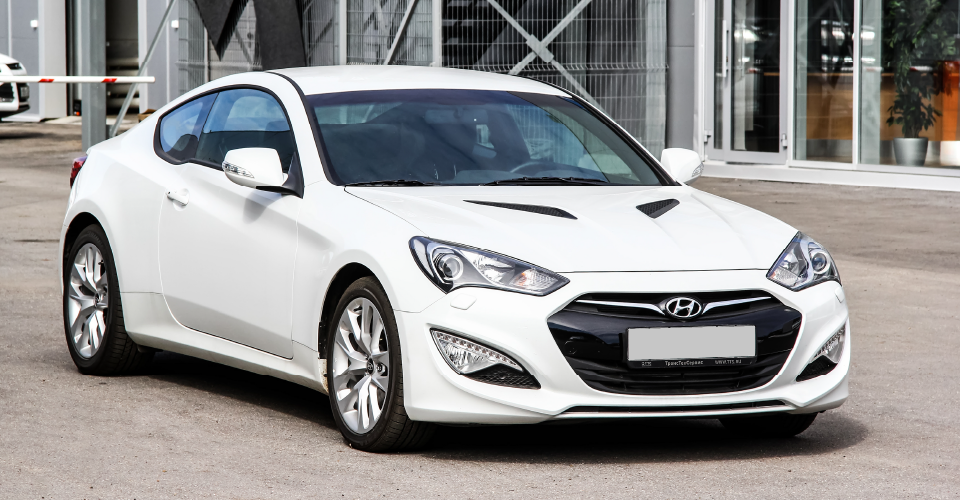
    • Traffic lights indicate whether to stop, pause, or go.
    • Different lines on the road show where you can overtake or pull over.

    If visibility is the key factor in driving safety, does this mean dark coloured cars are more dangerous to drive? As it turns out, they are – but that’s not the only factor.

    Citing a 2007 study published by Monash University Accident Research Centre, Autolist emphasises that “the relationship between vehicle colour and vehicle safety is complex and uncertain.”

    The study revealed which colours are statistically the safest choice when it came to being visible and safe on the road, and which are the worst. Want to find out where your car ranks? Read on!

    Safest shades

    When it comes to reduced risk of crashes, the study found, white is the winner – so it’s not surprising that around 45% of cars sold in South Africa in 2018 were white. Other highly ranked colours highly include cream, yellow, and beige.

    Killer tones

    Unsurprisingly, black is the most likely car colour to be involved in an accident. Readers Digest graded other colours in order of “dangerousness”:

    • Grey (11% higher risk)
    • Silver (10% higher risk)
    • Blue (7% higher risk)
    • Red (7% higher risk)

    It’s not all about colour

    Dr Stuart Newstead, Associate Professor of Monash University Accident Research Centre, stressed that there are other influencing factors besides colour that play a role in the risk you run of getting into a car accident.

    He listed the safety measures everyone in the car takes, and safety features like Electronic Stability Control. These are, in fact, even more influential in improving safety than the colour of your car.

    We invite all rainbow nation drivers to get car insurance in under 3 minutes with Mzansi’s most-trusted insurer, dotsure.co.za! Orange you glad you can Name Your Price ™?

    MORE


  • NEW! MOTOR WARRANTY COVER YOU CAN TRUST

    NEW! MOTOR WARRANTY COVER YOU CAN TRUST


    Have you heard about our NEW Motor Warranty insurance? If not, you’ve been missing out – sorry FOMO folks!

    We know that there is nothing worse than unexpected mechanical failure, especially if your car is no longer covered under the manufacturers’ warranty or on a dealership service plan. This is where we come in… sit back, relax and allow us to cover your ride with an extended warranty and let you continue your journey in carefree fashion!


    Why dotsure.co.za Warranty should be your #1 choice:


    1. You’ve got options

    The dotsure.co.za extended motor warranty product gives you the cover you need at a price that you can afford. You can have your pick between Silver, Gold or Platinum cover, whichever tickles your fancy or fits your pocket.


     

    2. We cover “senior” cars

    We’ll cover your 15-year old “tjor” even when it has up to 300,000 km on the clock. This is a no-judgement zone when it comes to the matured metal “roadsters” out there. ?


    3. Life happens – we get it

    If you’ve missed a service, it’s not a train smash. We give you 30 days to sort it out, because we know you’ve got places to be and people to see.


    4. Our service is top of the range

    It’s no secret that we’re on a mission to turn policyholders into fans with our first-class service. We’ve been rated most trusted insurer in South Africa on Hellopeter** for quite some time now all thanks to the feedback received from our amazing dotsure.co.za fam!


    What you are covered for*

    You are covered for the repair or replacement of parts due to a mechanical breakdown or electrical failure which occurs during the period of cover on your policy.

    All extended car warranty options include cover for engine, clutch, transmission, turbo assembly, electrical components cover and more. We even cover some of your transport and towing costs.

    The amount that you are covered for depends on your vehicle’s age, mileage reading and plan option selected. Just as an example, if your ride is less than 5 years old, with less than 110,000 km on the clock, you could have engine cover of up to R70,900 under our Platinum Cover Warranty plan.


    The extended warranty plans

    Choose basic Silver, go for Gold or pick Platinum cover to suit your needs and pocket.


    1. Silver Cover

    This is our entry-level extended car warranty plan. You can get engine cover for up to R42,300; transmission rear-wheel drive cover for up to R17,100; and more. If you’re on a tight budget, this one’s for you.

    Click here to view detailed Silver Cover options and limits.


    2. Gold Cover

    Go for gold, and enjoy engine cover up to R56,600, transmission rear wheel drive cover for up to R22,700, turbo assembly cover for up to R19,000 and more.

    Follow this link for more information on the Gold Cover options and limits.


    3. Platinum Cover

    Our Platinum cover is top of the range. It gives your car (and pocket) the ultimate protection. You can get engine cover for up to R70,900; transmission rear wheel drive cover for up to R28,200 and more!

    Find more details on Platinum Cover options and limits here.


    Why not silence that little voice of worry about what you’ll do if something goes wrong with your car and how you’ll afford to pay for it? Go on, make the smart move and give your ride the protection it deserves. Get a dotsure.co.za motor warranty quote here or call us at 0861 368 7873 for more info!

    If you already have a car insurance policy with us, visit our Manage Portal to add your warranty cover policy to the mix.


    Safe travels!

    * T’s and C’s apply and are obtainable by emailing u2us@dotsure.co.za. Limits and pricing displayed effective as from 01 September 2020.

    ** As on hellopter.com at date of publishing


    More

    Here’s how to claim with dotsure.co.za.


  • NAME YOUR NUMBER PLATE WITHOUT GOING BROKE

    NAME YOUR NUMBER PLATE WITHOUT GOING BROKE


    Whether it’s a nickname, code name or a word that inspires you, if you choose what’s on your number plate it can cost a lot.

    Also dubbed ‘vanity licence plates’, these customised Mzansi registration plates are a public statement priced between R1,450 and R150,000 depending on the province you are buying in and other factors.

    Crazy price range*

    That’s right, there’s no standard price in the country. Prices vary between provinces and even within some provinces.

    Less costs more

    Minimalism is hipper than manicured man hair in the provinces of the Western Cape and Gauteng.

    That’s because “the less you want on your plate,” Business Insider warns, “the more you are going to pay”. Let’s find out which personalised number plate (PNP) is the priciest (and which is the cheapest)…


    In first place for crazy expensive PNPs by province, the Western Cape.

    The province that hosts our legislative capital is the winner of this dubious award.

    Its CAA type plates are top of the range in terms of price. Single digit CAA plates cost up to R150,000, e.g. 1 – CAA. You can get double digit, triple digit, or up to 5 digits. The more digits there are, the less you pay.

    WP variations are cheaper, but not by much. Single alpha or numeric character sell for R100,000, e.g. 1 – WP. Double characters will set you back R8,500, e.g. YO-WP. From there, they get cheaper the more digits you have, closing at R3,000 for between 4 and 7 characters, e.g. DOTSURE – WP.


    In second place for stunningly expensive PNPs by province is Gauteng.

    The province that is home to our administrative capital of Pretoria (or PTA ?) charges much less for its low-character plates. Three characters retail at R5,950 and prices descend from there as characters increase, with 4 – 7 of them priced at R3,450.


    In third place for pricey PNPs by province, and descending order, #AllOtherProvinces.

    They charge a flat rate per PNP, namely R4,850 in the Eastern Cape, R4,700 in Mpumalanga, R3,500 in KwaZulu-Natal, R3,200 in Limpopo, R3,000 in the Free State, R2,800 is North West, and R2,530 in the Northern Cape.

    The cheapest, however, is not a PNP from the Northern Cape province, it’s one from Gauteng. Mekaish calls it a “SRN 3” and explains it as 3 numeric and 3 alpha characters (or vice versa) e.g. LUV247– GP or 365JOY – GP.


    Cash-strapped but want an unusual reg plate? Buy used.

    Unique number plates can’t be replicated but they aren’t in use for eternity. You can take over someone else’s old number auctions and online marketplaces like Gumtree under “Used Antiques & Collectables”.


    If PNPs are also auctioned, surely prices for plates can be sky-high?

    Yes they can, because it’s all about demand and supply and the highest bid wins. The most expensive customised registration plates were not even new when they sold as a set. Wheels24 reported that single-digit Gauteng Province plates sold at an auction for a whopping R1,89 million in 2016, making the plates 1-GP through 8-GP the leaders in outlandish prices for registration plates.


    What’s in a name? Even more expense, sometimes…

    Take care, because your PNP nickname may do more than announce you to other people.

    The Verge reports that Joseph Tataro put “Null” on his front and rear USA plates in 2018, and soon received over R200,000 worth of traffic fines he wasn’t responsible for. Woah!

    That’s because programming language recognises the letters forming the word “null” as an indiscernible value (like “void”). So “whenever any traffic cop didn’t enter a license number when writing a ticket,” Jon Porter explains on the popular tech news site, “it would automatically get assigned to Tartaro” in the digital system.

    Not the administrative nightmare you need. No matter which letters and numbers you choose, what you might need is our Road Protect benefit which will resolve your traffic fines and organise and deliver vehicle licence renewals for you**. That’s an added insurance benefit dotsure.co.za car insurance policyholders have access to.


    Final tip: don’t let it get swiped

    Got a PNP? Here’s how to keep it. Attaching it with security screws can reduce the risk of thieves walking away with one of the most expensive name tags you’ll ever own. It can also help you avoid other problems related to this rare form of property because, “as far as the law is concerned,” Insight Security warns, “your car registration number ‘is you’…” so if your number plate is used to commit a further crime, you’ll have to prove that it was not you.

    Do you dream of tailored motor insurance to go with that personalised number plate? You can Name You Price™ when you cover your vehicle with dotsure.co.za. Get a dotsure.co.za car insurance quote online today. Don’t delay!

    MORE
    If you’re into number plate trivia, click here.


    *All prices are quoted from Mekaish.com.
    **T&Cs apply and are obtainable by emailing u2us@dotsure.co.za.

  • CAR STOLEN?! TAKE CHARGE WITH THESE PRACTICAL STEPS

    CAR STOLEN?! TAKE CHARGE WITH THESE PRACTICAL STEPS


    BusinessTech reports that with the gradual lifting of lockdown restrictions, road crime has returned to around 60% of pre-pandemic figures.

    While hijackings and car theft dropped to nearly zero at the start of lockdown back in March, Charles Morgan, Operations Executive at Netstar, tells BusinessTech that “now that we’ve all adjusted to the new reality, our records show we are heading back towards business as usual, in the mainstream and the illicit economy”.

    With car theft back in business, it’s important to know what to do if it happens to you.

    Here are practical steps to take if your car is stolen.


    First, report it


    1.  Visit your local police department ASAP to report your car as stolen.

    Time is of the essence, as a stolen car can be used to commit other crimes and you want the authorities to know that the car is no longer in your possession.

    According to Carinfo.co.za, “The police department will ask you questions and fill out all the paperwork for you, though you’ll almost certainly need to go down to the station and sign the report”.

    Provide as much information for the report as you can, including your personal details and identification; the make, model, year and colour, vehicle identification number (VIN), and any distinguishing features about your car (e.g. marks or dents).

    It helps to have original or certified copies of your driver’s licence, vehicle title and registration documents to speed things along.

    Please don’t dial the national emergency number unless your life and safety are at risk e.g., you’re alone in an isolated place and somebody is threatening you.

    You can find the contact details for your nearest police station here.


    2 Sign the statement in person.

    Make sure you read, check and sign the report and take the details (name, position, office number) of the officer who helps you.


    3. Get a case number.

    The assisting officer will provide you with a case number. Keep this handy for all further dealings on the subject.


    4. Get a copy of the report

    Ask the assisting officer for an official copy of the report. This could be used in insurance paperwork for your claim.


    5. Notify your car insurance company of the theft as soon as possible.

    It is very important to follow the required steps so that when you claim, it is unencumbered and stress-free.


    6. Let us help.

    If you have an active Roadside Emergency Benefit with your dotsure.co.za car cover, we will help you in a roadside emergency by letting your loved ones know what has happened.*


    Then, if your car is recovered


    The show’s not over if your car is recovered. In fact, it’s just begun.

    1.  The investigating officer handling the case will inform you that they have found it.
    2.  They will ask you to head down to the police impound lot to identify the car.
    3. They will also request that you provide proof of ownership of the car, like the registration documents or bill of sale.
    4. If your car is not insured, skip to 9 with all repair or replacement costs to your account.
    5. If your car is insured and has been damaged, your insurance company may advise on the damage assessment procedure (depending on your policy terms and conditions and the driving condition of the car).
    6. After assessment, the assessor will either declare that your vehicle can be repaired or should be written off, dependent on the extent of the damages suffered.
    7. If your vehicle is a write-off, and you are comprehensively insured at the time, your insurer will compensate you in line with your policy terms and conditions.*
    8. If the car can be repaired, your insurer will cover the cost of repairs according to the type of cover you have at the time. This may mean a cash contribution to you, or the insurer will advise where the car can be taken to for repairs, and the costs will be covered up to the limits in your policy.*
    9. Once it is repaired, you need a police clearance certificate from your local licencing authority before you can resume possession of the car.
    10. To get this certificate, “take the forms, along with supporting documents and your car,” Joburg.co.za advises, “to the SAPS Clearance Unit – which fills out the forms and grants clearance status to the vehicle.
    11. Once you’ve submitted these forms to the licensing authority, they will clear it on their systems and you’re good to go.


    Whether it’s recovered or not, still submit a claim if the car is insured


    Here are your options to get hold of us when you need to submit a claim:

    1. With dotsure.co.za, this is the easy part – you can submit a claim in minutes through your Manage Portal online. Simply log in to (or register for) your dotsure.co.za Manage Portal account here; alternatively
    2. phone us on 0861 dotsure (368 7873); or
    3. email us at: u2us@dotsure.co.za; or
    4. live chat to a consultant via the online chat bubble at the bottom of the page on www.dotsure.co.za; or
    5. submit your details on our Contact Us page to request a call back at a time that suits you.

    Once your claim has been logged, one of our claims consultants will be in contact with you to register your claim. They will verify and request any additional information they may require to process your claim and will explain the process that will follow. You will be provided with the name of your personal claims consultant as well as your claim number for future reference. Throughout the process you will be kept updated on the progress of your claim and can even view this on your Manage Portal at any time.


    Uh oh – what if the car is recovered after you’ve claimed on it?


    It can happen that once your insured car is replaced, the authorities find the original car. What now? Joburg.co.za points out that you are legally obliged to let your insurer know. Not doing so could constitute fraud and lead to prosecution. In such an instance, dotsure.co.za will assess and conclude the process on a per case basis.*


    Protect yourself against the financial fallout of having a car stolen or highjacked with dotsure.co.za vehicle insurance. Get an obligation-free quote online in minutes here.


    *T&Cs apply and are obtainable by emailing u2us@dotsure.co.za. Claims decisions subject to factual merits of incident.


    More

    Take these simple steps if: