Tag: car parts

  • UNDERSTANDING CAR PARTS: GLOW PLUGS VS SPARK PLUGS

    UNDERSTANDING CAR PARTS: GLOW PLUGS VS SPARK PLUGS


    What is the difference between a glow plug and a spark plug? These two car parts sound similar, but they each serve their own purpose. Knowing which is which can help you understand your vehicle’s performance and maintenance needs. If you’re thinking long-term about your vehicle’s health, an extended motor warranty can go a long way to cover costly repairs.


    What Is a Glow Plug?

    Glow plugs are heating devices used in diesel engines to help with starting, especially in cold weather. They work by warming the air in the combustion chamber to a temperature high enough to ignite fuel.

    Its Role in Diesel Engines

    Diesel engines rely on compression to ignite fuel, not a spark, like petrol engines. In cold conditions, the air-fuel mixture might not reach a high enough temperature to ignite on its own. Glow plugs act like little toasters inside your engine, heating things up quickly to get your car started smoothly.

    How Glow Plugs Operate

    Glow plugs are switched on when you turn the key (or press the start button), and they begin to heat the combustion chambers. Once the engine is running, they usually switch off, although some modern vehicles keep them running briefly to reduce emissions and ensure efficient operation.


    What Do Spark Plugs Do

    If you drive a petrol-powered car, you’ll be more familiar with spark plugs. They’re essential for starting and running your engine.

    Spark Plug Function in Petrol Engines

    Unlike diesel engines, petrol engines need a spark to ignite the air-fuel mixture. That’s exactly what spark plugs do. They deliver a small, high-voltage jolt of electricity to create a spark that kicks off combustion.


    Spark Plugs vs Glow Plugs

    While both parts live in the engine and are involved in combustion, they’re used in entirely different types of engines. Here’s a quick side-by-side:

    Feature

    Spark Plug

    Glow Plug

    Engine Type

    Petrol

    Diesel

    Function

    Creates spark to ignite fuel

    Heats chamber to aid ignition

    Activation

    During engine start & run

    Primarily during cold starts

    Failure Symptoms

    Misfires, rough idling

    Hard starts, white smoke


    Signs of Failing Glow Plugs and Spark Plugs 

    • Glow Plug Issues: If your diesel engine takes forever to start, especially on chilly mornings, your glow plugs might be on their last legs. Other signs include white smoke from the exhaust and poor fuel efficiency.
    • Spark Plug Problems: Misfiring, engine knocking, a rough idle, and decreased acceleration can all point to worn-out spark plugs.

    Effects on Vehicle Performance

    Neglecting these parts can lead to sluggish performance, higher fuel consumption, and even permanent engine damage over time. That’s why recognising early signs of failure is so important.


    Protect Your Engine & Your Pocket

    Understanding the basics of how car components work is important to keep your vehicle running at its best. And while you can manage some maintenance yourself, bigger issues can become expensive. That’s where a worry-free extended motor warranty can give you peace of mind.

    To explore our cover options for your ride, visit dotsure.co.za or contact us today. We’re here to help you keep your car in tip-top shape, from bumper to tailpipe!
     

    RELATED: EXPENSIVE CAR PARTS YOU NEED TO INSURE

  • CAR PARTS FOR BEGINNERS: ARE THESE REAL OR FAKE

    CAR PARTS FOR BEGINNERS: ARE THESE REAL OR FAKE

    When you first start learning about car parts, it can feel as if you’ve opened a toolbox full of mystery objects. But here’s a fun fact: many car components actually resemble everyday household items. And while it’s entertaining to compare, it’s also a helpful way to learn the basics, especially if you’re thinking about protecting those car parts.


    Car Parts vs. Everyday Items

    Let’s play a round of “Guess the car part” and clear up a few FAQs while we’re at it.


    Spark Plug or Candle Holder?

    spark plug

    What Does a Spark Plug Look Like?

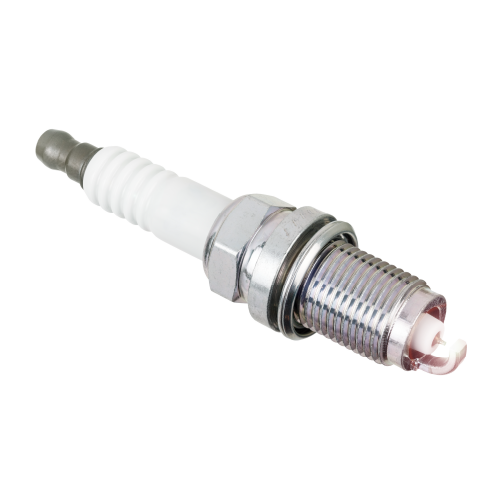
    It’s a small, metal cylinder with an insulated centre and a visible electrode. At first glance, it can be mistaken for a decorative item.

    What is the Difference Between a Spark Plug and a Glow Plug?

    Spark plugs ignite fuel using an electric spark (in petrol engines), while glow plugs preheat the combustion chamber (in diesel engines).


    RELATED: UNDERSTANDING CAR PARTS: WHAT IS A GLOW PLUG?


    Oil Filter or Coffee Filter?

    oil filter

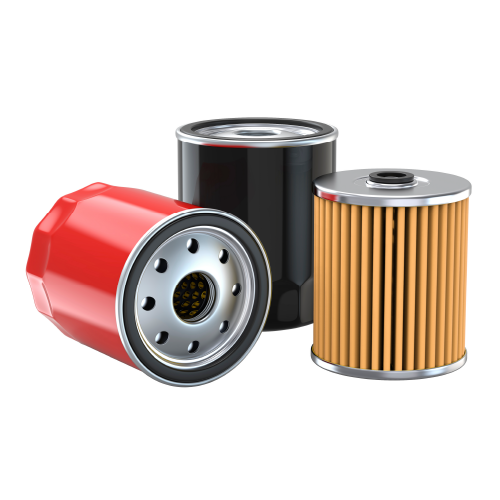
    What Does an Oil Filter Look Like?

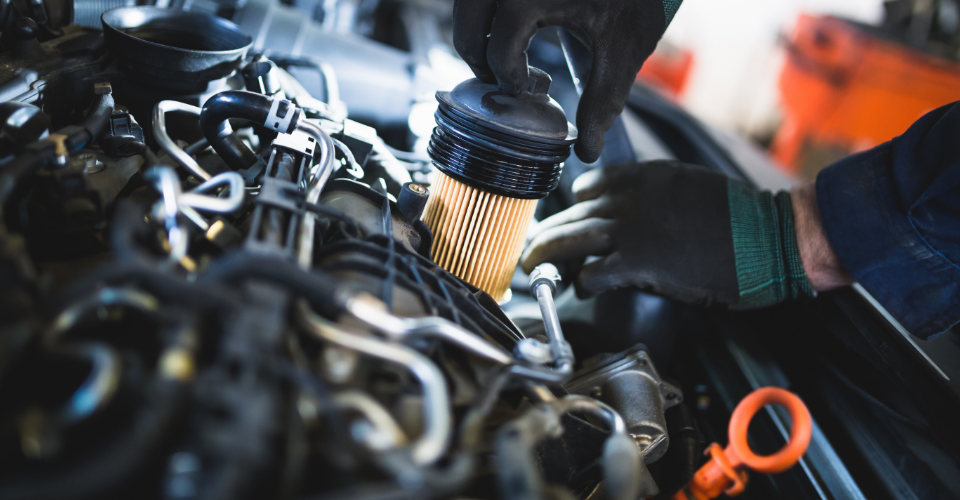
    It’s a compact, cylindrical object (often metal) screwed into the engine to trap dirt and debris from motor oil.

    How is an Oil Filter Different from a Fuel Filter?

    An oil filter cleans the engine oil, while a fuel filter cleans the fuel before it reaches the engine.


    Radiator Cap or Jar Lid?

    radiator cap

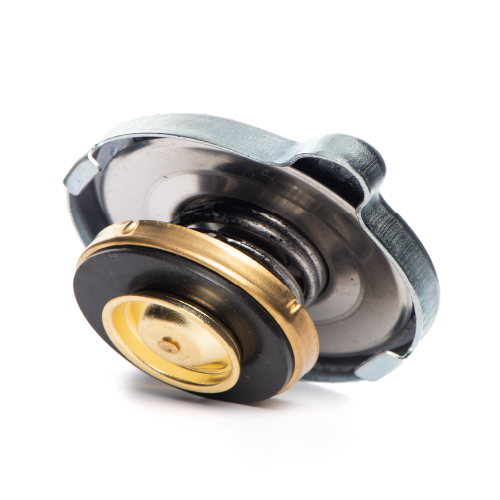
    What’s the Function of a Radiator Cap?

    It seals the radiator and helps maintain the proper pressure in your engine’s cooling system.

    Can a Radiator Cap Affect Engine Performance?

    Yes! A faulty cap can lead to overheating or coolant loss, both of which impact performance.


    Timing Belt or Yoga Mat Strap?

    timing belt

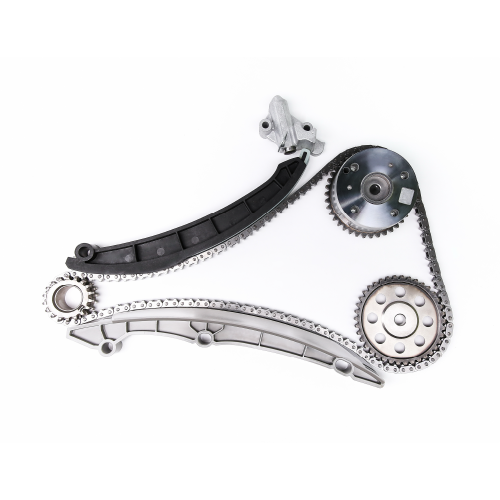
    What Does a Timing Belt Do?

    It synchronises the rotation of the crankshaft and camshaft so that engine valves open and close at the right time.

    Is a Timing Belt the Same as a Serpentine Belt?

    No. A timing belt manages engine timing, while a serpentine belt powers external accessories such as the alternator and AC compressor.


    Fuel Injector or Perfume Nozzle?

    fuel injector

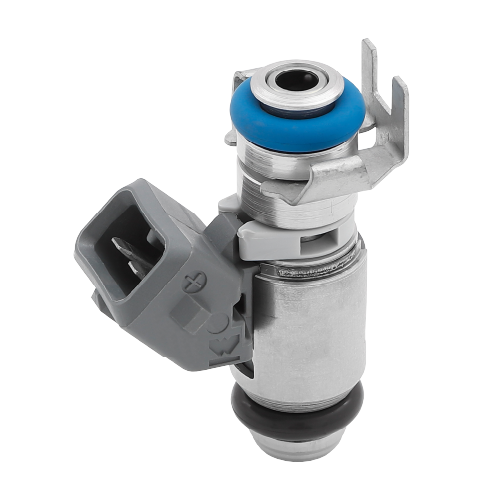
    How Does a Fuel Injector Work?

    It injects fuel directly into the engine’s combustion chamber for precise ignition.

    What Are the Signs of a Faulty Fuel Injector?

    Look out for poor fuel economy, engine misfires, or rough idling. A failing injector can disrupt engine performance quickly.


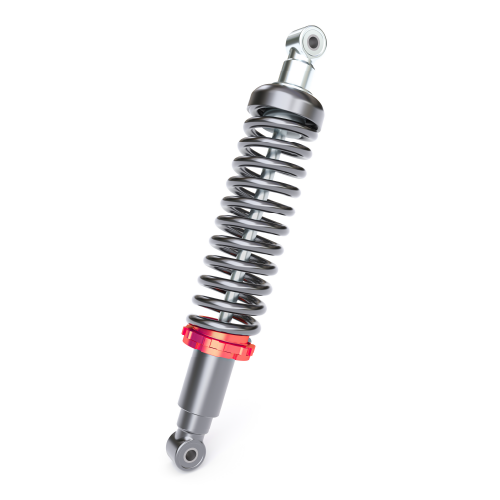
    Shock Absorber or Rolling Pin?

    shock absorber


    What Are Shock Absorbers Used For?

    They dampen the impact from road irregularities, providing a smoother ride and maintaining tyre contact with the road.

    How Do You Know If Your Shock Absorbers Are Worn Out?

    Excessive bouncing, uneven tyre wear, or poor handling can all point to worn shocks.


    Air Filter or Accordion Folder?

    air filter

    Why is the Air Filter Important for Your Engine?

    It prevents dirt, dust, and debris from entering the engine, helping it to breathe clean air for efficient combustion.

    How Often Should You Change Your Air Filter?

    Generally, every 15,000 to 30,000 km, but check your owner’s manual or replace it sooner if you drive in dusty conditions.


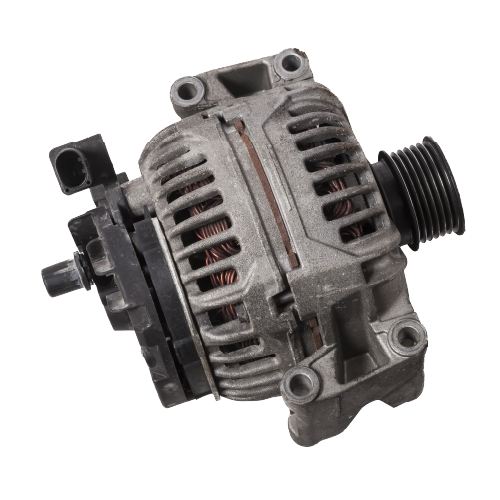
    Alternator or Electric Hand Mixer?

    alternator

    What Does an Alternator Look Like?

    It’s a compact, finned metal device with rotating parts, somewhat like an electric kitchen mixer.

    How Does an Alternator Charge the Battery?

    It converts mechanical energy from the engine into electrical energy, recharging the battery and powering your car’s electronics.


    Trust the Car Part Experts

    An extended motor warranty helps cover the cost of unexpected breakdowns, so you’re not left paying for what went wrong under the hood.

    Explore cover options at dotsure.co.za, or contact us to get a personalised quote today. Because when car parts go from “funny-looking” to “faulty,” it pays to be prepared.


  • THE 5 CAR PARTS THAT FAIL MOST OFTEN DURING WINTER

    THE 5 CAR PARTS THAT FAIL MOST OFTEN DURING WINTER


    Winter in South Africa may not bring snow to every door, but it does bring a chill that your car might not be ready for. Certain car parts can fail during winter if you don’t take care or keep an eye on them, which means you could be left stranded. That’s why having an extended car warranty cover from dotsure.co.za and a little extra info on the car parts that fail most often in winter, is essential. 

    Here’s a look at 5 car parts that are often the culprits behind winter breakdowns and how to prevent them.  

    RELATED: THE AVERAGE LIFESPAN OF YOUR CAR PARTS  


    Car Batteries

    Batteries are the number one car part that fails during winter. Cold temperatures slow down chemical reactions in your battery, making it harder to produce enough oomph to start the engine. 

    How to charge a car battery 

    It’s not always winter’s fault. Your battery could just need a recharge. You can use a battery charger or jump-start it like a pro. Got an automatic? Push-starting it won’t work, but here’s what you can do. 

    RELATED: HOW LONG DO CAR BATTERIES LAST? 


    Car Fluids

    A short science lesson for you: Fluids thicken in the cold. If your car fluids are already low, it can cause performance problems or lead to part failures that could’ve been avoided. 

    What car fluids should you check? 

    • Engine oil 
    • Transmission fluid 
    • Coolant/antifreeze 
    • Brake fluid 
    • Windscreen washer fluid. 

    How to check car fluids

    Make it a monthly habit, especially in winter. Most reservoirs are clearly labelled, with “min” and “max” markers to guide you. Topping them up can prevent wear and tear and keep your warranty intact. 

    Pro tip: We suggest topping up your oil and water while you’re filling up or grabbing some snacks at a petrol station. The attendants there will happily assist you. When checking your vehicle’s other fluids, it’s always best to consult your mechanic if you’re unsure. 

    RELATED: COMMON WARRANTY EXCLUSIONS AND LIMITATIONS 


    Exhaust System & Undercarriage

    If you think you’re safe from rust and corrosion just because you don’t live by the sea, you’re wrong. Rain and wet conditions still accelerate rust and corrosion, especially on your exhaust, undercarriage, and brake lines. 

    What you can do: 

    • Wash your car regularly, especially the underbody 
    • Keep your car parked in a garage or under cover if possible 
    • Wax your paint to create a water-repellent barrier 
    • Add an old carpet to your garage floor to absorb excess moisture. 


    Tyre Pressure

    When the air gets colder, so does the air inside your vehicle’s tyres. This can lead to under-inflation, which reduces traction and wears down your tyres unevenly, which means you must replace your tyres sooner. 

    How to check your tyre pressure in winter 

    Most petrol stations in SA have pressure gauges. Check your car manual for the recommended PSI and top up as needed. Alternatively, pop in to Tiger Wheel & Tyre, one of our trusted partners, and they can handle it for you. 


    Spark Plugs

    The cold weather can make it more difficult for engines to start, and worn spark plugs may struggle to produce a strong enough spark. If your car’s feeling sluggish when you turn the key, the spark plugs might be the problem. 

    How to check spark plugs 

    Unless you’re a pro under the hood, getting an expert mechanic to check them during your next annual service is best. 

    RELATED: RMI-APPROVED WORKSHOPS: EVERYTHING YOU NEED TO KNOW 


    Expert Cover for Your Car Parts in Winter 

    Car batteries, spark plugs, fluids, tyres, and rust-prone components are the car parts that fail most often during winter. But with regular checks, a little TLC, and dotsure.co.za extended car warranty in your corner, you’ll be ready for the cold. 

    And if you’re not protected yet, now’s the perfect time to get extended warranty cover before anything happens, to keep your winter driving worry-free.

  • WELL-WARRANTED PROTECTION FOR CAR PARTS

    WELL-WARRANTED PROTECTION FOR CAR PARTS

    How to Get More from Your Extended Car Warranty

    An extended car warranty shields you from unexpected repair costs, helping you to avoid financial stress when things go wrong. But did you know you can take your warranty even further?

    At dotsure.co.za, we believe in giving you more: More protection, more value, and more personalisation. That’s why we offer extra value-adding cover options that go beyond your standard warranty, ensuring that your car stays in top shape without breaking the bank.

    RELATED: What an Extended Car Warranty Covers; How an Extended Car Warranty Works


    ServiceXtender: Keeping Your Car Running Smoothly

    Regular servicing is essential to keep your car in top condition. With the ServiceXtender add-on you’ll get:

    • Cover towards your annual service to help with routine maintenance costs.
    • A cash contribution for minor repairs, such as small chips and scratches.

    RELATED: Difference Between Motor Warranty and Service Plans


    Lights, Badges & Mirrors: Small Parts, Big Savings

    Replacing lights, badges, or mirrors may seem like a small fix, but these repairs can be costly. This add-on ensures you don’t have to claim from your main policy for:

    • Accidental loss or damage to headlamps, indicators, and brake lights.
    • Replacement of metal badges attached to your car.
    • Fitted external and internal mirrors.
    • Plastic covers that form part of lights and mirrors.


    Roadwise Tyre & Rim: Beat Potholes and Uneven Roads

    South African roads can be tough on your car, but you don’t have to foot the bill alone. You can get cover for:

    • Tyre damage from potholes and road hazards.
    • Rim repairs or replacement, ensuring your wheels stay in great shape.


    ScratchZone: Keep Your Car Looking Its Best

    Scratches and dents happen, but they don’t have to be a headache. This add-on includes:

    • Cover for the repair of minor chips, scratches, and dents to keep your car looking flawless.
    • The Excess Buster, covering up to 50% of your basic excess if you need to claim from your main policy.


    Upgrade Your Car’s Protection

    At dotsure.co.za, we’re all about making car ownership easier and more affordable. Adding these value-boosting cover options to your Extended Car Warranty is a smart move for stress-free driving.

  • HOW TO: CHECK YOUR CAR’S WARRANTY

    HOW TO: CHECK YOUR CAR’S WARRANTY


    Wondering if your car is still covered by its warranty? This guide will walk you through the process of checking your warranty status, understanding its terms, and maximising its benefits.


    What is a Car Warranty?

    A car warranty is a promise from the manufacturer to repair or replace certain defects within a specific time or mileage limit. Common warranties cover 3 to 5 years or up to 100,000 km, whichever comes first. While comprehensive warranties usually exclude wear-and-tear items, accidental damage, and modifications that deviate from manufacturer specifications.

    Knowing what your warranty includes is essential to avoiding unexpected costs.


    Steps to Check if Your Car is Still Under Warranty

    1. Understand Your Warranty Terms

    Start by identifying the coverage period and mileage limit. For example, if your warranty is 5 years/100,000 km:

    • Check your car’s odometer for the mileage.
    • Verify the car’s model year to determine its age.
    1. Locate Your Vehicle Identification Number (VIN)

    Your VIN is a unique identifier for your vehicle, usually found on:

    • The driver’s side dashboard.
    • Inside the driver’s side door frame.
    • Your car’s registration or insurance documents.
    1. Contact Your Manufacturer’s Dealer

    Take your VIN to an authorised dealer. They can quickly confirm your warranty status by using their system.


    New vs. Used Cars: Warranty Considerations

    New Car Warranty

    When buying a new car, the warranty typically includes:

    • Repairs for manufacturing defects.
    • Coverage for a fixed period or mileage, as long as the vehicle is maintained per manufacturer guidelines.

    To maintain your warranty:

    • Service your car on schedule at authorised centres.
    • Use only Original Equipment Manufacturer (OEM) parts.

    Used Car Warranty

    Used cars may come with the balance of the manufacturer’s warranty, but it’s crucial to:

    • Verify the car’s service and maintenance history using the VIN.
    • Check for modifications or hidden damages that could void the warranty.


    Protect Your Car Today

    Is your warranty about to expire? Extend your coverage with an extended car warranty to safeguard against unexpected repair costs.

  • HOW TO SAVE ON CAR PARTS ALL YEAR ROUND

    HOW TO SAVE ON CAR PARTS ALL YEAR ROUND


    Saving Beyond Black Friday Deals

    When Black Friday rolls around, we all hope to catch great deals, especially on expensive car parts. But wouldn’t it be nice to save on car repairs and parts the entire year, without waiting for sales? One way to do that is with an extended car warranty.


    The Unexpected Cost of Car Repairs

    It can feel daunting to commit to paying a monthly fee for an extended warranty. But that perception quickly changes the moment you’re hit with a major repair bill. Modern vehicles are more reliant on complex electronics than ever before, and those systems are prone to unexpected failure. There’s a good chance that just when your manufacturer’s warranty has expired, you might find yourself needing to pay for costly repairs out-of-pocket.

    If you’re considering keeping your car beyond the typical two to six years of manufacturer warranty coverage, an extended car warranty could save you thousands in repair costs over time.


    Cover Car Breakdowns

    Our extended car warranty covers major components of your vehicle such as the engine, gearbox, fuel system, transmission, and differential. While it won’t cover everything (don’t expect it to fix dashboard buttons your child snapped off while pretending to be a race car driver), the essential and most expensive parts of the car are protected.

    If you experience a mechanical breakdown that falls under your warranty, you’re spared the pain of paying out-of-pocket for these repairs.


    Expensive Car Parts

    Once your manufacturer’s warranty expires, it’s worth exploring an extended warranty. It keeps you from having to shell out huge sums for major repairs, especially as your car ages.

    For example, replacing wheel bearings on a Renault Kwid could cost around R6,000. That sounds rough already. But what if your Audi A4 needs serious engine work two weeks after your warranty expires? You could be looking at a R100,000 bill, or more.


    Choose the Best Car Warranty

    Beyond protecting your wallet, our extended warranty offers additional benefits.

    • Fixed monthly costs: Rather than facing unexpected repair bills, you’ll have the stability of predictable monthly payments.
    • Peace of mind: You’ll rest easy knowing we are there to help cover expensive components in the event of failure.
    • Roadside assistance: Ensures that you won’t be left stranded after a breakdown.
    • Increased resale value: A well-maintained car with an extended warranty is more attractive to buyers and can retain more value.


    Save All Year

    While Black Friday might offer deals on individual parts, an extended car warranty can save you money year-round. The right policy will cover the big-ticket items that hurt the most when they break.

    Stop waiting for a deal to save on car parts. Protect your investment and enjoy peace of mind knowing that, no matter when your car decides to break down, you won’t be left footing the full bill.

  • THE AVERAGE LIFESPAN OF YOUR CAR PARTS

    THE AVERAGE LIFESPAN OF YOUR CAR PARTS


    The Parts of Your Car That Won’t Last Forever

    The reality is that the average car owner might overlook the gradual wear and tear that affects various components over time. Every car part has a finite lifespan, but with proper care, you can extend their longevity significantly.


    Rubber Components

    Rubber parts such as belts, hoses, seals, and gaskets are susceptible to ageing. Exposure to heat, sunlight, and environmental elements causes them to degrade, crack, and develop leaks. Regular inspection and timely replacement, especially after a few years or at the first signs of wear, can prevent unexpected failures and leaks.


    Battery

    Car batteries typically last between three to five years. Over time, chemical reactions and internal corrosion diminish their capacity, leading to reduced starting power and potential failure. Monitoring battery health, checking terminals for corrosion, and replacing old batteries proactively can prevent unexpected breakdowns and ensure reliable operation.


    Approximate Lifespan of Car Parts

    • Tyres: 4 to 5 years.
    • Battery: 3 to 5 years.
    • Air filter: 19 000 to 25 000 kilometres.
    • Timing belt: 100 000 to 160 000 kilometres.
    • Radiator cooling system: 150 000 kilometres.
    • Steering wheel oil: 3 to 5 years.
    • AC compressor: 12 to 15 years.
    • Rubber car wipers: 12 to 24 months.
    • Oil filter: 5 000 to 15 000 kilometres.
    • Brakes: 50 000 to 65 000 kilometres.
    • Spark plugs: 30 000 to 50 000 kilometres.
    • Thermostat: 10 years.


    Preventative Measures

    Regular Maintenance: Adhering to the vehicle’s recommended maintenance schedule, including fluid changes, inspections, and component replacements, is crucial to prevent premature ageing and ensure optimal performance.

    Storage: Parking your vehicle in a sheltered area when not in use can shield it from the elements, reducing exposure to sunlight and prolonging the lifespan of various components.

    Regular Cleaning: Routine cleaning, both inside and out, removes contaminants that accelerate ageing. Use appropriate cleaning products for different surfaces to avoid damage.

    Regular Oil Changes: Check engine oil and other fluids regularly to prevent engine overheating and damage to the lubrication system.


    Additional Tips

    • Start your car at least once a month and change gears to warm up the engine, preventing deterioration due to insufficient lubrication.
    • Use soft rags and automotive soap wash for cleaning, both interior and exterior, to avoid damage.
    • Check tyre pressure at least twice a month to prevent flat tyres and ensure safe driving. Schedule regular visits to an auto mechanic for interim, full, and major car services to address any issues promptly.
    • Avoid common car maintenance mistakes such as using low-grade fuel, neglecting cleaning, or ignoring warning signs, as they can shorten your vehicle’s lifespan.


    If you prioritise proactive maintenance and stay informed about your vehicle’s specific needs, you can maximise its lifespan and minimise unexpected breakdowns. And if you want added peace of mind, consider investing in dotsure.co.za’s extended car warranty to safeguard you against unforeseen expenses down the road.