Tag: dog breeds

  • TYPES OF HOUND DOGS: CHARACTERISTICS, TRAITS AND CARE GUIDE

    TYPES OF HOUND DOGS: CHARACTERISTICS, TRAITS AND CARE GUIDE


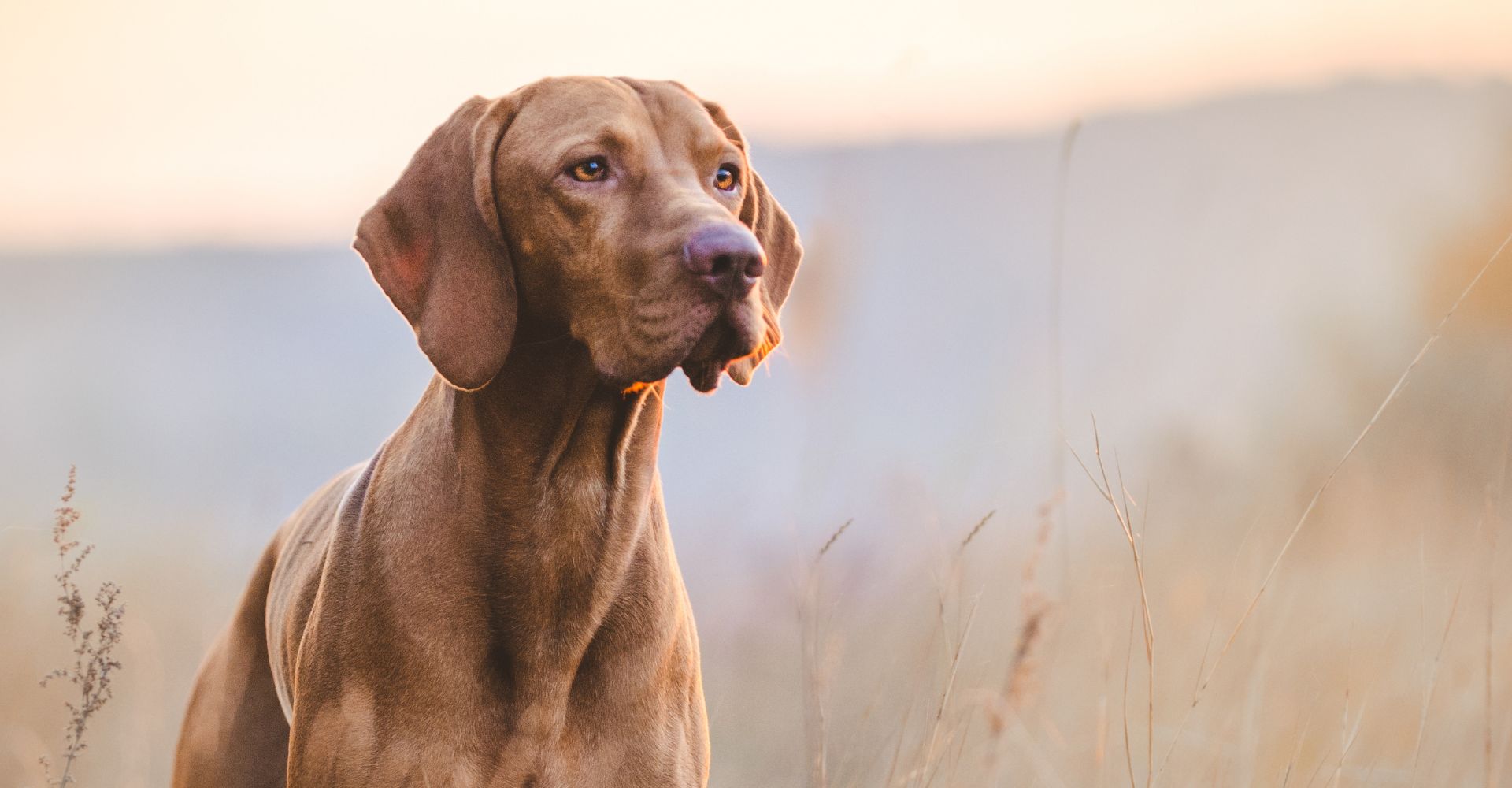
    These clever canines were bred for hunting, tracking, and trailing. Today, you can find many of them tracking down snacks and hunting for the comfiest spot on the couch. Whether it’s a beagle, basset or dachshund, understanding the types of hound dogs and their unique characteristics is key to choosing the right one for your family.

    Psst!!! at dotsure.co.za, we offer tailored pet insurance for every hound dog out there! Get a quote and protect your bestie today.


    RELATED: UNDERSTANDING BREED STANDARDS


    What Sets Hound Dogs Apart? Traits and Temperament Unpacked

    Hound dogs are one of the oldest dog groups in history, with instincts as strong as their loyalty.

    Key hound dog traits include:

    • Sharp senses, especially smell or sight
    • A stubborn streak for independence
    • Vocal communication. For example, a Dachshund will never hesitate to tell you when they are happy, irritated or hungry.
    • High energy levels
    • Extremely intelligent.


    Exploring the Different Types of Hound Dogs

    Scent Hounds: The Tracking Experts

    Scent hounds such as the Bloodhound or Beagle are built to sniff out everything from missing people to dropped food. Their long ears help funnel smells toward their noses, making them some of the best trackers in the world.

    Sight Hounds: The Speedsters

    Sight hounds rely on their vision and speed to chase prey with their long legs, lean frames, and fast reflexes. Don’t challenge Greyhounds and Afghan Hounds to a race, they’ll run circles around you!


    5 Popular Hound Dog Breeds and What Makes Them Special

    Beagle

    Small but mighty, Beagles are friendly, curious, and great with children. Their size and playful personality make them one of the most popular hound dog breeds in South Africa.

    Fun fact: Beagles are used in pet therapy because of their gentle and affectionate nature!

    Basset Hound

    With their long bodies and short legs, they will charm their way into your heart any day. Basset hounds are loyal, a little lazy, and completely irresistible with their droopy eyes and floppy ears. And, thanks to their powerful nose, they make great detectives should you need one.

    Greyhound

    Greyhounds are surprisingly relaxed despite their need for speed. They’re quiet, sleek, and love lounging around just as much as they enjoy a good zoomies session.

    Bloodhound

    The ultimate tracker with a sniffer so sharp it holds up in court! Bloodhounds are friendly giants that need space and much mental stimulation.

    Afghan Hound

    A fashion icon in the dog world. Afghans are graceful, a little goofy, and very independent. Their silky coat needs heaps of grooming, but their loyalty runs deep. While not the most common hound breed in South Africa, they are known for turning heads worldwide.


    RELATED: TOP 5 RAREST DOG BREEDS IN SOUTH AFRICA; SERVICE DOGS: THE IMPORTANCE OF PROFESSIONAL PUPS


    Honourable Hound Mentions

    There’s no such thing as too many hounds! Here are a few more favourites:

    • Dachshund: The “sausage dog,” brave and bold with a big bark.
    • Rhodesian Ridgeback: Known for guarding and endurance.
    • Whippet: A “mini” Greyhound, perfect for smaller spaces and laps.
    • Harrier: Great with kids and built for stamina.
    • Norwegian Elkhound: A hound with thick fur and a big bark, ideal for colder climates.


    RELATED: TOP 10 MOST POPULAR DOG BREEDS IN SOUTH AFRICA


    How to Care for a Hound Dog: Tips for Happy, Healthy Pets

    Caring for a hound dog means keeping their mind and body stimulated.

    • Exercise: Regular walks, play sessions, and scent games.
    • Diet: High-quality food that supports joint and energy health.
    • Grooming: Short-haired breeds need less brushing; long-haired hounds such as Afghans need regular grooming sessions.
    • Training: Start early and use positive reinforcement. You don’t want a stubborn hound.


    Should You Adopt a Hound Dog?

    If you want a loyal, clever companion with a bunch of personality, a hound might be the dog for you. Just be ready for howling, zoomies, and a little stubbornness. Protect them with dotsure.co.za pet insurance, no matter what type of hound dog you choose. From vet visits, illnesses, and accidents, we’ve got them covered!

    Get a quick quote online today or contact us for more info.


    RELATED:
    TOY DOG BREEDS: THE LITTLE PUPS WITH BIG ATTITUDES

    HERDING BREEDS: DOGS WITH LEADERSHIP INSTINCTS
     

  • HERDING BREEDS: DOGS WITH LEADERSHIP INSTINCTS
    HERDING BREEDS: DOGS WITH LEADERSHIP INSTINCTS


    Recognised for their unique instinctual ability to herd and protect livestock, the Herding Group is one of the most fascinating dog breed categories.


    History of Herding Dogs

    The first known herding breeds emerged in Asia over 10,000 years ago, with European settlers later introducing them to the Americas in the 16th century.

    Initially classified under the Working Group until 1983, these breeds have established their own distinct identity. Their ability to follow subtle hand signals and whistle commands has set them apart.

    Today, this group includes over 200 breeds, each adapted to specific herding and guarding tasks.


    Characteristics of Herding Breeds

    • Intelligence and Trainability: These dogs are quick learners, making them excellent at tasks requiring precision and focus.
    • Energy and Agility: Bred for short bursts of high-speed activity, herding dogs excel in physically demanding roles.
    • Protective Instincts: Their natural drive to protect their “flock” often extends to their human families, making them loyal companions and excellent watchdogs.
    • Versatility: From herding sheep to assisting law enforcement, herding breeds are as diverse as they are capable.


    Herding Behaviour

    The herding instinct is deeply ingrained in these breeds, and it sometimes manifests in surprising ways. For instance, herding dogs may try to “herd” their owners, especially children, by gently nipping at their heels or corralling them.

    Herding techniques also vary amongst breeds:

    • Barking and Circling: Some breeds, such as Australian Cattle Dogs, drive livestock by barking and nipping at their heels.
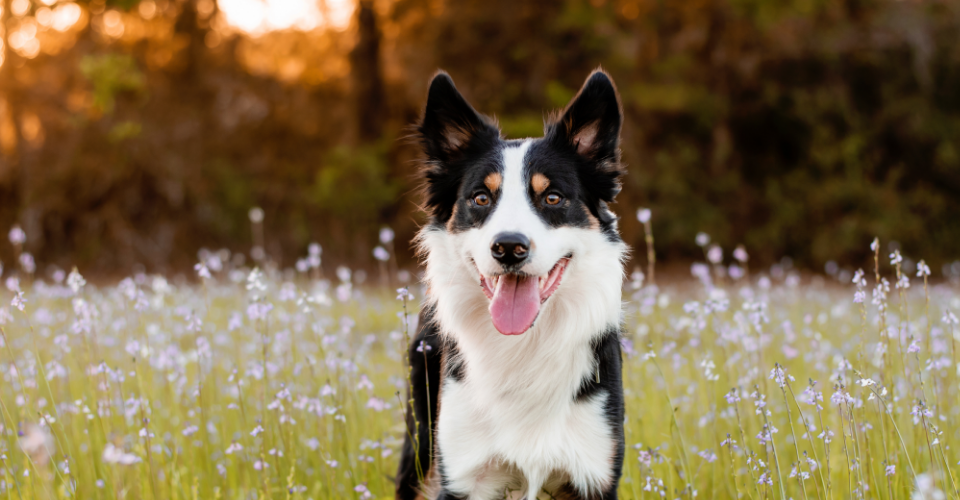
    • Silent Stare: Others, such as Border Collies, use an intense gaze to control and direct the flock.


    Popular Breeds in the Herding Group

    Some of the most beloved herding breeds include:

    • Border Collie: Famous for their intelligence and work ethic, they excel in agility and obedience sports.
    • Australian Shepherd: Energetic and loyal, this breed thrives in active households.
    • German Shepherd: Renowned for their versatility, they are often employed in police, military, and protection roles.
    • Belgian Malinois: Agile and focused, they are preferred for high stakes working environments.
    • Old English Sheepdog: A fluffy favourite known for its gentle nature and ability to herd sheep.


    Are Herding Breeds Right for You?

    If you’re an active individual or family looking for a loyal, energetic companion, a herding breed might be the perfect match. These dogs excel in homes where they can participate in regular outdoor activities and receive consistent training. Their protective instincts and eagerness to please make them beloved members of the family.

  • TAKING CARE OF A ROTTWEILER

    TAKING CARE OF A ROTTWEILER


    What to Expect When a Rottweiler Joins the Family

    Rottweilers, also known as Rotties, are a fascinating breed with a rich history. These sturdy working dogs descended from the mastiffs that accompanied Roman legions. As the Romans travelled through Europe, their herding dogs mixed with local breeds, eventually giving rise to the Rottweiler in the German town of Rottweil. Originally used for herding cattle and guarding, today’s Rottweilers are versatile workers excelling in law enforcement, search and rescue, and even as service dogs.


    Characteristics

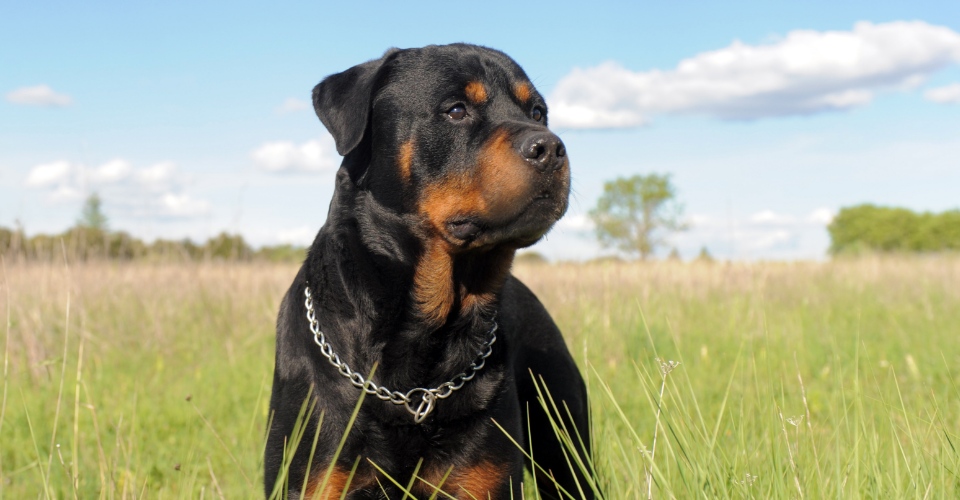
    Rottweilers are known for their strong and muscular build. They have a distinctive black coat with rust markings, and their short, dense fur adds to their imposing appearance. Their powerful hindquarters give them an effortless, graceful trot.

    Interestingly, there are several types of Rottweilers, including American, German, and the less common Roman types. Sometimes, a long-haired Rottweiler, with a silky coat, appears due to a recessive gene. Regardless of the type, all Rottweilers share that iconic black and tan colouring.

    Behind their tough exterior, Rottweilers are affectionate, playful, and loyal family members. They’re confident and protective, which makes them excellent guardians. While they might be a bit reserved with strangers, they’re incredibly loving with their families. Early socialisation and consistent, positive training are key to bringing out the best in their personalities.


    Care Guide

    • Health: Rottweilers are generally healthy but can be prone to conditions such as hip and elbow dysplasia, heart issues, and certain cancers. Responsible breeders conduct regular health screenings to ensure their dogs are in good shape.
    • Grooming: Rottweilers have a short, coarse coat that’s easy to care for. They need weekly brushing and regular baths. While they shed moderately year-round, expect heavier shedding in the spring and fall. Regular dental care and nail trimming are also important.
    • Exercise: Rottweilers are athletic and love being active. They enjoy swimming, walking, and playing tug-of-war, especially with their family. They also excel in various canine sports such as herding, tracking, and obedience. Regular exercise helps to keep them fit and healthy.
    • Training: Training and socialisation should start early with Rottweilers. They’re intelligent and eager to please but can be a bit stubborn. Consistent, fair, and firm training is essential to harness their strength and intelligence positively.
    • Feeding: A high-quality diet appropriate for their age is crucial. Watch their calorie intake to prevent obesity, as some Rotties can easily gain weight. Fresh, clean water should always be available, and treats should be given in moderation.


    Living with a Rottie

    Rottweilers need much socialisation to be well-adjusted family members. They can be very protective of their families, especially children, so supervision in the presence of kids is essential. Due to their size and strength, they’re not the best choice for first-time dog owners.

    Their intelligence and loyalty make them exceptional companions for those ready to invest the time and effort.