Tag: dotsure.co.za pet insurance

  • 7 FASCINATING BIRD SUPERSTITIONS AND THEIR HIDDEN MEANINGS

    7 FASCINATING BIRD SUPERSTITIONS AND THEIR HIDDEN MEANINGS

    Birds have fluttered their way into superstitions and folklore around the world since the dawn of mankind. Some people believe them to be messengers from the gods or even representations of the gods themselves. Others believe them to be a sign of good luck or a bad omen. Let’s take a look at 7 bird superstitions and the hidden meanings behind them.

    PS: Do you already own a feathered friend? Protect them with dotsure.co.za!

    RELATED: BLACK CATS AND OTHER SUPERSTITIONS


    The Meaning of a Bird Pooping on You

    Getting pooped on by a bird might mess up your favourite shirt, but in many cultures it’s actually a sign of good luck. It’s believed to bring wealth and prosperity, especially if it lands on your head. So, next time it happens, instead of shouting some fowl language up to the sky, maybe go and play the Lotto.


    What Does It Mean When a Bird Enters Your House?

    A bird flying into your home can cause some panic, but in folklore it usually means one of two things:

    1. An important message is coming your way (good or bad).
    2. A spirit of a loved one is visiting.

    In some cultures, though, it’s a bad omen, especially if the bird can’t find its way out or flies into the window.


    Are Owls Omens of Death or Wisdom?

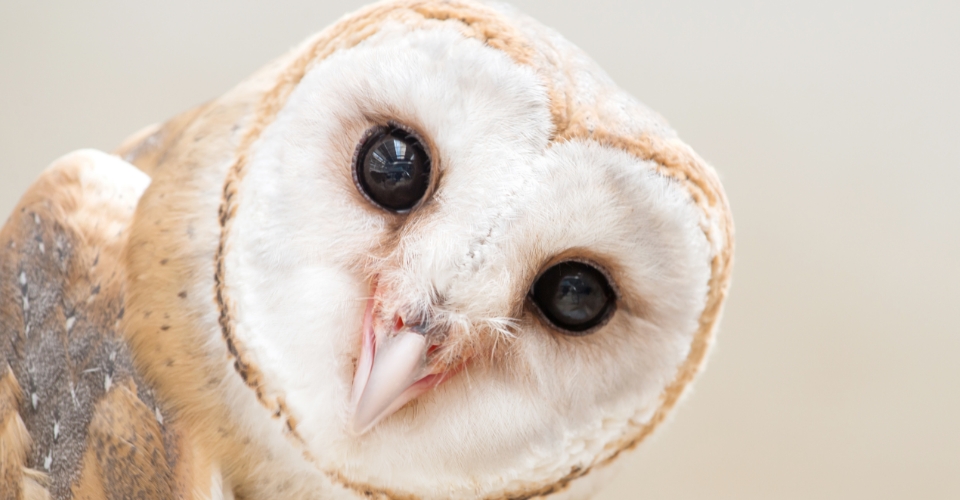
    Owls have a mystical reputation and they’re often linked to death in folklore. Many cultures believe seeing or hearing an owl means a major change or loss is coming. In other cultures owls symbolise wisdom and guidance.


    Do Crows and Ravens Mean Trouble Is Coming?

    Both crows and ravens have always been painted as villains in superstition. Seeing a single crow or raven is often thought to signal bad luck, misfortune or even death.

    However, seeing two or more crows together is actually considered good luck! So, if you spot a murder of crows (yes, that’s what a group of them is called, hence the whole villain thing), don’t panic, it might be a sign that fortune is on your side.


    Seeing a Robin Means a Loved One Is Watching Over You

    In many cultures, robins are believed to be messengers from the spirit world. If a robin appears near you, especially after you’ve lost someone, it could mean that a loved one is watching over you and sending comfort.

    So, next time you see a robin take a moment to appreciate the visit, it might just be a little feathered hug from above.


    Hearing a Bird Sing at Night Is a Bad Omen

    Birds are supposed to sleep at night, right? So, if you hear one chirping in the dark, it can feel a little eerie. According to superstition, it’s a sign of bad luck or an upcoming loss.

    On the flip side, some cultures believe a night-singing bird could mean a message is on its way. So, maybe their evening serenade is just trying to tell you something important.


    If a Bird Builds a Nest on Your House, It Brings Blessings

    Is there a bird’s nest on your house, balcony, or window ledge? Congrats! You’ve been hand-pecked for good fortune. Many cultures believe a bird nesting on your home means happiness, protection, and prosperity for the household.

    Just don’t disturb the nest. It’s said that removing it could reverse the good luck!


    Final Feathers of Thought

    Whether you believe in these bird superstitions or not, they do have a way of keeping life interesting.

    Do you want to keep your feathered pets safe? Visit dotsure.co.za for our Exotic Pet plans that cover birds!
  • UNDERSTANDING ASPERGILLOSIS IN BIRDS: A VET’S PERSPECTIVE

    UNDERSTANDING ASPERGILLOSIS IN BIRDS: A VET’S PERSPECTIVE

    Meet Dr. Kobus Grobler from Bergbos Animal Clinic in Rustenburg, here to answer questions about aspergillosis in birds, what it is, how to spot it early and how to protect your feathered friends from this potentially serious condition.


    What is Aspergillosis in Birds?

    ”Aspergillosis is caused by fungi of the genus Aspergillus, more often A fumigatus. The fungi occur in the environment and grow commonly in moist and warm conditions. Birds are especially prone to developing the disease. Infection occurs when spores are inhaled, and the bird’s immune system is compromised through concurrent disease or malnutrition. A seed-only diet is deficient in Vitamin A, predisposing the bird to respiratory infections. “

    What Are the First Signs and Symptoms of Aspergillus?

    “The fungus grows in the lungs and air sacs, causing chronic signs such as emaciation, difficulty breathing, and coughing.  It can also spread to the intestines and nervous system, causing diarrhoea and other nervous symptoms, but this happens infrequently. The diagnosis can be quite challenging, but radiographs can suggest the disease. The best way of diagnosing the disease is by endoscopy, where lesions in the trachea, lungs, and air sacs can be observed, and samples can be taken for either culture or histopathology. A preliminary diagnosis can also be made from direct smears from such lesions.”

    What Medication Is Used for Aspergillosis in Birds?

    “Anti-fungal drugs such as Itraconazole are used, but their efficacy is limited by the fact that the body forms granulomas around the lesions which block the penetration of the medication. The medication can also be instilled right into air sacs during endoscopic procedures.  Supportive care and improved nutrition are also important in managing sick birds.”

    How Can Bird Owners Prevent Aspergillosis?

    “The main preventative measures are ensuring the bird’s environment is dry and clean with good ventilation. Proper nutrition is paramount, especially vitamin A supplementation if deficient in the diet. Feed must be kept dry to prevent mould from growing on it.”

    Any Last Thoughts on ASpergillosis in Birds? 

    “Although Aspergillosis doesn’t occur very frequently, it can be devastating if it does. Diagnosis can be challenging, and treatment is not always effective. The antifungals can also be very pricey.  It is always better for birds to be seen to by vets who have experience with the disease and the necessary equipment for diagnosis, treatment, and aftercare.  As usual, prevention is better than cure!”


    More About Our Vet of The Month

    Tell us a little more about you and what you do.

    “I am originally from Pretoria, where I grew up, went to school and completed my Bachelor’s at Onderstepoort. I did a two-year stint in the Medical Corps in Bophuthatswana and then worked for six months in Kempton Park as a small animal vet. Since September 1990, I have been in mixed practice in Rustenburg, where we treat every non-human mammal imaginable. My favourite part of the job is small animal surgery, and if I had a choice, I would spend the whole day with some surgical instrument in my hands.”

    What inspired you to become a vet? 

    “I have often tried to answer that question, but ever since I can remember, that has been my dream, so I suppose it was a calling more than anything else. Working with vets like the late Dr Duncan Prinsloo just furthered my aspirations, and I must say, I have not regretted my decision.”

    Do you have any pets?

    I do not own any pets at the moment. Both my mutts died within a short time, and I am still trying to get over the loss.


    Pet Insurance and Aspergillosis

    At dotsure.co.za, we offer Exotic Pet plans that cover a wide range of avian health issues, including aspergillosis in birds, ensuring your feathered family members get the care they need. Visit dotsure.co.za and get a quote today.

    More from our expert vet community:

  • WHAT TO FEED A BABY BIRD IN AN EMERGENCY (AND WHAT TO AVOID)

    WHAT TO FEED A BABY BIRD IN AN EMERGENCY (AND WHAT TO AVOID)

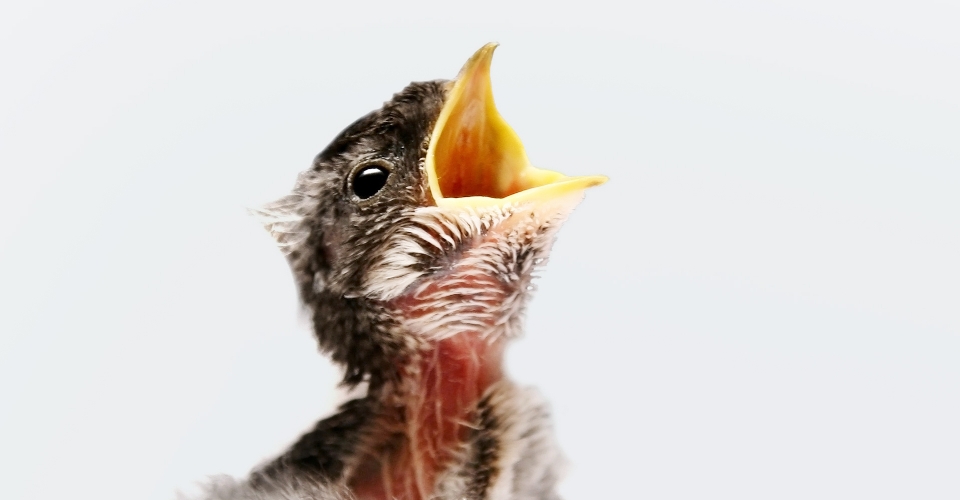
    So, you’ve found a baby bird on the ground chirping away for help, and just like that, you’re a new bird parent. But there’s just one problem. You have no idea what to feed your new feathered child. Before you start Googling recipes for worm smoothies, here’s what to feed a baby bird in an emergency and how to protect it, so you can give your new little friend the best shot at survival.


    What Homemade Food Can You Feed a Baby Bird in an Emergency?

    You can offer emergency food substitutes if you can’t get to a vet immediately. Depending on the bird species, you can try:

    • Soft dog or cat food soaked in warm water to a mushy consistency
    • Unseasoned scrambled eggs
    • Mashed-up insects or mealworms for insectivorous birds
    • Moistened plain baby cereal for grain-eating birds.

    Pro tip: Don’t force-feed. Gently touch the food to the edge of their beak and let them decide when to nibble.


    What Not to Feed Baby Birds

    Yes, it may be an emergency. Some foods can do more harm than good.

    • Milk: While milk sounds like the “nurturing” thing to feed them, baby birds can’t digest dairy.
    • Bread: It might fill their little bellies, but it offers zero nutrients. Instead, go for that moistened baby cereal we mentioned earlier on.
    • Raw meat: Too risky! It can introduce harmful bacteria and do more harm than good.
    • Rice: It’s hard to digest and can lead to bloating, which is not ideal for tiny tummies.
    • Fruit seeds: Some, like apple seeds, contain toxins. If you’re offering fruit, make sure you’ve cut the core out and removed the seeds.

    Avocado: Avo might be trendy for humans, but it is toxic to birds.


    How Often Should You Feed a Baby Bird?

    Feeding frequency will vary from every fifteen minutes to every two hours, depending on the species and age. If the bird looks weak or isn’t begging for food, get it to a professional ASAP!


    Can You Give a Baby Bird Water?

    Nope! Unlike adult birds, baby birds don’t drink water. They get all their hydration from their food. Dropping water directly into their beaks can cause choking or drowning.


    Our Final Chirp on Feeding Baby Birds

    Now that you know how to feed a baby bird, you’re better prepared to give a little life a fighting chance!

    If you already share your home with a pet bird, ensure they’re protected with dotsure.co.za pet insurance. It’s just one more way to be the best bird parent you can be!

    RELATED: SOUTH AFRICA’S MOST POPULAR PET BIRDS AND WHY WE LOVE THEM

  • DOES YOUR PET INSURANCE COVER SPAYING AND NEUTERING?

    DOES YOUR PET INSURANCE COVER SPAYING AND NEUTERING?

    Sterilising your pet is one of the best decisions you can make for their health, behaviour, and the general pet population. But, of course, it comes with a visit to the vet and a vet bill. So, we’re here to answer that burning question: Does pet insurance cover spaying and neutering?

    At dotsure.co.za, we offer flexible pet insurance plans and optional add-ons that can help cover sterilisation costs depending on your level of cover. Let’s break it down.


    What’s the Difference Between Spaying and Neutering?

    • Spaying is a surgical procedure for female animals which involves removing the ovaries and sometimes the uterus to prevent pregnancies.
    • Neutering is a surgical procedure for male animals which involves removing the testicles, reducing aggressive behaviours and making them sterile.

    While they are different procedures, spaying and neutering are collectively referred to as sterilisation.


    What Is the Difference Between Routine Care and Standard Cover?

    Standard Cover (Accident & Illness): Covers accidents, illnesses, surgeries, and vet visits, but not sterilisation. Some of our plans also cover hereditary conditions.

    Wellness Benefit (Routine Care): Depending on your selected plan, this is an added benefit to standard cover, which covers preventative treatments such as vaccinations, spaying and neutering.

    RELATED: HEREDITARY CONDITIONS: IS YOUR PET COVERED?


    How Much Does It Cost to Sterilise a Pet in South Africa?

    Sterilisation costs depend on your pet’s size, breed and the vet clinic you choose to visit, but here’s a rough estimate:

    Cats: R500 – R2 000
    Small Dogs: R750 – R2,500
    Medium to Large Dogs: R2 500 – R5 000

    Please note: This is just a rough estimate and not the actual costs. Consult your vet for a more detailed cost estimate.


    Are There Pet Insurance Plans That Cover Sterilisation?

    Yes! At dotsure.co.za, if your plan includes Wellness Benefits, you’ll be covered for sterilisation up to a specified amount.


    Can You Add Spaying and Neutering to Your Pet Insurance Plan?

    Yebo! With dotsure.co.za, if your plan supports the Wellness Benefit, you can add this extension to your plan.

    This not only helps with spaying and neutering costs but also covers:

    • Vaccinations
    • Deworming
    • Tick & flea treatments
    • Dental cleanings
    • And more.

    Do you need to add our Wellness Benefit to your policy? Contact us today or simply visit the 24/7 online Manage Portal.


    Get the Right Pet Insurance for Your Pet’s Needs

    Looking for pet insurance that covers more than just the basics? At dotsure.co.za, we offer customisable plans so you can choose what works for you. Visit dotsure.co.za to get a quote.

    Do you have more questions other than whether pet insurance covers spaying or neutering? Check our FAQS here: PET INSURANCE MADE SIMPLE: YOUR TOP QUESTIONS ANSWERED.

  • UNDERSTANDING PET INSURANCE WAITING PERIODS

    UNDERSTANDING PET INSURANCE WAITING PERIODS


    We all know the saying, “Good things come to those who wait”. Well, when it comes to pet insurance, it’s no different. Let’s break down what a pet insurance waiting period is, why they exist, and why they’re worth the wait.

    RELATED: WAITING PERIODS EXPLAINED


    What Is a Waiting Period for Pet Insurance?

    Also known as the qualifying period, it is the time between when you sign up or upgrade your pet insurance and when certain cover types become active. In other words, it’s a short pause before you can claim for specific conditions. This prevents people from taking out insurance only after their pet is sick or injured.

    RELATED: THINGS PET INSURANCE DOESN’T COVER


    Why Does Pet Insurance Have Need Them?

    They help keep pet insurance fair and affordable for every paw-rent and their pets. Without them, people could try to dupe the system, leading to higher premiums for all pet parents.


    How Long Are Waiting Periods for Pet Insurance?

    Here’s a more detailed breakdown of our pet insurance waiting periods:

    • Accidental Claims: No waiting period.
    • Illness Claims: 30-day waiting period.
    • Wellness Claims: 60-day waiting period.
    • Hereditary Conditions: 12-month waiting period.


    What Happens If Your Pet Gets Sick During the Waiting Period?

    For example, if your pet develops an illness during the 30-day qualifying period, your policy won’t cover it. That’s why it’s best to sign up as soon as you become a pet parent, so you can cover your pet when it matters most. We cover accidental injuries from day one, so your pet gets immediate protection.


    Get Covered Today with SA’s #1 Pet Insurance*

    Pet insurance waiting periods might seem like a hassle, but they help keep pet insurance fair and affordable. The bottom line? Don’t wait for an emergency. Get your pet covered today with dotsure.co.za!

    *Voted South Africa’s Best Pet Insurance 2023/2024 by readers of various media publications.

  • THE TOP 5 CAT BREEDS IN SA

    THE TOP 5 CAT BREEDS IN SA


    Cats, cats, cats; we love them all! But who are the top cat breeds in South Africa? With so many feline friends to choose from, here’s a look at some of Mzansi’s most loved kitties.

    American Shorthair

    Low-maintenance and family-friendly, American Shorthairs are the ultimate lap cats. Known for their even temper and adaptability, they are purr-fect for first-time cat owners.

    Bengal

    Bengals’ gorgeous spots and endless energy make them a stunning addition to any family who enjoys activity. They’re highly playful and intelligent, needing plenty of stimulation and interactive toys to stay happy.

    Bombay

    Bombays have a sleek black coat, copper eyes and a love for staying home. These affectionate cats thrive in calm households where they can stay close to their humans. They are also very sociable with their owners and almost anyone who crosses their path (no bad luck here).

    RELATED: 7 REASONS TO LOVE BLACK CATS

    Maine Coon

    The gentle giant: Sweet, smart and great with families. Their long fur needs regular grooming to prevent matting, and they love climbing structures. Despite their size, they are known for being gentle, friendly, and sociable.

    RELATED: CAT LOVERS: KEEN TO ADOPT A MAINE COON CAT?

    Ragdoll

    Soft and silky, Ragdolls are known to be incredibly gentle and love a cuddle. Their relaxed and easy-going nature makes them perfect for a calm household looking for affection. While Ragdolls are not hypoallergenic, they are among the best cat for allergies thanks to low shedding coats with no undercoat.

    RELATED: VET ADVICE: TOP TIPS TO BEAT THE SNIFFS

    Bonus – Domestic Short Hair

    The domestic shorthair cat is probably the most common cat in South Africa! They’re a mixed breed known for their short, sleek coats in various colours. Their personalities also range from friendly and playful, to curious and sociable, to calm or lazy.

    Cover SA’s Top Cats with Pet Insurance

    Come one, come all! No matter what breed, we have the cover to match! Fetch your quote today and enjoy all the protection from SA’s #1 Insurer!

    *Voted South Africa’s Best Pet Insurance 2023/2024 by The Star, Die Burger, Beeld, and City Press.

  • TERRIERS UNLEASHED! EVERYTHING YOU NEED TO KNOW ABOUT THIS FIESTY BREED

    TERRIERS UNLEASHED! EVERYTHING YOU NEED TO KNOW ABOUT THIS FIESTY BREED


    How to Care for Terriers:

    Terriers may be small; but their personalities are HUGE! Known for their boundless energy and bold nature, these feisty animals were initially bred for hunting and pest control.

    History and Characteristics

    Terriers originated in the UK and were bred to hunt small vermin. Their name comes from the Latin word “terra”, meaning earth, a nod to their ground-digging skills. Their instincts and fearlessness made them ideal for farm work and pest control.

    This means you can’t be too precious about your flower beds if you have a terrier running around your garden. They were born to dig!?

    Popular Types of Terriers:

    Terriers come in various sizes and coat types, but they all share a tenacious spirit and a love for activity.

    • Jack Russell Terrier: Energetic and adventurous, great for active families.
    • Scottish Terrier: Independent and intelligent, known for their iconic beard and eyebrows.
    • Yorkshire Terrier: Small but sassy, often seen as a lapdog with a feisty heart.
    • Bull Terrier: Distinctive egg-shaped head and playful nature.

    Care Guide:

    • Health: Terriers are generally healthy but can be prone to breed-specific issues such as hip dysplasia, patellar luxation and skin allergies. Regular vet visits and pet insurance from dotsure.co.za can help manage these health risks.
    • Grooming: Grooming needs vary by coat type. Wirehaired terriers require much more maintenance than smooth-coated breeds.
    • Exercise: Netflix and chill? BORING! These busybodies need daily walks, playtime and mental stimulation. Interactive toys, scent games and agility obstacle courses can keep them happy and prevent heavy sighs.
    • Training: Smart but stubborn, terriers respond best to positive reinforcement and rewards. Early socialisation is essential to prevent territorial behaviour. As with all dog training, patience and consistency work best.
    • Nutrition: A balanced diet suited to their size and energy level is key. Avoid the extra treat under the table, as some terrier breeds are prone to weight gain.

    Living With a Terrier

    Terriers are known for their bold personalities and endless curiosity. If you have an active household, any of these terrier breeds will thrive in your home.

    Plus, you know what they say… Dynamite comes in small terriers? Something like that. Just be prepared for digging, barking and a whole lot of personality. ?

    Psst! If you own a terrier and want to give it the best care, choose dotsure.co.za. Fetch a quote online today and give your feisty friend the protection it deserves.

  • HOW TO CHOOSE THE PERFECT PET FOR YOUR FAMILY

    HOW TO CHOOSE THE PERFECT PET FOR YOUR FAMILY


    Are you thinking about adding a new member to the family? With so many pets, from bunnies and snakes to cats and dogs, when it comes to know how to choose the perfect pet which best suits you and your family can feel overwhelming.

    There’s no need to sweat your paws, though! Here’s how to pick the purr-fect match.

    5 Factors to Consider When Choosing a Pet:

    1. Can You Afford a Pet?

    Food, vet bills, grooming and accessories; the costs add up! Plus, when budgeting, you must consider medication, emergency care or unexpected vet visits! We recommend factoring in pet insurance from dotsure.co.za, which will help protect your pet and your pocket. Check out our different plan options here.

    2. How Much Space Will They Need?

    If you’re considering a dog, do you have a big enough garden for them to run around in? And if it’s a cat you’re wanting to welcome home, do you have windows you can leave open for them to roam? Smaller pets such as hamsters need compact living spaces, while larger reptiles require a habitat that’s the right size, in a location with a stable temperature and away from direct sunlight.

    Basically, a Great Dane and a small flat with no garden don’t pair well. Consider your space and then choose the pet that best suits it. If your heart is still set on a big dog, then we suggest spending some time on Property24 first ?.

    3. Time Commitment

    No matter what breed or species of animal you decide on, they all need your love and attention! Are you ready for daily walks, regular playtime or litter box duty? Some pets, especially young puppies, parrots or exotic reptiles, need more interaction than others. Consider low-maintenance pets such as cats or guinea pigs if your to-do list already bursts off the page!

    4. Lifestyle Fit

    Are you an active family? Consider a playful pup such as a Border Collie. Do you prefer afternoon naps in the sun? A cat or bunny could be ideal. Choose a pet that fits in with your lifestyle rather than trying to fit in with theirs.

    5. Allergies Alert

    Pets with fur or feathers are more likely to trigger allergies than scaly animals, such as reptiles and amphibians. If you’re always one sniff away from a sneeze attack, do some research on breeds that are less likely to set off your allergies.

    Choose the Perfect Pet Insurance

    No matter what pet you choose, there’s one choice that is a no-brainer: covering your new pet with dotsure.co.za, SA’s best pet insurer*. With plans for cats, dogs, birds, reptiles, bunnies and more, whichever pet you choose, we’ve got the care to match.

    *Voted South Africa’s Best Pet Insurance 2023/2024 by The Star, Die Burger, Beeld, and City Press.

  • HOW TO CARE FOR YOUR PET: TIPS AND TRICKS WITH DOTSURE.CO.ZA

    HOW TO CARE FOR YOUR PET: TIPS AND TRICKS WITH DOTSURE.CO.ZA


    Being a pet parent is like having a full-time job! That’s why, whether you’ve just adopted a new family member or want to ensure you’re doing the best you can for your current furry friend, you need a game plan on how to care for your pet.

    The first step is to ensure you know everything about your animal. If you’re a new pet owner, we suggest starting by consulting your vet and doing some research online.

    After that many things can help you care for your pet. Here’s how to provide them with a happy, healthy life filled with all the love and cuddles they need!

    How to Take Care of Your Pet

    Nutrition Matters

    Feed your pet a balanced diet suited to their breed, size and age. From their pet food to their treats, check with your vet for specific diet recommendations based on your pet’s needs.

    Psst! We have a few breed-specific care guides; here are some you might enjoy:

    Hydration

    Always ensure fresh water is available at home and take some with you, along with a collapsable bowl, when you go on an adventure together! Hydration is essential for pets’ digestion, temperature regulation and overall health.

    Top tip: Cats can be fussy about water, so consider a pet fountain to encourage some water intake!

    Exercise and Play

    Regular walks, playtime and mental stimulation keep your pet happy and healthy. For extra enrichment, try puzzle toys, fetch or training games. There are also some fun tablet games for cats and dogs. Check out the AppStore or Google Play for some stimulating games that will also keep them busy and out of trouble ?.

    Vet Visits

    Routine check-ups identify potential health issues early. Keep vaccinations up-to-date, schedule dental cleanings and ensure preventative care such as tick and flea treatments.

    It is also important to spay or neuter your pet, as well as to get them microchipped!

    RELATED: VET ADVICE: WHY YOUR PET SHOULD BE MICROCHIPPED

    Bonding Time

    Quality bonding time strengthens your relationship with your pet. Make time for activities you both enjoy, and yes, cuddling is an activity,

    Training sessions can also be a great way to spend time together and to ensure that you and your pet understand each other.

    The Ultimate Care? Pet Insurance

    The best way to care for your pet is to make sure they’re protected with SA’s best pet insurer, dotsure.co.za!

    Don’t wait, get a quote today and give your pet the care they deserve.

    *Voted South Africa’s Best Pet Insurance 2023/2024 by The Star, Die Burger, Beeld, and City Press.

  • YOUR 2025 PET CALENDAR

    YOUR 2025 PET CALENDAR


    2025 Pet Holidays & Observances List for Animal Lovers

    If you’ve ever wanted a reason to throw a party for your pooch, post a selfie with your sassy cat, or spend a day spoiling your scaly, feathered or furry family member, you’re in luck! We’ve curated the ultimate 2025 Pet Calendar to ensure you never miss a whisker-worthy or tail-wagging celebration.

    PS: While marking these special dates, don’t forget to keep your pets covered with wholehearted Pet Insurance from dotsure.co.za!

    January

    Thyroid Awareness Month, National Train Your Dog Month, and Walk Your Pet Month set the tone for a healthy new year.

    • Month-long Observances:
      • Thyroid Awareness Month
      • Adopt a Rescued Bird Month
      • One Health Awareness Month
      • National Train Your Dog Month
      • Walk Your Pet Month
    • Important Dates:
      • 14 January: National Dress Up Your Pet Day
      • 24 January: Change a Pet’s Life Day

    February

    It’s all about dental health and responsible pet ownership this month.

    • Month-long Observances:
      • Pet Dental Health Month
      • Adopt a Rescued Rabbit Month
      • Responsible Pet Owners Month
    • Important Dates:
      • 20 February: Love Your Pet Day
      • 23 February: Dog Biscuit Appreciation Day

    March

    Pet Poison Prevention Month is the perfect time to make your home pet safe.

    • Month-long Observances:
      • Pet Poison Prevention Month
    • Dates:
      • 13 March: K9 Veterans Day
      • 17 March: St. Patrick’s Day
      • 23 March: National Puppy Day
      • 30 March: Take a Walk in the Park Day

    April

    Celebrate National Pet Day (11 Apr) and bring attention to World Veterinary Day (26 Apr)!

    • Month-long Observances:
      • National Pet First Aid Awareness Month
      • Heartworm Awareness Month
      • Prevention of Cruelty to Animals Month
      • Prevention of Lyme Disease in Dogs Month
    • Dates:
      • 11 April: National Pet Day
      • 17–23 April: National Pet ID Week
      • 24 April: International Guide Dog Day
      • 26 April: World Veterinary Day
      • 30 April: Adopt a Shelter Pet Day

    May

    From arthritis to asthma and allergies, this month reminds us to care for our pets.

    • Month-long Observances:
      • Arthritis Awareness Month
      • Asthma and Allergy Awareness Month
      • Service Dog Eye Examination Month
    • Dates:
      • 1–7 May: Be Kind to Animals Week
      • 3 May: Specially-Abled Pets Day
      • 4 May: Mayday for Mutts (First Sunday)
      • 11 May: Animal Disaster Preparedness Day
      • 13 May: Migratory Bird Day
      • 23 May: World Turtle Day

    June

    National Foster a Pet Month is a great chance to give animals a loving temporary home.

    • Month-long Observances:
      • National Foster a Pet Month
      • Adopt a Cat Month
      • National Microchipping Month
    • Dates:
      • 4 June: Hug Your Cat Day
      • 11 June: World Pet Memorial Day
      • 21 June: Take Your Dog to Work Day

    July

    We’re all for helping the shelters and adopting pets in July and all year round!

    • Month-long Observances:
      • Clear the Shelters Month
    • Dates:
      • 6 July: World Zoonoses Day (Raise awareness of diseases transmitted between humans and animals)
      • 10 July: Kitten Day
      • 18 July: Nelson Mandela Day (Dedicate your 67 minutes to help pets in need!)

    August

    Let the celebrations begin; it’s dotsure.co.za’s birthday month!

    • Month-long Observances:
      • Itchy Pet Awareness Month
      • National Immunization Month
    • Dates:
      • 8 August: International Cat Day
      • 14 August: World Lizard Day
      • 15 August: Check the Chip Day (Promote microchipping pets)
      • 16 August: dotsure.co.za’s Birthday!
      • 22 August: Take Your Cat to the Vet Day
      • 26 August: International Dog Day

    September

    September is Pet Insurance Awareness Month; it’s time to cover your furry friends!

    • Month-long Observances:
      • Rabies Awareness Month
      • Pet Insurance Awareness Month
      • Responsible Dog Ownership Month
      • Animal Pain Awareness Month
    • Dates:
      • 12–18 September: Adopt-a-Less-Adoptable-Pet Week (3rd week)
      • 22–28 September: Deaf Dog Awareness Week
      • 28 September: World Rabies Day

    October

    Get your walking shoes ready for a week of adventures; it’s also excellent for your mental health.

    PS: Don’t forget to say hi if a black cat crosses your path because it’s Black Cat Awareness Month!

    • Month-long Observances:
      • Black Cat Awareness Month
      • Mental Health Awareness Month
    • Dates:
      • 1–7 October: Walk Your Dog Week
      • 4 October: World Animal Day
      • 9 October: National Pet Obesity Awareness Day
      • 13 October: Vet Tech Week
      • 31 October: Halloween

    November

    Our senior pets deserve all the love and cuddles!

    • Month-long Observances:
      • Adopt a Senior Pet Month
      • Pet Cancer Awareness Month
      • Senior Pet Health Month
    • Dates:
      • 3–9 November: National Animal Shelter Appreciation Week
      • 17 November: Take a Hike Day (With pets!)
      • 18–24 November: Antibiotics Awareness Week

    December

    Happy Howlidays! Enjoy the festive season with your pets.

    • Month-long Observances:
      • National Cat Lovers’ Month
    • Dates:
      • 9 December: International Day of Veterinary Medicine
      • 15 December: Cat Herders’ Day
      • 25 December: Christmas Day

    Mark Your 2025 Pet Calendar Dates!

    Ready to keep track of every pet holiday in 2025? Mark these important dates on your phone, diary or desk calendar and make it a year to remember with your fur babies!

    And for everything else, there’s dotsure.co.za; South Africa’s #1 choice in Pet Insurance!*


    *Voted South Africa’s Best Pet Insurance 2023/2024 by The Star, Die Burger, Beeld and City Press.

  • DOTSURE.CO.ZA AND AACL JOIN FORCES FOR ANIMALS IN NEED

    DOTSURE.CO.ZA AND AACL JOIN FORCES FOR ANIMALS IN NEED


    At dotsure.co.za, our purpose is simple: providing our world with Soft Landings. Whether it’s our people, policyholders or our communities, Soft Landings embodies the gentle care, understanding and good outcomes we strive to deliver daily. We’ve partnered with the Animal Anti-Cruelty League (AACL) to support their big-hearted welfare vets. These incredible professionals dedicate their lives to caring for animals in need and we’re proud to stand beside them in their mission!

    Supporting Big-hearted Vets Who Care for Our Pets

    Last year, we donated over R150 000 to the AACL!

    AACL welfare vets are the unsung heroes of the animal world. They pour their hearts and souls into their work, going above and beyond for pets and pet parents to provide veterinary care. Their job is not for the faint of heart.

    And, at dotsure.co.za, we know that being big-hearted isn’t always easy, which is why we’ve been striving to provide financial support to make their care possible. Last year, we donated R150 000 to support their vital work so that these big-hearted vets can continue making a difference in the lives of our pets!

    Did you know? When you buy a pet insurance policy online, you’re contributing directly to their efforts! Every policy purchased helps ensure these big-hearted vets have the resources they need to keep on saving lives.

    How You Can Help?

    You don’t need a stethoscope to make a difference. Here’s how you can join us to support AACL and their big-hearted vets:

    • Donate: Every rand helps to provide critical care to animals in need.
    • Adopt: Give a rescue pet the loving home they’ve been waiting for.
    • Share: Spread the word about the incredible work being done by the AACL.

    Watch the Big-hearted Vets in Action!

    Do you want to see the magic of Soft Landings in motion? Check out our latest TV ad about our big-hearted Vets and how we support them here.

    Together We Can Make a Difference

    We’re committed to doing good, thinking good and being good. With your help, we can provide even more Soft Landings to the pets and vets who need them most.

    Let’s continue to uplift the big-hearted vets of the AACL and create a world where every wagging tail and purr-fect paw gets the happy ending it deserves.