Tag: pet care

  • 14 GIFTS FOR YOUR PET

    14 GIFTS FOR YOUR PET


    We’re celebrating 14 wonderful years of protecting South Africa’s pets with wholehearted pet insurance! And what better way to mark the occasion than with gift ideas to spoil your favourite family members?

    These proudly South African brands are all about wag-worthy treats and tail-thumping happiness.


    For Pets Deserving of Royal Treatment

    With stores nationwide and a well-stocked online store, The Queen Pet Shop offers everything from premium food and grooming gear to fun toys and stylish accessories. It’s a convenient go-to for everyday essentials, offering options for all kinds of pets!


    Luxury Pet Accessories

    Spoil your pup or kitty with the ultimate in local luxury. Kingsley & Gray Pet Boutique creates handcrafted collars, leashes, beds, and accessories made to order using eco-friendly materials. Each piece is elegant, functional, and bursting with style.


    Healthy Bunny Treats

    De Lange Bunnies caters specifically to rabbit lovers with pesticide-free oat hay, custom-blended pellets, and chew-safe toys made from untreated apple wood. It’s wholesome, locally sourced goodness for your bun’s belly and teeth.


    Tasty & Functional Dog Treats

    Bored of bland biscuits? Dog Lick delivers nutrient-rich, dog-friendly peanut butter to use on their lick mats. Packed with collagen, this snack helps with joint care and skin health.


    Stylish & Comfortable Pet Bedding

    For the pets who love lounging in style, Scruffs offers premium pet beds and accessories that combine softness, durability, and aesthetic appeal. Their beds come in various sizes and styles to suit every breed and space.


    Handmade Dog Accessories

    Based in Cape Town, Chommies designs vibrant dog accessories that are as joyful as your dog’s personality. Their colourful, handwoven leashes, collars, and toys are made with love and creativity.


    Holistic Pet Food & Nutrition

    Locally made and scientifically formulated, Vondi’s offers preservative-free pet meals packed with real meat, organic veggies, olive oil, and herbs. Their focus on holistic pet wellness helps support digestion, skin, energy, and dental health.


    Adventure Gear for Dogs

    If your dog’s a trail-blazer, South Hound is your brand. Born from exploring South Africa’s great outdoors, their harnesses and gear are built for hiking, swimming, and all kinds of canine adventures.


    Online Convenience & Variety

    Pet Heaven stocks over 6,000 pet products online, from toys and food to flea treatments and beds. They deliver straight to your door and make it easy to support pet shelters through optional donations.


    Hypoallergenic Pet Treats

    Made with human-grade, hypoallergenic ingredients, Mimi & Munch treats are perfect for pets with sensitivities. These wheat-free, preservative-free snacks come in fun shapes and can even be customised for birthdays and gotcha days.


    Vet-Backed Pet Products

    ePETstore  is an online hub trusted by South African vets. With expert advice and a wide selection of pet products, this is your one-click shop for nutrition, grooming, toys, and everything in between.


    Community-Focused Pet Supplies

    This friendly, family-run business offers a broad range of pet supplies, toys, and food options. Pet, Pool & Home is a community gem for pet parents looking for personal service and affordable local options.


    Eco-Friendly Pet Accessories

    Looking for locally made, planet-friendly pet products? Pawsh & Co handcrafts stylish collars, bandanas, and pet wear using safe, eco-conscious materials. Bonus: You can customise their pieces to suit your style!


    The Gift of Pet Insurance

    There’s no better gift than the peace of mind that comes with dotsure.co.za pet insurance. Our flexible plans cover everything from unexpected emergencies to routine care, so you can focus on cuddles and playtime instead of costly vet bills.

    Need help choosing the right plan? Contact us; we’re here to help you and your fur-family live your best lives.
  • DOES YOUR PET INSURANCE COVER VACCINATIONS? LET’S BREAK IT DOWN

    DOES YOUR PET INSURANCE COVER VACCINATIONS? LET’S BREAK IT DOWN

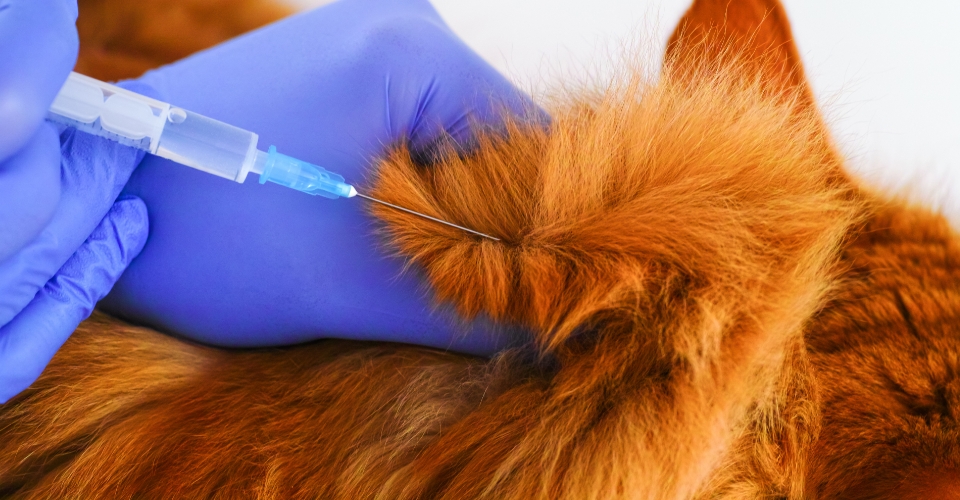
    Your furry bestie deserves the best care, including those all-important vaccinations. But here’s the big question: Does pet insurance cover vaccinations, or will you need to budget separately for them? As SA’s #1 pet insurance*, we’ve got all the answers (and the plans) for you.


    Are Vaccinations Covered by Pet Insurance?

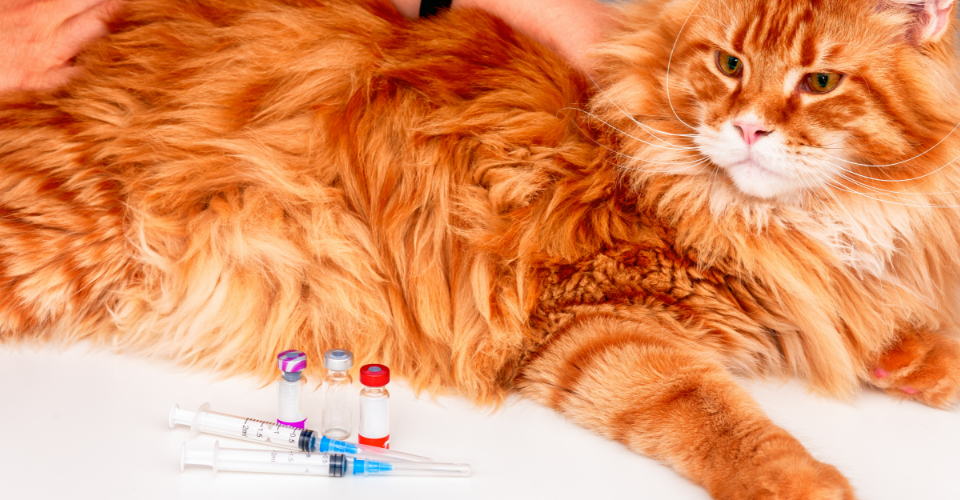
    Standard pet insurance usually covers unexpected illnesses and accidents; routine care such as vaccination isn’t always included. However, some plans (like some of the dotsure.co.za plans) allow you add wellness benefits that help cover these essential vet visits.

    Are you already part of the dotsure.co.za pet fam? Visit the Manage Portal online or contact us and add the Wellness Benefit today.

    RELATED: DOES YOUR PET INSURANCE COVER SPAYING AND NEUTERING?


    What Is the Cost of Pet Vaccinations in South Africa?

    Keeping your pet’s vaccines up to date is crucial, but what’s the price tag?

    Puppy and Kitten First-Year Vaccines

    Young pets need multiple vaccinations in their first year to protect them against deadly diseases such as parvo and rabies. The cost? Around R500 – R1 000 per shot, with multiple rounds needed.

    Annual Boosters

    After their first year, dogs and cats need yearly booster shots to stay protected. These costs are between R400 and R800 per visit.

    RELATED: CANINE PARVOVIRUS: SYMPTOMS, TREATMENT AND PREVENTION


    Do We Cover Vaccinations?

    Yes, with the right plan or extension! While vaccinations aren’t covered under standard accident and illness plans, our Wellness Benefit options helps with routine care costs. Here’s how they work:

    • Included in our Ultimate Plan
    • Available as an add-on for Elite, Vital and Deluxe Plans

    Helps cover the costs of vaccinations, deworming, tick and flea prevention, and more!


    Is Pet Insurance Worth It for Vaccinations Alone?

    Pet insurance is primarily designed for unexpected vet bills, but with the Wellness Benefit, you can get help with preventative care such as vaccines. That means less stress for you and better protection for your pet, which is a win-win!


    Ready to Protect Your Pet? Get a Quote Today!

    Keeping your pet happy and healthy is easier (and more affordable) with dotsure.co.za. Whether you need cover for surprise vet visits or routine care such as vaccinations, we have a plan for you!

    Get a quote today at dotsure.co.za.

    *Voted South Africa’s Best Pet Insurance 2023/2024 by readers of various media publications.

  • COMPASSION FATIGUE: A VET’S PERSPECTIVE

    COMPASSION FATIGUE: A VET’S PERSPECTIVE


    Dr Saadiya Mangera is a small animal vet at (and owner of) Brighton Beach Veterinary Clinic in Durban. Admitting business isn’t her forte, Saadiya’s true passion is working with beloved pets.


    Understanding Compassion Fatigue

    For those who may not know, what is compassion fatigue?

    “It’s a combination of physical and psychological exhaustion that can result from caring for others and feeling empathy for their pain. Veterinary Science is unique in that we care for our patients, but we also have to consider the emotions of the pet parents.”


    What are the main signs of compassion fatigue?

    “It can be seen in physical and emotional effects, which includes feeling overwhelmed, helpless, detached, or exhausted.”


    How does compassion fatigue affect a vet’s own well-being while caring for their patients?

    “The close relationships we have with our patients are unique in that we often care for our patients from 6 weeks of age. We nurse and heal them during their lifespan, and we’re then required to help them on their final journey. It can be emotionally draining. Unfortunately, many vets have insufficient resources to cope.”


    Have you ever experienced compassion fatigue or seen a colleague go through it? How did you or they manage it?

    “Yes, I have. I’ve been a vet for over 24 years. I love my job and can’t see myself doing anything else, but it’s exhausting to deal with so many emotions. We try to keep our work environment as fun-filled and relaxed as possible. Every staff member is so supportive of each other. They’re quick to give me a hug if I’m having an emotionally draining day!”


    Do you recommend any resources, tools, or coping strategies to vets experiencing compassion fatigue?

    “Have a really, really, good support network! Check out NOMV – it’s a website that was started due to the high suicide rates in our profession.”


    What can pet parents do to support their vet teams better?

    “We all became vets because of our love for animals, but we also have to make a living from our jobs. Just be kind!”


    Learn More About Our Vet of the Month

    Dr Saadiya owns Brighton Beach Veterinary Clinic in Durban, where she’s been caring for pets since 2010. With over 20 years of experience, including nine years in the UK, she’s passionate about educating pet parents and promoting vaccination, especially against rabies. A proud wife and mom of three, she credits her family and faith for supporting her journey as a veterinarian and animal advocate.


    What inspired you to become a vet, and what do you love most about the profession?

    “I became a vet due to my love for all things feline. This started when I was a young girl and came across a litter of unwanted kittens. At the time, I wasn’t allowed to take all of them home, but I made up for it by always having cats as pets. I love dogs as well and have a special interest in canine behaviour. At Brighton Beach Vet Clinic, we try very hard to practice fear-free veterinary care. All of our patients are treated with special attention to ensure a calm experience.”


    Do you have any pets at home? 

    “I have 4 cats. They’re all female and their names are Nutmeg, Cinnamon, Sugar, and Pepper. Nutmeg and Cinnamon are siblings and come from Zululand. They both have heart problems but are very healthy and happy. Sugar has Feline Leukaemia, and I took her in knowing that she has this disease. She’s generally healthy, albeit a bit overweight. Pepper was abandoned as a 7-week-old kitten, but we’ve nurtured her and she’s about a year old now.”


    Any final words of advice for vets or pet parents about the importance of mental health?

    “Veterinarians have the highest rate of suicide in the medical field. As a result, there is a growing trend that vets, once qualified, are leaving the profession to pursue careers where there is no public interface; or leaving South Africa to pursue the profession where we’re appreciated more. There is a growing belief that vets are expensive and overpriced, which isn’t true. We’re doing what we’ve been trained to do. We’re both doctors and surgeons. We also play the role of dentist, ophthalmologist, dietician, and even behaviourist/psychologist. Please be kind and compassionate.”


  • WHY SOME DOGS CAN’T STOP LICKING

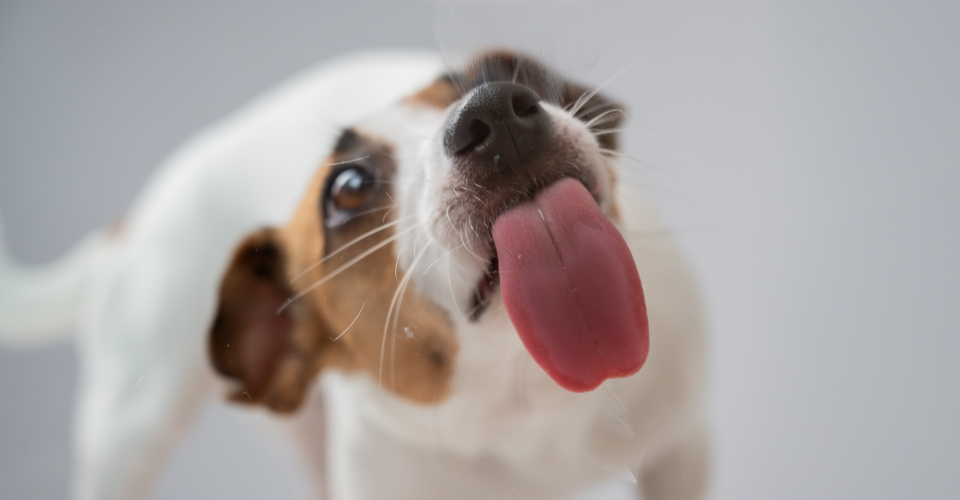
    WHY SOME DOGS CAN’T STOP LICKING


    Dogs are known for licking, as it’s a natural behaviour that helps them explore their environment and express themselves. But when licking becomes excessive, it can signal underlying issues that might need your attention.


    Causes of Excessive Licking

    Behavioural Reasons

    • Boredom or Anxiety: Licking can be a way for dogs to self-soothe, as it releases relaxing hormones like dopamine. Look for triggers such as being left alone (separation anxiety) or a lack of mental stimulation.
    • Affection or Attention-Seeking: Dogs may lick their owners or other pets as a sign of affection, mimicking the nurturing licks they received as puppies. Sometimes, it’s simply a way to say hello or grab your attention.
    • Habit or Comfort: For some dogs licking becomes a habit, much like humans biting their nails or twirling their hair.
    • Taste or Hunger: Dogs might lick their lips because they’re hungry, or they might lick you because they enjoy the salty taste of your skin.

    Medical Reasons

    • Allergies: Skin allergies triggered by pollen, food, or fleas can cause intense itching, leading to excessive licking.
    • Infections: Bacterial, fungal, or parasitic infections can irritate the skin. Fleas, ticks, or hot spots (infected skin areas) are common culprits.
    • Pain or Discomfort: Dogs might lick a specific area, like a joint to soothe pain caused by arthritis or injury.
    • Gastrointestinal Issues: An upset stomach can prompt dogs to lick unusual surfaces, the air, or their abdomen. Research suggests that up to 60% of dogs with excessive licking behaviours may have a GI disorder.
    • Neurological or Cognitive Issues: Neurological conditions or age-related cognitive dysfunction can lead to compulsive licking.
    • Dental Problems: Oral pain, lesions, or dental disease might lead to increased licking often accompanied by bad breath.


    How to Help a Dog That Licks Excessively

    For Medical Causes:

    • Treat Allergies: Work with your vet to identify allergens and manage symptoms with medications or dietary changes.
    • Address Skin Conditions: Use flea and tick prevention and treat infections promptly.
    • Manage Pain: Joint supplements, arthritis medication, or prescribed pain relievers can help reduce discomfort.
    • Treat GI Issues: Diet adjustments or medication may alleviate gastrointestinal distress.

    For Behavioural Causes:

    • Mental and Physical Stimulation: Engage your dog with toys, games, and regular exercise to combat boredom.
    • Redirect Attention: Use commands like “leave it” and reward your dog when they stop licking.
    • Avoid Reinforcement: Ignore your dog when they lick excessively for attention to help break the habit.
    • Calming Environments: If anxiety is the root cause consider calming aids like vests or pheromone diffusers.
    • Seek Professional Help: A dog trainer could help address compulsive behaviours.


    When to See the Vet

    While occasional licking is harmless, excessive licking often results in negative side effects, such as:

    • Hair loss or bald patches.
    • Skin redness, irritation, or discharge.
    • Disrupted sleep due to constant grooming.
    • Whimpering or discomfort while licking.
    • Neglect of normal activities like playing.

    If you notice these signs, your dog may be dealing with more than just a quirky habit. Early intervention can prevent further complications and help your pup feel better sooner.

  • VET ADVICE: FESTIVE SEASON SAFETY

    VET ADVICE: FESTIVE SEASON SAFETY


    Meet Dr Marcus C. Lessing, here to answer our questions about keeping pets safe during the festive season!


    Which Holiday Foods Are Toxic or Harmful to Pets?

    “During the festive period and holiday celebrations, we indulge in quite a few foods that pose a risk if ingested by our pets. Some common examples include chocolate (dark chocolate posing the biggest risk), grapes (including raisins), xylitol (mostly found in sugar-free gum, some baked goods and candy), onions, garlic, left-over bones, as well as high fat foods such as roast lamb. Some nuts (including macadamias), and avocados could also be toxic. Alcoholic drinks and coffee could also be harmful to our furry friends if ingested.”


    Which Decorations Can Pose a Danger to Pets?

    “Any decorations made of plastic, decorations with strings or glitter, or any electrical items could potentially be harmful to pets. Any decorations or ornaments made from glass could pose a risk if broken. Candles could also be a risk if pets can access them in any way.”


    Any Advice for Pet Parents Travelling with Their Pets?

    “It’s always a good idea to have your pets checked by a veterinarian prior to any planned trips, to ensure that they are healthy and that vaccinations are up to date. Proper transport crates are essential, especially when travelling with cats. Depending on the distance travelled, one should try and stop frequently, allowing for bathroom breaks, stretching legs, as well as refreshments. When travelling with very nervous or anxious pets, calming medications prescribed by a registered veterinarian could make the trip run a lot smoother. Pet insurance is also an important consideration, to ensure that necessary care can be provided in case of emergencies.”


    How Can Pet Parents Help Pets Adjust to a Busy Home During the Holidays?

    “Pets can sometimes struggle with a lot of activity and new people in their territory. It is a good idea to have some areas where they can hide or relax away from the noise. Calming medications, again, can assist with stress related to the change in environment. A registered veterinarian should be consulted in this regard.”


    What Should Pet Parents Do in Case of Emergency When Vet Offices Are Closed?

    “There are quite a few veterinary clinics who operate on a 24-hour basis and are equipped to deal with emergencies. It is best to familiarise yourself with any such clinics at your holiday destination. It’s always a good idea to have some type of first aid kit for your pets when travelling. Speak to your local veterinarian, as they should be able to assist with acquiring the most important basics to deal with emergencies. It is, however, imperative to seek veterinary advice in any emergency situation.”


    Learn More About Our Vet of the Month!

    Dr Marcus graduated from the University of Pretoria in 2008 and has been a small animal veterinarian at Boskruin Vet Clinic since 2009. He mostly treats domestic pets and the occasional exotic animal, but he has a particular interest in feline medicine.


    When did you decide to become a vet?

    “Ever since I can remember I’ve had a fondness for animals. At school I realised that I had an interest and passion for the well-being of animals and decided to pursue a career in veterinary medicine.”


    Do you have any pets? If yes, tell us about them!

    “I have 3 cats. Benji is my old boy, a 15-year-old tabby, rescued when I first started working. Luke is a 14-year-old red bi-colour Munchkin, and then I have 4-year-old British Shorthair called Goose.”


    Any last thoughts on the topic?

    “The holiday season is a busy time of the year filled with lots of joy and good food. Pets form an integral part of our families and thus should always be considered during this time. It’s always a good idea to consult your local trusted veterinarian for any questions or queries relating to your pets.”


  • PET DIABETES 101: EVERYTHING YOU NEED TO KNOW

    PET DIABETES 101: EVERYTHING YOU NEED TO KNOW


    Just like humans, pets can develop diabetes too. It’s a growing concern for cats and dogs, especially as they age. With the proper knowledge and management tools, you can help your furry friend live a long, happy life despite the diagnosis. Here’s everything you need to know about spotting the signs, managing the condition and how dotsure.co.za can support you along the way.


    Spotting the Signs and Symptoms of Pet Diabetes

    Detecting diabetes early is critical to giving your pet the best care. Keep an eye out for these common signs of diabetes mellitus in dogs and cats:

    • Increased thirst
    • Frequent urination
    • Weight loss despite a healthy appetite
    • Lethargy or reduced activity
    • Changes in mood
    • Cloudy eyes (cataracts) in dogs or weak back legs in cats

    If you notice any of these symptoms, contact your vet. MSD Animal Health, a trusted name in pet care, offers resources to help you track these signs and manage diabetes effectively through their Pet Diabetes Tracker app. You can download it here.


    Managing Diabetes in Dogs and Cats

    Managing pet diabetes requires a consistent routine of proper nutrition, exercise and medical care. While it may sound overwhelming initially, staying on top of your pet’s health becomes easier with the right tools.


    1. Healthy Diet and Nutrition

    • Diabetic dog food: A specialised diet plays a massive role in regulating your pet’s blood sugar levels. Ensure that you’re using the best food for diabetic dogs, such as low-carb, low-glycaemic dog food, to prevent glucose spikes.
    • Diabetic treats: Keep their snacks healthy by choosing diabetic dog biscuits or low-carb treats.


    1. Monitoring and Medical Care

    • Insulin treatment: Most diabetic pets need daily insulin.
    • Glucose monitoring: Consider a glucose monitor for dogs to keep blood sugar levels in check.
    • Vet check-ups: Regular visits help prevent complications, such as chronic kidney disease or diarrhoea in dogs.
    • Exercise: Consistent physical activity helps maintain a healthy weight and regulates insulin levels.

    MSD Animal Health makes the only veterinary insulin for pets. Chat with your veterinarian to ensure that your pet gets the proper care.


    How Pet Insurance Can Help Manage Pet Diabetes

    Caring for a diabetic pet can become expensive with the need for insulin, monitoring tools and prescription food. This is where pet insurance steps in to ease the burden so that you can focus on your animal. Check out our variety of plans and choose the right cover for your furry family members. Get cover now.

  • GERMAN SHEPHERD CHARACTERISTICS AND CARE

    GERMAN SHEPHERD CHARACTERISTICS AND CARE


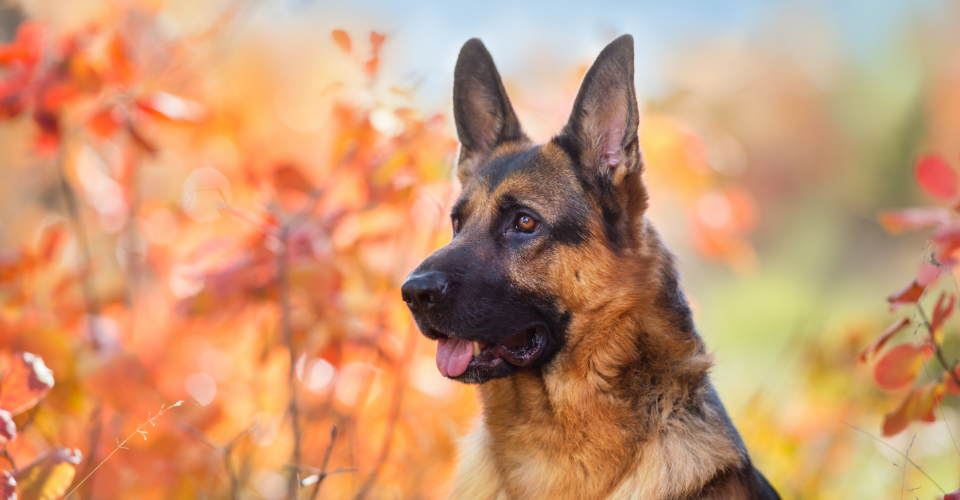
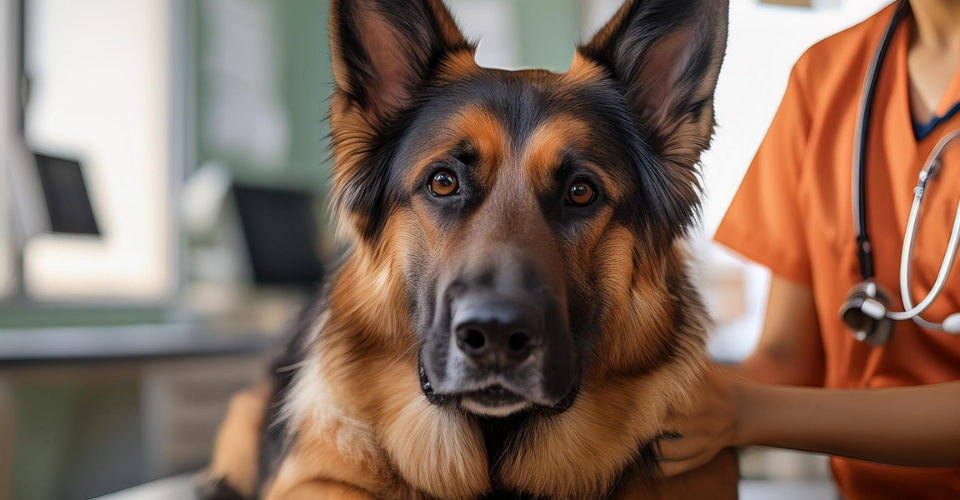
    German Shepherds are known for their intelligence, loyalty and bounds of energy! These protective and highly active companions also have a silly soul and a heart of pure gold! Just picture one, their ears too big for their head, looking up at you, tilting their face with absolute adoration.

    Whether you have a German Shepherd puppy or a professional working adult (they’re also known for policing our streets, you know), here’s your ultimate guide to caring for your loyal companion.


    How to Take Care of a German Shepherd


    Diet: Fuelling Their Energy Levels

    German Shepherds are high-energy dogs that need a well-balanced diet.

    • Protein-Rich Meals: Aim for 18-25% protein to support their active lifestyle. Chicken, fish and baked dry foods are great options.
    • Avoid Additives: Skip foods with wheat or soy that could trigger allergies.
    • Add Healthy Fats: Include Omega-3 and Omega-6 fatty acids to maintain their thick, luxurious coats.
    • Follow an Age-Specific Diet: Puppies need extra protein and fat, while adult and senior dogs require fewer calories to maintain their weight.


    How to Train a German Shepherd

    As highly active dogs, training is essential to help your German Shepherd channel their natural drive.

    • Physical Exercise: These dogs thrive on activities such as fetch, agility training and long hikes or walks. They need at least 2 hours of daily exercise.
    • Interactive Play: German Shepherds are extremely intelligent. Puzzle toys and scent games will keep them mentally stimulated.
    • Obedience Basics: Use positive reinforcement to strengthen their learning.


    Grooming: Keep Your Shepherd Looking Sharp

    Though their grooming needs are moderate, regular maintenance keeps German Shepherds looking extra fresh!

    • Brush Regularly: German Shepherds shed A LOT! So, brush them several times a week to remove loose hair and perhaps consider throwing out all your black clothing items.
    • Bath Occasionally: Use a gentle dog shampoo to keep their coat fresh.
    • Care for Ears and Paws: Clean those big ears regularly to prevent infections and trim nails to avoid discomfort (and zoomie scratches).
    • Dental Health: Brush their teeth at least twice a week to ensure a picture-perfect smile.


    Health Concerns to Watch Out For

    German Shepherds are generally healthy but can be prone to certain conditions:

    • Bloat/GDV: A severe condition where the stomach twists. It requires emergency treatment.
    • Hip and Elbow Dysplasia: These joint issues can cause pain and mobility challenges.
    • Allergies: Skin and food allergies may lead to itching, redness or hair loss.
    • Ear Infections: Regular ear cleaning can prevent moisture buildup that causes infections.
    • Arthritis: Osteoarthritis may develop with age, affecting their mobility.

    Make sure you keep to your routine vet visits so that your German Shepherd stays in top form.


    Ready to Welcome a GSP to Your Herd?

    Protect your German Shepherd with dotsure.co.za Pet Insurance for extra peace of mind. Because every shepherd needs a safety net when life’s adventures get RUFF!

  • VET ADVICE: HOW TO KEEP YOUR PETS SAFE AND HEALTHY THIS SUMMER

    VET ADVICE: HOW TO KEEP YOUR PETS SAFE AND HEALTHY THIS SUMMER


    Pet Summer Safety Tips

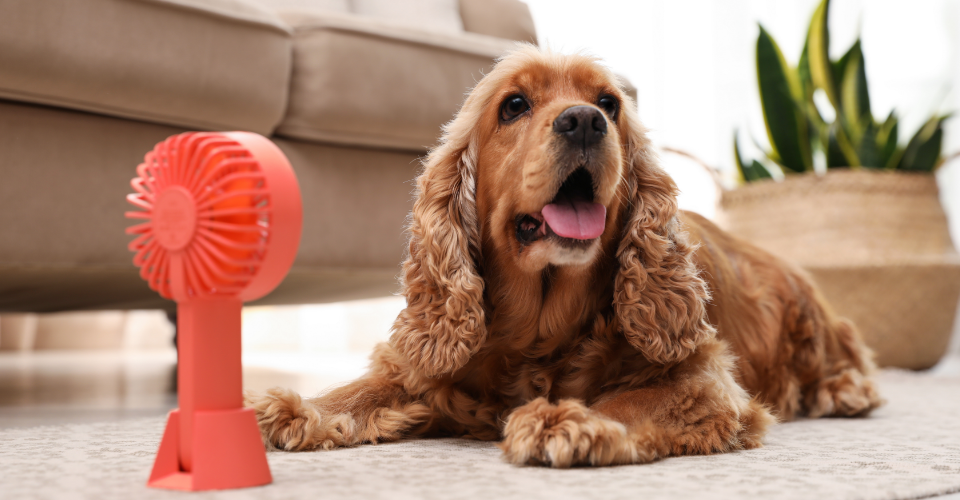
    As summer temperatures rise, keeping our furry friends cool, calm, and collected is essential. While long summer days are perfect for outdoor adventures, our pets can be vulnerable to hot weather with risks such as heatstroke and dehydration. Dr Jeanne-Marie Eksteen from Knysna Veterinary Clinic’s Sedgefield Branch shares her expert advice on pet summer safety tips to keep your four-legged friends happy and healthy this holiday!


    When did you decide to become a vet?

    One of the many critters I helped was a rescued crow brought to us by neighbours. He became part of the family — very loquacious, even featured on 50/50 way back in the 80s! When dogs attacked him and broke his beak, I decided to become a vet one day.


    Do you have any pets? If so, tell us about them!

    We have four dogs and three cats, each with a rescue story.  The most colourful story must be Tjokkie’s.  Tjokkie is a Yorkshire Terrier that was picked up on the N2, unable to walk with slipping kneecaps and an old skewed-healed fracture.  Six weeks in foster care without anyone claiming him led him to us.  Vet-hubby Johan fixed his slipping kneecaps and the fractured leg, and now he sleeps under our duvet every night.


    How to Keep Your Pets Safe in the Hot Weather


    What common mistakes do pet parents make during the warmer months, and how can they avoid them?

    Walking dogs during midday, especially on a hot tarmac, can cause overheating, heatstroke and burned footpads. Instead, walk during dawn and dusk. Feel how hot the surface is and consider whether your feet will be happy walking on it.

    Never leave your dog in a car, even with the window slightly open and parked in the shade!


    What are some effective ways to keep pets cool during hot days?

    Walk near water so they can take a plunge when they feel too hot. If your garden and house don’t have enough cooling spots, hose them down. Ice cubes in water bowls also work well.


    What precautions should be taken for pets that spend much time outdoors?

    Ensure that you have enough shade for them during the day, especially at midday. Keep their water bowl(s) in the shade and add ice cubes if their water still feels too hot. If possible, have a shallow, watery spot where they can cool their whole body down.


    How might the heat affect a pet’s behaviour, and what signs should owners look for?

    Overheating can cause excessive panting, weakness, collapsing and even death.  Sluggishness or irritability can also be a sign that they are not well.


    Any last thoughts on the topic?

    Heat stroke can be fatal, especially in brachycephalic dogs with ‘flatter’ noses such as bulldogs who struggle to pant to cool down.  Dogs that cannot breathe properly cannot regulate heat properly.


    Keep Your Pet Covered All Year Round

    While you do your best to keep your pets cool and safe, accidents and unexpected situations sometimes happen. That’s where pet insurance comes in! It can cover everything from heatstroke treatments to emergencies so that you can make the most of your summer adventures. Get a quote today and enjoy knowing your pet is always protected.

  • VET ADVICE: TOP TIPS TO BEAT THE SNIFFS

    VET ADVICE: TOP TIPS TO BEAT THE SNIFFS


    Everything You Need to Know to Manage Your Pets’ Allergies This Spring

    Spring allergies are in the air, and Dr. Laura Roux from Northdene Vet Clinic is here to share her top tips for beating those sniffles!


    All About Pet Allergies

    What are the most common types of allergies?

    “Here on the East coast of South Africa, in Durban, we have a much higher parasite burden, particularly fleas, which are responsible for many allergic skin conditions. Environmental allergies such as grasses, pollen, fungal spores and house dust mites are also triggers.


    Common Allergy Symptoms?

    “The most common sign of an allergy is if your pet is licking or scratching especially their feet or ears. Many ear troubles are secondary to underlying allergy triggers. Flea allergic dermatitis in dogs and cats often presents with classic hair loss and itchy skin at the base of the spine where the tail starts.”


    How do you treat or prevent allergies?

    “Regular ongoing flea control is vital in an allergic pet, even if fleas are not the main trigger. Several excellent diets are on the market, ranging from hypoallergenic and protein-exclusion to skin-support diets. Hypoallergenic shampoos help calm irritated skin and supplements can be added to your pet’s food for their skin and coat.”


    What should you do in case of a severe allergic reaction?

    “The first step for a severe allergic reaction is always to ensure you have your veterinarian’s and emergency vet’s telephone numbers easily accessible. Call for help or proceed straight to the clinic as quickly as possible.

    Never underestimate a bee sting, and do not self-medicate until you have spoken to your vet. Paracetamol (trade name Panado/Calpol) is toxic to felines.


    More about our Vet of the Month – Dr Laura Roux

    How long have you been caring for pets?

    I have been a small animal general practitioner for 31 years and a sole practice owner for 11 years during this time. I work as a locum veterinarian, mostly at Northdene Vet Clinic, where we treat dogs and cats.


    When did you decide to become a vet?

    “Back when I was younger, I wanted to be a magician. Nowadays, I still feel like a magician in a way when some patients who have been at death’s door survive and get healthy again. The pivotal moment for my decision to study Veterinary Science came after spending the day with a lovely vet who ran the mobile clinic for the veterinary faculty of Medunsa University in Pretoria. He was truly inspirational in his way of handling all sorts of animals, making a difference in their lives and their owners.”


    Last Thoughts

    “Always remember an allergy is not curable but often manageable. Speak to your veterinarian about the options available to assist our itchy, allergic friends. ”


  • BITE BACK: LOOK OUT FOR THESE RABIES SYMPTOMS

    BITE BACK: LOOK OUT FOR THESE RABIES SYMPTOMS


    Protect Your Pets and Family Against Rabies

    Rabies has a fatality rate of 100%. This is the highest fatality rate of any infectious disease known to man. With World Rabies Day (28 September 2024) coming up, we wanted to spread awareness so that pets and their parents can stay safe.


    About Rabies

    Rabies is transmitted to animals and humans via saliva through bites or scratches from an infected mammal, affecting the central nervous system. It can also spread via direct contact with mucosa, for example, through the eyes, mouth or open wounds, but this is rare.

    Related: 5 Facts About Rabies


    Rabies Symptoms

    With an incubation period of 2-3 months, the initial symptoms include:

    • Headache
    • Fever
    • Sore Throat
    • Fatigue
    • Loss of appetite
    • Nausea and vomiting
    • Tingling, pricking or burning sensations at the wound site.

    As it moves to the central nervous system, progressive and fatal inflammation of the brain and spinal cord develops. The symptoms include:

    • Severe agitation
    • Aggressive, uncontrollable behaviour
    • Inability to swallow
    • Excessive salivation
    • Seizures
    • Hydrophobia.


    Prevention

    Vaccination is the most effective form of prevention for protecting your pets. Therefore, it’s essential to ensure that their vaccinations are current.

    Keep your distance if you are unsure of other animals’ vaccination status. Stay away from stray dogs and keep your pets at home if they haven’t yet been vaccinated (between 12 and 16 weeks old).

    Related: Vet Advice: Rabies Prevention.


    How Can You Bite Back?

    Educate your friends and family about the risks and how to avoid exposure. They should always inform you if they were attacked by or encountered an animal behaving strangely.


    Having Pet Insurance from dotsure.co.za can help protect your pets and your pocket with coverage for vaccinations, illness, accidents, and more. Learn more about our Pet Insurance Plans, which are designed to care for your pets.

    Rabies is a preventable disease. With proper education and care, we can keep the people and pets around us safe. Here’s to biting back against Rabies!


  • THE HYPOALLERGENIC DOG FOOD REACTION

    THE HYPOALLERGENIC DOG FOOD REACTION


    Discover the Top Benefits of Hypoallergenic Dog Food

    You might be asking: What exactly is hypoallergenic dog food, and does your dog really need it? Just like us, our dogs can develop allergies too. One of the contributing factors? Their food! Sometimes, what’s in the bowl disagrees with their digestive systems. That’s when hypoallergenic dog food is required.


    What is Hypoallergenic Dog Food?

    While it may be difficult to pronounce, it’s pretty straightforward. Hypoallergenic dog food is specially formulated with sensitive dogs in mind. When you spot the label “hypoallergenic”, you can assume the ingredients avoid common food allergens for dogs, such as beef, dairy, chicken, wheat, lamb, soy, corn, chicken eggs and gluten.


    The Benefits of Hypoallergenic Dog Food

     It Reduces the Risk of Allergic Reactions:

    If your dog seems to have a sensitive stomach or is scratching themselves like there’s no tomorrow, they may be allergic to regular dog foods. Hypoallergenic dog food eliminates the risks of allergies and intolerances by using unique proteins not recognised by your dog’s antibodies. This means less itch and irritation, and more playtime!

     Healthy Coats, Skin, and Smiles:

    The added proteins, vitamins, and minerals in hypoallergenic dog food can also support skin health and reduce irritations such as itchiness and inflammation. So, you may notice an improved smile thanks to whiter teeth and pinker gums, as well as an added sheen to their coats. Who knew dinner could double as a beauty treatment?

     Improved Digestive Health:

    The ingredients in hypoallergenic dog food are very similar to what our dogs would eat in the wild. Hypoallergenic dog food contains easily digestible proteins, which support better digestive functions. This reduces the risk of bloating or diarrhoea and makes for a much happier dog!


    The Hypoallergenic Dog Food Reaction

    As pet parents, we know you always want the best for your furry family members. And as the pet insurer who cares the most, we know allergic reactions hurt not just your dogs but your pocket too. If your dog struggles with allergies, it might be time to look closely at what’s inside their bowl. Chat with your vet and consider the hypoallergenic dog food reaction: fewer tummy troubles, healthier skin, and a happier, tail-wagging bestie.


  • GOLDEN RULES FOR GOLDEN RETRIEVERS

    GOLDEN RULES FOR GOLDEN RETRIEVERS


    What to Expect When a Golden Retriever Joins the Family

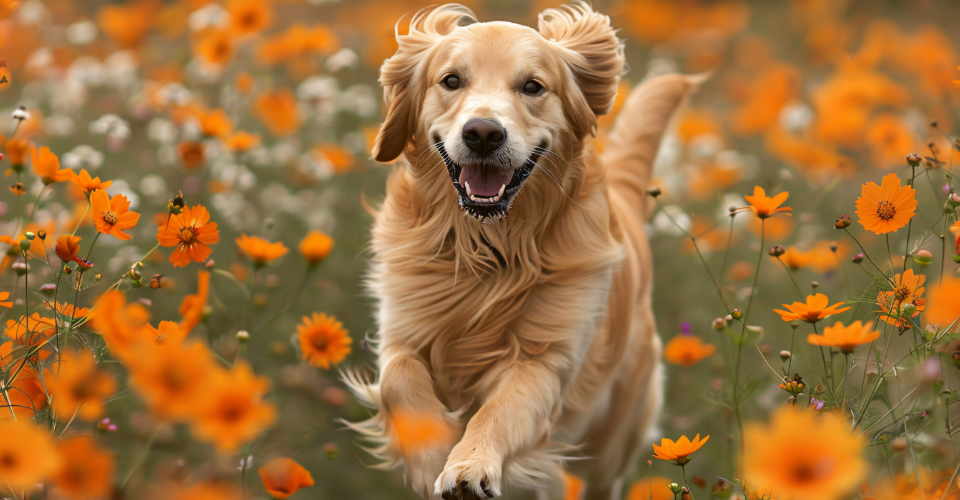
    “If dogs could compete in the Olympics, Golden Retrievers would own the water sports arena! They’re also extremely athletic, a master of any trick out there, and the best pet a family could ask for” – Written by a Golden Retriever. “Oh, they’re also highly intelligent.”


    Meet the Ultimate Family Companion

    If you’re looking for a new family pet, “paw-se” right there! Known for their friendly personalities, sociable nature and endless patience, Golden Retrievers are great with children and other pets. Whether it’s going on adventures or cuddling on the couch, these lovable furballs are up for it all, making themselves right at home in your family’s hearts.


    The Athletic Achievers

    Golden Retrievers are like the Michael Phelps of the dog world. Their love for water and impressive swimming skills make them natural water sports champions. Some even go as far as calling them “land seals”. But when they’re not splashing around, you’ll find them playing fetch, joining in on family jogs or taking part in any adventure that comes their way!


    The Ultimate Trick Masters

    Training a Golden Retriever is often a walk in the park, thanks to their intelligence. They’re quick learners and excel at mastering tricks and commands. “Roll over, fetch, open door” – they can do it all. Plus, smarts and obedience often make them great service dogs, too.


    Keeping Them Golden – Care Guide

    While Golden Retrievers are generally healthy, they can benefit from regular vet check-ups and a balanced diet to keep their energy levels and coats shiny. And, of course, their playful nature means they’ll need plenty of exercise and mental stimulation to stay golden.


    Protecting Your Golden Retriever: The Role of Insurance

    Even the most energetic and healthy Golden Retriever can face unexpected health issues or accidents. That’s where pet insurance comes in. dotsure.co.za offers comprehensive pet insurance that will ensure you and your doggo are covered for whatever life throws at you.


     Golden Moments Await

    If you need endless love, fun and happiness, then adding a Golden Retriever to the family is just what you need. With the right care and planning, you’ll be set to enjoy countless golden moments with your new best friend.


  • TAKING CARE OF A BULL TERRIER

    TAKING CARE OF A BULL TERRIER


    What to Expect When a Bull Terrier Joins the Family

    Owning a Bull Terrier is an adventure filled with fun, energy, and lots of love. Here’s what you need to know about living with these unique and spirited dogs!


    History and Looks

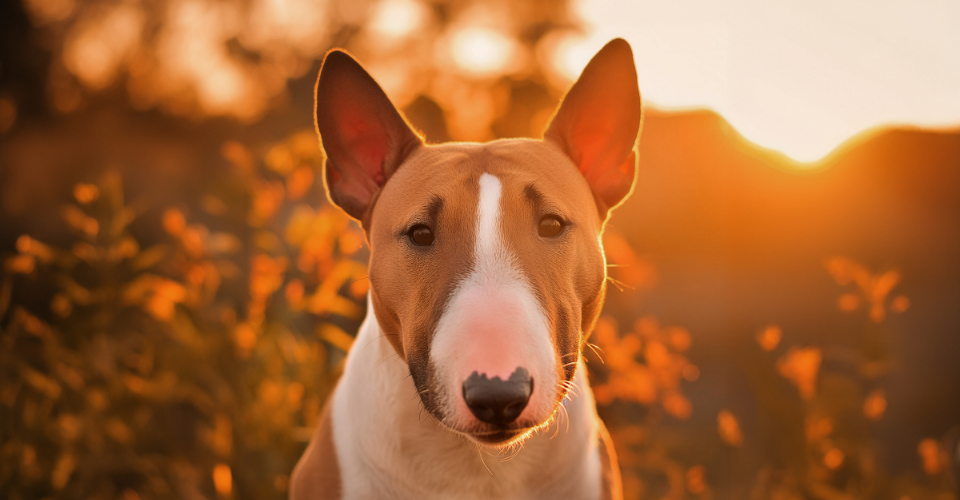
    The Bull Terrier’s history dates back to 19th-century England. They’re famous for their unique egg-shaped heads and muscular builds. Originally a mix of the old English terrier and bulldog, with some Spanish Pointer, English terrier, and Dalmatian added in, they’re a stylish and tough breed. Their coats are smooth and shiny, with colour variations such as white, brindle, red, fawn, and black.


    Personality

    Bull Terriers are loyal and protective, making them great watchdogs. Their playful, happy-go-lucky attitude makes them wonderful family companions, but they can also be a bit stubborn and mischievous. They need early socialisation and consistent training to be well-behaved.


    Exercise and Play

    These dogs are bundles of energy! They need daily exercise to keep them happy and out of trouble. Whether it’s playing in a fenced yard or going for walks, Bull Terriers love outdoor activities. Just make sure they’re on a leash or in a secure area, as they can be a bit too adventurous.


    Training and Socialisation

    Training a Bull Terrier is a necessity. They need to learn the house rules early on, and they respond well to positive reinforcement. Socialising them with different people and pets from a young age helps them grow into well-rounded adults. They’re most suitable for experienced dog owners who can handle their strong-willed nature.


    Diet and Health

    Bull Terriers are prone to obesity, so be careful not to overfeed them. They need about 4 cups of high-quality dog food each day, split into two meals. Regular vet check-ups are important to keep an eye on their health, especially for issues such as hip dysplasia, elbow dysplasia, and eye problems.


    If you’re ready for a lively, loyal companion, a Bull Terrier might be the perfect dog for you.

  • TAKING CARE OF A DACHSHUND

    TAKING CARE OF A DACHSHUND


    What to Expect When a Dachshund Joins the Family

    The Dachshund has earned superstar status in the canine kingdom. Known for their iconic long-backed bodies, short legs, and big personalities, Dachshunds are truly distinctive and beloved members of the purebred dog world.


    History and Characteristics

    Dachshunds were bred in Germany hundreds of years ago to hunt badgers. Dach means badger, and hund means dog. Their short, strong legs were perfect for digging out prey and navigating burrows. Larger Dachshunds chased deer and foxes, while smaller ones hunted hares and ferrets. Today, they are primarily beloved family pets.

    Dachshunds come in two sizes and three coat types, offering a delightful array of choices for dog lovers.

    Sizes:

    • Standard

    Typically weighing between 7 and 14 kg.

    • Miniature

    Weighing 5 kg or under.

    Coat Types:

    • Smooth-Coated

    Easy to care for with minimal grooming needs.

    • Wirehaired

    Requires regular grooming.

    • Longhaired

    Needs daily brushing to keep the coat tangle-free.


    Care Guide

    • Health: Dachshunds are generally a healthy breed, living about 12 to 16 years with proper care. Due to their long backs, special care is necessary to prevent disk problems, including managing their weight and limiting their ability to jump on and off furniture.
    • Grooming: Dachshunds are moderate shedders, relatively clean, and have little or no body odour. Their grooming needs vary with coat type, but all Dachshunds benefit from regular nail trimming and ear cleaning to prevent infections.
    • Exercise: Regular exercise is crucial for Dachshunds. Daily walks of moderate length help them stay fit and build strong muscles to support their backs. Despite their small size, they should not be underestimated. They need more than just indoor play to stay healthy.
    • Training: Training a Dachshund can be challenging due to their intelligence and independent streak. They respond best to positive, reward-based training methods and do not react well to harsh commands or punishment. Patience and consistency are essential.
    • Nutrition: To avoid straining their backs, it’s crucial to prevent Dachshunds from becoming overweight. Feed them only the recommended amount of high-quality dog food and be cautious with treats and table scraps. Their keen noses can get them into trouble, so keep food out of their reach.


    Living with a Dachshund

    Be prepared for a Dachshund’s instinctual behaviours such as digging and barking, and the potential for destructiveness. Despite their small size, they are known for their courageous nature, often taking on animals much larger than themselves. As family pets, they are loyal companions and excellent watchdogs.


  • VET ADVICE: HOW COLD WEATHER AFFECTS YOUR PETS

    VET ADVICE: HOW COLD WEATHER AFFECTS YOUR PETS


    Keeping Your Pets Safe During Winter

    Dr Hayley Du Toit is a veterinarian at the Tzaneen Animal Clinic in Limpopo, and she’s been a vet for almost 20 years!


    How does the cold weather affect pets?

    “Our pets definitely feel the cold just like we do. If they have any joint issues, they will experience more pain and stiffness during the colder months. Pets with less body fat and thin coats will also be more sensitive to the cold weather.”


    What are the signs of “winter blues” pet parents can look out for?

    “Pets don’t always show pain as we would expect them to. So, it can sometimes go unnoticed by pet parents. They may be less active, lie in their beds more, be less friendly than normal, and you might even see that older pets wet their beds (this is because they are trying to avoid going out into the cold and wait until their bladders are really full).”


    Do you have advice on how to help pets through the colder months?

    “Provide warm beds for your animals, and enough for each of them. We see more dog fights in winter as they compete for the prime sleeping spot. If you have a senior pet, please take them to your vet for a check-up to see if they have arthritis, which can be managed. There are a multitude of options that your vet can prescribe to keep your pet as pain-free as possible.”


    Learn More About Our Vet of the Month (VOM)

    Dr Hayley lives on a farm in Tzaneen with her husband and son. She works predominantly with pets, but their practice sees animals of all shapes and sizes.


    When did you decide to become a vet?

    “While I was taking a gap year, after school.”


    Do you have any pets?

    “We have four dogs, a Great Dane, a Border Collie, and 2 crossbreed rescues. We also have 2 cats and a parrot; they are also rescues! Oh, and about 20 chickens who keep my kitchen stocked with eggs.”


    Any last thoughts on the topic?

    “Please give your pet the option of sleeping indoors!”


  • ULTIMATE WINTER GUIDE FOR PET PARENTS

    ULTIMATE WINTER GUIDE FOR PET PARENTS


    Protecting Your Pets from the Chill

    Winter is here, and it’s time to make sure your furry friends are well taken care of during the colder months. Just like us, pets need extra attention to be healthy and comfy.


    Exercise and Nutrition

    • Exercise Regularly:

    Take brisk walks with your dog when the sun is out, play fetch in the yard, or engage in fun indoor activities. These will keep them physically fit and mentally stimulated.

    • Nutritious Diet:

    A diet with a good balance of fibre and Omega-3 fatty acids is essential. Fresh meat and vegetables can help maintain a healthy microbiome.

    Keep in mind that nutrition isn’t a case of one-size-fits-all. Your vet can tailor dietary recommendations based on your pet’s specific needs.

    • Supplements:

    Probiotics introduce beneficial microorganisms into the digestive tract, promoting gut and internal immunity. Consult your vet for appropriate strains and dosages.

    Fish oil is rich in Omega-3 fatty acids, which helps to fight inflammation.

    Found in turmeric, curcumin has anti-inflammatory and pain-relieving properties. Again, consult your vet before introducing any new supplements.


    Keeping Warm

    • Sleeping Area:

    Set up a cosy spot indoors, with extra blankets or cushions. Keep this area away from fireplaces and heaters to prevent burns.

    • Pet Sweaters:

    Consider pet sweaters for short-haired pets to help them retain body heat.

    • Outdoor Shelter:

    If your dog must stay outside, ensure they have a shelter protected from wind and rain, with enough blankets or a trampoline bed to keep them off the cold ground.


    Grooming

    • Regular Brushing:

    This boosts circulation, helping your pet stay warm.

    • Bathing:

    Only bathe your pet when necessary to avoid stripping their skin of natural oils. Choose a sunny day for bath time to ensure they dry off completely.

    • Paw Care:

    Wipe your pet’s paws after they’ve been outside to remove irritants. If their paws get irritated, dip them in warm water, dry them gently, and apply a natural moisturiser such as coconut oil.


    Special Care for Vulnerable Pets

    Puppies, senior pets, and those with health issues need extra attention during winter. Keep a close eye on them and consult your vet when needed. You might need to adjust their diet to ensure it suits the winter season.

    Cold weather can exacerbate arthritis. Watch for signs such as limping, whimpering, or reluctance to play. Provide joint supplements when needed, and always keep them warm and hydrated.


    As the temperature drops and you bundle up in your warm clothes, remember that your pets feel the cold too. Consider their age, coat type, activity level, and health conditions when adjusting their diet, routine, and environment.

    Enjoy the cosy cuddles and make the most of the season together!

  • VET ADVICE: A PET PARENT’S GUIDE TO BUNNIES

    VET ADVICE: A PET PARENT’S GUIDE TO BUNNIES


    The Basics of Caring for a Pet Rabbit

    For our ‘Vet Of The Month’, we’ve collaborated with two seasoned veterinarians who bring a wealth of experience and expertise: Dr Emily Baxter from Ikhala Veterinary Clinic in Makhanda, and Dr Tessa Brouwer from Family Vet Clinic in Centurion.


    What is considered to be a balanced diet for rabbits?

    Dr Emily: “Domestic rabbits are herbivorous and require a variety of different plant foods to get a good nutritional mix. A balanced diet consists of roughly 80% hay or fresh grass, 10% leafy vegetables, and 5% rabbit pellets. Keep things interesting for your pet rabbit by mixing the types of vegetables that they get, and remember to only give small amounts of sweet vegetables.”

    Dr Tessa: “Nutrition has a great influence on your rabbit’s health. High-quality fibre should make up 70-75% of the diet. We see far too many dental and intestinal tract diseases when rabbits do not eat enough fibre. High calcium intake can result in urinary tract problems, as rabbits have a much higher excretion of calcium in their urine. Lucerne has a high calcium content; therefore, it should only be given in moderation.”


    What would be the ideal environment to keep a rabbit as a pet?

    Dr Emily: “Rabbits need plenty of space for running, and binkying, not just hopping! Ideally, a rabbit enclosure should have two compartments, with a shelter to provide an area for sleeping and away from noise. The rabbit’s enclosure should be well-ventilated, dry, and draught-free. Please ensure your rabbits have adequate hiding places, enough bedding to stay warm, and a suitable toilet area.”

    Dr Tessa: “The ideal environment is spacious, with a minimum total area required for two average-sized rabbits being 3m by 1.8m, and at least 90cm high. Rabbits must be able to jump, run, and show natural behaviour. The environment should be safe from predators and there should be a clean, dry area where they can rest and sleep in comfort, sheltered from wind, rain, and sun.”


    Do rabbits need to be spayed/neutered?

    Dr Emily: “It is important to sterilise rabbits in order to prevent reproduction and overpopulation! Sterilising rabbits also prevents destructive, aggressive, and dominant behaviours. Neutering male rabbits may reduce territorial behaviour. Spaying female rabbits will also reduce the risk of mammary cancer.”

    Dr Tessa: “Yes, 80% of the unsterilised female rabbits will develop ovarian or uterine cancers, when they are five years of age. Males can also develop testicular cancers and testicular torsions (where the testicle rotates), which can be prevented. They also start breeding quite early. Therefore, I recommend sterilisation and castration from four to six months of age.”


    Are there certain behavioural traits that people usually aren’t aware of before they get a rabbit?

    Dr Emily: “Many people believe that rabbits are very cute and cuddly, while they are cute, rabbits are rarely cuddly! Rabbits are prey animals, which makes them nervous and they often don’t enjoy being picked up or cuddled.  Rabbits require patience and time to form bonds with their humans.”

    Dr Tessa: “Rabbits love to dig and chew. So indoor rabbits should be prevented from chewing cables and getting electrocuted. Digging can sometimes result in the rabbit ending up on a neighbour’s property, where dogs or cats could attack them. Uncastrated males start to mark their territory and even start to urinate against their owners.”


    Any last thoughts on the topic?

    Dr Emily: “Looking after rabbits is a big commitment as they can live for up to 12 years! As pets, they need to live in pairs and need an environment to display their natural behaviours. They also need to visit the vet annually, for health checks, vaccinations, and treatments. Rabbits can make great pets, but they need gentle handling, a thorough understanding of their care needs, and plenty of attention!”

    Dr Tessa: “Rabbits should be vaccinated on a yearly basis to prevent Rabbit Haemorrhagic Disease, which is a deadly and very contagious viral disease. They have very powerful hind legs and a relatively fragile skeleton. So, when they suddenly kick without hind leg support, it can cause a fracture in the spinal cord. Rabbits are easily potty trained and can be taught various tricks, just like a dog. I personally don’t think a rabbit is suited for very small children.”


    Learn more about our vets of the month!

    Dr Emily graduated from the University of Bristol in 2013, and was drawn to Africa by its incredible wildlife. She spent 9 months volunteering for Ikhala Wildlife Veterinary Services and Amakhala Game Reserve, before returning to the UK to work in a mixed animal practice for 18 months. She treated everything from mice and snakes to cows and horses. She re-joined the Ikhala team in 2016, to pursue her passion for working with the wildlife and exotic animals that South Africa has to offer.

    Currently the Practice Principle for Ikhala Veterinary Clinic, Emily is set on making the clinic an even more friendly, caring, and eco-conscious place. For her, being a vet is not just a career path, it’s who she is!

    Emily has three dogs: Rupert the Great Dane, Inspector Morse the Basset Hound, and Rusty the Border Collie! She also has three cats: Dasher, Comet, and Pirate. As well as two horses: Danny and Savannah.


    Dr Tessa was born and raised in the Netherlands, where she was able to work in zoos and wildlife rescue centres while studying as a veterinary nurse. When she earned her Animal Science degree, she moved to South Africa to study Veterinary Science. After graduating in 2014, she worked with various wildlife species in Lydenburg and Hoedspruit. In April 2018, Tessa opened the Family Vet Clinic in Centurion. In December 2020, she opened Family Vet Hazeldean, in Silverlakes.

    Tessa loves the variety of working as a veterinarian, as you never know what will come through the door. She enjoys working with a variety of species, especially the small, furry, exotic animals. As a child, she always wanted to work with animals.

    Tessa has a Rhodesian Ridgeback, two German Shorthair Pointers, a guinea pig, a rabbit, and a hamster (most of them are rescues).


  • HEREDITARY CONDITIONS: IS YOUR PET COVERED?

    HEREDITARY CONDITIONS: IS YOUR PET COVERED?


    How Genetics Play a Role in Your Pet’s Health

    Having a pet with a hereditary condition can present unique challenges for pet owners. These conditions can significantly impact your pet’s health, requiring ongoing medical care and attention to ensure their well-being.


    What are Hereditary Conditions?

    Hereditary conditions are genetic disorders passed down from one generation to another. Some of these conditions may be more widespread in specific breeds due to selective breeding, but common genetic disorders stem from ancient disease liability genes. These disorders can affect dogs and cats across various breeds as well as mixed breeds.


    Common Hereditary Diseases in Dogs and Cats

    • Hip Dysplasia: Especially common in large breeds, hip dysplasia is a malformation of the hip joint, causing pain and mobility issues.
    • Progressive Retinal Atrophy (PRA): Affects the retina, potentially leading to blindness.
    • Polycystic Kidney Disease (PKD): Results in cyst growth on the kidneys, potentially leading to kidney failure.
    • Hypertrophic Cardiomyopathy (HCM): Affects cats, causing a thickening of the heart muscle and potential heart failure.
    • Von Willebrand Disease: Causes excessive bleeding in dogs after injury or surgery.
    • Inflammatory Cystitis: Inflammation of the bladder, leading to discomfort and urinary issues.
    • Feline Urological Syndrome: Much like cystitis, causing urinary tract issues.
    • Diabetes Mellitus: Affects blood sugar regulation.
    • Lymphoplasmacytic Gingivostomatitis: Inflammation of the gums and mouth tissues.
    • Non-struvite Bladder Stones: Formation of bladder stones not composed of struvite.


    Detection and Management

    Some hereditary conditions may not show symptoms immediately, becoming apparent only later in your pet’s life. It’s crucial to monitor your pet’s health closely and seek veterinary advice if you notice any concerning symptoms. Regular check-ups and screenings can also help detect potential issues early.

    If your pet has been diagnosed, working closely with your veterinarian is essential. They can develop a tailored treatment plan that may include dietary changes, medication, or specialised therapies to manage the condition effectively. Proactive management can significantly improve your pet’s quality of life and minimise complications.


    The Role of Pet Insurance

    Pet insurance can play a crucial part in covering the cost of managing hereditary conditions. These conditions often require ongoing medical care and treatment, which can become expensive over time.

    Having your pet on our Superior or Ultimate plans could cover them for most* treatments related to hereditary conditions. With the right coverage, you can navigate the financial aspects of treatment, providing your pet with the best possible chance for a happy and healthy life.


    *Ts & Cs apply.

  • TAKING CARE OF A BORDER COLLIE

    TAKING CARE OF A BORDER COLLIE


    What to Expect When a Border Collie Joins Your Family

    If you want a dog with brains, brawn, and boundless energy, look no further than the Border Collie. Renowned for their intelligence and unwavering work ethic, these remarkable canines offer a plethora of admirable traits that make them exceptional companions and working partners. However, before bringing home a Border Collie, it’s crucial to understand their unique needs and characteristics to ensure a harmonious relationship.


    Characteristics and Traits

    Border Collies are distinguished by their high energy levels, sharp intelligence, and eagerness to serve a purpose. Bred as herding dogs in the countryside between Scotland and England, they possess an innate instinct to work diligently, often displaying a vigilant demeanour and a readiness to bark. Their athleticism and agility make them well-suited for various tasks, whether as a dedicated companion or a working dog for herding livestock.


    Caring for Your Border Collie

    While Border Collies bring an abundance of positive traits to the family, it’s essential to address their specific care requirements to raise a happy and well-adjusted dog:

    • Exercise and Stimulation: Border Collies thrive on physical activity and mental stimulation. Regular exercise is paramount to prevent boredom and curb destructive behaviours. Engage them in activities like running, hiking, or agility training to keep them content and mentally sharp.
    • Herding Instinct: Their strong herding instinct may manifest in behaviours like chasing cars and small animals. Proper training and supervision are essential to manage this tendency and prevent potential accidents.
    • Attention and Socialisation: Border Collies crave frequent attention and thrive in environments where they feel included. Socialisation from an early age helps them develop positive interactions with strangers and other pets, reducing the likelihood of shyness or snappish behaviour.
    • Grooming Needs: With a moderate shedding tendency, Border Collies require regular brushing to maintain a healthy coat. Weekly grooming sessions help minimise shedding and keep their fur in top condition.
    • Health Considerations: Like all breeds, Border Collies are susceptible to certain genetic health conditions. Regular veterinary check-ups and proactive healthcare measures can help mitigate potential risks and ensure your pet’s well-being.


    The Border Collie’s Place in Your Home

    When welcoming a Border Collie into your household, it’s essential to provide ample opportunities for exercise, mental stimulation, and companionship. Whether they’re herding livestock or playing fetch in the backyard, these intelligent canines thrive on having a job to do and a sense of purpose.

    Border Collies excel in environments where they receive the attention, training, and activity they crave. With proper care and dedication, they prove to be loyal, affectionate, and endlessly entertaining companions for individuals and families alike.


  • PET SITTER OR DAY-CARE

    PET SITTER OR DAY-CARE


    How to Choose the Right Caretaker for Your Pet

    Your pet is not just a pet; they’re a cherished member of the family. So, when it is time to leave them behind, whether for work or travel, it’s essential to ensure they’re in good hands. But with options like day-cares, walkers, and sitters, how do you decide which is best for your beloved companion?

    We’ve compiled lists of some pros and cons to help you make the right decision for your pet.


    Day-Care

    • Socialisation: Day-care provides ample opportunities for your pet to interact with other pets, helping them maintain their social skills.
    • Exercise: With plenty of playtime and activities, your pet will stay mentally stimulated and physically active throughout the day.
    • Professional Supervision: Trained staff ensure your pet receives proper care, including medication administration if needed.
    • Overstimulation: Some pets may become overwhelmed by the busy environment, leading to anxiety or behavioural issues.
    • Risk of Illness: Close proximity to other animals increases the risk of illness or injury, especially if not all pets are up to date on vaccinations.


    Dog Walkers

    • Cost-Effective: Dog walkers are often more affordable than day-care or pet sitters, providing essential exercise and potty breaks for your pet.
    • Regular Schedule: Walkers typically stick to a set schedule, ensuring your pet receives consistent care.
    • Limited Attention: Your pet may not receive individualised attention, especially if the walker is responsible for multiple dogs.
    • Home Access: You must trust someone to enter your home and ensure it’s secure upon departure.


    Pet Sitters

    • Individualised Care: Pet sitters offer personalised attention tailored to your pet’s needs, making them ideal for animals with anxiety or special requirements.
    • Home Comfort: Your pet remains in a familiar environment, reducing stress and anxiety.
    • Cost: Pet sitting services can be expensive, particularly for extended periods or specialised care.
    • Trust Factor: Entrusting someone with access to your home requires a high level of trust and vetting.


    Ultimately, the best option depends on your pet’s temperament, health, and preferences. You know them from their snout to their tail, that’s why you would know where your pet would thrive.

    With dotsure.co.za’s range of pet insurance plans, you can choose one that suits their needs and your pocket. Get peace of mind and cover for their adventures, whether they’re staying at home or in a home away from home.

  • GOAL SETTING FOR YOUR PET

    GOAL SETTING FOR YOUR PET


    How To Keep Your Pet Healthy This Year

    The beginning of a new year is the perfect time for personal resolutions, but it’s also an ideal opportunity to set some goals for your pets! Whether you have a dog, cat, bird, or any other beloved pet, setting achievable goals can enhance their well-being and strengthen your bond.


    Exercise and Activity Goals

    • Regular Walks or Outdoor Adventures

    For dogs, commit to more frequent walks or hikes. Set a target to increase the distance gradually to keep both you and your pup active and healthy.

    • Interactive Playtime

    Engage in more interactive play sessions for cats or other small animals using toys. Consider introducing new toys or rotating existing ones to keep them mentally stimulated.


    Health and Wellness Goals

    • Healthy Diet Plan

    Consult your vet to develop a well-balanced diet plan suitable for your pet’s age, size, and breed. Measure portions accurately and avoid overfeeding.

    • Regular Veterinary Check-ups

    Schedule regular visits to the vet for health check-ups, vaccinations, and dental care. Maintaining their overall health is crucial for a longer and happier life.


    Mental Stimulation Goals

    • Training Sessions

    Commit to regular training sessions to teach new tricks or reinforce existing commands. This mental exercise is beneficial for both dogs and some other pets.

    • Puzzle Toys or Games

    Introduce puzzle toys or games designed to stimulate your pet’s mind. For instance, foraging toys for birds or puzzle feeders for dogs can keep them engaged and entertained.


    Socialisation Goals

    • Meet New Friends

    Arrange playdates or visits to the dog park for your social pet. Interaction with other animals can improve their social skills and happiness.

    • Desensitisation Training

    If your pet is anxious or fearful around certain stimuli (such as loud noises or car rides), gradually expose them to these situations in a controlled, positive manner to help them overcome their fears.


    Grooming and Care Goals

    • Regular Grooming Routine

    Establish a grooming routine based on your pet’s needs. This could include brushing their coat, trimming nails, cleaning ears, and brushing teeth.

    • Create a Safe Environment

    Ensure that your home is a safe and comfortable space for your pet by pet-proofing and providing appropriate hiding spots or resting areas.


    Emotional Well-Being Goals

    • Quality Time Together

    Dedicate specific times during the day to bond with your pet. Whether it’s cuddling time, a short training session, or a quiet moment together, these moments strengthen your connection.

    • Recognise Stress Signs

    Learn to recognise signs of stress or discomfort in your pet. By understanding their body language, you can provide a more calming and supportive environment for them.


    Remember to celebrate their progress throughout the year and adjust goals as necessary. Here’s to a happy and healthy year for both you and your beloved pet!

  • 9 SIGNS YOUR PET IS HEALTHY

    9 SIGNS YOUR PET IS HEALTHY


    Ways to Determine If Your Pet Is Healthy or Not

    As a pet parent, your fur baby’s health is paramount. Their well-being is more than just a wagging tail or a purr – it’s about understanding their subtle cues and signs of vitality. If you can recognise these signs, you can be proactive about your pet’s wellness.


    Energy Levels

    Observe your pet’s usual activity levels. A healthy pet is generally energetic, curious, and playful. Sudden lethargy or a significant decrease in activity might signal an underlying issue.


    Appetite and Eating Habits

    A healthy pet typically has a consistent appetite and shows enthusiasm for mealtimes. Changes in eating habits, such as refusing food or overeating, could indicate health problems.


    Healthy Weight

    Monitor your pet’s weight. Being able to feel (but not see) their ribs, having a visible waist when viewed from above, and a tucked stomach are signs of an appropriate weight.


    Coat and Skin

    A shiny coat, free from excessive shedding, dandruff, bald patches, or skin irritations, indicates good health. Regular grooming can help maintain their coat and reveal any abnormalities.


    Good Digestion

    Regular bowel movements that are firm and easy to pass indicate a healthy digestive system. Diarrhoea, constipation, or blood in their stool can be signs of underlying issues.


    Dental Health

    Healthy gums should be pink, with no swelling, and teeth should be clean without tartar build-up. Bad breath or changes in eating habits might indicate dental problems.


    Behavioural Changes

    Pay attention to any significant alterations in behaviour, such as increased aggression, excessive vocalisation, hiding, or seeking more attention than usual. These changes might signal discomfort or distress.


    Respiratory Health

    Laboured breathing, coughing, or wheezing can indicate respiratory problems. Pets should breathe easily without any obvious signs of struggle.


    Regular Veterinary Check-ups

    Annual check-ups with a veterinarian are crucial for preventive care. A vet can identify subtle signs of illness and provide appropriate vaccinations or treatments.


    If you notice any unusual changes in your pet’s behaviour, appetite, or appearance, consulting with a veterinarian is advisable. Remember, your attentiveness to your pet’s health is a testament to your love and care for them!

  • 10 WAYS TO KEEP YOUR PUP FROM FREEZING THIS WINTER

    10 WAYS TO KEEP YOUR PUP FROM FREEZING THIS WINTER

    Temperatures are dropping and coffee is overflowing. You’re switching from tank tops to sweaters and your pooches are tempted to dive into the blankets with you. Winter isn’t coming, it has already arrived! Are you prepared for the shivers and teeth chattering chills?

    You might be ready to kick the cold to the curb, but what about your fur-kids? Sure, they’ve got coats to protect them from the cold, but they still need a little extra TLC.

    Here are 10 ways you can help your barking bud beat the cold this winter season:


    1. Limit outdoor playtime

    Make sure that you limit playtime to 30 minutes at a time. This will ensure that your dog doesn’t spend too much time out in the cold.


    1. Go on shorter walks

    Make sure your pooch gets enough exercise, but limit walks to 15 minutes each. Rather walk with your pup twice a day (mornings and early evenings).


    1. Keep an eye on your doggo.

    If your dog is showing signs of shivering, whining or trembling, heat them up with a fuzzy blanky or jersey.


    1. Don’t shave your dog!

    Your hound is lucky enough to have a natural permanent jersey to keep him/her warm during icy days. Don’t remove their natural fur for aesthetic reasons.


    1. Wipe their paws

    The freezing weather outside can make your pup’s paws wet and cold. Wipe Bailey’s paws with a dry towel before he enters the house. It’s won’t only help your pooch out, but also your floors and fancy furniture. Muddy dog paws can ruin your stylish beige sofa.


    1. Keep their tummies full

    Dogs burn more calories during chilly days. Make sure they are well fed this winter.


    1. Let sleeping dogs lie

    If your four-legged friend wants to snooze more, don’t force him to stand up. The winter weather steals energy and makes your poor bud feel tired. Don’t be jelly because your fur-friend gets to sleep in and you don’t. Let him drift off to dreamland.


    1. Grab an extra blanky

    Grab a warm fuzzy blanket and put it in your dog’s bed. Make sure there is also a warm blanky on his favourite spot on the floor. Tiles and wooden floors can be chilly.


    1. Keep a first aid kit handy

    Pets can injure themselves on wet surfaces. Keep bandages, antibiotic ointment and medication for accidents in a safe place in your home.

    Also, keep the following in your first aid kit:

    -Earbuds

    -Non-alcoholic ear cleanser

    -Vitamin supplements (especially vitamin C to fight flu)

    -Aloe Vera cream for bruises

    – Hydrogen Peroxide (For toxic indigestion)

    – Gauze, Scissors, Tape, Rubber Gloves

    – Vaccination & Medical Records


    1. Buy a comfy jersey

    If your dog’s fur isn’t thick enough, make sure you give him a comfy jersey. Make sure that the jersey isn’t too tight (especially around the neck, legs tummy) or too loose.

    Use the above tips and heat up winter with a little extra love and attention. Your pup will thank you for it by giving you endless snuggles and face-licks.

    Share your warmth this winter!