Tag: pet health

  • DOES YOUR PET INSURANCE COVER SPAYING AND NEUTERING?

    DOES YOUR PET INSURANCE COVER SPAYING AND NEUTERING?

    Sterilising your pet is one of the best decisions you can make for their health, behaviour, and the general pet population. But, of course, it comes with a visit to the vet and a vet bill. So, we’re here to answer that burning question: Does pet insurance cover spaying and neutering?

    At dotsure.co.za, we offer flexible pet insurance plans and optional add-ons that can help cover sterilisation costs depending on your level of cover. Let’s break it down.


    What’s the Difference Between Spaying and Neutering?

    • Spaying is a surgical procedure for female animals which involves removing the ovaries and sometimes the uterus to prevent pregnancies.
    • Neutering is a surgical procedure for male animals which involves removing the testicles, reducing aggressive behaviours and making them sterile.

    While they are different procedures, spaying and neutering are collectively referred to as sterilisation.


    What Is the Difference Between Routine Care and Standard Cover?

    Standard Cover (Accident & Illness): Covers accidents, illnesses, surgeries, and vet visits, but not sterilisation. Some of our plans also cover hereditary conditions.

    Wellness Benefit (Routine Care): Depending on your selected plan, this is an added benefit to standard cover, which covers preventative treatments such as vaccinations, spaying and neutering.

    RELATED: HEREDITARY CONDITIONS: IS YOUR PET COVERED?


    How Much Does It Cost to Sterilise a Pet in South Africa?

    Sterilisation costs depend on your pet’s size, breed and the vet clinic you choose to visit, but here’s a rough estimate:

    Cats: R500 – R2 000
    Small Dogs: R750 – R2,500
    Medium to Large Dogs: R2 500 – R5 000

    Please note: This is just a rough estimate and not the actual costs. Consult your vet for a more detailed cost estimate.


    Are There Pet Insurance Plans That Cover Sterilisation?

    Yes! At dotsure.co.za, if your plan includes Wellness Benefits, you’ll be covered for sterilisation up to a specified amount.


    Can You Add Spaying and Neutering to Your Pet Insurance Plan?

    Yebo! With dotsure.co.za, if your plan supports the Wellness Benefit, you can add this extension to your plan.

    This not only helps with spaying and neutering costs but also covers:

    • Vaccinations
    • Deworming
    • Tick & flea treatments
    • Dental cleanings
    • And more.

    Do you need to add our Wellness Benefit to your policy? Contact us today or simply visit the 24/7 online Manage Portal.


    Get the Right Pet Insurance for Your Pet’s Needs

    Looking for pet insurance that covers more than just the basics? At dotsure.co.za, we offer customisable plans so you can choose what works for you. Visit dotsure.co.za to get a quote.

    Do you have more questions other than whether pet insurance covers spaying or neutering? Check our FAQS here: PET INSURANCE MADE SIMPLE: YOUR TOP QUESTIONS ANSWERED.
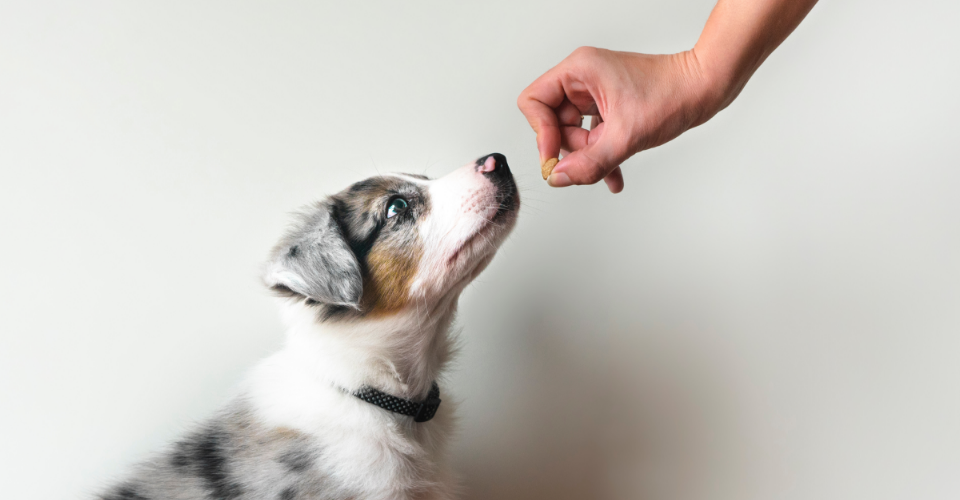
  • DOES YOUR PET INSURANCE COVER VACCINATIONS? LET’S BREAK IT DOWN

    DOES YOUR PET INSURANCE COVER VACCINATIONS? LET’S BREAK IT DOWN

    Your furry bestie deserves the best care, including those all-important vaccinations. But here’s the big question: Does pet insurance cover vaccinations, or will you need to budget separately for them? As SA’s #1 pet insurance*, we’ve got all the answers (and the plans) for you.


    Are Vaccinations Covered by Pet Insurance?

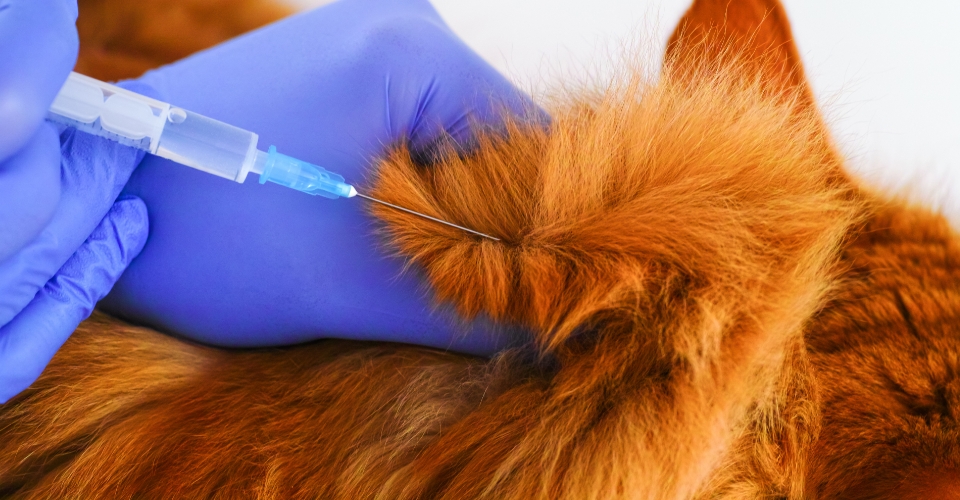
    Standard pet insurance usually covers unexpected illnesses and accidents; routine care such as vaccination isn’t always included. However, some plans (like some of the dotsure.co.za plans) allow you add wellness benefits that help cover these essential vet visits.

    Are you already part of the dotsure.co.za pet fam? Visit the Manage Portal online or contact us and add the Wellness Benefit today.

    RELATED: DOES YOUR PET INSURANCE COVER SPAYING AND NEUTERING?


    What Is the Cost of Pet Vaccinations in South Africa?

    Keeping your pet’s vaccines up to date is crucial, but what’s the price tag?

    Puppy and Kitten First-Year Vaccines

    Young pets need multiple vaccinations in their first year to protect them against deadly diseases such as parvo and rabies. The cost? Around R500 – R1 000 per shot, with multiple rounds needed.

    Annual Boosters

    After their first year, dogs and cats need yearly booster shots to stay protected. These costs are between R400 and R800 per visit.

    RELATED: CANINE PARVOVIRUS: SYMPTOMS, TREATMENT AND PREVENTION


    Do We Cover Vaccinations?

    Yes, with the right plan or extension! While vaccinations aren’t covered under standard accident and illness plans, our Wellness Benefit options helps with routine care costs. Here’s how they work:

    • Included in our Ultimate Plan
    • Available as an add-on for Elite, Vital and Deluxe Plans

    Helps cover the costs of vaccinations, deworming, tick and flea prevention, and more!


    Is Pet Insurance Worth It for Vaccinations Alone?

    Pet insurance is primarily designed for unexpected vet bills, but with the Wellness Benefit, you can get help with preventative care such as vaccines. That means less stress for you and better protection for your pet, which is a win-win!


    Ready to Protect Your Pet? Get a Quote Today!

    Keeping your pet happy and healthy is easier (and more affordable) with dotsure.co.za. Whether you need cover for surprise vet visits or routine care such as vaccinations, we have a plan for you!

    Get a quote today at dotsure.co.za.

    *Voted South Africa’s Best Pet Insurance 2023/2024 by readers of various media publications.

  • GOAL SETTING FOR YOUR PET

    GOAL SETTING FOR YOUR PET


    How To Keep Your Pet Healthy This Year

    The beginning of a new year is the perfect time for personal resolutions, but it’s also an ideal opportunity to set some goals for your pets! Whether you have a dog, cat, bird, or any other beloved pet, setting achievable goals can enhance their well-being and strengthen your bond.


    Exercise and Activity Goals

    • Regular Walks or Outdoor Adventures

    For dogs, commit to more frequent walks or hikes. Set a target to increase the distance gradually to keep both you and your pup active and healthy.

    • Interactive Playtime

    Engage in more interactive play sessions for cats or other small animals using toys. Consider introducing new toys or rotating existing ones to keep them mentally stimulated.


    Health and Wellness Goals

    • Healthy Diet Plan

    Consult your vet to develop a well-balanced diet plan suitable for your pet’s age, size, and breed. Measure portions accurately and avoid overfeeding.

    • Regular Veterinary Check-ups

    Schedule regular visits to the vet for health check-ups, vaccinations, and dental care. Maintaining their overall health is crucial for a longer and happier life.


    Mental Stimulation Goals

    • Training Sessions

    Commit to regular training sessions to teach new tricks or reinforce existing commands. This mental exercise is beneficial for both dogs and some other pets.

    • Puzzle Toys or Games

    Introduce puzzle toys or games designed to stimulate your pet’s mind. For instance, foraging toys for birds or puzzle feeders for dogs can keep them engaged and entertained.


    Socialisation Goals

    • Meet New Friends

    Arrange playdates or visits to the dog park for your social pet. Interaction with other animals can improve their social skills and happiness.

    • Desensitisation Training

    If your pet is anxious or fearful around certain stimuli (such as loud noises or car rides), gradually expose them to these situations in a controlled, positive manner to help them overcome their fears.


    Grooming and Care Goals

    • Regular Grooming Routine

    Establish a grooming routine based on your pet’s needs. This could include brushing their coat, trimming nails, cleaning ears, and brushing teeth.

    • Create a Safe Environment

    Ensure that your home is a safe and comfortable space for your pet by pet-proofing and providing appropriate hiding spots or resting areas.


    Emotional Well-Being Goals

    • Quality Time Together

    Dedicate specific times during the day to bond with your pet. Whether it’s cuddling time, a short training session, or a quiet moment together, these moments strengthen your connection.

    • Recognise Stress Signs

    Learn to recognise signs of stress or discomfort in your pet. By understanding their body language, you can provide a more calming and supportive environment for them.


    Remember to celebrate their progress throughout the year and adjust goals as necessary. Here’s to a happy and healthy year for both you and your beloved pet!

  • 9 SIGNS YOUR PET IS HEALTHY

    9 SIGNS YOUR PET IS HEALTHY


    Ways to Determine If Your Pet Is Healthy or Not

    As a pet parent, your fur baby’s health is paramount. Their well-being is more than just a wagging tail or a purr – it’s about understanding their subtle cues and signs of vitality. If you can recognise these signs, you can be proactive about your pet’s wellness.


    Energy Levels

    Observe your pet’s usual activity levels. A healthy pet is generally energetic, curious, and playful. Sudden lethargy or a significant decrease in activity might signal an underlying issue.


    Appetite and Eating Habits

    A healthy pet typically has a consistent appetite and shows enthusiasm for mealtimes. Changes in eating habits, such as refusing food or overeating, could indicate health problems.


    Healthy Weight

    Monitor your pet’s weight. Being able to feel (but not see) their ribs, having a visible waist when viewed from above, and a tucked stomach are signs of an appropriate weight.


    Coat and Skin

    A shiny coat, free from excessive shedding, dandruff, bald patches, or skin irritations, indicates good health. Regular grooming can help maintain their coat and reveal any abnormalities.


    Good Digestion

    Regular bowel movements that are firm and easy to pass indicate a healthy digestive system. Diarrhoea, constipation, or blood in their stool can be signs of underlying issues.


    Dental Health

    Healthy gums should be pink, with no swelling, and teeth should be clean without tartar build-up. Bad breath or changes in eating habits might indicate dental problems.


    Behavioural Changes

    Pay attention to any significant alterations in behaviour, such as increased aggression, excessive vocalisation, hiding, or seeking more attention than usual. These changes might signal discomfort or distress.


    Respiratory Health

    Laboured breathing, coughing, or wheezing can indicate respiratory problems. Pets should breathe easily without any obvious signs of struggle.


    Regular Veterinary Check-ups

    Annual check-ups with a veterinarian are crucial for preventive care. A vet can identify subtle signs of illness and provide appropriate vaccinations or treatments.


    If you notice any unusual changes in your pet’s behaviour, appetite, or appearance, consulting with a veterinarian is advisable. Remember, your attentiveness to your pet’s health is a testament to your love and care for them!

  • SOS: WHAT TO DO IF YOUR CAR HITS A POOCH

    SOS: WHAT TO DO IF YOUR CAR HITS A POOCH

    You’re driving home after a long day at the office and suddenly you and a furry-friend cross paths and you slam on the breaks. In the blink of an eye you find yourself shivering with shock. The dog is lying on the side of the road in distress as you realise that you hit the poor pooch. What now?


    Before you panic, act. The injured dog needs attention, and her humans need to know, too; your next steps make all the difference in this dreaded situation.  Follow these guidelines from dotsure.co.za and the Society for the Prevention of Cruelty to Animals (SPCA):


    1. Try to stay calm


    • We’re talking actual calm. Take a few deep breaths and have a sip of water (you keep fresh water in the car, right?).
    • Once you’re more relaxed, you’ll think more clearly and be less likely to make mistakes that could end a helpless dog’s life.


    1. Call the DOG-ter
    • Before calling, check if the injured animal is still breathing. The chest should expand between 12 and 24 times per minute (count the number of breaths in 10 seconds and multiply it by 6 to get a per-minute estimate).
    • Don’t assume the dog is dead if you can’t see obvious signs of life – that’s a job for a medical professional and that’s where you have to go. Now.
    • You’ve got a local vet’s 24-hour emergency number on speed dial, right?
    • Give the vet a call ASAP. Warn them that you’re on your way with the injured animal. This way, they will be able to assist you immediately on arrival.
    • Tell the vet what’s wrong with the pet, for example a broken leg or a bleeding nose etc. If you can tell that the dog is still breathing, and its breathing rate (see above), tell the vet.


    AND


    Call the owner

    • If it’s not your fur-ball that’s injured, check the dog’s name tag for a number.
    • Call the owner to inform them of the accident and ask them to meet you at the vet.
    • No number? Ask the residents of the nearest house, if there is one within yelling distance. Leave the vet’s number with someone if you can.
    • Don’t wait around for the hound’s mom or dad to arrive at the scene of the accident. Death doesn’t come at convenient times, so hurry!


    1. TLC the pet
    • The wounded one might be in pain and shock. Watch out for aggressive behaviour.
    • Make sure you handle the dog gently.
    • Wrap a blanket or car seat cover around the pooch, and keep her mouth and nose exposed.
    • If a wound is bleeding, apply pressure to it and try to bandage it with a sock or piece of clothing. Nothing in the car? Use something you’re wearing.
    • Try to keep the dog as still as possible. Severe movement could cause more damage to limbs or internal organs.
    • Don’t give the doggo any medication, food or liquids (not even water). Giving it to them here could complicate life-saving treatment at the vet.
    • If the dog is having trouble breathing, remove her collar, open her mouth and check her airway for any obstructions. Just be careful of bites.


    1. Get to a vet
    • Don’t drive irresponsibly on your way to the vet. You could add to the injury if her body is moved by the motion of the car.
    • Put your hazard lights on to indicate an emergency; considerate drivers will give way to you.
    • Once you’ve arrived safely at the vet, keep reassuring the dog in low tones, even if you don’t know the gal.
    • Stay with her for as long as possible. She and her human will appreciate it.


    1. Make a claim – you’ve got this!
    • Vet bills can be costly. If it’s your own dog you hit by accident, and she’s already covered by dotsure.co.za, you can claim on her medical expenses for the incident.
    • If you’re not the owner of the injured pet, we hope you can find the legal guardianThey might have pet insurance.
    • Insurance terms can be confusing, so just to be clear, our liability cover is for incidents caused by your insured


    Click here to find out how to claim:

    Guard the hearts of man’s best friend!


  • 10 WAYS TO KEEP YOUR PUP FROM FREEZING THIS WINTER

    10 WAYS TO KEEP YOUR PUP FROM FREEZING THIS WINTER

    Temperatures are dropping and coffee is overflowing. You’re switching from tank tops to sweaters and your pooches are tempted to dive into the blankets with you. Winter isn’t coming, it has already arrived! Are you prepared for the shivers and teeth chattering chills?

    You might be ready to kick the cold to the curb, but what about your fur-kids? Sure, they’ve got coats to protect them from the cold, but they still need a little extra TLC.

    Here are 10 ways you can help your barking bud beat the cold this winter season:


    1. Limit outdoor playtime

    Make sure that you limit playtime to 30 minutes at a time. This will ensure that your dog doesn’t spend too much time out in the cold.


    1. Go on shorter walks

    Make sure your pooch gets enough exercise, but limit walks to 15 minutes each. Rather walk with your pup twice a day (mornings and early evenings).


    1. Keep an eye on your doggo.

    If your dog is showing signs of shivering, whining or trembling, heat them up with a fuzzy blanky or jersey.


    1. Don’t shave your dog!

    Your hound is lucky enough to have a natural permanent jersey to keep him/her warm during icy days. Don’t remove their natural fur for aesthetic reasons.


    1. Wipe their paws

    The freezing weather outside can make your pup’s paws wet and cold. Wipe Bailey’s paws with a dry towel before he enters the house. It’s won’t only help your pooch out, but also your floors and fancy furniture. Muddy dog paws can ruin your stylish beige sofa.


    1. Keep their tummies full

    Dogs burn more calories during chilly days. Make sure they are well fed this winter.


    1. Let sleeping dogs lie

    If your four-legged friend wants to snooze more, don’t force him to stand up. The winter weather steals energy and makes your poor bud feel tired. Don’t be jelly because your fur-friend gets to sleep in and you don’t. Let him drift off to dreamland.


    1. Grab an extra blanky

    Grab a warm fuzzy blanket and put it in your dog’s bed. Make sure there is also a warm blanky on his favourite spot on the floor. Tiles and wooden floors can be chilly.


    1. Keep a first aid kit handy

    Pets can injure themselves on wet surfaces. Keep bandages, antibiotic ointment and medication for accidents in a safe place in your home.

    Also, keep the following in your first aid kit:

    -Earbuds

    -Non-alcoholic ear cleanser

    -Vitamin supplements (especially vitamin C to fight flu)

    -Aloe Vera cream for bruises

    – Hydrogen Peroxide (For toxic indigestion)

    – Gauze, Scissors, Tape, Rubber Gloves

    – Vaccination & Medical Records


    1. Buy a comfy jersey

    If your dog’s fur isn’t thick enough, make sure you give him a comfy jersey. Make sure that the jersey isn’t too tight (especially around the neck, legs tummy) or too loose.

    Use the above tips and heat up winter with a little extra love and attention. Your pup will thank you for it by giving you endless snuggles and face-licks.

    Share your warmth this winter!