Tag: road safety

  • WARNING: DRIVING WITH KILLER HEELS IS DANGEROUS!

    WARNING: DRIVING WITH KILLER HEELS IS DANGEROUS!


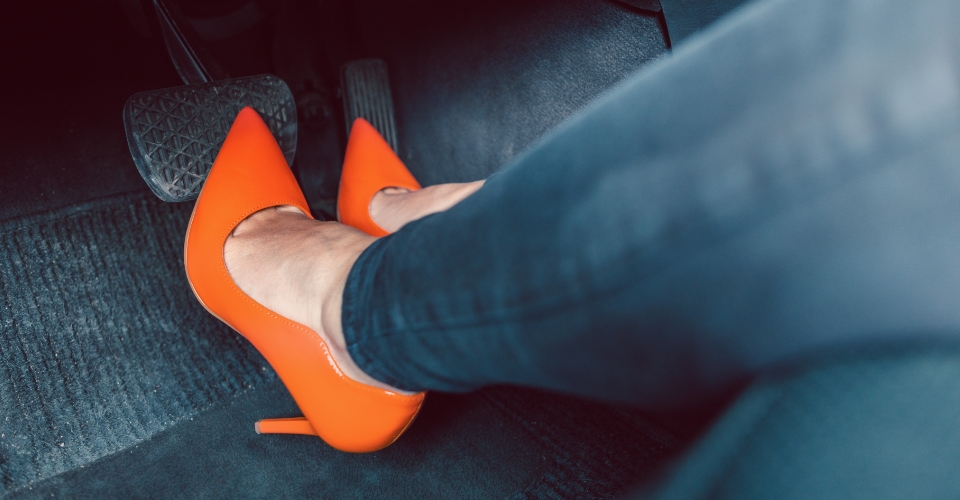
    Driving with heels may look stylish, but it’s not exactly the safest way to hit the road. Your choice of footwear can make a big difference when it comes to how quickly and safely you can react behind the wheel. So, let’s talk about the risks of driving with heels and which shoes are best for the road.

    Driving without car insurance? We’d say that’s pretty dangerous too! Get tailored cover today so that you’re protected on the road!


    Is it Okay to Drive with High Heels?

    Technically, yes. It is possible to drive with high heels, but it’s not recommended. Heels can make it harder for you to press the pedals correctly.

    • The narrow heel can slip off the pedal.
    • Your foot angle is awkward, which can reduce control.
    • Thicker platforms or wedges limit pedal sensitivity.

    Pro tip: Keep a pair of flat shoes or driving shoes in your car and switch out your heels when you get behind the wheel. You can still arrive in style but at least you’ll get there safely.


    RELATED: THE UNWRITTEN ROAD RULES FOR FEMALE DRIVERS


    What Is the Best Footwear for Driving?

    The best shoes for driving in South Africa are ones that give you maximum control, flexibility, and grip. Thin-soled sneakers or flat loafers allow you to feel the pedals while keeping your foot steady. Driving shoes made with rubber soles and soft leather are ideal because they don’t slip off.


    How Does Footwear Affect Driving Safety?

    Your footwear affects your reaction time and control. Shoes with thick soles, heels, or heavy boots can limit pedal feedback. Even flip-flops are risky because they can get caught under the pedal or slip off entirely.


    What Shoes Should You Avoid When Driving?

    • High heels or wedges: awkward angles and reduced control.
    • Flip-flops: too loose and slippery.
    • Heavy boots: bulky and reduce pedal feel.
    • Platform shoes: no flexibility and can delay braking response.


    RELATED: IS IT ILLEGAL TO DRIVE BAREFOOT?


    Safety First

    Driving with heels is risky business. It’s better to keep a pair of comfy flats or sneakers in your car to swap out before driving. And while you’re thinking about safety, remember that having reliable car insurance from dotsure.co.za is another smart move.

    Are you already insured with us? Log in to your manage portal to check your cover or contact us if you have any questions.
     

  • HOW TO AVOID CAR THEFT IN SOUTH AFRICA

    HOW TO AVOID CAR THEFT IN SOUTH AFRICA


    Car theft is a growing problem in South Africa. No car, regardless of make or model, is completely immune. With syndicates getting smarter and theft methods more sophisticated, it’s essential to take proactive steps to protect your vehicle. While practical precautions go a long way, having reliable car insurance is essential in case the worst happens.


    RELATED: DOES INSURANCE COVER HIJACKING?


    Why South African Car Theft Is a Growing Concern

    South Africa continues to experience high rates of vehicle theft. According to crime statistics, thousands of cars are stolen each year, many of which are never recovered. Whether for illegal resale, parts stripping, or cross-border smuggling, stolen vehicles are in high demand. It’s not just luxury SUVs or bakkies that are targeted. Everyday cars used for school runs or commutes are also on the hit list.


    Key Risk Factors That Make a Car a Theft Target 

    What makes a car a target? Thieves typically go for vehicles that are:

    • Easy to break into or start without detection
    • Parked in poorly lit or isolated areas
    • High in resale value or parts demand
    • Frequently driven models, which blend into traffic
    • Lacking visible or audible anti-theft deterrents.


    Practical Tips on How to Prevent Car Theft

    Use Anti-Theft Devices

    Popular options include steering wheel locks, gear locks, immobilisers, alarm systems, and GPS trackers. Many criminals will move on if they see even one of these installed, especially devices that are visible from outside the vehicle.

    Avoid Parking in High-Risk Areas

    Always aim to park in well-lit, secure, and monitored areas. If possible, choose parking spots covered by CCTV or patrolled security. Avoid leaving your car in the same public spot overnight, and try to vary your parking habits to avoid being monitored by syndicates.

    Don’t Leave Valuables in Sight

    A handbag, phone, or laptop bag left on the seat (even if empty) can tempt thieves to break in. Always lock away valuables in the boot or take them with you. Smash-and-grab crimes are a major contributor to vehicle damage and theft.

    Lock Up. Always

    It sounds basic, but how do you prevent car theft? Start by locking your car, even if you’re stepping away for just a minute. Be aware of remote jamming and always confirm that your car is locked by physically testing the door handle before walking away.


    How Anti-Theft Tech Can Help

    Today’s technology offers drivers more tools than ever before to protect their vehicles. Real-time tracking devices can help you and authorities recover a stolen car faster. Some systems allow remote shutdown of the vehicle, while dash cams with parking mode can act as a deterrent and evidence collector.

    Here’s a bonus: dotsure.co.za car insurance includes the installation of a state-of-the-art telematics device by Netstar. This smart system notifies you when entering unfavourable areas, and offers quick access to our emergency line, amongst other benefits.


    What to Do if Your Car Gets Stolen

    If your car is stolen:

    1. Report it to the SAPS immediately with your vehicle’s details.
    2. Notify your car tracker company (if installed) for immediate action.
    3. Contact your insurance provider to start the claims process.
    4. Alert your bank if your car is financed.

    Acting quickly increases your chances of recovery and smooths the insurance claim process.


    How Car Insurance Helps After a Theft

    Even the best precautions aren’t foolproof. That’s why comprehensive car insurance is essential. It covers theft, damage caused during attempted theft, and other risks such as hijacking or malicious damage.

    At dotsure.co.za, we offer customisable car insurance designed to keep you covered when it matters most.

    Need help protecting your car? Contact us today, or simply hop online to get a quote!

  • WHO ARE THE MOST VULNERABLE ROAD USERS? TIPS FOR SA DRIVERS

    WHO ARE THE MOST VULNERABLE ROAD USERS? TIPS FOR SA DRIVERS


    We all know SA’s roads are not only occupied by motorists. While drivers may feel the streets were made for them, cyclists, pedestrians, horses, cattle, and children also have the right to be there. However, these individuals are also amongst the most vulnerable road users in South Africa, and there is an urgent need for increased awareness and safer driving practices. 


    Why Vulnerable Road Users Need Your Extra Attention 

    • Pedestrians and cyclists are harder to see, especially during dawn, dusk and bad weather. 
    • Unlike driving in a car, they don’t have much physical protection, which means any collision could result in serious injuries. 
    • Children and animals can be unpredictable, running into the street unexpectedly or getting spooked by sudden noises. 
    • In many areas of our country, sidewalks or dedicated bicycle lanes don’t exist, so we all have to share the road. 


    Sharing the Road: Tips for SA Drivers 

    Pedestrians: Walkers, Joggers & Runners 

    Pedestrians are at the highest risk on our roads, specifically in townships, cities, and rural areas without pavements or streetlamps. 

    Pedestrian safety tips for drivers: 

    • Always slow down and stop at zebra crossings. 
    • Drive slower in areas with foot traffic, such as schools, shopping centres and bus or taxi stops. 


    Cyclists

    Cyclists get a bad rap for using our roads. Maybe we’re all guilty of waving a fist at a cyclist at some point, but they’re legally allowed to be there, so it’s our job to help keep them safe. 

    Driving tips for cyclist safety: 

    • Check your mirrors when turning left or opening a door. 
    • Don’t tailgate. Give them room and time to move safely. 
    • Avoid sudden braking or swerving in front of them. You wouldn’t like that done to you. 


    Horse Riders on SA Roads 

    Horse riders are legally allowed on many South African roads, especially in rural areas and the outskirts of cities. 

    Can you ride a horse on the road in SA?  

    Yebo, under the National Road Traffic Act, it’s allowed. 

    How to drive safely around horses: 

    • Slow down long before you reach them. 
    • If you need to pass, pass wide, at least a car’s width away, and don’t rush. 
    • Avoid revving your engine, honking, or flashing lights, which may startle the horses. 
    • Watch for hand signals, the rider may know something about their horse that you do not. 
    • Be prepared to stop completely if necessary. 


    Children

    Children often don’t understand road rules or how long a car takes to stop. They may suddenly run into the road, especially near schools or in neighbourhoods. 

    Tips for driving near children: 

    • Always obey school zone driving laws and speed limits. 
    • Be extra cautious when driving around the suburbs. 
    • Watch for kids on bicycles or skateboards. 


    Animals

    Roads are shared not only with humans but with animals too. 

    • Pets: Dogs and cats can sprint into traffic. 
    • Farm animals: Cows, goats, and sheep are often seen grazing on the side of the road. 
    • Wildlife: Look out for baboons, owls, and other wild birds near forests, bush and game reserves. 

    Our top driving tips: 

    • Stay alert in rural areas or game regions as you might encounter livestock or wildlife. 
    • If you see a warning sign for animals, take it seriously. Reduce your speed. 
    • Never swerve violently to avoid hitting an animal. This can be more dangerous than braking in a controlled manner. 

    What do you do if you hit an animal? 

    1. Stop safely and check on the animal (only if it’s safe). 
    1. Call animal welfare and local authorities. 
    1. Contact your insurer. dotsure.co.za offers 24-hour roadside assistance. 

    RELATED: HOW WE PROTECT YOU AFTER A CAR ACCIDENT 


    Who Else Counts as a Vulnerable Road User? 

    Here are a few more to keep an eye out for: 

    People with Disabilities 

    • Wheelchair users and people with limited mobility may take longer to cross the road. 
    • Be cautious near hospitals and clinics. 

    Emergency Responders 

    • Ambulance staff, firefighters and traffic officers working on the road are highly exposed. 
    • Always move over and slow down when approaching emergency scenes. 


    The Law is Clear: Slow Down and Share the Road 

    South African legislation mandates drivers to exercise caution and yield to vulnerable road users. According to the National Road Traffic Act 93 of 1996 drivers must stop their vehicles upon the request or signal of a person leading or driving any horse, cattle, donkey, mule, sheep, goat, pig or ostrich on a public road. This provision underscores the legal obligation to prioritise the safety of both human and animal road users. 

    Furthermore, the Act emphasises motorists’ responsibility to be vigilant and considerate towards pedestrians and cyclists, who are amongst the most vulnerable on the roads.  


    Drive Safe, Drive Kind 

    Let’s sum it up: pedestrians, cyclists, children, horse riders, and animals are all amongst the most vulnerable road users in SA. Adhering to traffic laws and exercising caution can significantly reduce accidents and fatalities involving these vulnerable road users.  


    PS: If you’re a motorist on SA’s roads driving without car insurance, we’d say you’re also pretty vulnerable. Click here for a free insurance quote online or contact us for more! 

  • 11 TIPS FOR STAYING SAFE ON SOUTH AFRICA’S ROADS

    11 TIPS FOR STAYING SAFE ON SOUTH AFRICA’S ROADS


    Everything to Keep in Mind When Navigating Mzansi

    South Africa boasts the world’s tenth-largest road network, spanning an impressive 746 978 kilometres. However, with extensive roadways and bustling traffic, safety should always be a top priority for drivers. Whether you’re commuting daily or exploring scenic routes, we’ve gathered some essential road safety tips to keep in mind.


    General Road Safety

    • Keep Your Ride in Check:

    Before you hit the road, give your vehicle a once-over to make sure everything’s running smoothly.

    • Remember the Essentials:

    Keep your driver’s license and insurance details on hand.

    • Stay Fresh, Stay Alert:

    If you’re hitting the road for a long haul, make sure you’re well-rested. Take breaks, stretch those legs, and keep hydrated.

    • Follow the Rules:

    Stick to speed limits, keep your distance from the car ahead, and keep an eye out for anything unexpected, especially after sunset.

    • Strap In:

    Seat belts are non-negotiable. Buckle up, and make sure your passengers are safely strapped in too.


    Towing Trailers and Caravans

    • Check, Check, Check:

    Before you hit the road, give your trailer or caravan a once-over. Including lights, brakes, and registration.

    • Weight Distribution:

    Keep that load balanced and within the weight limit. A wobbly caravan on the highway can be dangerous.

    • Take it Easy:

    Towing means taking it slow and steady. Give yourself plenty of time to manoeuvre and watch out for sharp turns.


    For Motorbike Riders

    • Dress for Success:

    All the gear, all the time. Safety gear is a literal lifesaver.

    • Stay Visible:

    Assume you’re invisible to other drivers and ride defensively. Keep your distance and signal your intentions.

    • Keep Your Cool:

    Anticipate potential hazards and give yourself room to react.


    From bustling city streets to rugged rural roads, South Africa’s highways and byways offer a treasure trove of adventure. But remember, safety comes first, second, and third!