The Science Behind Your Dog’s Favourite Toy
The sight of a dog gleefully chasing after a fuzzy, bouncing ball is a familiar and heartwarming one. But what exactly is it about tennis balls that captivates our canine companions?
The Science Behind the Obsession
- Prey Drive and Instincts:
Dogs, like their wild ancestors, have a strong prey drive. This instinctual behaviour is rooted in the need to hunt and retrieve prey for survival. When a dog chases a tennis ball, it mimics the erratic movements of prey, triggering their natural hunting instincts. This is why dogs often shake their heads after catching a tennis ball – a behaviour reminiscent of breaking the neck of prey.
- Feel-Good Chemicals:
Playing fetch stimulates the release of endorphins and dopamine in a dog’s brain, creating a sense of pleasure and happiness. This neurochemical response reinforces the positive association with the ball and makes the game highly rewarding for them.
- Colour Perception:
Dogs have dichromatic vision, primarily seeing shades of blue and yellow. Tennis balls, often yellow and used in environments with green grass, stand out vividly against their visual landscape. This striking contrast makes tennis balls particularly eye-catching and exciting for dogs.
- Oral Gratification:
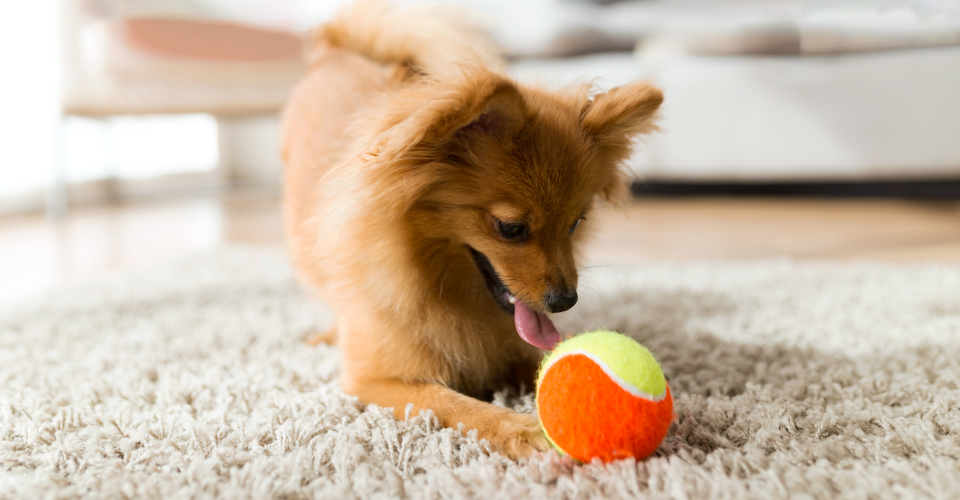
Tennis balls are the perfect size and texture for dogs to chew on. Chewing serves various purposes, including teething relief for puppies and stress reduction for adult dogs. Additionally, chewing on tennis balls helps maintain dental health by removing plaque and tartar buildup.
The Benefits of Playing Fetch
- Physical Exercise:
Playing fetch is an excellent way for dogs to get physical exercise. Regular activity helps maintain a healthy weight, strengthens muscles, and improves cardiovascular health. It’s especially beneficial for high-energy breeds that require more vigorous exercise.
- Mental Stimulation:
Fetch engages a dog’s mind as well as their body. The act of chasing, retrieving, and returning the ball requires focus and problem-solving skills. This mental stimulation is crucial for preventing boredom and associated behavioural problems.
- Bonding:
Playing fetch is a fantastic way to strengthen the bond between you and your dog. It provides an opportunity for one-on-one interaction, fostering trust and companionship. The shared joy during playtime enhances the emotional connection between the two of you.
- Training Opportunities:
Fetch can be incorporated into various training routines. Teaching commands such as “Fetch,” “Drop,” “Take it,” and “Leave it” can improve a dog’s impulse control and obedience. These commands can also prevent guarding behaviours and encourage positive interactions.
Potential Downsides
- Overexertion:
While fetch is beneficial, overplaying can lead to injuries, particularly in breeds prone to leg injuries like Labradors. It’s essential to limit playtime to avoid muscle strain and ligament damage.
- Obsessive Behaviour:
Some dogs can become overly obsessed with fetch, leading to anxiety and obsessive behaviours. If a dog becomes fixated on the ball or shows signs of stress when the game is stopped, it may be necessary to seek advice from a professional trainer.
Teaching “Fetch”
- Introduce the Ball:
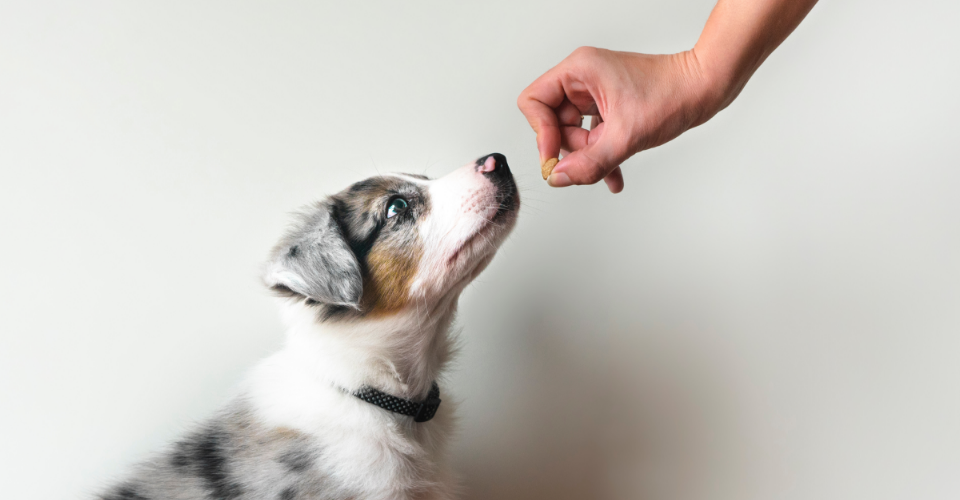
Start by getting your dog excited about the tennis ball. Use verbal praise and treats to create a positive association.
- Teach “Take it”:
Encourage your dog to take the ball from your hand. Reward them for holding the ball.
- Teach “Drop”:
Once your dog is comfortable holding the ball, teach them to drop it on command. Use treats to reinforce the behaviour.
- Combine the Commands:
Start throwing the ball short distances, using “Fetch” to signal your dog to retrieve it and “Drop” when they return it to you. Gradually increase the distance as they become more proficient.
- Advanced Commands:
Commands such as “Wait” and “Leave it” can be integrated into the fetch routine to improve impulse control.
Safety Tips
- Use appropriately sized balls to prevent choking hazards.
- Ensure the playing area is safe and free from obstacles.
- Regularly clean the tennis balls to prevent the buildup of germs.
So, why wait? Grab a tennis ball and enjoy a game of fetch with your pup!